
Embarking on a journey to the Sunshine State of Florida promises an abundance of unforgettable experiences, from pristine beaches and vibrant cities to world-class theme parks and lush natural landscapes. Whether you envision a luxurious escape to a Miami resort, a budget-friendly family adventure in Orlando, or a serene long-term stay along the Gulf Coast, understanding the financial nuances of your trip is paramount. Beyond the headline costs of flights and accommodation, one crucial element often overlooked by travelers is sales tax.
Navigating the intricacies of local taxation can sometimes feel like deciphering a complex map, but for visitors to Florida, a clear grasp of sales tax rates is essential for accurate budgeting and preventing unexpected expenses. This guide will illuminate Florida’s sales tax structure, detailing how it impacts various aspects of your travel, from booking your hotel to enjoying local cuisine and purchasing souvenirs. By demystifying these rates, we aim to empower you to plan a seamless, financially savvy, and utterly enjoyable Florida vacation.
Understanding Florida’s Sales Tax Landscape
Before diving into specific travel expenses, it’s vital to grasp the foundational structure of sales tax in the United States, particularly within the state of Florida. Unlike some countries where sales tax is included in the advertised price, in the USA, it’s typically added at the point of sale. This means the price you see on a menu or price tag often isn’t the final amount you’ll pay.
The Statewide Sales Tax: A Foundation
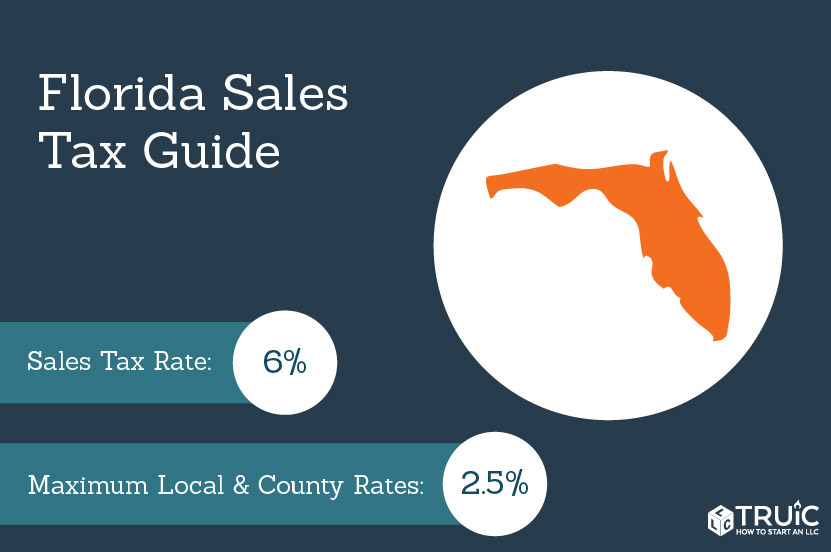
At its core, Florida imposes a 6% statewide sales tax on the retail sale, lease, or rental of most goods and services. This uniform rate applies across all 67 counties, forming the bedrock of the state’s tax system. When you purchase clothing, electronics, or even a meal at a restaurant, this 6% is the baseline addition to your bill. For example, a $100 souvenir would incur an additional $6 in state sales tax.
This rate is relatively straightforward, but it’s just one piece of the puzzle. While the state’s 6% rate is constant, the total sales tax you pay can vary significantly depending on where you are in Florida. This brings us to the next critical component: local discretionary surtaxes.
Navigating Local Discretionary Surtaxes
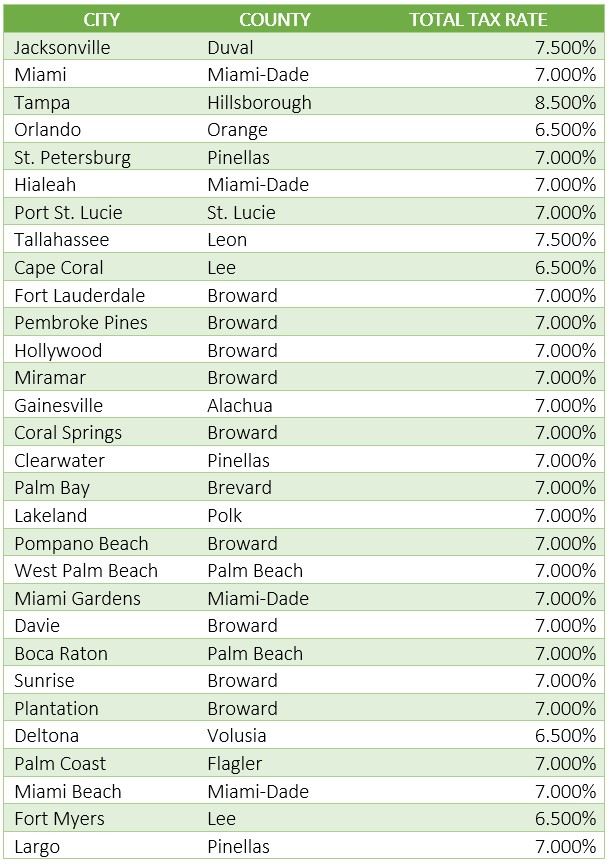
To fund local projects and services, individual counties in Florida have the authority to impose a “discretionary sales surtax” on top of the statewide 6%. This means that the combined sales tax rate can differ from one county to another. These surtaxes vary, typically ranging from 0% to 1.5%, bringing the total sales tax rate to anywhere between 6% and 7.5%.
For travelers, this variation is crucial. A shopping spree in Miami-Dade County (which has a total sales tax rate of 7%) will yield a different tax burden than the same purchase in Orange County (home to Orlando’s major theme parks, with a 6.5% total sales tax) or a quieter trip to a county with no local surtax. For instance, Hillsborough County, where Tampa is located, also has a 7% combined rate, while Broward County, encompassing Fort Lauderdale, sits at 7%.
Before you visit, it’s a wise practice to quickly check the specific sales tax rate for your destination county. The Florida Department of Revenue provides up-to-date information on county surtax rates, making it easy to factor these into your budget. This seemingly small percentage can add up, especially on larger purchases or extended stays.
Sales Tax Impact on Your Florida Travel Budget
Understanding the basic rates is one thing, but knowing how they apply to the specific expenses you’ll encounter as a traveler is where real budgeting precision comes into play. From where you sleep to what you eat and the attractions you visit, sales tax will be a consistent factor.
Accommodation: Hotels, Resorts, and Rentals
For many travelers, accommodation represents the largest single expense. In Florida, lodging is subject to the standard state sales tax (6%) plus any applicable local discretionary sales surtax. So, if you book a hotel in Miami, you’ll pay 7% on top of the room rate.
However, there’s another significant tax that applies specifically to accommodation: the Tourism Development Tax (TDT), also known as the “resort tax” or “bed tax.” This is a separate tax levied by counties on short-term rentals (typically six months or less), including hotels, motels, vacation rentals, and even some campgrounds. The TDT rates vary widely by county, often ranging from 2% to 6%, and are added on top of the sales tax.
For example, if you book a hotel room in Orlando (Orange County), you would pay the 6.5% combined sales tax (6% state + 0.5% county surtax) PLUS an additional 6% Tourism Development Tax. This means a $200 hotel room could end up costing you an extra 12.5% ($25) in taxes alone, bringing the total to $225. Similarly, a stay in Key West (Monroe County) would involve the 7.5% combined sales tax (6% state + 1.5% county surtax) in addition to a TDT of 5%, summing up to a substantial 12.5% in taxes.
This layered taxation is critical for budgeting, particularly for luxury travel or extended family trips where accommodation costs are higher. Always look for the “total price” when booking, which should ideally include all taxes and fees, or meticulously calculate them yourself.
Transportation: Rental Cars and Other Services
Exploring Florida’s diverse regions often necessitates a rental car, especially if you plan to visit multiple attractions or venture off the beaten path. Rental cars are subject to the standard state sales tax (6%) plus any applicable county surtax. A week-long car rental in Tampa would therefore include a 7% sales tax on the rental fee.
Beyond sales tax, car rentals in Florida also often include additional charges such as vehicle license fees, airport concession fees (if renting from an airport location), and other surcharges. While not sales tax, these extra fees contribute to the overall cost of transportation and should be accounted for in your planning. Public transportation fares, ride-sharing services, and taxi services generally incorporate applicable taxes into their pricing or charge them separately where legally mandated.
Dining and Entertainment: Food, Attractions, and Shopping
Whether you’re savoring fresh seafood in Sarasota, enjoying a gourmet meal in Naples, or grabbing a quick bite at a theme park, prepared food and restaurant meals are subject to Florida’s sales tax. This includes everything from a fine dining experience to fast food. If your meal costs $50 in Pinellas County (7% total sales tax), you’ll pay an additional $3.50.
For travelers exploring Florida’s world-renowned attractions, ticket prices are also subject to sales tax. This includes entry to theme parks like Walt Disney World Resort (Magic Kingdom, Epcot, etc.), Universal Studios Florida, SeaWorld Orlando, Discovery Cove, Busch Gardens Tampa Bay, or Legoland Florida Resort, as well as museums like the Perez Art Museum Miami, boat tours in Everglades National Park, or entrance to the Kennedy Space Center Visitor Complex. A family visiting a major theme park could easily spend hundreds of dollars on tickets, so factoring in the extra 6-7.5% in sales tax is crucial.
Shopping for souvenirs, clothing, and other retail items throughout Florida will also incur sales tax. From boutiques in the Art Deco Historic District of South Beach to outlet malls near Orlando, expect the appropriate sales tax rate to be added to your purchases at checkout.
Exemptions and Unexpected Savings
While sales tax is pervasive, Florida does offer certain exemptions that travelers should be aware of. The most common exemption relevant to visitors is for unprepared food items sold in grocery stores. This means if you buy ingredients to cook a meal in your vacation rental, those groceries generally won’t be taxed, saving you a small percentage compared to dining out. However, hot deli foods, prepared salads, or items considered “prepared for immediate consumption” typically are taxed.
Other exemptions include certain medical items, prescription drugs, and some agricultural products. While these might not apply to every traveler, understanding them can help savvy budget travelers make informed choices, perhaps opting to prepare some meals at their accommodation rather than eating out for every meal.
Planning Your Florida Trip: Budgeting for Taxes
Effective financial planning is a cornerstone of any successful trip, and in Florida, accounting for sales and tourism taxes is non-negotiable. With careful consideration, you can enjoy all the state has to offer without budgetary surprises.
Researching Your Destination’s Specific Rates
Given the variation in local discretionary surtaxes and tourism development taxes, the single most important step for accurate budgeting is to research the specific rates for your chosen destination(s). If you’re visiting Jacksonville (Duval County), St. Petersburg (Pinellas County), or Gainesville (Alachua County), you’ll encounter different local surtaxes. Similarly, the TDT can vary significantly between popular tourist hubs like Orlando and coastal retreats in the Florida Keys.
The Florida Department of Revenue website is an excellent resource for checking current sales tax and surtax rates by county. Many county tourism boards also list their specific tourism development tax rates. By doing this homework upfront, you can build a realistic budget that reflects the true cost of your trip.
Strategies for Smart Spending
Once armed with knowledge of the applicable tax rates, you can employ several strategies to optimize your spending:
- Factor in taxes from the start: When comparing hotel prices, don’t just look at the base rate. Use online booking platforms that clearly break down all taxes and fees, or assume an additional 10-15% (or more, depending on location) on accommodation for taxes alone.
- Budget for all expenses: Don’t forget sales tax when estimating costs for dining, attraction tickets, and shopping. Add a buffer of 7-8% to these categories in your budget to account for the combined state and local sales tax.
- Utilize grocery stores: For longer stays or budget-conscious travelers, purchasing groceries (unprepared foods) and cooking some meals at your rental accommodation can lead to significant savings, as these items are typically exempt from sales tax.
- Consider package deals: Sometimes, travel packages that bundle flights, hotels, and even attraction tickets can offer overall savings, though you should still scrutinize the final price for all included taxes and fees.
Understanding Tourism Development Taxes
Revisiting the Tourism Development Tax (TDT), its impact cannot be overstated, especially for those considering extended stays or high-end accommodations. This specific tax directly funds tourism promotion and infrastructure improvements, which ultimately benefit visitors. While it adds to your cost, it also contributes to maintaining the quality of Florida’s tourist amenities.
It’s important to differentiate the TDT from the general sales tax. The TDT is exclusively for short-term lodging, while sales tax applies more broadly. Always check the itemized bill from your accommodation provider to see both taxes clearly listed. For those planning a long-term stay exceeding six months in one location, you may be exempt from the TDT, but this often requires specific documentation and arrangements with the lodging provider.
Beyond Sales Tax: Other Important Financial Considerations for Florida Visitors
While sales tax is a significant component of your Florida travel budget, it’s part of a broader financial landscape that also includes other fees and cultural expectations. Being aware of these additional elements will ensure a truly smooth and stress-free vacation.
Resort Fees and Hidden Charges
A growing trend in the hospitality industry, particularly in popular tourist destinations like Florida, is the imposition of resort fees (sometimes called “amenity fees” or “destination fees”). These are mandatory daily charges levied by hotels and resorts, ostensibly to cover services and facilities such as Wi-Fi, fitness center access, pool towels, or shuttle services. Critically, these fees are often not included in the advertised room rate and are added at check-in or check-out. They can range from $15 to $50 or more per night.
While resort fees themselves are typically subject to sales tax, their primary impact is to increase your total accommodation cost significantly. Always inquire about resort fees before booking, or look for them explicitly stated in the booking details. For vacation rentals, expect potential cleaning fees and service charges which are also added on top of the base rental rate and subject to sales tax. These can be substantial, especially for shorter stays.
Tipping Etiquette and Expectations
In the United States, tipping is a deeply ingrained cultural practice, particularly in the service industry. While not a tax, it’s a critical financial consideration for travelers. For most services, a gratuity is expected, typically ranging from:
- Restaurants: 15-20% of the bill for good service (before tax). For exceptional service, 20% or more is common.
- Bars: $1-$2 per drink, or 15-20% of the total bar tab.
- Hotel Staff: $2-$5 per bag for porters, $2-$5 per day for housekeepers, a few dollars for valet parking attendants.
- Taxi/Ride-share drivers: 15-20% of the fare.
- Tour Guides: 10-20% of the tour cost, depending on the length and quality of the tour.
Failing to budget for tips can lead to awkward situations or significantly impact your daily spending. Always factor in these expected gratuities to avoid being caught off guard, especially in a state like Florida where tourism is a cornerstone of the economy and service workers often rely heavily on tips.
Maximizing Your Value in the Sunshine State
Ultimately, a truly enriching and enjoyable Florida experience stems from a blend of meticulous planning and spontaneous enjoyment. By understanding the sales tax rates, the nuances of tourism development taxes, and anticipating other common fees like resort charges and tips, you empower yourself to manage your travel budget effectively.
Whether you’re exploring the historic streets of St. Augustine, relaxing on the beaches of the Atlantic Coast, or immersing yourself in the magic of Walt Disney World Resort, being financially prepared allows you to focus on creating lasting memories rather than worrying about unexpected costs. Armed with this knowledge, your adventure in the Sunshine State will be as vibrant and seamless as you imagined.
LifeOutOfTheBox is a participant in the Amazon Services LLC Associates Program, an affiliate advertising program designed to provide a means for sites to earn advertising fees by advertising and linking to Amazon.com. Amazon, the Amazon logo, AmazonSupply, and the AmazonSupply logo are trademarks of Amazon.com, Inc. or its affiliates. As an Amazon Associate we earn affiliate commissions from qualifying purchases.