
Embarking on a journey to the Lone Star State, whether for its vibrant cities, historic landmarks, or delicious cuisine, involves more than just planning your itinerary and booking your accommodation. Savvy travelers understand the importance of budgeting for every aspect of their trip, and that includes understanding the local tax landscape. For those venturing through Texas, the sales tax rate is a crucial piece of financial information that impacts everything from your morning coffee to your souvenir shopping spree and even the cost of your stay. Knowing “What Is The Sales Tax Rate In Texas?” allows you to better manage your expenses and enjoy a stress-free experience in one of the United States’ most captivating states.
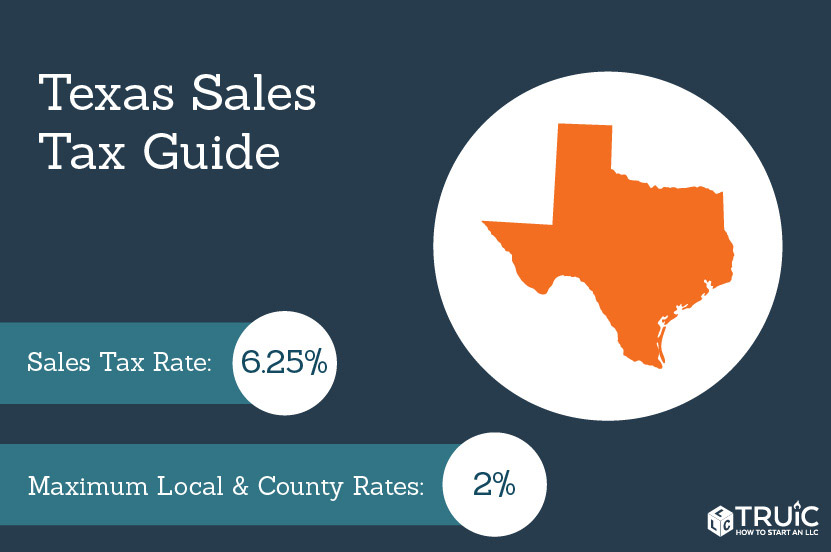
The fundamental statewide sales tax rate in Texas stands at 6.25%. This is the base rate applied to most taxable goods and services across the state. However, it’s vital for travelers to understand that this is only part of the picture. Local jurisdictions – including cities, counties, and special purpose districts – have the authority to impose their own additional sales taxes. These local additions can raise the combined sales tax rate by as much as 2%, meaning the total sales tax you pay in some areas of Texas can reach up to 8.25%. This variability is a key consideration for anyone planning a visit, as the cost of the same item could differ significantly depending on whether you purchase it in downtown Dallas, a quaint town in the Hill Country, or a coastal retreat like Galveston.
This comprehensive guide will delve into the nuances of Texas sales tax, specifically tailored for travelers, tourists, and those seeking accommodation within the state. We’ll explore how these taxes apply to various aspects of your trip, from your choice of hotels and dining experiences to retail therapy and entry to famous landmarks. Understanding these details is not just about saving money; it’s about gaining a clearer picture of the overall cost of your Texas adventure, enabling you to budget effectively and make informed decisions that enhance your travel lifestyle.
Understanding Texas Sales Tax for Travelers
For visitors to Texas, navigating the sales tax landscape can initially seem daunting, but it’s fundamentally straightforward once you grasp the basics. The distinction between the statewide rate and local additions is paramount, as is understanding what types of purchases are subject to these taxes. This knowledge empowers you to plan your expenditures more accurately, ensuring a smoother and more enjoyable travel experience.
The Statewide Rate: A Foundation for Your Budget
The 6.25% statewide sales tax is the bedrock upon which all other sales tax calculations are built in Texas. This rate is consistent across every city, county, and region within the state. When you purchase most tangible personal property – such as souvenirs, clothing, electronics, or even that indispensable road trip snack – this 6.25% is the minimum you can expect to pay in sales tax. For instance, if you’re buying a $100 item, at minimum, you’ll be paying an additional $6.25 in sales tax.
This rate also applies to many services, although the rules for services can be more complex and depend on the specific type of service. Generally, services that are considered “repair, remodeling, or restoration” of tangible personal property are taxable, as are certain data processing services, security services, and telecommunication services. While most professional services (like legal or medical advice) are exempt, it’s always wise to check if you’re engaging in a service that might fall under the taxable category during your stay. Knowing this base rate provides a crucial starting point for your travel budget, allowing you to estimate the added cost of goods and services before local taxes are factored in.
Local Taxes: Varying Costs Across Destinations
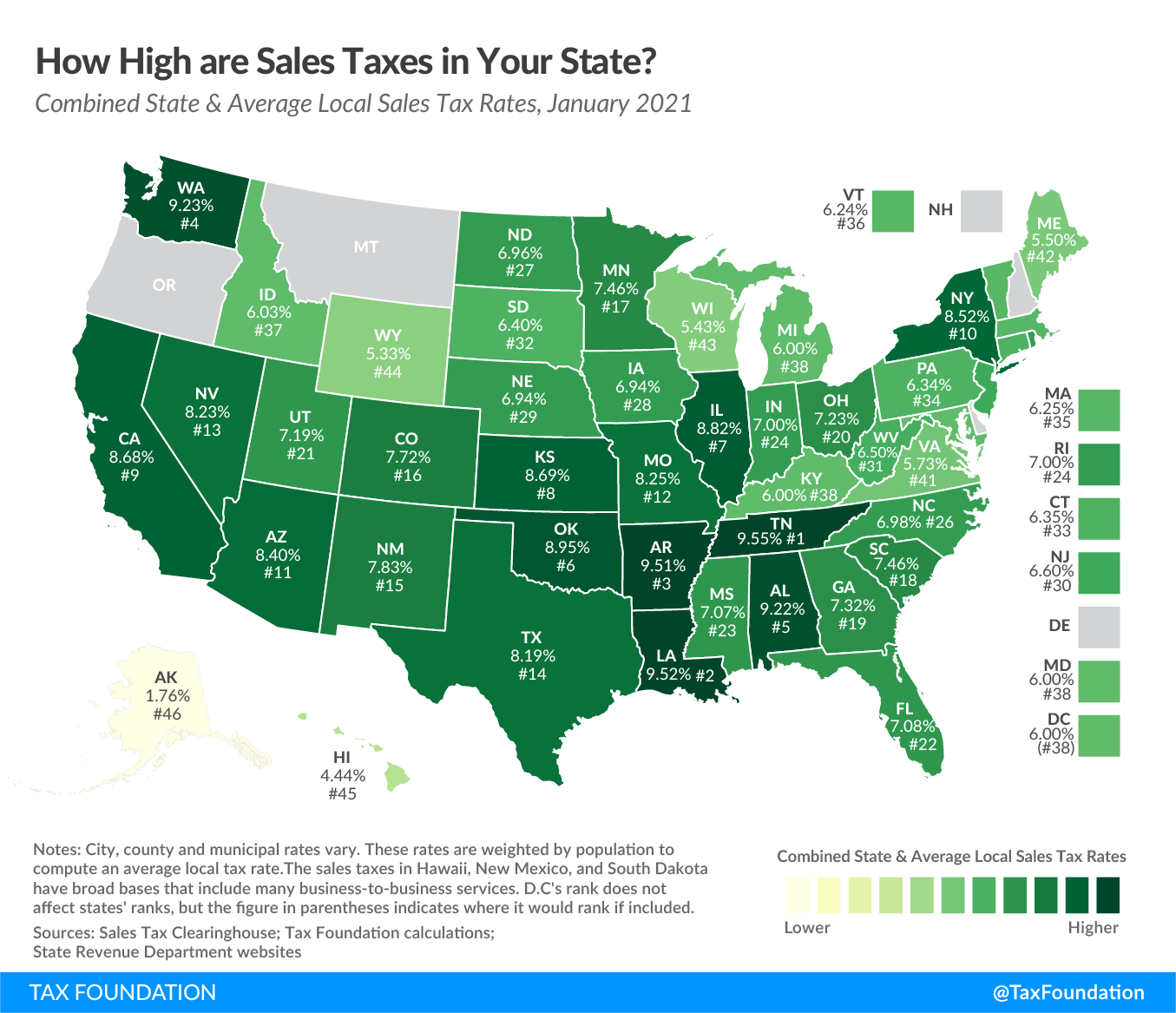
Beyond the statewide rate, the real variability in sales tax rates comes from the local jurisdictions. Cities, counties, and various special purpose districts (like metropolitan transit authorities or hospital districts) can impose an additional sales tax of up to 2%. This means that the combined sales tax rate can range from the base 6.25% in unincorporated areas with no additional local taxes, all the way up to 8.25% in many urban centers.
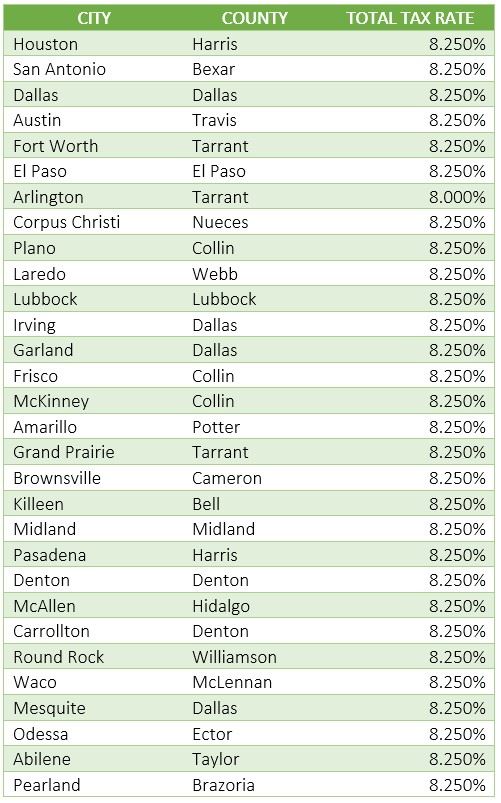
For example, a traveler enjoying the vibrant cultural scene in Austin will encounter an 8.25% sales tax rate (6.25% state + 1% city + 1% Capital Metropolitan Transportation Authority). Similarly, in Houston, the rate is also 8.25% (6.25% state + 1% city + 1% Metropolitan Transit Authority). If you’re exploring the historic charm of San Antonio and visiting the Alamo or strolling along the Riverwalk, you’ll also see an 8.25% sales tax on most purchases.
This variation highlights the importance of checking the specific sales tax rate for the cities or regions you plan to visit. While a 2% difference might seem minor on a single purchase, it can add up significantly over the course of a multi-day trip involving numerous transactions, impacting your overall budget for retail, dining, and other activities. Many online resources and local tourism websites can provide up-to-date sales tax information for specific Texas locales.
What’s Taxed? A Traveler’s Guide to Goods and Services
Understanding what items and services are subject to sales tax is key for any traveler. In Texas, the sales tax generally applies to all sales of tangible personal property and certain services.
Common Taxable Items for Travelers:
- Retail Purchases: This includes clothing, electronics, souvenirs, books, and any other physical goods you might purchase from stores.
- Prepared Food and Drinks: Meals eaten at restaurants, cafes, food trucks, and even convenience store hot foods are generally taxable. This includes both dine-in and takeout orders.
- Alcoholic Beverages: While specific alcohol taxes exist, the general sales tax also applies to alcoholic drinks served in bars and restaurants.
- Tickets to Attractions and Entertainment: Admission fees for theme parks, museums (like the Sixth Floor Museum at Dealey Plaza in Dallas or Space Center Houston), concerts, sporting events, and movie theaters are typically subject to sales tax.
- Rental Cars: Vehicle rentals are subject to sales tax, along with other specific rental car taxes and fees.
- Hotel and Motel Rooms: While technically a “hotel occupancy tax” rather than pure sales tax, this is a significant charge for travelers and will be detailed further below.
Common Exemptions (Important for Travelers):
- Most Groceries: Unprepared food items purchased from grocery stores for home consumption are generally exempt from sales tax. This means buying ingredients for a picnic or snacks for your hotel room often won’t incur sales tax, but a pre-made sandwich or rotisserie chicken from the same grocery store might be taxed as prepared food.
- Prescription Drugs and Medical Devices: These essential items are typically exempt.
- Certain Services: As mentioned, many professional services are exempt.
Being aware of these taxable and exempt categories allows you to make more informed purchasing decisions throughout your trip, helping you to manage your budget more effectively, whether you’re planning a luxurious culinary tour or a budget-friendly road trip.
Navigating Accommodation and Lodging Taxes
Beyond the general sales tax, travelers to Texas must also account for the Hotel Occupancy Tax (HOT). This is a separate and often substantial charge applied to your stay, distinct from the sales tax applied to goods and services. Understanding HOT is critical for accurately budgeting your accommodation costs, whether you’re staying in a five-star resort or a charming bed and breakfast.
Hotel Occupancy Tax: Beyond Sales Tax
The Texas Hotel Occupancy Tax (HOT) is levied on the rental of a room or space in a hotel, motel, bed and breakfast, or other lodging establishment. This tax is applied in addition to any general sales tax you might pay on other purchases. The purpose of HOT is often to fund tourism promotion and development within the state and local communities, meaning your contribution helps support the very infrastructure and attractions that draw visitors.
The state portion of the HOT is 6%. However, much like sales tax, local jurisdictions can impose their own additional HOT rates. Cities and counties can each add their own percentages, often ranging from 7% to 9%. This means that the combined HOT rate in popular tourist destinations can easily reach 13% to 15%, or even higher in some areas, on top of your nightly room rate. For example, in Dallas, the combined HOT rate is around 15% (6% state + 7% city + 2% Dallas County), making a significant impact on your overall accommodation expenses. In Houston, it’s also approximately 17% (6% state + 9% city + 2% county).
It’s crucial to remember that this tax is applied per night, per room. For a multi-night stay, especially in higher-end resorts or suites, the cumulative effect of HOT can add hundreds of dollars to your bill. Always look for the “total price” or carefully review the tax breakdown when booking your accommodation to avoid any surprises.
Impact on Different Accommodation Types
The Hotel Occupancy Tax applies broadly across various types of lodging, but its impact can feel different depending on your choice of stay.
- Hotels and Motels: These are the most common lodging types and are consistently subject to the full HOT rate. Whether you’re staying in a budget motel or a luxury Grand Hyatt Hotel in downtown, the HOT will be a standard addition to your bill. When comparing prices on booking platforms, remember that the initial displayed rate might not include these taxes, so always look for the final price breakdown.
- Resorts: Texas boasts numerous stunning resorts, especially in areas like the Hill Country or along the coast. While these often come with a higher nightly rate, the HOT will also be a percentage of that higher rate, meaning the dollar amount of the tax will be greater. Additionally, resorts might have resort fees or other charges that are separate from taxes, so it’s important to differentiate.
- Vacation Rentals (e.g., Airbnb, VRBO) and Apartments/Villas: The rules for short-term vacation rentals have become increasingly similar to traditional hotels. If you rent a property for less than 30 consecutive days, it is generally subject to both state and local Hotel Occupancy Taxes, provided the owner is properly registered. This is important to verify, especially when considering apartments or villas for a more private stay. Reputable platforms usually include these taxes in their pricing breakdown, but if booking directly, confirm with the host.
- Bed and Breakfasts: These charming establishments also fall under the purview of HOT. Their unique appeal often comes with personalized service, but travelers should still factor in the occupancy tax when budgeting for their stay.
- Long-term Stays: For travelers planning extended visits, there’s a significant exemption to be aware of. If you rent a room or accommodation for 30 consecutive days or more, you are generally exempt from the Hotel Occupancy Tax. This rule is particularly beneficial for business travelers, those relocating, or individuals seeking a more immersive, long-term lifestyle experience in a Texas city. It’s crucial to communicate your intention for a long-term stay at the time of booking to ensure the exemption is correctly applied.
Understanding the HOT and its application across different accommodation types is essential for accurate budget planning, helping you compare options effectively and choose the best fit for your travel needs without unexpected costs.
Dining, Shopping, and Entertainment: Where Sales Tax Applies
A significant part of any Texas travel experience involves indulging in local cuisine, exploring unique shops, and enjoying the state’s diverse entertainment options. From savoring authentic Texas barbecue to finding the perfect cowboy boots, sales tax will be a consistent factor in these expenditures. Being aware of where and how it applies ensures you can fully enjoy these aspects of your trip without financial surprises.
Savory Experiences and Sales Tax
Texas is a foodie’s paradise, famous for its barbecue, Tex-Mex, and diverse culinary scene. When you dine out, whether it’s at a five-star restaurant in Houston, a casual cafe in Austin, or a roadside barbecue joint, the full combined sales tax rate (state and local) will apply to your entire food and beverage bill. This includes prepared meals, snacks, and both alcoholic and non-alcoholic drinks.
For example, a $50 meal in Dallas (with an 8.25% sales tax rate) would incur an additional $4.13 in tax, bringing the subtotal to $54.13 before tip. This might seem small for one meal, but imagine multiple meals a day over a week-long trip. It adds up quickly. Even grabbing a coffee at a local cafe or a pastry from a bakery will typically be subject to sales tax because these are considered “prepared foods.”
The key distinction for food is “prepared” versus “unprepared.” If you’re staying in an apartment or villa with a kitchen and buy groceries to cook yourself, most basic food items like fresh produce, raw meat, and pantry staples are exempt from sales tax. However, items like hot deli foods, pre-made salads, or even a fountain drink purchased at a grocery store convenience counter will likely be taxed. This is a subtle but important detail for budget-conscious travelers or those opting for a self-catering lifestyle during their travels.
Retail Therapy: Souvenirs and More
Shopping in Texas offers a wide array of options, from high-end boutiques in Houston’s Galleria to unique artisan markets in San Antonio, and everything in between. Most tangible personal property purchased in retail stores is subject to the combined state and local sales tax rate. This includes clothing, jewelry, electronics, gifts, home goods, and, of course, quintessential Texas souvenirs like cowboy hats, boots, and Alamo memorabilia.
If you’re planning a significant shopping spree, especially in cities with higher local sales tax rates, factoring in this additional cost is essential. A $1,000 purchase, for instance, could incur an $82.50 sales tax in an 8.25% zone, which is not insignificant. Smart shoppers might compare prices across different cities if they plan to make large purchases, though the difference for most items will likely be minor compared to travel costs between cities.
For those interested in unique local crafts and art, many markets or independent vendors will also charge sales tax, as they are selling tangible goods. Always ensure you receive a receipt that clearly itemizes the sales tax, particularly if you are tracking expenses for business travel or detailed budgeting.
Attractions and Activities: Planning for the Unexpected
Texas offers a wealth of attractions and activities, from historical sites and museums to sprawling theme parks and natural wonders. Generally, admission fees for most entertainment venues and paid attractions are subject to sales tax.
For example, when you purchase tickets to:
- Space Center Houston
- The Sixth Floor Museum at Dealey Plaza in Dallas
- Any major theme park or water park
- Concerts, sporting events, or live theater performances
- Boat tours on the Riverwalk in San Antonio
…you should expect sales tax to be added to the base ticket price. This is crucial for budgeting your entertainment expenses. Don’t just look at the advertised ticket price; anticipate the added tax. Often, online booking systems will show the full price including taxes and fees before final checkout, so pay close attention.
However, some outdoor recreational activities or certain non-profit historical sites might have different tax structures or be exempt. For example, entry fees to state parks are often not subject to sales tax, though specific fees for camping or amenities within the park might be. When planning visits to specific landmarks or participating in guided experiences, it’s a good practice to check their websites or contact them directly if you want a precise cost breakdown, especially for higher-priced activities. This foresight will help you avoid any budget overruns and fully immerse yourself in the rich tourism offerings of Texas.
Budgeting and Tips for a Texas Trip
Effectively managing your finances is key to a smooth and enjoyable Texas adventure. Understanding the sales tax rates and how they apply to various aspects of your trip – from accommodation to dining and attractions – allows you to create a realistic budget and avoid unexpected expenses. Here are some strategies and tips to help you navigate the tax landscape while enjoying all that the Lone Star State has to offer.
Calculating Your Travel Costs
The most fundamental step is to factor taxes into your initial budget. Don’t just budget for the sticker price of hotels, meals, and souvenirs.
- Accommodation: When looking at nightly rates for hotels, resorts, or vacation rentals, always add the estimated Hotel Occupancy Tax (HOT). For many major cities, assume a total HOT rate of 13-17% on top of the base room rate. For a $200/night room, this could mean an extra $26-$34 per night. Over a week, that’s an additional $182-$238.
- Dining: For restaurant meals and prepared foods, use the highest local sales tax rate you expect to encounter (e.g., 8.25% in major cities) as a general rule of thumb. If you anticipate spending $100 a day on food, budget an extra $8.25 for sales tax.
- Shopping and Entertainment: Estimate the cost of souvenirs, clothing, or attraction tickets and apply the relevant local sales tax rate. For a $50 ticket to an attraction in Houston, that’s an extra $4.13.
By doing these quick calculations upfront, you’ll have a much more accurate picture of your total expenses, whether you’re planning a luxury travel experience or a budget travel adventure. Many online travel planners or spreadsheets can help you build these estimates into your daily spending.
Smart Spending Strategies
Armed with knowledge of Texas sales taxes, you can employ several strategies to optimize your spending without compromising your travel experience.
- Choose Your Destinations Wisely: If sales tax is a significant concern for your budget, be aware that smaller towns or rural areas might have lower combined sales tax rates than major metropolitan areas like Dallas or Austin. This might be a factor if you’re planning extensive shopping.
- Opt for Self-Catering: Staying in an apartment or villa with kitchen facilities allows you to buy groceries, which are largely sales tax-exempt, rather than dining out for every meal. This can lead to substantial savings, especially for family trips or longer stays.
- Pre-purchase Online: Sometimes, tickets for attractions or events purchased online might include taxes in the final price, or you can see the full breakdown more clearly before committing. Ensure you’re looking at the total cost.
- Long-term Stays for Tax Exemption: If your travel plans involve staying for 30 consecutive days or more, you generally become exempt from the Hotel Occupancy Tax. This is a considerable saving for business stays, digital nomads, or anyone considering an extended tourism visit to a particular Texas city.
Essential Tax-Related Tips for Visitors
- Always Check Receipts: After every purchase, particularly larger ones, quickly review your receipt. Ensure the sales tax rate applied matches the expected rate for the location. This is good practice for both budgeting and spotting potential errors.
- Understand What’s Exempt: Remember the grocery exemption for unprepared foods. Buying a bag of apples versus a pre-made fruit salad can make a small difference in tax paid.
- Don’t Forget Rental Car Taxes: In addition to sales tax, rental cars in Texas are subject to a Motor Vehicle Rental Tax and other fees. These add to the overall cost, so factor them in when comparing rental agencies.
- Tourist Guides and Websites: Utilize official city tourism websites or reputable travel guides for specific information on local tax rates in your chosen destinations. These resources often provide comprehensive breakdowns.
- Keep a Buffer: Regardless of how meticulous your budget, it’s always wise to include a small buffer for unexpected expenses, including minor tax discrepancies or impulse purchases.
By being proactive about understanding and budgeting for sales and occupancy taxes, your Texas travel experience will be not only enriching and memorable but also financially transparent and stress-free.
Exploring Texas: Destinations and Lifestyle Implications
The sheer size and diversity of Texas mean that your choice of destinations significantly influences not just your experiences but also the financial aspect of your trip, including the total sales and occupancy taxes you’ll encounter. Different cities and regions offer distinct lifestyles, from bustling urban centers to serene natural retreats, and each comes with its own tax structure.
Major Cities and Their Tax Landscapes
- Dallas and Fort Worth: These twin cities form a vibrant metropolitan area, offering everything from world-class museums and shopping to historic districts. Both Dallas and Fort Worth generally have a combined sales tax rate of 8.25% and a Hotel Occupancy Tax (HOT) of around 15-17%. This means that dining, retail therapy, and accommodation here will be at the higher end of Texas’s tax spectrum. Visitors interested in luxury shopping or staying in high-end hotels will need to factor these rates into their budgets carefully.
- Houston: As the largest city in Texas and home to Space Center Houston and a thriving culinary scene, Houston also operates with a combined sales tax rate of 8.25%. Its Hotel Occupancy Tax is typically around 17%. Given its sprawling nature and diverse offerings, from cultural landmarks to extensive retail districts, visitors undertaking significant spending in Houston should be mindful of these rates.
- Austin: The state capital, known for its live music, outdoor activities, and eclectic vibe, also levies a combined sales tax rate of 8.25%. Austin’s Hotel Occupancy Tax is usually around 15-17%. With its popularity as a tourism hotspot, especially during major festivals, securing accommodation and budgeting for daily expenses with these taxes in mind is crucial.
- San Antonio: Rich in history with landmarks like the Alamo and the famous Riverwalk, San Antonio maintains a combined sales tax rate of 8.25%. The city’s Hotel Occupancy Tax is around 15-17%. Tourism is a cornerstone of San Antonio’s economy, so all major tourist-related purchases, from souvenirs to guided tours, will reflect this tax structure.
- El Paso and Corpus Christi: Other significant Texas cities like El Paso (far west Texas) and Corpus Christi (coastal Texas) also typically have combined sales tax rates of 8.25%, with varying local HOT rates usually in the 13-17% range. While their regional appeals differ, the general tax implications for travelers remain consistent with other major urban centers.
Lifestyle Choices and Their Tax Implications
The sales tax rate in Texas can subtly influence your chosen travel lifestyle and how you approach your trip.
- Luxury Travel: For those indulging in luxury travel, staying in high-end suites or resorts, dining at gourmet restaurants, and shopping at designer boutiques, the cumulative effect of sales tax and Hotel Occupancy Tax will be significant. A higher base cost means a higher tax dollar amount. While likely less of a primary concern for luxury travelers, being aware still contributes to a comprehensive financial overview. The added cost might encourage seeking out experiences or purchases in areas with marginally lower rates if that aligns with the itinerary.
- Budget Travel: Travelers on a tighter budget will find that small savings add up. Opting for apartments with kitchens, utilizing grocery stores for meals, and seeking out free attractions or exempt purchases (like used books from a thrift store which may be exempt depending on the seller’s sales volume) become more impactful. Even choosing to stay in a slightly less central area of a city might sometimes yield a lower combined HOT if that area has a different special district tax, though this is less common for general sales tax.
- Family Trips: For family trips, where expenses multiply across multiple individuals, strategic planning around sales and occupancy taxes can lead to substantial savings. For example, staying in a larger villa for an extended period could make you eligible for the HOT exemption, and cooking family meals from grocery stores saves tax on prepared foods.
- Business Stays and Long-term Accommodation: As mentioned, business stays exceeding 30 days offer the significant advantage of HOT exemption. This can make long-term projects or relocations much more affordable, particularly for employees staying in corporate apartments or extended-stay hotels. Companies often factor this into their travel policies when planning assignments in Texas.
In conclusion, understanding “What Is The Sales Tax Rate In Texas?” is more than just knowing a number; it’s about appreciating how this fundamental piece of information weaves into the fabric of your entire Texas travel plan. From selecting your dream destination and ideal accommodation to savoring local flavors and bringing home cherished souvenirs, being tax-savvy empowers you to make smarter choices, ensuring your journey through the Lone Star State is as fiscally sound as it is unforgettable. By budgeting intelligently and leveraging exemptions where applicable, you can maximize your travel enjoyment and truly experience all the wonderful things to do that Texas has to offer.