
Alaska, often referred to as “The Last Frontier,” is a land of unparalleled natural beauty, immense wilderness, and a rich tapestry of wildlife. From towering mountain ranges and vast glaciers to dense forests and expansive tundras, its diverse ecosystems support an incredible array of creatures. Visitors flock to this magnificent state for once-in-a-lifetime travel experiences, hoping to catch glimpses of grizzly bears, moose, and eagles in their natural habitats. However, amidst this grandeur, there’s a smaller, yet equally fascinating, resident that holds a special place in the hearts of Alaskans and symbolizes the spirit of the state: its official state bird.
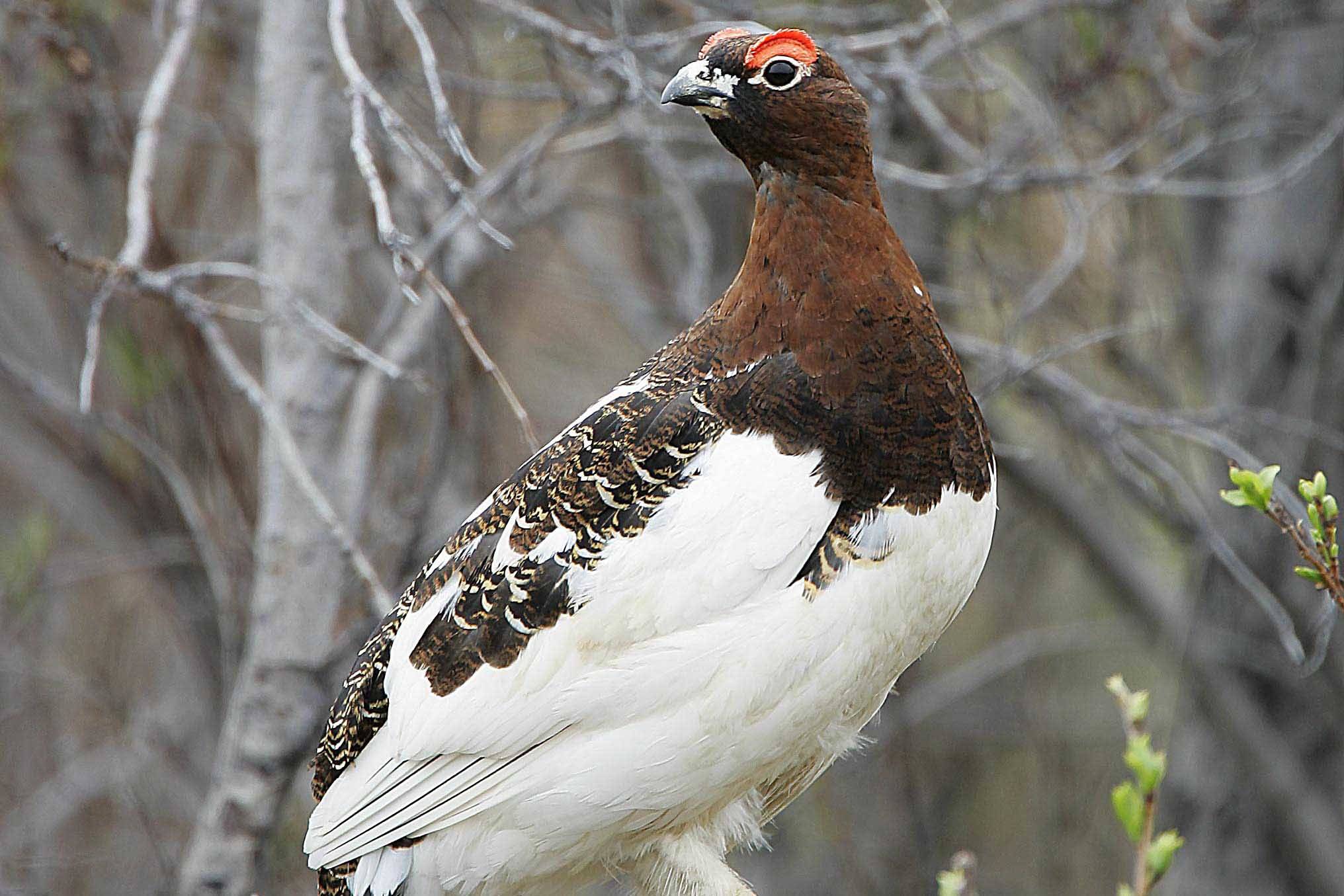
For many, the first guess might be an impressive predator like an eagle, given Alaska’s rugged image. Yet, the chosen emblem is a more subtle, yet remarkably resilient bird, perfectly adapted to the challenging Arctic environment. The state bird of Alaska is the Willow Ptarmigan. This remarkable creature, known for its incredible camouflage and hardiness, perfectly embodies the enduring spirit and unique natural heritage of the 49th state. Its story is one of adaptation, survival, and a deep connection to the land, making it a fitting ambassador for Alaska’s wild heart.
Unveiling Alaska’s Feathered Emblem
The Willow Ptarmigan (Lagopus lagopus) is more than just a bird; it’s a living testament to the power of evolution and adaptation in extreme environments. Its official designation as Alaska’s state bird in 1955 was the culmination of a movement led primarily by schoolchildren, who recognized the ptarmigan’s unique qualities and its ubiquitous presence across the state’s diverse landscapes. This choice reflects a deep appreciation for creatures that thrive in harsh conditions, embodying resilience and a profound connection to the land.
The Willow Ptarmigan: A Master of Disguise
At first glance, the Willow Ptarmigan might seem unassuming, but a closer look reveals a marvel of natural engineering. This medium-sized game bird, a member of the grouse family, is most famous for its incredible seasonal plumage changes. In winter, the Willow Ptarmigan boasts a pristine white coat, blending seamlessly with the snowy tundra and frozen landscapes. Only its black tail feathers and beak offer a stark contrast, providing crucial camouflage against predators like foxes and eagles. This transformation is not merely aesthetic; it’s a vital survival mechanism, allowing it to move almost invisibly across the snow-covered terrain.
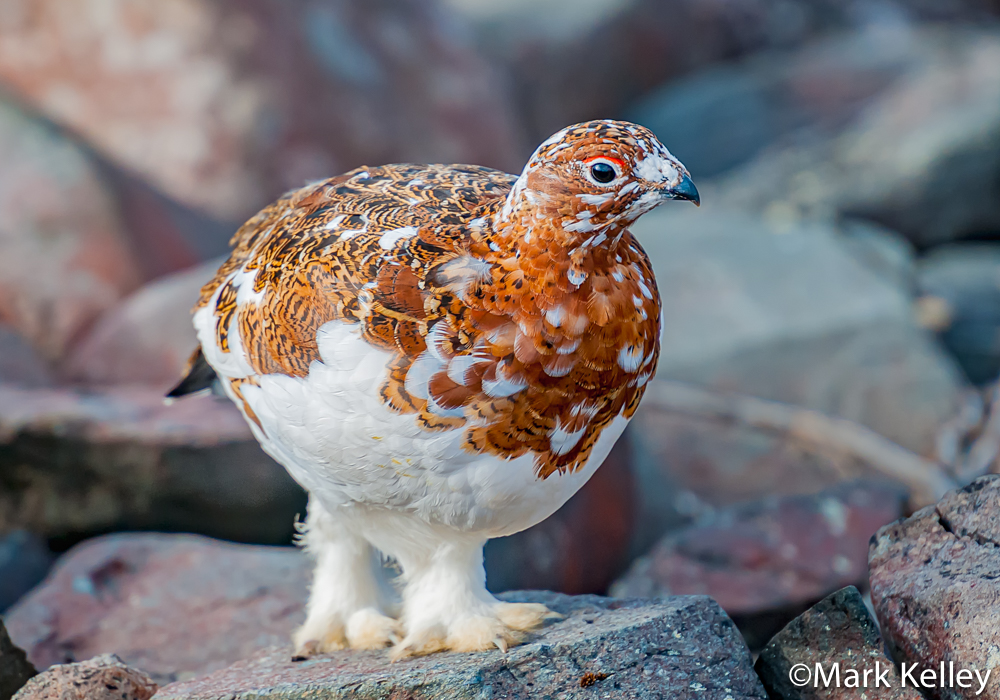
As spring arrives and the snow begins to melt, the ptarmigan undergoes another remarkable metamorphosis. Its feathers gradually change to a mottled brown and reddish-brown, perfectly mimicking the thawing earth, exposed rocks, and burgeoning willow thickets from which it derives its name. Males, in particular, develop a reddish eyebrow comb during the breeding season, a vibrant display used in courtship rituals. By summer, both sexes are predominantly brown, blending perfectly with the ground cover. In autumn, a transitional molt sees them sporting a patchwork of brown and white before returning to their full winter white. This intricate cycle of molting ensures the Willow Ptarmigan remains camouflaged year-round, a true master of disguise in its ever-changing environment.
Beyond its plumage, the Willow Ptarmigan possesses other adaptations for life in the Arctic. Its feet are heavily feathered, acting like snowshoes to distribute its weight and prevent it from sinking into soft snow. These feathered feet also provide insulation against the biting cold, allowing the bird to forage even in sub-zero temperatures. Its diet primarily consists of willow buds, catkins, twigs, and berries, making it well-suited to the flora of the tundra and subarctic regions. Their relatively plump bodies and small wings allow for efficient, if not elegant, flight, often in short bursts to escape danger.
A Symbol of Resilience and Heritage
The choice of the Willow Ptarmigan as Alaska’s state bird was not arbitrary. It was the result of a concerted effort by Alaskan schoolchildren in the early 1950s. They sought a bird that truly represented the spirit and widespread natural heritage of their vast territory, which was then pushing for statehood. The ptarmigan’s ability to survive and thrive in extreme conditions resonated deeply with the pioneering spirit of Alaskans. It is found in nearly all regions of the state where suitable habitat exists, from the coastal lowlands to the alpine tundra, making it a truly ubiquitous symbol.
Its designation in 1955 was a recognition of its intrinsic value, not just as a game bird, but as an emblem of fortitude, resourcefulness, and adaptability. The Willow Ptarmigan’s shy demeanor, combined with its striking camouflage, represents the hidden wonders and rugged beauty that define much of Alaska. It speaks to the enduring quality of life in the north and the delicate balance between wildlife and environment. For those interested in local culture and the symbols that define a place, understanding the state bird offers a unique window into the heart of Alaskan identity.
Where to Spot the Willow Ptarmigan in the Wild
For nature enthusiasts and birdwatchers, spotting a Willow Ptarmigan in its natural habitat is a rewarding experience, offering a glimpse into the wild heart of Alaska. While they are widespread, their camouflage makes them notoriously difficult to spot, adding to the thrill of the chase. Planning a trip with birdwatching as a focus requires understanding their preferred habitats and the best times of year for viewing.
Prime Habitats and Viewing Opportunities
The Willow Ptarmigan prefers open tundra, alpine slopes, and subalpine scrublands characterized by willow and dwarf birch thickets. These environments provide both food and cover. Many of Alaska’s famous national parks and state parks offer excellent opportunities for birdwatching and wildlife viewing.
One of the most renowned locations is Denali National Park and Preserve. The vast tundra landscapes within Denali are prime ptarmigan territory. Visitors driving or taking the park bus deeper into the park, especially along the Denali Park Road, have a good chance of spotting them foraging near willow bushes or camouflaged against the slopes. Similarly, Chugach State Park, easily accessible from Anchorage, offers extensive hiking trails through alpine and subalpine terrain where ptarmigan are common, particularly on trails leading to higher elevations.
Further north, the immense Arctic National Wildlife Refuge provides untouched wilderness where Willow Ptarmigan thrive. However, access to this remote region is challenging and typically requires bush planes and guided expeditions, making it more suitable for seasoned adventurers. Other accessible areas include the outskirts of cities like Fairbanks and Juneau, where hiking trails often lead into suitable ptarmigan habitat. For instance, trails in the mountains surrounding Juneau often offer sightings, especially during summer months. Even around Girdwood, a popular ski resort town, hikers venturing into the higher elevations may encounter these elusive birds.

Best Seasons for Birdwatching in Alaska
The timing of your visit significantly impacts your chances of seeing the Willow Ptarmigan and observing its stunning camouflage.
- Summer (June-August): This is generally the easiest time to spot them, as they are in their brown plumage and more active. The long daylight hours of the Alaskan summer provide ample opportunity for birdwatching. This is also when males are most vocal, their distinctive cackling call echoing across the tundra. Families are often seen during this period, with chicks following their parents.
- Spring (April-May): A fascinating time to visit, as you can witness the ptarmigan’s transition from winter white to summer brown. Different birds will be in various stages of molt, creating a striking patchwork appearance. However, melting snow and muddy conditions can make hiking more challenging.
- Autumn (September-October): Another period of transitional plumage, as the birds begin to regain their white feathers for winter. This can be a beautiful time for photography, with the vibrant fall colors of the tundra providing a dramatic backdrop. However, daylight hours shorten, and weather can become unpredictable.
- Winter (November-March): While challenging due to extreme cold and deep snow, spotting a pure white Willow Ptarmigan against the pristine snow can be an unforgettable experience. However, few tourists venture into the deeper wilderness during this time, and accessibility is limited. Those who do often rely on snowshoes or skis for backcountry access.
Guided Tours and Expert Insights
For those serious about birdwatching or wildlife photography, considering a guided tour can significantly enhance your experience. Local guides possess invaluable knowledge of the best viewing spots, ptarmigan behavior, and the subtle cues that reveal their presence. Many tourism operators in Alaska, particularly in areas like Anchorage, Fairbanks, and near Denali National Park and Preserve, offer specialized birdwatching or wildlife photography tours. These tours often combine the search for the Willow Ptarmigan with opportunities to see other iconic Alaskan species, offering a comprehensive wildlife experience. Guides can also provide essential tips on ethical wildlife viewing, ensuring minimal disturbance to the birds and their habitat.
Planning Your Alaskan Wildlife Adventure
Embarking on an Alaskan adventure, especially one focused on wildlife like the Willow Ptarmigan, requires careful planning. From ensuring you have the right gear to choosing the perfect accommodation, every detail contributes to a memorable and successful trip. Alaska’s vastness means that preparation is key to enjoying its majestic beauty and abundant wildlife.
Essential Gear for Birdwatching
To truly appreciate the elusive Willow Ptarmigan and other Alaskan wildlife, the right gear is indispensable.
- Optics: A good pair of binoculars (10×42 or 8×42 are popular choices) is crucial for spotting birds from a distance without disturbing them. For serious bird photographers, a telephoto lens (300mm or more) will be essential to capture detailed shots.
- Clothing: Alaska’s weather is notoriously unpredictable, even in summer. Layering is paramount. Pack moisture-wicking base layers, insulating mid-layers (fleece or down), and a waterproof and windproof outer shell. A warm hat, gloves, and waterproof hiking boots are also vital, especially if you plan to explore tundra or wet areas.
- Navigation: While guided tours handle navigation, independent explorers should carry maps, a compass, and a GPS device (or a smartphone with offline maps). Satellite communication devices are recommended for remote areas without cell service.
- Other Essentials: Sunscreen, insect repellent (mosquitoes can be relentless in summer), a first-aid kit, plenty of water, and high-energy snacks are must-haves for any outdoor excursion. A sturdy backpack to carry your gear is also essential.
Accommodation Options for Nature Lovers
Alaska offers a wide range of accommodation options to suit every lifestyle and budget, from rustic wilderness cabins to luxurious resorts.
In major cities like Anchorage and Fairbanks, you’ll find a variety of hotels, from budget-friendly motels to upscale suites with modern amenities. These cities serve as excellent bases for day trips to nearby natural attractions or starting points for longer expeditions. For example, from Anchorage, you can easily access Chugach State Park for ptarmigan viewing or embark on a scenic drive down the Seward Highway to Girdwood or Seward, where charming lodges and boutique hotels await.
Closer to Denali National Park, towns like Talkeetna and those just outside the park entrance offer a mix of lodges, cabins, and campgrounds. Many of these establishments cater specifically to nature lovers and provide a tranquil setting, often with stunning views. For a truly immersive experience, consider booking a stay at a wilderness lodge accessible only by floatplane in areas like Kodiak Island or along the Inside Passage. While these options might fall under luxury travel, they offer unparalleled access to pristine nature and exclusive wildlife viewing opportunities. Booking in advance is highly recommended, especially during the peak summer season, as popular accommodations fill up quickly. Always check reviews and compare options to find the best fit for your adventure.
Beyond the Ptarmigan: Other Alaskan Wonders
While the Willow Ptarmigan is a captivating focus, an Alaskan trip is rarely limited to just one species. The state is a treasure trove of natural landmarks and diverse wildlife.
- Iconic Wildlife: Keep an eye out for Grizzly Bears (also known as brown bears), black bears, Moose, Caribou, and Eagles (especially Bald Eagles, which are abundant along the coast). Marine life such as whales (humpback, orca), seals, and sea otters can be spotted on boat tours in places like Kenai Fjords National Park or Prince William Sound.
- Stunning Landscapes: The sheer scale of Alaska’s landscapes is breathtaking. Marvel at Mount Denali, North America’s highest peak, or explore the vast wilderness of Wrangell-St. Elias National Park and Preserve, the largest national park in the United States. Witness the shimmering blues of glaciers like Mendenhall Glacier near Juneau or the colossal Hubbard Glacier calving into the ocean.
- Unique Activities: Beyond birdwatching, Alaska offers a plethora of activities. Experience world-class fishing in Homer, go kayaking among icebergs, take a scenic ride on the Alaska Railroad, or dog sledding on the famous Iditarod Trail Sled Dog Race route. In winter, chase the ethereal glow of the Northern Lights from Fairbanks, one of the best places on Earth to witness this celestial phenomenon. Explore historical towns like Sitka and Ketchikan, rich in Alaskan Native culture and vibrant totem poles. Each destination offers a unique slice of the Alaskan experience, blending natural beauty with cultural depth.
In conclusion, the Willow Ptarmigan stands as a proud and fitting state bird for Alaska. Its story of adaptation, resilience, and quiet beauty mirrors the very essence of “The Last Frontier.” Whether you’re an avid birder or simply a curious traveler, seeking out this master of disguise offers a unique and intimate connection to Alaska’s wild heart. So, when you plan your next Alaskan adventure, take a moment to appreciate the subtle yet profound significance of the Willow Ptarmigan – a small bird with a mighty spirit, perfectly suited to its grand and untamed home.