
Alabama, a state steeped in rich history, vibrant culture, and breathtaking natural beauty, boasts an official state bird that perfectly embodies its spirit. For anyone planning to visit this fascinating Southern gem, understanding its natural heritage can significantly enhance the travel experience. The official state bird of Alabama is the Northern Flicker, specifically the yellow-shafted variety. Often affectionately referred to as the “Yellowhammer,” this striking woodpecker holds a special place in the hearts of Alabamians, not just for its beauty but also for its historical significance, particularly during the American Civil War.
The Northern Flicker isn’t just a feathered resident; it’s a symbol woven into the fabric of the state’s identity. From the lush forests of the Appalachian Mountains to the pristine beaches of the Gulf Coast, this distinctive bird can be spotted, offering a delightful encounter for nature enthusiasts and casual observers alike. This article delves into the fascinating world of Alabama’s state bird, exploring its characteristics, the story behind its designation, and crucially, how travelers can incorporate birdwatching and nature exploration into their unforgettable Alabama adventures.
Unveiling Alabama’s Avian Emblem: The Northern Flicker
The choice of the Northern Flicker as Alabama’s state bird in 1927 was not arbitrary. It reflected both the bird’s prevalence and its unique connection to the state’s heritage. Known for its distinctive plumage and ground-foraging habits, the Northern Flicker is a captivating creature that adds a splash of color and a chorus of calls to the Alabama landscape.
A Glimpse into the Life of the Northern Flicker
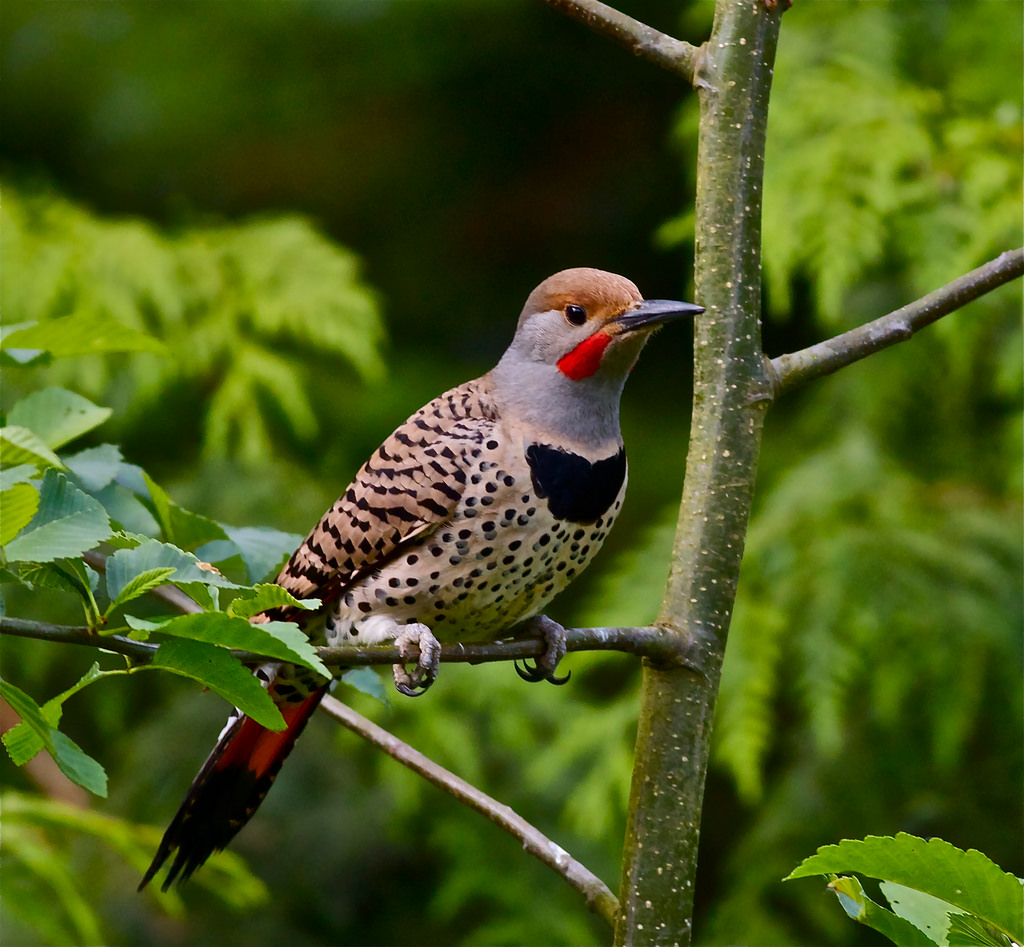
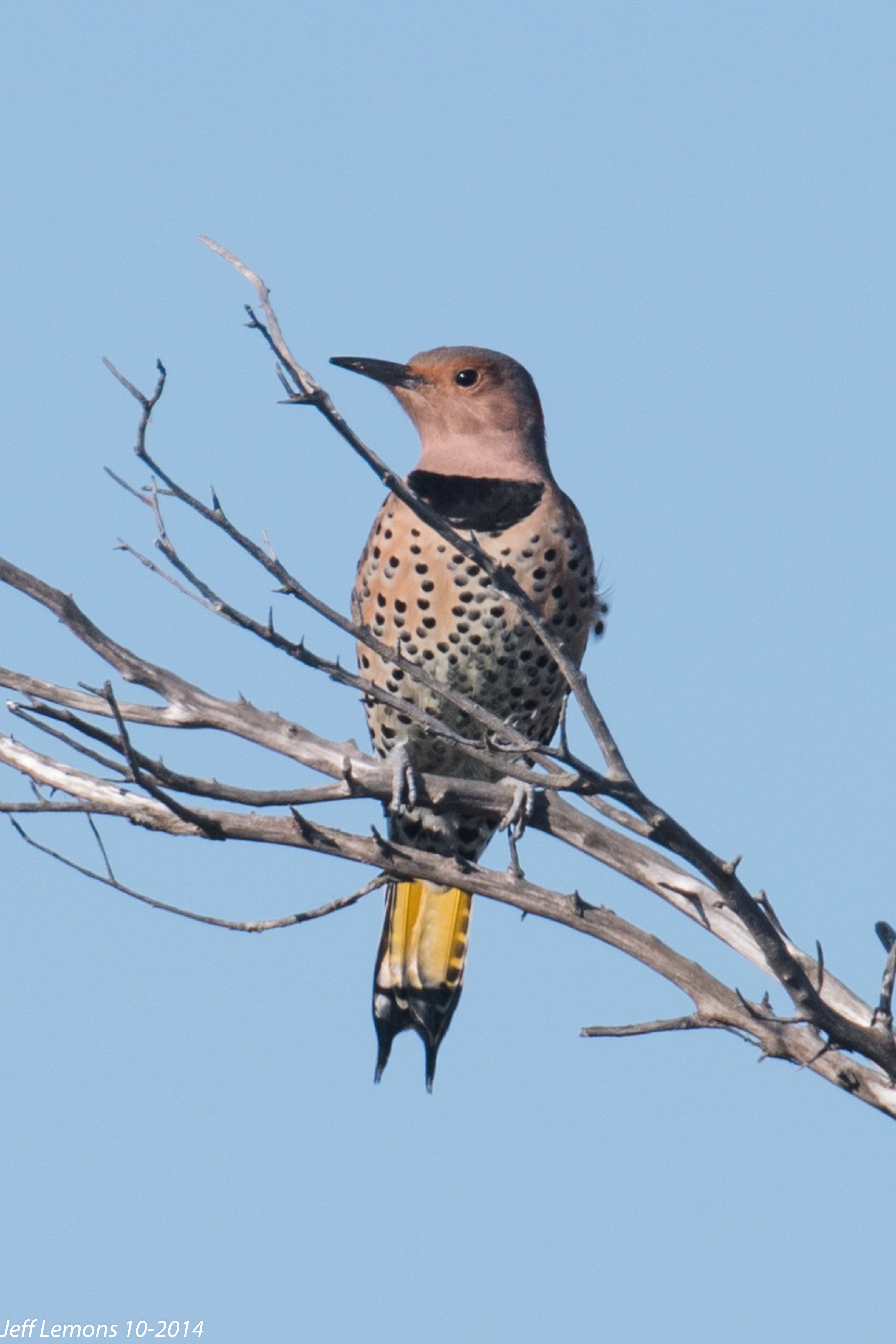
The Northern Flicker (Colaptes auratus) is a medium-sized woodpecker, but unlike many of its tree-climbing relatives, it spends a significant amount of time on the ground, searching for ants and other insects. This unique foraging style often sets it apart. The specific subspecies designated as Alabama’s state bird is the yellow-shafted flicker, distinguishable by the bright yellow undersides of its flight and tail feathers, which become particularly prominent during flight.
Key characteristics that make the Northern Flicker stand out include:
- Appearance: Its plumage is a mosaic of browns, grays, and black. It has a barred back, a black crescent on its chest, and a spotted belly. Males feature a distinctive black mustache stripe, while both sexes exhibit a red patch on the nape of their neck. The yellow flash under its wings and tail is perhaps its most iconic feature.
- Size: Averaging around 11 to 12 inches in length with a wingspan of up to 20 inches, it’s a relatively large and robust bird.
- Habitat: While it can be found in various environments, including open woodlands, suburban parks, and even urban gardens, it prefers areas with a mix of open ground and trees. This adaptability contributes to its widespread presence across Alabama.
- Diet: Primarily insectivorous, the Northern Flicker’s diet consists mainly of ants, grubs, and other ground-dwelling insects. Its long, barbed tongue is perfectly adapted for extracting insects from crevices. During colder months, it may supplement its diet with berries and seeds.
- Vocalizations: Its calls are as distinctive as its appearance, ranging from a loud, ringing “kik-kik-kik” to a rapid, echoing “wicka-wicka-wicka,” which gives it another common nickname: the “wick-up.”
Observing a Northern Flicker in its natural habitat is a treat for any visitor. Their characteristic undulating flight pattern, often accompanied by flashes of yellow, makes them easy to identify, even from a distance.
The Story Behind the Choice
The nickname “Yellowhammer” predates its official designation as the state bird. Its roots trace back to the American Civil War, a pivotal period in Alabama’s history. During the war, a company of Confederate cavalry from Huntsville arrived in Hopkinsville, Kentucky, dressed in new uniforms trimmed with bright yellow cloth. As they rode by, a passing soldier exclaimed, “Yellowhammer, Yellowhammer, flicker, flicker!” The soldiers were likened to the Northern Flicker with its distinctive yellow underwings.
This playful comparison quickly stuck, and soon, all Alabama soldiers became known as “Yellowhammers.” The term became a symbol of courage and resilience for the state’s troops. After the war, the nickname remained a popular moniker for Alabamians, solidifying its place in the state’s cultural lexicon. It wasn’t until 1927 that the Northern Flicker was officially designated as the state bird, formally linking this avian symbol to the state’s profound historical narrative. This deep historical connection makes seeing a Northern Flicker in Alabama not just a wildlife sighting but a brush with living history.
Where to Witness the Northern Flicker in Alabama
For travelers keen on experiencing Alabama’s natural wonders, spotting the Northern Flicker is an achievable and rewarding goal. Given its adaptability, the bird can be found across various landscapes, from coastal plains to mountainous regions. Integrating birdwatching into your itinerary can add an enriching dimension to your Alabama travel experience, offering quiet moments of connection with nature.
Top Birdwatching Destinations
Alabama is a birder’s paradise, home to over 400 species of birds, thanks to its diverse ecosystems and position on critical migratory routes. Many state parks, national forests, and wildlife refuges provide excellent opportunities to observe the Northern Flicker and countless other species.
- Dauphin Island: Often referred to as “the Bird Sanctuary of Alabama,” Dauphin Island is a crucial stopover point for migratory birds crossing the Gulf of Mexico. Its unique position makes it an exceptional place for birdwatching, especially during spring and fall migrations. The Audubon Bird Sanctuary on the island is a prime location to spot flickers and an array of other species.
- Gulf State Park (Gulf Shores/Orange Beach): This expansive park on the Alabama Gulf Coast offers diverse habitats, including beaches, dunes, maritime forests, and freshwater lakes. The trails within the park, particularly those around Lake Shelby, are excellent for spotting woodpeckers, including the Northern Flicker. The park also offers excellent accommodation options at The Lodge at Gulf State Park.
- Bon Secour National Wildlife Refuge (Gulf Shores): Another coastal gem, this refuge preserves crucial habitats for migratory birds and endangered species. Its walking trails lead through pine forests, wetlands, and dunes, where flickers are commonly seen foraging on the ground.
- Cheaha State Park (Talladega): Located atop Mount Cheaha, Alabama’s highest point, this park offers stunning mountain views and diverse forest habitats within the Talladega National Forest. The cooler climate and different tree species provide a varied environment for birdlife, including the Northern Flicker.
- Monte Sano State Park (Huntsville): Overlooking the city of Huntsville, this park offers miles of hiking and biking trails through forested terrain. It’s a fantastic spot for casual birdwatching, where flickers can often be seen and heard.
- De Soto State Park and Little River Canyon National Preserve (Fort Payne): In the northeastern part of the state, these parks offer dramatic waterfalls, deep canyons, and lush forests. The varied terrain supports a rich diversity of bird species, making them excellent choices for nature photography and birding.
Essential Gear for Your Avian Adventure
To make the most of your birdwatching experience in Alabama, consider packing a few essentials:
- Binoculars: A good pair of binoculars is indispensable for getting a closer look at birds without disturbing them.
- Field Guide: A regional bird guide will help you identify the Northern Flicker and other species you encounter.
- Camera: For capturing those memorable moments, especially if you’re interested in wildlife photography.
- Comfortable Footwear: Many of the best birding spots involve walking on trails.
- Water and Snacks: Hydration and energy are key for extended outings.
- Insect Repellent: Especially important in wooded or wetland areas, particularly during warmer months.
Joining a guided birding tour, often available through local nature centers or Audubon Society chapters, can provide expert insights and increase your chances of spotting specific species.
Beyond the Bird: Exploring Alabama’s Natural Wonders and Cultural Riches
While the pursuit of the Northern Flicker offers a unique lens through which to explore Alabama, the state is brimming with attractions that cater to every type of traveler. From historical landmarks to culinary delights, Alabama promises a travel experience that is as diverse as its landscapes.
Iconic Landmarks and Outdoor Escapes
Alabama’s diverse geography means there’s an outdoor adventure for everyone. Beyond the birding hotspots, you can explore:
- The U.S. Space & Rocket Center (Huntsville): A must-visit for space enthusiasts, home to one of the largest collections of rockets and space memorabilia in the world. It’s an iconic landmark in a city renowned for its contributions to space exploration.
- Birmingham Civil Rights Institute (Birmingham): For a profound historical experience, delve into the heart of the Civil Rights Movement. The institute, alongside the 16th Street Baptist Church and Kelly Ingram Park, forms a powerful testament to the struggle for equality. Further south, the Civil Rights Memorial in Montgomery and the historic Edmund Pettus Bridge in Selma are equally significant.
- USS Alabama Battleship Memorial Park (Mobile): Explore a legendary battleship, a submarine, and an impressive collection of aircraft at this popular park in Mobile. It’s an engaging attraction for history buffs and families.
- The Robert Trent Jones Golf Trail: For golf enthusiasts, this trail offers some of the most spectacular and affordable public golf courses in the United States, spread across various locations in the state. Each course is a landmark in itself, designed by renowned golf course architect Robert Trent Jones Sr..
- Dismals Canyon (Phil Campbell): A privately owned natural conservatory known for its “dismalites” – tiny bioluminescent organisms that glow in the dark, creating a magical, otherworldly experience after sunset.
- Noccalula Falls Park (Gadsden): Home to a stunning 90-foot waterfall, this park offers scenic trails, a pioneer village, and a botanical garden, perfect for a relaxing day trip.
Southern Hospitality and Culinary Delights
Alabama is renowned for its warm Southern hospitality and a culinary scene that ranges from classic comfort food to innovative fine dining.
- Fresh Seafood: Especially along the Gulf Coast in cities like Mobile, Gulf Shores, and Orange Beach, you’ll find an abundance of fresh shrimp, oysters, and fish. Don’t miss the National Shrimp Festival if your visit aligns in October.
- Barbecue: Alabama is a barbecue stronghold, with distinct regional styles. From smoky pork to tangy chicken, every town has its beloved local joint.
- Southern Staples: Enjoy traditional dishes like fried green tomatoes, collard greens, grits, and pecan pie.
- Craft Breweries and Distilleries: The state has seen a boom in craft beverage production, offering unique local brews and spirits to savor.
Exploring Alabama’s food scene is an integral part of understanding its culture, making every meal a part of your travel story.
Planning Your Alabama Getaway: Accommodation and Lifestyle
Whether you’re a dedicated birdwatcher, a history buff, or a family seeking adventure, planning your trip to Alabama involves selecting the right accommodation and tailoring your activities to match your lifestyle and budget. The state offers a wide array of options, from luxurious resorts to cozy vacation rentals.
Finding Your Perfect Stay
Alabama’s hospitality sector is diverse, ensuring that every traveler finds a suitable base for their explorations.
- Luxury Resorts and Hotels: For those seeking an indulgent experience, Alabama offers several upscale options. Along the Gulf Coast, the historic Grand Hotel Golf Resort & Spa in Fairhope provides a blend of luxury and Southern charm, while The Lodge at Gulf State Park in Gulf Shores offers eco-friendly beachfront luxury. In Mobile, The Battle House Renaissance Mobile Hotel & Spa stands as a historic landmark. Birmingham offers urban sophistication with hotels like The Elyton Hotel, a Marriott Autograph Collection property. In Montgomery, the Renaissance Montgomery Hotel & Spa at the Convention Center combines elegance with convenience.
- Boutique Hotels and Inns: For a more personalized experience, cities like Fairhope, Florence, and Auburn feature charming boutique hotels and bed & breakfasts. These often reflect the local culture and provide a unique atmosphere. For example, Hotel Finial in Anniston offers a blend of historic charm and modern amenities.
- Vacation Rentals (Villas, Apartments, Cabins): Especially popular along the Gulf Coast, vacation rentals offer flexibility, space, and amenities ideal for families or longer stays. You can find everything from cozy beachfront apartments to sprawling villas. Similarly, cabins in state parks like Cheaha State Park offer a rustic yet comfortable immersion in nature.
- Budget-Friendly Options: Travelers on a budget will find numerous motels, chain hotels, and campgrounds across the state, particularly in major cities and near popular attractions. These options provide comfortable and convenient stays without breaking the bank.
When booking your accommodation, consider its proximity to the attractions you plan to visit, whether it’s a birding sanctuary, a historical site, or a vibrant downtown area. Websites specializing in hotel reviews and comparison tools can help you find the perfect match for your needs.
Tailoring Your Trip: From Luxury to Budget
Alabama offers experiences for every travel lifestyle and budget.
- Luxury Travel: Indulge in gourmet dining, spa treatments at resorts, private guided tours, and premium accommodation like penthouses or private villas. Enjoy rounds of golf on championship courses or charter a boat for a Gulf Coast excursion.
- Budget Travel: Explore free attractions like public parks, scenic drives, and self-guided historical walking tours. Opt for more affordable accommodation like campgrounds or budget hotels. Enjoy local eateries and picnic meals amidst nature.
- Family Trips: Alabama is incredibly family-friendly. Attractions like the Alabama Gulf Coast Zoo in Gulf Shores, the McWane Science Center in Birmingham, and the U.S. Space & Rocket Center provide educational and entertaining experiences for all ages. Many resorts offer kid-friendly amenities and activities.
- Business Stays: Major cities like Birmingham, Montgomery, and Huntsville are equipped with modern convention centers, business-friendly hotels, and convenient access to airports, catering to corporate travelers.
No matter your preference, Alabama provides a canvas for a memorable journey. From the thrill of spotting the iconic Northern Flicker to delving into profound history or simply relaxing on a pristine beach, the “Heart of Dixie” invites you to discover its unique charm and hospitality. So, pack your bags, binoculars in hand, and prepare to be enchanted by the natural beauty and rich stories that await you in Alabama.