
The captivating allure of Florida, often dubbed the Sunshine State, extends far beyond its pristine beaches, world-renowned theme parks, and vibrant cities. For many travelers, the true essence of Florida lies in its rich biodiversity and stunning natural landscapes. From the subtropical wilderness of the Everglades to the ancient live oak forests of the panhandle, the state is a haven for wildlife, particularly its avian inhabitants. Central to Florida’s identity, and a beloved symbol recognized across the United States, is its state bird. For those exploring Florida as a destination, understanding this feathered emblem offers a deeper connection to the local culture, environment, and the myriad of natural attractions that make this state a perpetual magnet for tourists and nature enthusiasts alike.
This article delves into the fascinating world of Florida’s state bird, exploring its characteristics, significance, and how travelers can integrate avian encounters into their Florida adventures. Whether you’re planning a luxurious escape, a budget-friendly family trip, or an immersive eco-tourism experience, learning about the state bird provides a unique lens through which to appreciate the diverse beauty of the Sunshine State.

The Melodious Emblem: Florida’s State Bird Unveiled
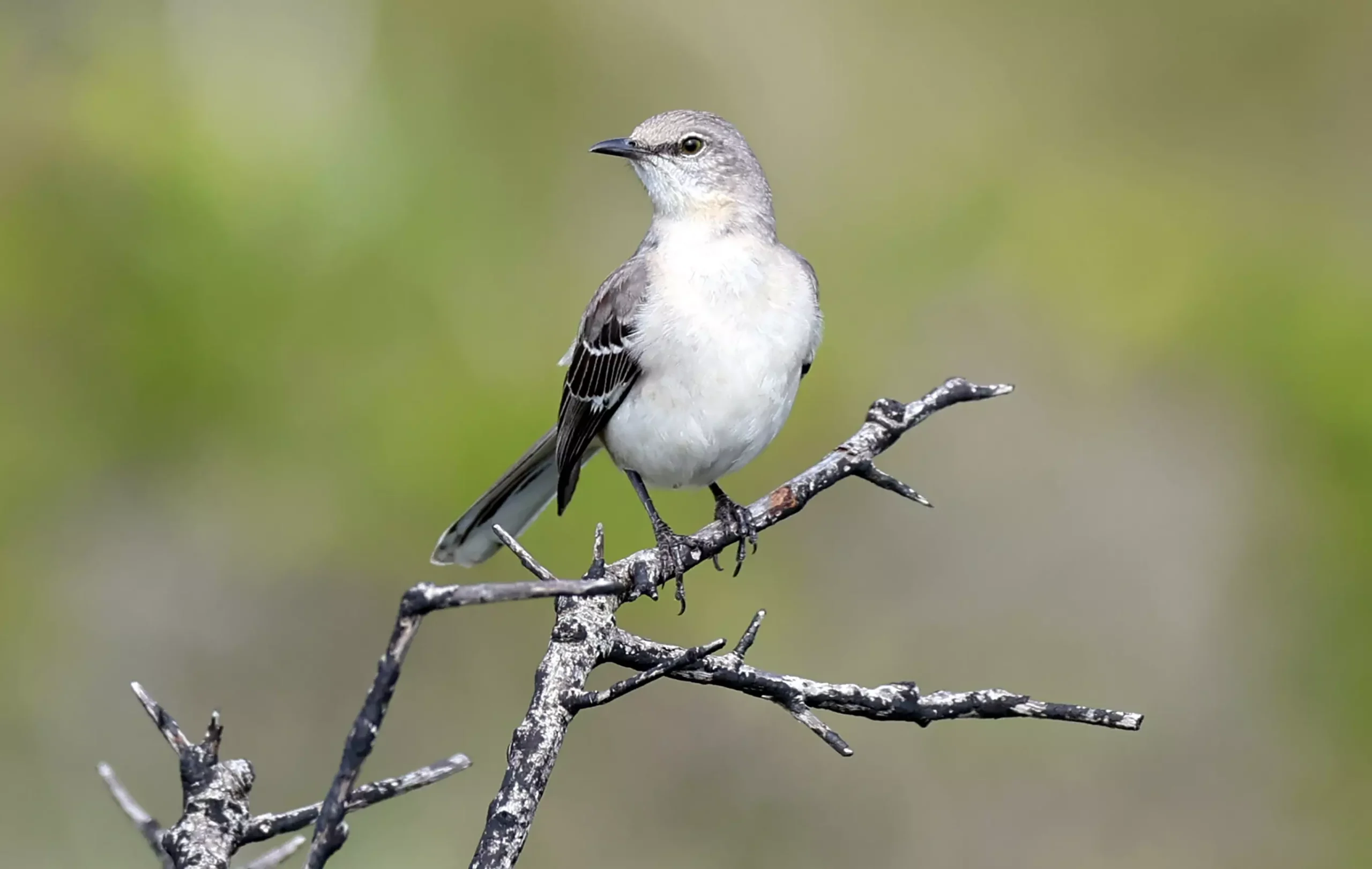
At the heart of Florida’s natural heritage stands a remarkable bird, celebrated for its intelligence, adaptability, and, most famously, its unparalleled vocal prowess. The state bird of Florida is the Northern Mockingbird (Mimus polyglottos), a species that embodies the spirit and resilience of the region.
Discovering the Northern Mockingbird: A Master of Mimicry
The Northern Mockingbird is a medium-sized songbird, characterized by its slender body, long tail, and grayish-brown plumage with lighter underparts. Its most distinctive features are the prominent white patches on its wings, which are particularly noticeable in flight, and its bright yellow eyes. While its appearance is relatively understated, it’s the Northern Mockingbird’s extraordinary vocal abilities that truly set it apart.
The scientific name, Mimus polyglottos, literally translates to “many-tongued mimic,” a fitting description for a bird renowned for its ability to imitate the songs of dozens of other bird species, as well as various environmental sounds like car alarms, barking dogs, and even musical instruments. A single Northern Mockingbird can have a repertoire of up to 200 different songs, often combining phrases from other birds into complex and seemingly endless melodies. Males are particularly vocal, especially during breeding season, when they can sing day and night to attract mates and defend their territory. This remarkable auditory display is not just for show; it’s a vital part of their communication and survival strategies, making every encounter with a Northern Mockingbird a unique auditory experience.
These adaptable birds thrive in a variety of habitats, from suburban gardens and urban parks to agricultural lands and natural scrublands. Their diet is diverse, consisting primarily of insects during the breeding season and shifting to fruits and berries in the fall and winter. Their prevalence across Florida makes them a common and cherished sight for residents and visitors alike, easily spotted perched atop fences, power lines, or the highest branches of trees, proudly belting out their intricate songs.
Why the Mockingbird? A Symbol of the Sunshine State’s Spirit
The Northern Mockingbird was officially designated as Florida’s state bird in 1927. This decision was not made in isolation; it reflects a broader appreciation for the bird across the southern United States, where it holds similar status in four other states: Arkansas, Mississippi, Tennessee, and Texas. Its widespread presence and distinctive song made it a natural choice, embodying the lively and vibrant character often associated with Florida.
The selection of the Northern Mockingbird as the state bird speaks to its intrinsic connection with the landscape and the people of Florida. It represents not only the rich natural heritage but also qualities of resourcefulness and adaptability. Its ability to mimic and integrate sounds from its environment can be seen as a metaphor for Florida itself—a state that seamlessly blends diverse cultures, natural beauty, and modern development. For tourists seeking authentic Florida experiences, encountering the Northern Mockingbird offers a genuine connection to the local ecosystem and a reminder of the state’s enduring natural charm.
Birdwatching in Florida: A Traveler’s Guide to Natural Wonders
For travelers drawn to the natural world, Florida presents an unparalleled opportunity for birdwatching, often referred to as “birding.” The state’s diverse ecosystems—ranging from coastal mangroves and salt marshes to pine flatwoods and freshwater swamps—support an incredible variety of resident and migratory bird species, including of course, the ever-present Northern Mockingbird. Birdwatching offers a serene yet exciting way to explore the state’s natural landmarks and hidden gems, providing a unique perspective on Florida tourism.
Top Destinations for Avian Encounters in Florida
Florida is dotted with numerous parks, preserves, and wildlife refuges that are world-renowned for their birdlife. Integrating these destinations into your travel itinerary promises memorable encounters:
-
Everglades National Park: A UNESCO World Heritage Site, the Everglades National Park is an essential destination for any nature enthusiast. This vast wetland ecosystem is home to a spectacular array of wading birds, including the majestic Great Blue Heron, the vibrant Roseate Spoonbill, various egrets, and the elusive Snail Kite. Airboat tours, guided walks, and designated boardwalks offer excellent opportunities to spot these birds in their natural habitat, alongside alligators and other fascinating wildlife. The famous Anhinga Trail is particularly productive for close-up views.
-
Merritt Island National Wildlife Refuge: Located near Titusville on the Atlantic coast, adjacent to the Kennedy Space Center, this refuge is a critical habitat for over 330 species of birds. Its diverse landscape of salt marsh, freshwater impoundments, scrub, and pine flatwoods attracts large concentrations of wintering waterfowl, shorebirds, and raptors. The Black Point Wildlife Drive is a fantastic self-guided tour that provides excellent viewing opportunities from the comfort of your vehicle.
-
Corkscrew Swamp Sanctuary: Near Naples, this Audubon-managed sanctuary boasts the largest remaining old-growth cypress forest in North America. A 2.25-mile boardwalk allows visitors to immerse themselves in this ancient ecosystem, where they can observe diverse birdlife, including the endangered Wood Stork and various woodpeckers, owls, and warblers, amidst stunning natural beauty.
-
Ding Darling National Wildlife Refuge: Situated on Sanibel Island, off the coast of Fort Myers, this refuge is a premier birdwatching destination, especially during migratory seasons. Its mangrove forests, seagrass beds, and estuarine waters are feeding grounds for countless wading birds, shorebirds, and ducks. The four-mile scenic Wildlife Drive and several walking trails offer superb opportunities for photography and observation.
-
St. Marks National Wildlife Refuge: Located south of Tallahassee, this refuge is one of the oldest in the United States, protecting vast expanses of salt marsh, freshwater pools, and coastal forests. It’s a critical stopover for migratory birds along the Atlantic Flyway and an excellent place to spot eagles, ospreys, and a wide variety of waterfowl.
Integrating Birdwatching into Your Florida Itinerary
Birdwatching can seamlessly blend into any Florida travel plan, whether you’re embarking on a solo adventure, a romantic getaway, or a family vacation. Here are a few tips to enhance your avian encounters:
- Best Time to Visit: While Florida offers birding opportunities year-round, the fall and winter months (October to March) are particularly fruitful. During this time, migratory species swell the bird populations, and the cooler, drier weather makes outdoor exploration more comfortable.
- Essential Gear: A good pair of binoculars is indispensable. A field guide specific to Florida birds will help you identify species, and a camera with a zoom lens can capture stunning close-ups. Don’t forget comfortable walking shoes, insect repellent, and plenty of water, especially during warmer months.
- Guided Tours: Many parks and refuges offer guided birding walks or boat tours led by experienced naturalists. These tours can greatly enhance your understanding of the local ecosystem and increase your chances of spotting rarer species. Consider booking through local tourism operators or directly with the park services.
- Respect Wildlife: Always observe birds from a respectful distance to avoid disturbing them. Stay on marked trails, refrain from feeding wildlife, and minimize noise to ensure a natural experience for both you and the birds.
Lifestyle and Accommodation: Experiencing Florida’s Nature in Comfort
Embracing Florida’s natural side, particularly its vibrant birdlife, doesn’t mean sacrificing comfort or luxury. The state’s diverse accommodation options cater to every lifestyle, from rustic eco-lodges nestled deep within nature to upscale resorts offering guided nature experiences. Integrating your passion for birdwatching with your lodging choices can elevate your entire travel experience.
Eco-Friendly Stays and Resorts for Nature Lovers
For travelers seeking to immerse themselves fully in Florida’s natural beauty while minimizing their environmental footprint, a growing number of eco-friendly hotels and resorts provide ideal accommodations. These establishments often emphasize sustainable practices, offer proximity to natural attractions, and sometimes even provide on-site nature programs.
- Boutique Hotels and Inns: Many smaller, independently owned hotels and inns, particularly in towns like Cedar Key, Micanopy, or near the Keys, offer a charming base for exploring nearby birding hotspots. They often feature local aesthetics and a more personalized experience.
- Eco-Lodges and Nature Resorts: Look for accommodations that are specifically designed for nature enthusiasts. These might include properties near the Everglades or Big Cypress National Preserve, offering cabins, cottages, or rooms with direct access to trails or waterways. Some, like the Flamingo Lodge & Restaurant within Everglades National Park, offer unparalleled access to wildlife viewing.
- Vacation Rentals and Villas: For families or groups, renting a villa or a private home in nature-rich areas like Sarasota (known for Myakka River State Park) or the Florida Panhandle allows for a more personalized and flexible stay. Many properties come with spacious yards or balconies, perfect for spotting local birds right from your accommodation.
- Luxury Hotels with Nature Programs: Even some high-end resorts, particularly those in areas like Amelia Island or Palm Beach, have begun incorporating guided nature walks, bird identification sessions, or partnerships with local conservancies to offer guests exclusive access to nature experiences. For example, resorts along the St. Johns River might offer kayak tours that focus on riverine birdlife.
When selecting accommodation, consider proximity to known birding sites, on-site amenities like nature trails or observation decks, and the hotel’s commitment to sustainable tourism. Reading reviews that mention nature access or quiet environments can also guide your choice.
Beyond Birdwatching: Other Nature-Inspired Activities
A trip to Florida focused on its natural wonders doesn’t have to stop at birdwatching. The state offers a wealth of activities that complement avian observation, enriching your overall experience and catering to various interests and fitness levels:
- Kayaking and Canoeing: Explore Florida’s intricate network of rivers, springs, and coastal estuaries by kayak or canoe. Paddling silently through mangrove tunnels or along serene waterways provides a unique vantage point for observing birds and other aquatic wildlife, often allowing for much closer encounters than on land. Popular spots include Weeki Wachee Springs State Park (known for manatees and clear waters) and the Great Calusa Blueway in Southwest Florida.
- Hiking and Biking: Florida’s state parks and national forests, such as Ocala National Forest and Paynes Prairie Preserve State Park, offer extensive trail systems for hiking and biking. These trails lead through diverse habitats, providing opportunities to discover not just birds but also other wildlife, native plants, and unique geological features.
- Wildlife Photography: For the avid photographer, Florida is a paradise. The abundant and often approachable wildlife, especially in designated refuges, offers endless opportunities for capturing stunning images. From the colorful plumage of a Painted Bunting to the dramatic silhouette of an Osprey diving for fish, the photographic possibilities are immense.
- Boat Tours and Airboat Rides: While airboat rides can be noisy, many operators in the Everglades and other wetland areas offer ecotourism-focused tours that emphasize wildlife viewing and education. More serene boat tours, like those in Wakulla Springs State Park, provide a calm way to see birds and other wildlife from the water.
- Stargazing: Away from the bright lights of Miami or Orlando, Florida’s natural parks offer incredible opportunities for stargazing. Combine an evening of looking for nocturnal birds like owls with an awe-inspiring view of the night sky, particularly in designated dark sky parks like Kissimmee Prairie Preserve State Park.
Embracing these diverse activities allows travelers to curate a comprehensive lifestyle experience that celebrates the natural wonders of Florida. Whether your interest lies primarily in the state bird or the broader spectrum of ecological offerings, Florida stands ready to deliver an unforgettable journey into the heart of nature.
In conclusion, the Northern Mockingbird is far more than just a state bird; it is a living symbol of Florida’s vibrant natural spirit and an invitation for travelers to explore the state’s hidden depths. By focusing on birdwatching and other nature-centric activities, visitors can unlock a different, often more profound, side of the Sunshine State, discovering its unique ecosystems, diverse wildlife, and the serene beauty that lies beyond the typical tourist paths. From choosing eco-friendly accommodation to venturing into world-class wildlife refuges, a trip centered around Florida’s feathered residents promises a rich, rewarding, and truly memorable travel experience. So, pack your binoculars, prepare to be serenaded, and set off on an adventure to discover the melodious heart of Florida.
LifeOutOfTheBox is a participant in the Amazon Services LLC Associates Program, an affiliate advertising program designed to provide a means for sites to earn advertising fees by advertising and linking to Amazon.com. Amazon, the Amazon logo, AmazonSupply, and the AmazonSupply logo are trademarks of Amazon.com, Inc. or its affiliates. As an Amazon Associate we earn affiliate commissions from qualifying purchases.