
When one imagines the idyllic shores of Hawaii, visions of swaying palm trees, pristine beaches, and vibrant coral reefs often come to mind. Yet, tucked amidst this tropical paradise is a creature of remarkable resilience and beauty, a symbol of the islands’ unique natural heritage: the Nēnē, or Hawaiian Goose. This captivating bird, found nowhere else on Earth, holds the distinguished title of Hawaii’s state bird, embodying the spirit of conservation and the delicate balance of its ecosystem. For travelers venturing to these stunning islands, understanding the Nēnē’s story offers a deeper connection to the land, enriching their experience beyond the typical tourist attractions and luxurious accommodations.
The journey to discover Hawaii’s avian emblem is more than just learning a fact; it’s an invitation to explore the lush landscapes, vibrant culture, and dedicated conservation efforts that define this Pacific gem. From the volcanic peaks of the Big Island to the verdant cliffs of Kauai, the presence of the Nēnē serves as a poignant reminder of the islands’ rich biodiversity and the ongoing commitment to preserving it for future generations. Whether you’re planning a luxurious escape, an adventurous family trip, or a budget-friendly solo journey, incorporating an appreciation for Hawaii’s natural wonders, including its beloved state bird, elevates any travel experience into something truly unforgettable.
Unveiling Hawaii’s Avian Emblem: The Nēnē
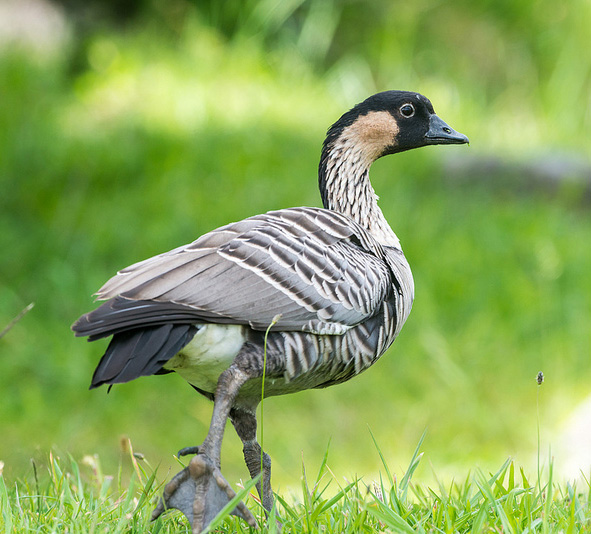
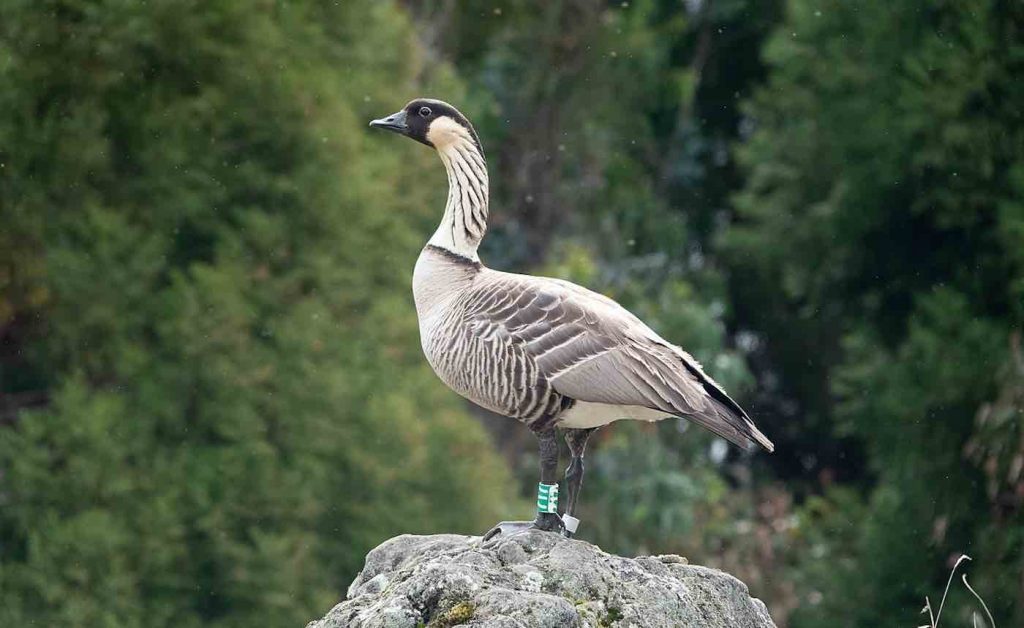
The Nēnē (Branta sandvicensis) is not just any goose; it’s a marvel of evolution, believed to have descended from the Canada Goose over half a million years ago. Through generations of adaptation to Hawaii’s unique volcanic terrain and absence of ground predators, the Nēnē evolved distinct characteristics, most notably its partially webbed feet, a trait perfectly suited for navigating lava flows rather than extensive swimming. Its striking appearance, with a black head and neck, buff cheeks, and deeply furrowed neck feathers, makes it easily recognizable. However, it’s the bird’s incredible journey from the brink of extinction that truly defines its significance as Hawaii’s state bird.
The Nēnē’s story is intertwined with the islands’ own history, a narrative of pristine isolation giving way to human arrival and its subsequent ecological challenges. Early Polynesian settlers and later European explorers introduced non-native species, profoundly impacting the fragile ecosystem. The introduction of predators like mongooses, cats, and pigs, coupled with habitat loss due to agriculture and development, decimated the Nēnē population. By the mid-20th century, fewer than 30 Nēnē were left in the wild, pushing this unique species to the precipice of extinction. This dire situation galvanized an unprecedented conservation effort, demonstrating the profound dedication of the people of Hawaii and conservationists worldwide to protect their natural heritage.
A Legacy of Survival and Conservation
The conservation of the Nēnē stands as one of the most successful avian recovery stories in the world. Extensive captive breeding programs, spearheaded by dedicated scientists and organizations, began in the 1950s. Birds were carefully bred in zoological parks and wildlife sanctuaries, and their offspring were gradually reintroduced into protected areas across the islands. This painstaking process involved not only breeding but also habitat restoration, predator control, and public awareness campaigns. The National Park Service, along with local agencies and numerous volunteers, played a crucial role in bringing the Nēnē back from the edge.
Today, thanks to these tireless efforts, the wild Nēnē population has rebounded to over 3,000 individuals. While still considered endangered, their numbers are steadily increasing, a testament to the power of sustained conservation. For visitors interested in responsible tourism and eco-travel, learning about the Nēnē’s recovery offers a compelling narrative and a chance to witness living history. It encourages travelers to engage with local conservation initiatives, perhaps by visiting interpretive centers or choosing eco-friendly accommodations that support local environmental programs. The Nēnē is not just a bird; it’s a living symbol of hope, resilience, and the enduring beauty of Hawaii’s natural world, urging us to protect what is precious.
Where to Spot the Nēnē in its Natural Habitat
For nature enthusiasts and curious travelers alike, spotting a Nēnē in its natural habitat is a truly rewarding experience. These gentle birds can be found on several of the Hawaiian islands, primarily Maui, the Big Island (the Island of Hawaii), and Kauai. Each island offers distinct landscapes and opportunities for observation.
On Maui, one of the best places to encounter the Nēnē is within Haleakalā National Park. Here, amidst the otherworldly volcanic crater and lush cloud forests, these birds roam freely. Visitors often spot them near trails or along the roadsides, particularly in the early morning or late afternoon. The park’s diverse ecosystems make it a premier destination for nature lovers, combining the thrill of birdwatching with breathtaking panoramic views.
The Big Island is another stronghold for the Nēnē, particularly within Hawaii Volcanoes National Park. As you explore the dramatic landscapes of active volcanoes and ancient lava fields, keep an eye out for the Nēnē foraging in grassy areas. The stark beauty of the volcanic environment provides a unique backdrop for observing these fascinating birds. Additionally, protected areas and even some golf courses on the Big Island have healthy populations.
On Kauai, often called the “Garden Isle,” the Nēnē can be found in various wetland areas and coastal plains. Conservation efforts here have been particularly successful, and visitors may spot them in unexpected places, a testament to their adaptability and the island’s lush environment. When observing the Nēnē, it’s crucial to remember that they are an endangered species. Maintaining a respectful distance, avoiding feeding them, and adhering to park regulations ensures their continued safety and well-being. These simple actions contribute to sustainable tourism and allow future generations to marvel at Hawaii’s cherished state bird.
Beyond the Birds: Exploring Hawaii’s Natural Wonders and Cultural Riches
While the Nēnē offers a fascinating entry point into Hawaii’s unique ecology, the islands boast an unparalleled array of natural wonders and a vibrant cultural tapestry that beckon travelers from across the globe. From the bustling streets of Honolulu to the serene beaches of Lanai, each island presents its own distinct charm and a multitude of experiences. Planning a trip to Hawaii means immersing oneself in a world where ancient traditions meet modern luxury, where breathtaking landscapes provide the backdrop for unforgettable adventures.
The allure of Hawaii lies not just in its postcard-perfect scenery but also in its deep-rooted cultural heritage. Local culture, with its emphasis on aloha (love, peace, compassion), ohana (family), and malama aina (care for the land), permeates every aspect of island life. Engaging with this culture through local food, traditional performances, and community activities offers a more profound and authentic travel experience. Whether you’re a first-time visitor or a seasoned explorer, Hawaii’s blend of natural beauty and rich history promises an enriching journey.
Iconic Landmarks and Breathtaking Landscapes
Hawaii’s landscape is a testament to the raw power of nature, shaped by volcanic activity and millennia of erosion. The islands are home to some of the world’s most recognizable landmarks, each offering a unique perspective on the archipelago’s diverse geography.
On Oahu, the iconic silhouette of Diamond Head (Le’ahi) stands sentinel over Waikiki Beach and Honolulu. Hiking to its summit provides panoramic views of the city and coastline, a quintessential Hawaii experience. Nearby, Pearl Harbor offers a somber yet profoundly important historical landmark, inviting reflection on a pivotal moment in global history. The North Shore of Oahu, renowned for its legendary surf breaks, draws adventurers and spectators alike, particularly during the winter months.

The Big Island, as its name suggests, is a land of superlatives. Beyond Hawaii Volcanoes National Park where the Nēnē resides, it hosts Mauna Kea, the world’s tallest sea mountain when measured from its base on the ocean floor. Its summit, often snow-capped, offers unparalleled stargazing opportunities. The diverse climate zones here, from black sand beaches in Punaluʻu to lush rainforests, demonstrate the incredible ecological variety within a single island.
Maui is celebrated for its stunning Road to Hana, a winding coastal drive that reveals hidden waterfalls, bamboo forests, and breathtaking ocean vistas. The drive to Haleakalā’s summit, especially for sunrise or sunset, is an unforgettable spiritual experience, offering views above the clouds. Kauai enchants with the dramatic Na Pali Coast, a testament to nature’s artistry, best viewed by boat, helicopter, or a challenging hike along the Kalalau Trail. The Waimea Canyon, often called the “Grand Canyon of the Pacific,” presents a spectacular kaleidoscope of colors and geological formations. Exploring these landmarks provides not just scenic beauty but also a deep appreciation for the forces that shaped these remarkable islands.
Immersive Experiences and Local Tourism
To truly embrace the spirit of Hawaii, travelers should seek out immersive experiences that delve into local culture and foster sustainable tourism. This goes beyond simply visiting attractions; it involves engaging with the community and understanding the nuances of island life.
Food Culture: Hawaii’s culinary scene is a delightful fusion of Polynesian, Asian, and American influences, often referred to as “Pacific Rim cuisine.” From plate lunches and poke bowls to fresh seafood and farm-to-table dining, the food tells a story of the islands’ diverse population. Exploring local farmers’ markets, like the ones in Kona or Lahaina, allows travelers to taste fresh produce and interact with local vendors. Attending a traditional luau provides not only a feast but also a captivating display of hula dancing, music, and storytelling, offering insight into Hawaiian traditions.
Activities and Adventures: Hawaii is an adventurer’s playground. Surfing lessons on Waikiki Beach, snorkeling or diving in the pristine waters of Molokini Crater off Maui, hiking through lush rainforests to hidden waterfalls on Kauai, or kayaking along the coast of Molokai are just a few examples. For those seeking relaxation, wellness retreats focusing on traditional Hawaiian healing practices offer a tranquil escape. Budget travel can often involve choosing free activities like beach hopping, scenic drives, and exploring local parks.
Cultural Engagement: Visiting cultural centers, taking a hula lesson, or learning a few basic Hawaiian phrases like “Aloha” and “Mahalo” (thank you) can significantly enhance your experience. Supporting local artists and craftspeople by purchasing authentic souvenirs ensures that your tourism dollars directly benefit the community. Participating in volunteer opportunities, such as beach cleanups or habitat restoration, aligns with the malama aina philosophy and contributes to the preservation of Hawaii’s natural beauty, including the delicate habitats of the Nēnē.
Planning Your Hawaiian Escape: Accommodation and Lifestyle
Embarking on a journey to Hawaii requires thoughtful planning, especially when it comes to accommodation and designing a lifestyle experience that aligns with your desires. Whether you envision a lavish honeymoon, an adventurous family trip, or a peaceful solo retreat, Hawaii offers a spectrum of options to suit every taste and budget. The right choice of accommodation can significantly shape your travel experience, transforming a simple stay into an integral part of your Hawaiian adventure.
Navigating the various islands and their unique offerings is key to tailoring your perfect trip. From the vibrant energy of Oahu to the tranquil serenity of Lanai, each destination caters to different travel styles. Understanding these distinctions allows you to select not just a place to stay, but a base from which to explore the landscapes, immerse in the culture, and live out your ideal Hawaiian lifestyle.
From Luxury Resorts to Budget-Friendly Stays
Hawaii’s accommodation landscape is as diverse as its scenery, ranging from world-class luxury resorts to charming boutique hotels, vacation rentals, and budget-friendly hostels.
Luxury Travel: For those seeking an indulgent escape, Hawaii is home to some of the most opulent resorts in the world. Properties like the Four Seasons Resort Maui at Wailea or the St. Regis Princeville Resort on Kauai offer unparalleled service, exquisite dining, private villas, and breathtaking oceanfront views. These resorts often come equipped with amenities such as championship golf courses, lavish spas, multiple swimming pools, and exclusive access to activities. They cater to travelers looking for a pampering experience where every detail is taken care of, allowing for a truly relaxed and luxurious lifestyle.
Mid-Range Options: A vast selection of hotels and resorts falls into the mid-range category, offering comfort and convenience without the premium price tag. Chains like Hilton Hawaiian Village Waikiki Beach Resort or properties managed by Aqua-Aston Hotels & Resorts provide excellent value, often with amenities like swimming pools, on-site restaurants, and easy access to attractions. These are ideal for family trips, couples, or solo travelers seeking a balance between comfort and cost.
Budget-Friendly Stays: For budget travelers, Hawaii still offers viable options. Hostels, particularly in Honolulu and other urban centers, provide affordable dormitory-style accommodations and private rooms. Vacation rentals through platforms like Airbnbs and Vrbo can be cost-effective, especially for longer stays or groups, providing the flexibility of self-catering. Camping is also an option in designated state and county parks for the truly adventurous, offering an immersive way to experience Hawaii’s natural beauty, perhaps even waking up to the sounds of native birds like the Nēnē in specific protected areas. Booking in advance and comparing reviews are crucial steps to finding the best deals and ensuring a comfortable stay regardless of your budget.
Designing Your Dream Hawaiian Lifestyle
Your Hawaiian vacation is more than just a trip; it’s an opportunity to embrace a temporary lifestyle tailored to your preferences. Whether you dream of endless adventure, serene relaxation, or a deep dive into local culture, Hawaii can accommodate.
Adventure Lifestyle: For the thrill-seeker, Hawaii offers a playground of activities. Imagine waking up in a boutique hotel in Paia, Maui, hitting the waves for a surf session, then hiking through a lush rainforest in the afternoon, followed by a sunset zipline tour. This lifestyle emphasizes exploration, physical activity, and connecting with Hawaii’s dynamic natural environment.
Relaxation and Wellness Lifestyle: If tranquility is your goal, envision a stay in a private villa on Lanai or a secluded resort on the North Shore of Kauai. Your days could involve sunrise yoga on the beach, spa treatments using traditional Hawaiian botanicals, leisurely swims, and gourmet meals enjoyed with ocean views. This lifestyle is about rejuvenation, mindfulness, and savoring the peaceful rhythms of island life.
Cultural Immersion Lifestyle: For those who wish to delve deeper into the local culture, a stay in a locally owned apartment in a neighborhood like Kaimuki in Honolulu could be ideal. Spend your mornings learning about Hawaiian history at Bishop Museum, your afternoons volunteering with a conservation group, and your evenings attending local music events or culinary workshops. This approach allows for authentic interaction with the community and a deeper understanding of Hawaii’s rich traditions.
Regardless of the lifestyle you choose, incorporating responsible travel practices is essential. This includes respecting local customs, supporting local businesses, minimizing your environmental footprint, and appreciating the delicate ecosystems that sustain unique species like the Nēnē. By consciously planning your accommodation, activities, and interactions, you can create a truly memorable and meaningful Hawaiian experience that not only fulfills your travel dreams but also contributes positively to the islands you visit. Hawaii, with its stunning landscapes, vibrant culture, and enduring spirit of aloha, promises an adventure like no other, inviting you to discover its wonders, including the graceful state bird that symbolizes its resilience and beauty.
LifeOutOfTheBox is a participant in the Amazon Services LLC Associates Program, an affiliate advertising program designed to provide a means for sites to earn advertising fees by advertising and linking to Amazon.com. Amazon, the Amazon logo, AmazonSupply, and the AmazonSupply logo are trademarks of Amazon.com, Inc. or its affiliates. As an Amazon Associate we earn affiliate commissions from qualifying purchases.