
When one thinks of the vibrant and culturally rich state of Louisiana, images of lively Mardi Gras parades, the soulful sounds of jazz, and the delectable flavors of Cajun and Creole cuisine often come to mind. But beyond the bustling streets of New Orleans and the scenic beauty of the Atchafalaya Basin, lies a natural heritage that is equally captivating. A significant, yet sometimes overlooked, aspect of this heritage is the state bird, a creature that embodies the very spirit of this unique American state. The answer to “What Is The State Bird Of Louisiana?” is the Eastern Brown Pelican.
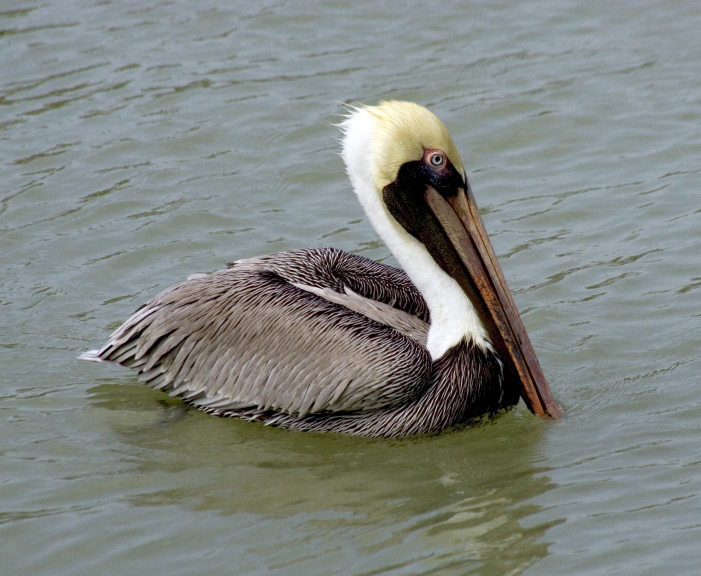
This magnificent seabird, with its distinctive pouch and graceful flight, is more than just an emblem; it is a symbol deeply intertwined with the history, ecology, and identity of Louisiana. Its presence along the Gulf Coast is a constant reminder of the state‘s connection to the water, its rich marine life, and the importance of preserving its coastal ecosystems.
The Majestic Eastern Brown Pelican: An Icon of Louisiana’s Coast
The Eastern Brown Pelican (Pelecanus occidentalis) is a large water bird recognized by its impressive wingspan, typically ranging from seven to eight feet. Its plumage is a striking combination of dark brown on the back and wings, contrasted with a lighter, often white, head and neck. During the breeding season, the head can develop a yellowish hue. Perhaps its most iconic feature is the elongated bill with a large, elastic throat pouch, used for scooping up fish from the water.
Understanding the Pelican’s Role in Louisiana’s Ecosystem
The Eastern Brown Pelican plays a vital role in the Louisiana coastal ecosystem. As a piscivore, its diet consists primarily of small fish, such as mullet and menhaden, which it catches by diving headfirst into the water from a considerable height. This specialized hunting technique is a remarkable sight and a testament to the bird’s adaptation to its environment. By controlling fish populations, pelicans contribute to the health and balance of the marine food web.
Furthermore, the presence and health of pelican colonies are often indicators of the overall well-being of coastal habitats. These birds require healthy fish stocks and suitable nesting sites, typically on remote islands and sandbars along the coast. When pelican populations thrive, it suggests that their environment is relatively unpolluted and that their food sources are abundant. Conversely, declines in pelican numbers can signal underlying environmental issues that require attention.
The state of Louisiana boasts an extensive coastline along the Gulf of Mexico, providing ideal conditions for pelicans to flourish. From the vast marshes to the barrier islands, these birds find ample opportunities for foraging and nesting. Their visibility along the shorelines and in the skies makes them a familiar and beloved sight for residents and visitors alike.
A Journey Through Time: The Pelican’s Designation as Louisiana’s State Bird
The designation of the Eastern Brown Pelican as the official state bird of Louisiana was a thoughtful decision, reflecting the bird’s ubiquitous presence and importance to the state‘s identity. While the exact historical timeline of its official adoption can be traced through legislative records, the sentiment behind its selection is deeply rooted in the state‘s natural heritage.
The Eastern Brown Pelican was officially adopted as the state bird on July 11, 1966. This designation was not merely symbolic; it also served to highlight the need for conservation efforts to protect this species and its habitat. In the decades prior to this official recognition, pelican populations, like many other seabirds, faced significant threats from pollution, particularly from pesticides like DDT. The harmful effects of these chemicals led to eggshell thinning, causing reproductive failure and a dramatic decline in numbers.
The subsequent recognition and protection efforts for the Eastern Brown Pelican mirror the broader conservation successes seen across the United States following the ban of DDT. The recovery of pelican populations in Louisiana is a testament to the effectiveness of environmental regulations and dedicated conservation initiatives. This resurgence has allowed the Eastern Brown Pelican to reclaim its rightful place as a prominent symbol of the state‘s natural beauty and resilience.
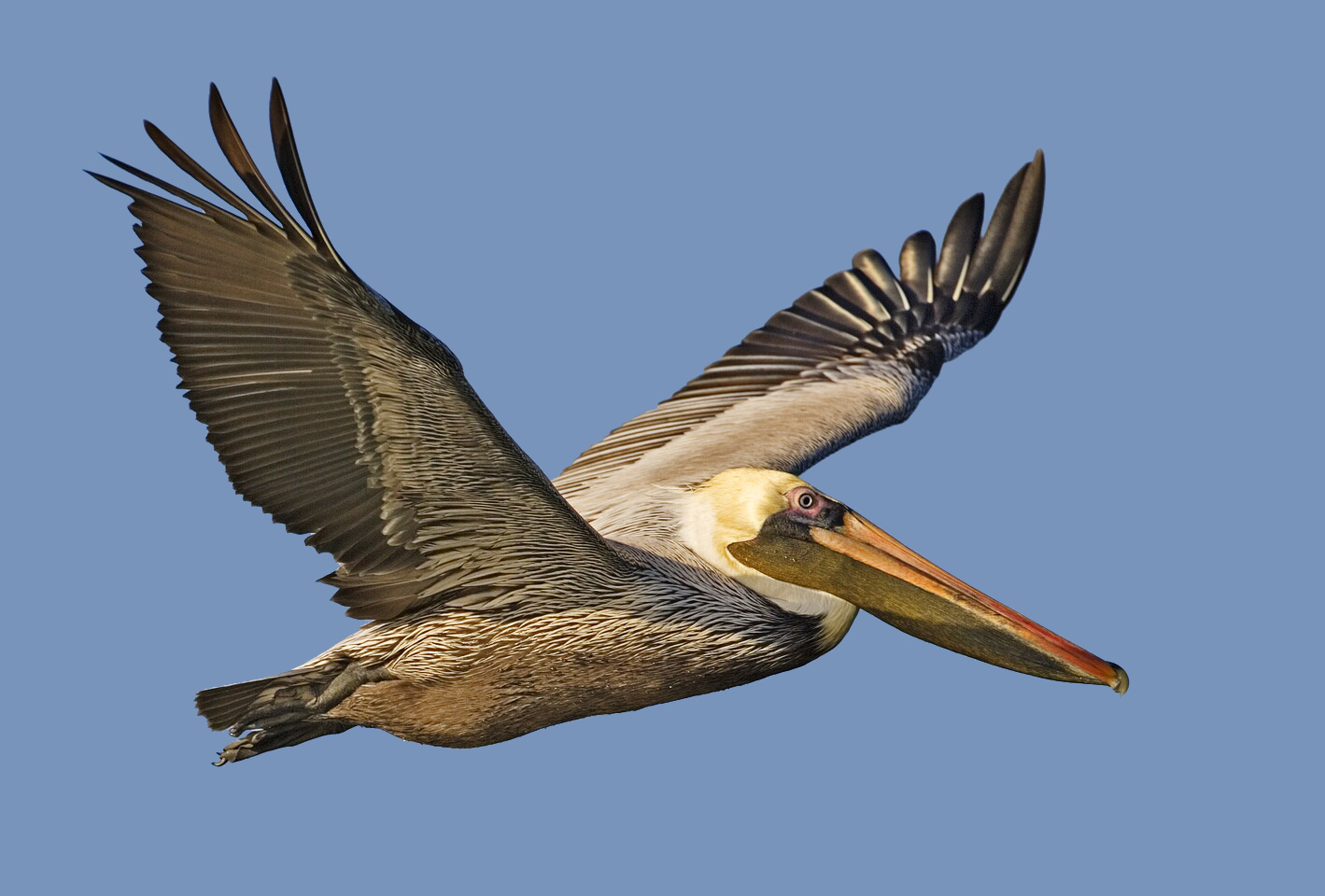
Visiting coastal Louisiana offers numerous opportunities to witness these magnificent birds in their natural habitat. Whether one is exploring the bayous, visiting a state park like Chicot State Park (though this park is inland, its focus on nature aligns with appreciating the state’s fauna), or simply enjoying a day at the beach along the Gulf Coast, spotting a Eastern Brown Pelican is almost a guarantee. They can often be seen perched on jetties, soaring gracefully over the water, or performing their characteristic diving hunt.
Beyond the Bird: Experiencing Louisiana’s Natural Wonders
The Eastern Brown Pelican is a jewel in Louisiana‘s crown of natural attractions. However, its presence is intertwined with a broader tapestry of ecological marvels that draw travelers and nature enthusiasts to the state. Understanding the bird’s habitat often leads to exploring other significant natural landmarks and activities.
Coastal Louisiana: A Haven for Wildlife and Ecotourism
The Louisiana coastline is a dynamic and diverse environment, crucial for a multitude of wildlife species, including the Eastern Brown Pelican. This region encompasses vast expanses of marshes, estuaries, and barrier islands, forming a critical habitat for migratory birds, marine mammals, and a rich array of fish and shellfish. Ecotourism in Louisiana is flourishing, offering visitors a chance to connect with nature in its purest form.
Activities such as birdwatching are exceptionally popular, with dedicated sites like the Vermilionville Historic Village (which also promotes local culture and history) offering insights into the region’s biodiversity. Baton Rouge, the state capital, also serves as a gateway to many natural areas. Visitors can explore the Atchafalaya Basin, the largest swamp in the United States, by taking a swamp tour, where they might spot not only pelicans but also alligators, turtles, and a variety of waterfowl.
The Jean Lafitte National Historical Park and Preserve is another prime location for experiencing Louisiana‘s coastal ecosystems. Here, visitors can explore wetlands, learn about the area’s unique natural and cultural history, and observe wildlife in its natural setting. The park offers opportunities for hiking, kayaking, and guided tours that delve into the delicate balance of this vital environment.
For those interested in luxury travel that embraces nature, many resorts and lodges in coastal Louisiana offer guided excursions and prioritize eco-friendly practices. Staying in a charming villa or a comfortable suite overlooking the water allows for an immersive experience, where the sounds of nature and the sight of soaring pelicans become part of the daily rhythm.
Conservation Efforts and the Future of Louisiana’s State Bird
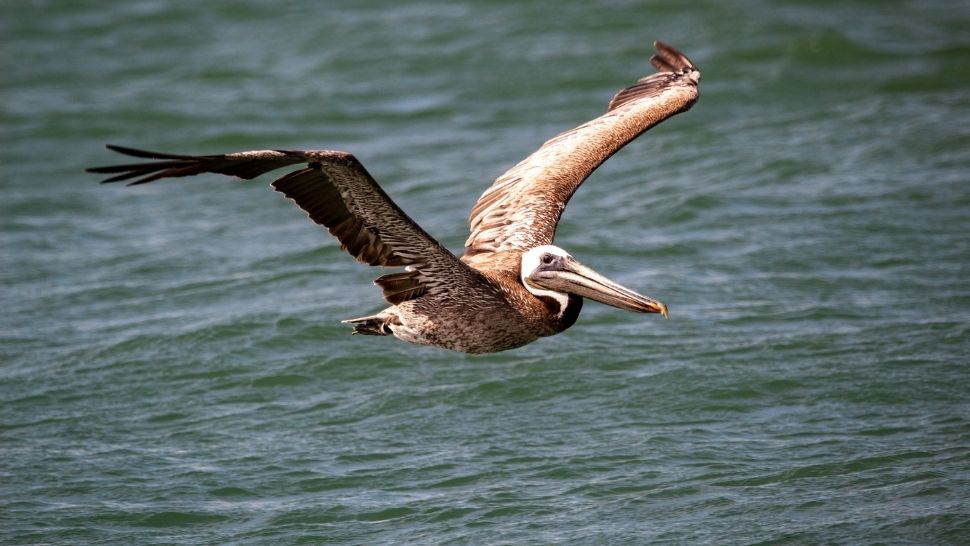
The journey of the Eastern Brown Pelican from the brink of endangerment to its status as a thriving symbol of Louisiana is a powerful story of successful conservation. The efforts to protect this bird and its habitat serve as a model for environmental stewardship. Organizations and government agencies, alongside dedicated volunteers, continue to work tirelessly to ensure the long-term survival of pelican populations.
These conservation initiatives often involve habitat restoration, monitoring of nesting sites, and public education campaigns to raise awareness about the importance of coastal ecosystems. Understanding the threats that pelicans face, such as pollution, habitat loss due to coastal erosion, and the impacts of climate change, is crucial for continued progress.
For travelers interested in contributing to conservation, many opportunities exist. Volunteering with local environmental groups, supporting eco-lodges that practice sustainability, or simply making responsible choices during their visit can all make a difference. By appreciating the Eastern Brown Pelican and the natural world it represents, visitors become active participants in its preservation.
The Eastern Brown Pelican is more than just a bird; it is a living testament to the wild beauty and ecological significance of Louisiana. Its story is one of resilience, and its continued presence along the state‘s shores is a vibrant reminder of the importance of protecting our natural heritage for generations to come. Whether one is planning a luxury getaway, a budget-friendly adventure, or a family trip focused on nature, the state bird of Louisiana offers a compelling reason to explore the unparalleled charm of this captivating state.