
Maine, a state synonymous with rugged coastlines, verdant forests, and the comforting aroma of lobster, possesses a rich tapestry of natural wonders. While its iconic lighthouses and picturesque fishing villages often steal the spotlight, the state also boasts a significant feathered resident that has earned a special place in its identity. The question, “What is the State Bird of Maine?” might seem straightforward, but delving into the answer reveals a fascinating connection between the state’s environment and its chosen avian symbol. This exploration goes beyond mere trivia, offering insights into the natural heritage and local culture that define the Pine Tree State.
The journey to discover Maine’s state bird is an invitation to explore the state’s diverse ecosystems, from the whispering pines of its vast woodlands to the rocky shores that kiss the Atlantic Ocean. Understanding this choice illuminates how the natural world influences cultural identity and how certain species become deeply ingrained in the lore and pride of a region. It’s a story that intertwines biology, history, and the simple appreciation of the wild beauty that Maine offers in abundance.
The Majestic Chickadee: A Symbol of Resilience and Charm
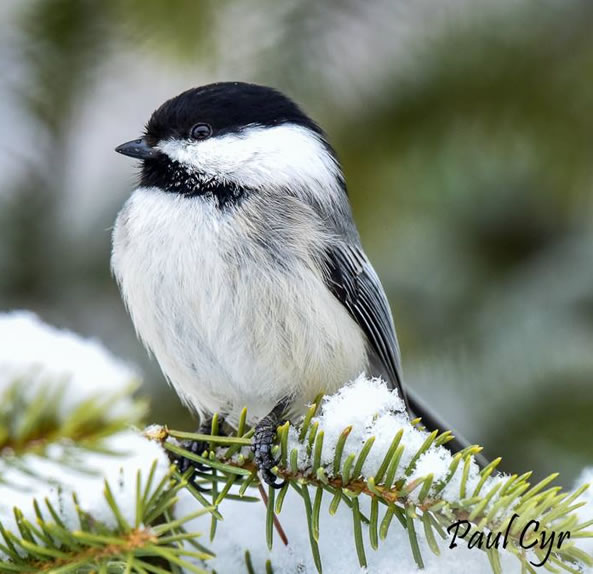
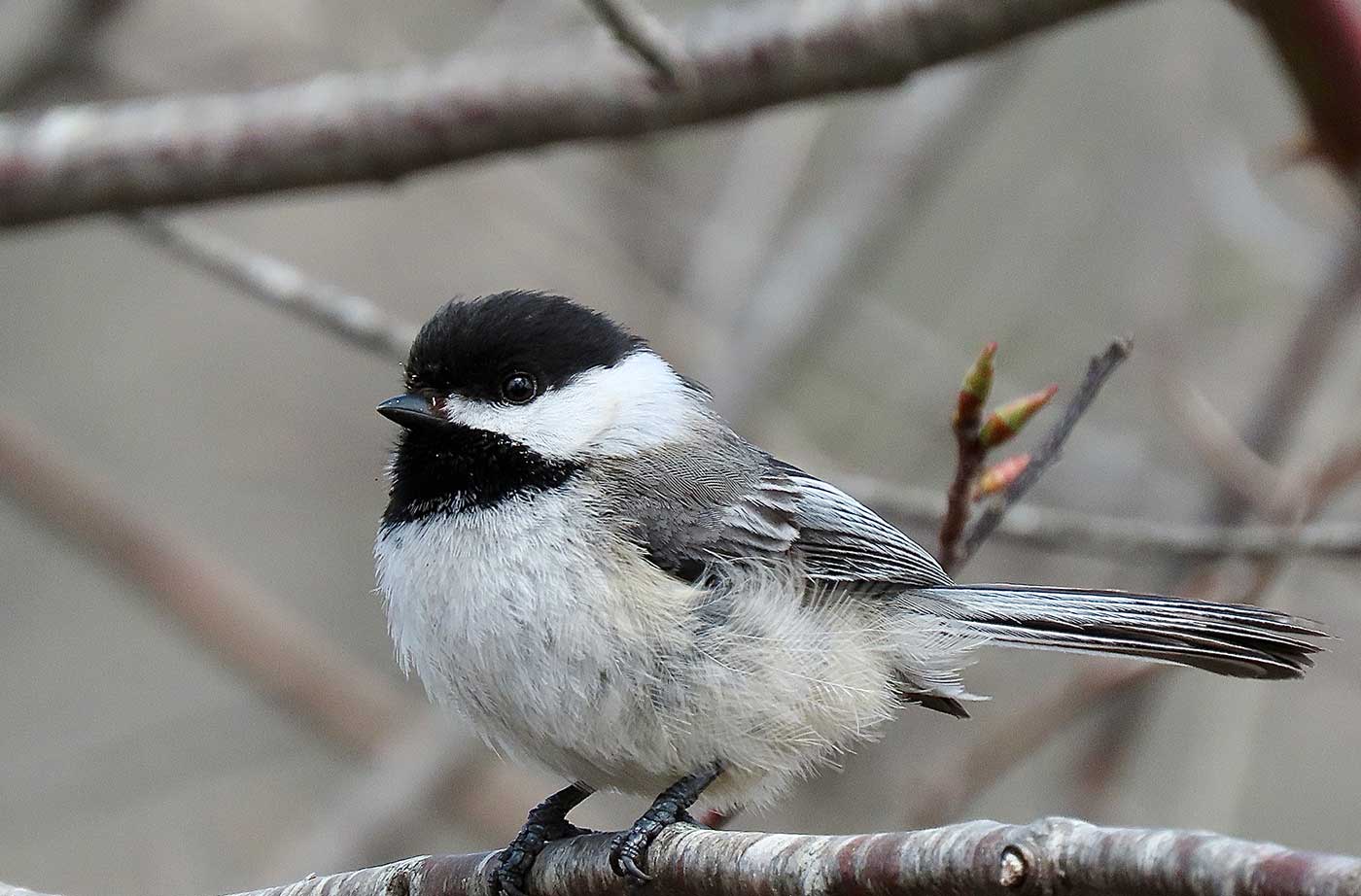
The answer to “What is the State Bird of Maine?” is the Black-capped Chickadee (Poecile atricapillus). This small, energetic bird, with its distinctive black cap and bib, white cheeks, and gray and buff plumage, is a familiar sight and sound throughout Maine. Its cheerful, melodious “chick-a-dee-dee-dee” call is a quintessential soundtrack to a Maine winter, a time when its presence offers a welcome splash of life and color against the snowy backdrop.
The choice of the Black-capped Chickadee as Maine’s state bird is far from arbitrary. It reflects a deep appreciation for a bird that embodies characteristics highly valued by the people of Maine. Chickadees are known for their hardiness and ability to thrive in the often harsh New England winters. They are active, inquisitive, and unafraid of human presence, often visiting bird feeders readily. This approachable nature, coupled with their persistent spirit, resonates with the resilient character of Maine’s inhabitants, who are accustomed to facing the challenges of a northern climate.
Why the Black-capped Chickadee? A Deeper Look
The designation of the Black-capped Chickadee as the official state bird of Maine was a deliberate act, reflecting a desire to honor a species that is both ubiquitous and deeply intertwined with the state’s natural heritage. Several factors contributed to its selection:
-
Widespread Presence: The Black-capped Chickadee is found year-round in virtually all of Maine’s habitats, from densely wooded forests to suburban backyards. This constant presence makes it a familiar and beloved figure across the state, unlike migratory birds that are only present for part of the year. Its cheerful demeanor and distinctive call are constants in the Maine landscape.
-
Resilience and Adaptability: Maine’s climate can be unforgiving, with cold, snowy winters being a significant characteristic. The Black-capped Chickadee excels in these conditions. It has developed remarkable adaptations to survive, including the ability to lower its body temperature at night to conserve energy and a diverse diet that allows it to forage effectively even when food is scarce. This tenacity mirrors the spirit of the people of Maine.
-
Symbol of Endearment: Beyond its ecological significance, the chickadee is simply a charming and endearing creature. Its bold nature, curious exploration of its surroundings, and almost acrobatic feats as it flits from branch to branch endear it to birdwatchers and casual observers alike. This positive association contributed to its popular appeal as a state symbol.
-
Educational Value: The Black-capped Chickadee is an excellent ambassador for avian conservation and natural education. Its commonality and accessibility make it an ideal species for children and adults to learn about local wildlife, bird behavior, and the importance of preserving natural habitats. Schools and nature centers often use the chickadee as a focal point for educational programs.
-
A Deliberate Choice: While not as dramatic as some larger birds, the chickadee’s constant presence and cheerful disposition made it a strong candidate. Its selection was a testament to the appreciation of the everyday wonders of nature that are accessible to everyone in Maine.
The journey to officially recognize the Black-capped Chickadee wasn’t instantaneous, but its enduring presence and positive attributes made it a natural and popular choice when the time came to select a state bird.
Exploring Maine’s Avian Wonders: Beyond the State Bird
While the Black-capped Chickadee holds the distinguished title of Maine’s state bird, the state is a haven for a remarkable diversity of avian life, attracting birdwatchers and nature enthusiasts from far and wide. Maine’s varied landscapes, from the vast expanse of the North Woods to the intricate coastline dotted with islands, provide critical habitats for a multitude of species throughout the year.
Coastal Birds: Life on the Edge
Maine’s extensive coastline, with its rocky shores, sandy beaches, and numerous islands, is a prime destination for observing a rich array of seabirds and shorebirds. During the warmer months, the cliffs and ledges teem with nesting colonies.
- Atlantic Puffin: Perhaps the most charismatic of Maine’s coastal birds, the Atlantic Puffin (Fratercula arctica) is a highly sought-after sighting. These colorful birds, with their distinctive bright orange beaks and comical waddle, nest on offshore islands like those in Machias Bay and Monhegan Island. Boat tours to these nesting grounds offer unparalleled opportunities to witness puffins in their natural habitat.
- Gulls and Terns: Various species of gulls, including the Herring Gull and the Great Black-backed Gull, are ever-present along the coast, often seen scavenging or soaring overhead. Elegant Common Terns and Arctic Terns can be observed gracefully diving for fish.
- Shorebirds: During migration, mudflats and coastal marshes become vital stopover points for numerous shorebird species, such as Sanderlings, Semipalmated Plovers, and Greater Yellowlegs, offering excellent birding opportunities for those who know where to look.
Forest Dwellers: The Heart of the Woods
Inland, Maine’s extensive forests, particularly the Allagash Wilderness Waterway and the vast tracts of private timberland, are home to a different suite of fascinating birds. The calls of woodpeckers, the flitting of warblers, and the majestic presence of birds of prey define these wilder spaces.
- Woodpeckers: The rhythmic drumming of woodpeckers is a common sound in Maine’s forests. Species like the Downy Woodpecker, Hairy Woodpecker, and the striking Pileated Woodpecker are frequently encountered. In the deeper woods, lucky observers might spot the rare Black-backed Woodpecker.
- Warblers and Songbirds: During the spring and summer breeding season, the forests come alive with the songs of numerous warbler species. The Yellow Warbler, American Redstart, and Black-throated Blue Warbler are among the many colorful songbirds that grace the canopy. The Hermit Thrush, with its ethereal song, is another beloved forest resident.
- Birds of Prey: Maine’s forests are also home to impressive birds of prey. Ospreys are commonly seen near water bodies, while Bald Eagles are increasingly frequent sightings throughout the state. The elusive Northern Goshawk and various owl species, such as the Great Horned Owl, inhabit the deeper woodlands.
Migratory Wonders: A Seasonal Spectacle
Maine plays a crucial role in the annual migration cycles of countless bird species. As a gateway to the Atlantic flyway, the state provides essential resting and refueling grounds for birds traveling between their northern breeding grounds and southern wintering territories.
- Spring Migration: The arrival of spring heralds an explosion of avian activity. Rivers, lakes, and coastal marshes become magnets for waterfowl like Canada Geese, Mallards, and various duck species. Migrating songbirds, having endured long flights, can be seen in large numbers in suitable habitats.
- Fall Migration: As autumn approaches, the focus shifts to the southward movement of birds. The forests begin to display their fall colors, while the skies fill with migrating raptors and smaller birds. Coastal areas remain vital for shorebirds and seabirds continuing their journey.
Birdwatching in Maine offers a continuous spectacle, with different species dominating the landscape throughout the year. Whether one is drawn to the dramatic coastlines, the serene interior forests, or the dynamic migratory patterns, Maine consistently delivers exceptional opportunities for observing its rich avian diversity, with the Black-capped Chickadee serving as a constant, cheerful emblem of the state’s wild spirit.
Planning Your Maine Birdwatching Adventure
For those inspired by the state bird and eager to explore Maine’s avian wonders, careful planning can greatly enhance the experience. The best time to visit, ideal locations, and necessary preparations will depend on the specific species and habitats you wish to explore.
Best Times and Locations for Birdwatching
- Spring Migration (April – May): This is arguably the most exciting time for birding in Maine, especially for songbirds. Coastal areas like Cape Elizabeth (home to the iconic Portland Head Light) and Kittery are excellent for observing migrating songbirds and shorebirds. Inland, areas around Acadia National Park and the Kennebec River watershed are teeming with returning species.
- Breeding Season (June – July): This period is ideal for observing nesting behavior and hearing the full chorus of bird songs. Coastal islands are crucial for seabird colonies. Birding in the North Woods is particularly rewarding for forest-dwelling species.
- Fall Migration (August – October): Another significant migration period, this time for a broader range of species, including raptors. Hawk watching sites, such as Gilsland Farm Audubon Center in Falmouth, offer fantastic opportunities. Coastal areas continue to be important for shorebirds and waterfowl.
- Winter Birding (November – March): While many species migrate south, Maine offers unique winter birding opportunities. The coast remains active with various gulls, sea ducks like Common Eider and Bufflehead, and occasionally rarer visitors. Inland, the hardy Black-capped Chickadee, Blue Jay, and Northern Cardinal provide color against the snow. Visiting areas like Quoddy Head State Park can yield interesting coastal sightings.

Essential Gear and Tips for Birdwatchers
To make the most of your birdwatching excursions in Maine, consider the following:
- Binoculars: A good pair of binoculars is essential. For general birdwatching, 8×42 or 10×42 magnification is recommended.
- Field Guide: A comprehensive field guide specific to Eastern North America or Maine will be invaluable for identification.
- Notebook and Pen: Documenting your sightings, including location, date, time, and behavior, can enhance your learning and memory.
- Appropriate Clothing: Maine weather can be unpredictable. Dress in layers, and be prepared for rain, wind, and cooler temperatures, even in summer. Sturdy, waterproof footwear is a must.
- Insect Repellent: Especially during the warmer months, mosquitoes and black flies can be prevalent in wooded and marshy areas.
- Patience and Observation Skills: Birdwatching requires patience. Take your time, observe quietly, and listen carefully to the sounds of nature.
- Respect for Wildlife and Habitats: Maintain a safe distance from birds and their nests. Avoid disturbing wildlife or their environment. Stay on marked trails to minimize your impact.
- Consider Guided Tours: Many organizations in Maine offer guided birdwatching tours, which can be highly beneficial, especially for accessing remote areas or spotting specific species. Local Audubon chapters or nature centers can provide valuable information and resources.
By combining a love for nature with a bit of preparation, any visitor to Maine can embark on a rewarding journey to discover the state’s abundant and diverse birdlife, with the cheerful Black-capped Chickadee as a constant, welcoming presence throughout their travels.