
When you think of the Silver State, your mind might wander to the glittering casinos of Las Vegas, the stark beauty of the Black Rock Desert, or the serene waters of Lake Tahoe. But beyond the well-trodden paths of tourism and the allure of luxury hotels, lies a rich tapestry of natural heritage. A significant part of this heritage is embodied in its state symbols, and perhaps none is as emblematic of its wild spirit and resilience as its state bird. For those planning a trip to Nevada, understanding these symbols can deepen your appreciation for the unique lifestyle and local culture of this fascinating Western state. From the rugged mountains to the arid plains, Nevada is a land of contrasts, and its state bird is a fitting representative of its diverse landscapes and the tenacious life that thrives within them.
The question of “What is the state bird of Nevada?” might seem simple, but the answer unveils a story of conservation, natural beauty, and a connection to the wild heart of the American West. Understanding this avian resident offers a unique lens through which to view the state’s attractions and natural landmarks, enriching any travel experience. It’s a reminder that even in a state known for its man-made marvels, nature’s artistry is equally profound.
Unveiling the Avian Emblem: The Mountain Bluebird
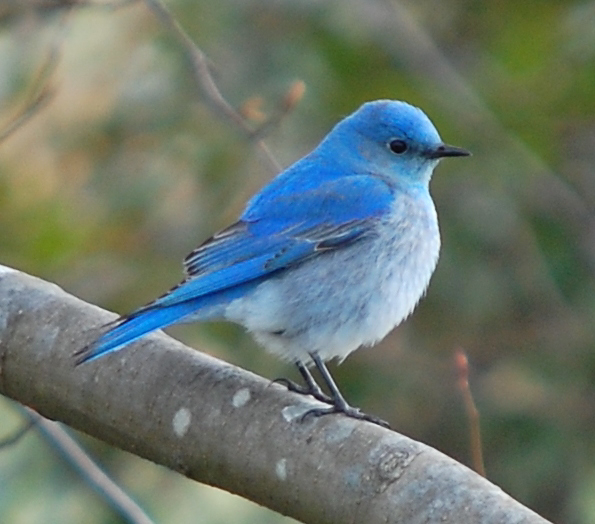
The state bird of Nevada is the Mountain Bluebird (Sialia currucoides). This striking bird, with its brilliant azure plumage, is a common sight across much of the state, gracing open woodlands, meadows, and high desert country. Its presence is a testament to the health of Nevada’s diverse ecosystems, from the pine forests of the Ruby Mountains to the sagebrush steppe of the northern plains.
The Mountain Bluebird was officially designated as the state bird of Nevada in 1967. This designation was not merely an arbitrary choice but a recognition of the bird’s widespread distribution throughout the state and its inherent beauty. It represents the open spaces and the clean air that are so characteristic of Nevada‘s natural environment.
A Closer Look at the Mountain Bluebird
The Mountain Bluebird is a medium-sized songbird, slightly larger than an eastern bluebird. The male is a vibrant, almost iridescent sky-blue, with darker wings and tail. Females are a duller, grayish-blue, providing excellent camouflage during nesting season. Both sexes have a pale belly.
These birds are insectivores, primarily feeding on insects and berries. They are often seen perched on prominent posts or wires, scanning the ground for prey, before swooping down to catch their meal. Their hunting strategy is a common sight for hikers and campers exploring Nevada‘s vast wilderness. During the winter months, they may gather in small flocks, and their diet shifts to include more berries and seeds.
Their nesting habits are also noteworthy. Mountain Bluebirds typically nest in cavities, such as old woodpecker holes, natural tree cavities, or nest boxes. They are cavity nesters, and their preference for open areas with scattered trees makes them well-suited to Nevada‘s varied topography. The nesting season usually begins in late spring, and they may raise one or two broods per year.
Why the Mountain Bluebird?

The choice of the Mountain Bluebird as Nevada‘s state bird reflects a desire to honor a species that is intrinsically linked to the state’s natural beauty and ecological health. Unlike some state birds that are more common in specific regions or are primarily associated with urban environments, the Mountain Bluebird thrives in the wild, untamed landscapes that define much of Nevada.
Its presence is an indicator of healthy habitats. As conservation efforts continue to protect Nevada’s natural areas, the Mountain Bluebird serves as a living symbol of success. For travelers interested in nature photography or wildlife observation, spotting a Mountain Bluebird in its natural habitat is a rewarding experience, connecting them directly to the state’s wild heart.
The bird’s migratory patterns also tie it to Nevada. While some populations are resident year-round, many Mountain Bluebirds migrate south for the winter, returning to Nevada’s cooler climes in the spring to breed. This annual journey underscores the importance of Nevada as a breeding ground and a vital part of the larger migratory routes of North American birds.
Experiencing Nevada’s Avian Wonders: Travel and Tourism
Understanding that the Mountain Bluebird is Nevada‘s state bird can significantly enhance your travel experience. It encourages a deeper engagement with the state’s natural attractions and adds another layer to the exploration of Nevada‘s tourism offerings. When you’re planning a trip, whether for luxury travel or a more budget travel adventure, incorporating opportunities to observe this beautiful bird can be a unique highlight.
Destinations for Birdwatching and Nature Exploration
Several destinations within Nevada offer excellent opportunities to spot the Mountain Bluebird. These locations often overlap with popular attractions and landmarks, allowing you to combine your search for this avian emblem with other sightseeing.
- Great Basin National Park: This park, a true natural gem, offers pristine mountain environments, ancient bristlecone pines, and Lehman Caves. The higher elevations and open meadows within Great Basin National Park are prime habitats for the Mountain Bluebird. Hiking the trails here, perhaps with a stay at a nearby lodging option, provides a fantastic chance for sightings. You might even consider a guided nature tour to maximize your chances.
- Ruby Mountains: Often referred to as the “Swiss Alps of Nevada,” the Ruby Mountains boast spectacular alpine scenery, glacial lakes, and abundant wildlife. The wide-open valleys and mountain meadows are ideal for the Mountain Bluebird. While no large resorts are directly within the wilderness area, charming accommodations can be found in nearby towns like Elko.
- Lake Tahoe Basin: While often associated with water activities and skiing, the Lake Tahoe area also offers beautiful forested areas and meadows that can host Mountain Bluebirds. Exploring the less developed northern and eastern shores of Lake Tahoe, particularly in spring and summer, can yield sightings. Many hotels and vacation apartments are available around the lake, catering to various accommodation needs.
- Sagebrush Steppe Regions: Large portions of northern and central Nevada are covered in sagebrush steppe. These seemingly vast and empty landscapes are teeming with life, including the Mountain Bluebird. Driving scenic routes through areas like the Humboldt-Toiyabe National Forest can offer dispersed camping opportunities or simple roadside viewing.
- State Parks: Many of Nevada‘s state parks, such as Valley of Fire State Park (though more desert-focused, bluebirds can be found in transitional zones) or Washoe Lake State Park, provide accessible natural areas where birdwatching can be a pleasant pastime. These parks often have designated trails and visitor centers that can offer information on local wildlife.

Enhancing Your Nevada Travel Experience
Incorporating birdwatching into your Nevada itinerary can transform a standard trip into a more immersive and memorable adventure.
- Accommodation Choices: When booking your stay, consider locations that are closer to natural habitats. For instance, instead of a downtown Las Vegas hotel, opt for a lodge in or near a national or state park. Many resorts and hotels in areas like Reno or near Lake Tahoe offer proximity to natural areas. For longer stays, renting a villa or an apartment near a birdwatching hotspot can be ideal.
- Activities and Guides: Look for tourism operators that offer guided nature walks, birdwatching tours, or wildlife photography expeditions. These guides possess invaluable knowledge of the local flora and fauna, significantly increasing your chances of spotting the Mountain Bluebird and other native species. Even a short guided tour can provide insights into local culture and history intertwined with the natural environment.
- Tips for Birdwatchers:
- Timing is Key: The best times for birdwatching are generally early morning and late afternoon, when birds are most active.
- Binoculars are Essential: A good pair of binoculars will greatly enhance your ability to observe birds without disturbing them.
- Field Guide: Carry a field guide specific to North American birds or the birds of the West to help identify species you encounter.
- Respect Wildlife: Maintain a safe distance, avoid feeding birds, and minimize your impact on their habitat.
- Be Patient: Birdwatching requires patience. Sometimes, the most rewarding sightings come after a period of quiet observation.
- Listen: Birds communicate through songs and calls. Learning to identify some of these sounds can help you locate them.
By keeping the Mountain Bluebird in mind, travelers can discover a more profound connection to Nevada‘s stunning natural landscapes. It’s an invitation to look beyond the neon lights and explore the wild, beautiful heart of the state, experiencing a unique facet of Nevada‘s lifestyle and natural landmarks. This avian resident is more than just a symbol; it’s a living, breathing part of the Nevada experience.
LifeOutOfTheBox is a participant in the Amazon Services LLC Associates Program, an affiliate advertising program designed to provide a means for sites to earn advertising fees by advertising and linking to Amazon.com. Amazon, the Amazon logo, AmazonSupply, and the AmazonSupply logo are trademarks of Amazon.com, Inc. or its affiliates. As an Amazon Associate we earn affiliate commissions from qualifying purchases.