
The Empire State, a realm of iconic skylines, verdant Upstate New York landscapes, and vibrant cultural hubs, boasts a natural symbol as captivating as its diverse terrain: the Eastern Bluebird. This small, strikingly beautiful avian marvel, with its vivid cerulean plumage and melodic song, was officially designated the state bird of New York in 1970. Beyond its aesthetic appeal, the Eastern Bluebird embodies the resilience, natural beauty, and ecological diversity that characterize New York, inviting travelers to explore the state’s natural wonders, from the majestic Adirondacks to the rolling hills of the Hudson Valley.
For those embarking on a journey through New York, understanding its state bird offers a unique lens through which to appreciate its rural charm, conservation efforts, and the serene moments that contrast with the bustling energy of New York City. Whether your travel style leans towards luxurious hotel stays, immersive cultural tourism, or rustic accommodation amidst nature, the presence of the Eastern Bluebird serves as a gentle reminder of the pristine environments waiting to be discovered. This article will delve into the allure of New York’s state bird, guiding you through its natural habitats and connecting its story to the broader tapestry of travel, tourism, and lifestyle experiences that define this incredible state.

The Eastern Bluebird: A Jewel of New York’s Natural Heritage
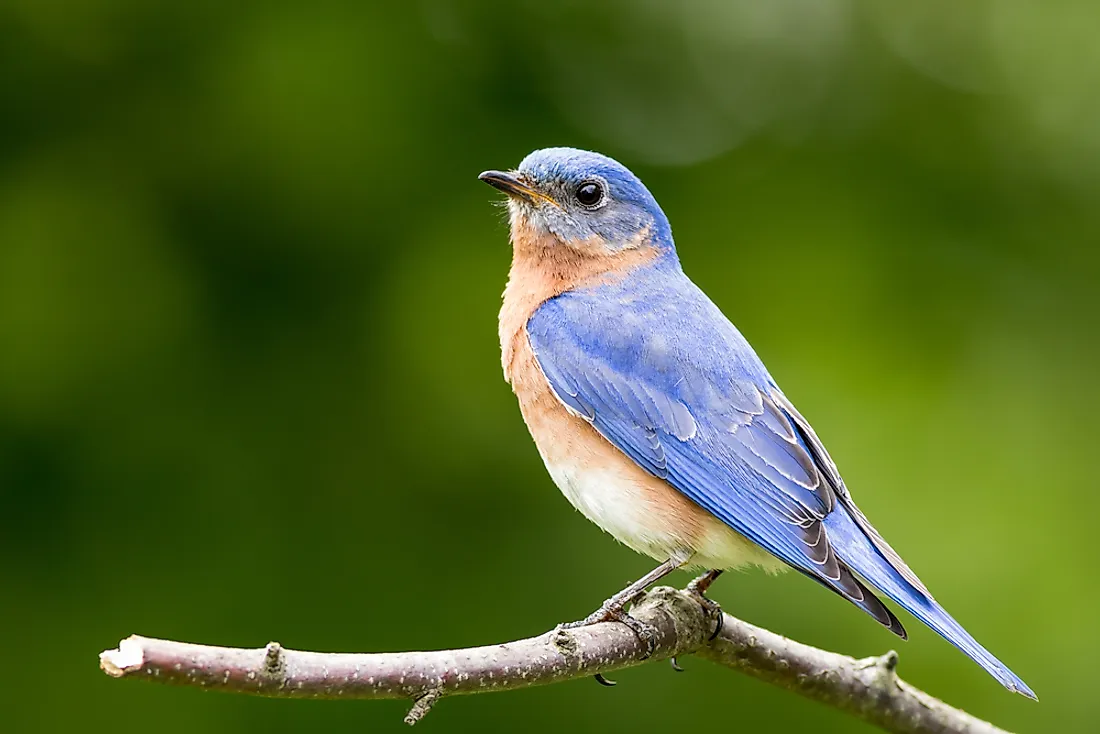
The selection of the Eastern Bluebird (scientific name: Sialia sialis) as New York’s state bird was a testament to its widespread presence and beloved status among residents. This species, a member of the thrush family, is more than just a pretty face; it’s an indicator of healthy ecosystems and a symbol of renewal, often heralded as one of the first signs of spring. Its designation reflects a commitment to protecting New York’s biodiversity and preserving the delicate balance of its natural habitats, which are crucial for attracting nature-focused tourism and offering unparalleled experiences for birdwatchers and wildlife enthusiasts.
Identifying the Eastern Bluebird
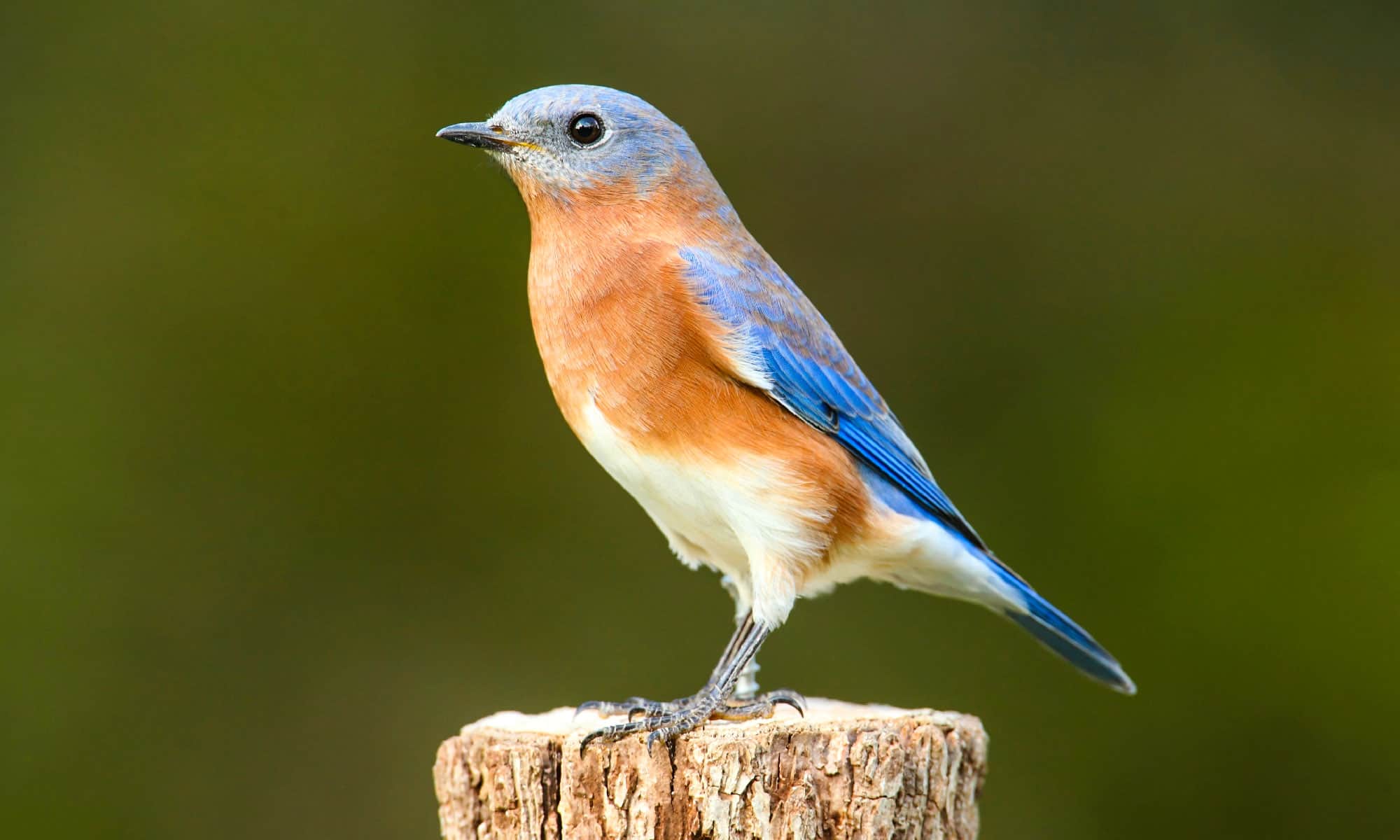
Spotting an Eastern Bluebird is often a memorable highlight for any visitor to New York’s natural spaces. These birds are relatively small, typically measuring between 6.3 to 8.7 inches (16 to 22 cm) in length with a wingspan of about 10.6 to 13.8 inches (27 to 35 cm). Their most striking feature is, of course, their brilliant plumage. Males boast a vibrant sky-blue back, head, and wings, contrasted by a rusty orange throat and breast, and a white belly. Females are generally duller in color, with grayer backs, fainter blue wings, and a lighter orange on their breast, providing them with excellent camouflage in their nesting environments. Juveniles, often speckled, hint at the vibrant colors they will develop.
Beyond their visual appeal, Eastern Bluebirds are known for their soft, warbling song, a gentle “chur-wi” or “tru-al-ly” that adds a peaceful soundtrack to the rural landscapes. Their diet primarily consists of insects during the warmer months, making them beneficial for agriculture, and switching to berries and small fruits in the colder seasons. Observing their graceful flight, often characterized by short, quick movements from a perch to the ground to catch prey, is a delightful experience that connects visitors with the rhythm of New York’s wild spaces.
Habitat and Conservation in the Empire State
The Eastern Bluebird thrives in open woodlands, orchards, farmlands, and suburban areas with scattered trees and open fields. They prefer habitats with short grass for foraging and nearby trees or posts for perching. Critically, these birds are secondary cavity nesters, meaning they rely on existing holes in trees (often created by woodpeckers) or artificial nest boxes for breeding. This dependency made them particularly vulnerable in the early to mid-20th century due to habitat loss and competition from more aggressive invasive species like house sparrows and European starlings.
Recognizing the decline in bluebird populations, significant conservation efforts were launched across New York and beyond. “Bluebird trails” – networks of strategically placed nest boxes – became a popular and effective strategy. Today, thanks to dedicated volunteers, conservation organizations, and state parks, the Eastern Bluebird has made a remarkable comeback. This success story is a point of pride for New York and highlights the state’s commitment to preserving its natural heritage, making it an even more appealing destination for eco-conscious travelers and those interested in sustainable tourism. Many state parks and nature preserves across New York offer guided tours and educational programs focused on birdwatching and local wildlife, providing enriching experiences for all ages.
Discovering New York’s Diverse Landscapes and Birdwatching Havens
New York’s geography is a patchwork of stunning natural beauty, from towering mountains and pristine lakes to vast forests and fertile valleys. These diverse environments offer countless opportunities for birdwatching and connecting with nature, making the state an ideal travel destination for outdoor enthusiasts. The varied landscapes mean that whether you’re seeking a rugged adventure or a peaceful retreat, New York has a natural haven for you, often where the vibrant flash of an Eastern Bluebird can be your companion.
Upstate New York’s Natural Retreats
Upstate New York is a treasure trove of natural wonders, offering a stark contrast to the urban sprawl of New York City. This region is where the Eastern Bluebird truly thrives, amidst its preferred open fields and woodlands.
- Adirondacks: Encompassing the largest publicly protected area in the contiguous United States, the Adirondack Park is a wilderness paradise. While renowned for its majestic peaks, such as Whiteface Mountain, and sparkling lakes like Lake Placid and Lake George, its diverse ecosystems also provide habitat for numerous bird species, including the bluebird in its more open areas. Popular destinations like Old Forge and Blue Mountain Lake offer excellent access to hiking, kayaking, and quiet spots for birdwatching.
- Catskills: Just a few hours north of New York City, the Catskill Mountains provide a rugged escape. With its dense forests, trout streams, and charming towns, the Catskills are perfect for those seeking outdoor adventures. The clearings and meadows bordering the forests are prime locations for observing the Eastern Bluebird, particularly in state parks like Minnewaska State Park Preserve or near the many artisanal farms that dot the landscape.
- Finger Lakes Region: Famous for its eleven long, slender lakes, world-class wineries, and dramatic gorges, the Finger Lakes is an idyllic setting. Places like Watkins Glen State Park with its stunning glens and waterfalls, or the majestic Letchworth State Park, often called the “Grand Canyon of the East,” offer not only breathtaking scenery but also varied habitats where bluebirds thrive. Many wineries and agricultural lands in the region are also keen on supporting local wildlife, making them surprising spots for a sighting.
- Hudson Valley: Stretching from Albany down to Yonkers, the Hudson Valley is a fertile region rich in history, art, and agriculture. Its rolling hills, apple orchards, and picturesque river towns like Garrison provide ample opportunities for birdwatching. Estates like Stone Barns Center for Food & Agriculture in Pocantico Hills or the expansive grounds of Storm King Art Center offer open spaces conducive to bluebird sightings, often combining cultural attractions with natural beauty.
Urban Escapes and Unexpected Sightings
While the Eastern Bluebird is predominantly found in rural and suburban settings, it’s not impossible to spot them in more urbanized areas, especially in parks and green spaces within cities across New York. These urban oases provide vital stopovers and habitats for migratory and resident birds.
- New York City Parks: Even in the heart of the metropolis, places like Central Park offer surprising pockets of wildlife. While less common, bluebirds have been sighted in the more naturalized areas of Central Park during migration. Other notable urban green spaces include the Brooklyn Botanical Garden and Wave Hill in the Bronx, both offering meticulously maintained habitats that sometimes attract a variety of bird species. These locations provide a unique blend of “Tourism” and “Nature,” showcasing how conservation efforts can thrive even in dense urban environments.
- Suburban Greenways: Many towns and cities throughout New York, from Buffalo to Rochester and Syracuse, maintain extensive park systems, golf courses, and nature preserves that are ideal for bluebirds. These areas, often less crowded than major city landmarks, offer a peaceful setting for local wildlife viewing and connect residents and visitors alike with the natural world.
Planning Your New York Adventure: From City Stays to Rustic Retreats
Exploring New York, whether in pursuit of its state bird or its countless other attractions, demands thoughtful planning, especially concerning accommodation. The state’s diverse geography and tourism offerings mean that travelers have an expansive array of choices, from opulent urban hotels to charming rural bed and breakfasts, catering to every lifestyle and budget. Our focus on “Hotels,” “Accommodation,” and “Lifestyle” aims to guide you in finding the perfect base for your New York adventures.
Luxury and Boutique Hotels in New York City
For many, a trip to New York begins and ends in its eponymous city, a global hub for culture, fashion, and finance. New York City offers an unparalleled selection of luxury hotels and boutique accommodations, providing an indulgent base for exploring iconic landmarks like the Statue of Liberty, the Empire State Building, or catching a Broadway show.
- The Plaza Hotel: A legendary landmark, The Plaza Hotel offers timeless elegance and luxurious suites overlooking Central Park and Fifth Avenue. It’s an ideal choice for those seeking a classic, opulent New York City experience.
- St. Regis New York: Known for its impeccable service and exquisite design, the St. Regis New York on East 55th Street epitomizes sophisticated urban living. Its proximity to major attractions and high-end shopping makes it a prime location for luxury travelers.
- Four Seasons Hotel New York Downtown: Located in the chic Tribeca neighborhood, this hotel offers a more contemporary luxury experience, perfect for those exploring Lower Manhattan and its vibrant dining scene.
- The Peninsula New York: Situated on Fifth Avenue, The Peninsula New York combines grandeur with personalized service, featuring a rooftop spa and stunning city views.
- The Ritz-Carlton New York, Central Park: Offering unparalleled views of Central Park, this hotel provides a refined luxury experience with easy access to cultural institutions like the Metropolitan Museum of Art and the Museum of Modern Art.
For those seeking a more intimate stay, boutique hotels in neighborhoods like Greenwich Village or SoHo offer unique charm and a strong sense of local culture.
Charming Accommodations Beyond the Metropolis
Beyond New York City, New York offers a different kind of accommodation, perfectly suited for nature lovers, families, and those seeking a tranquil escape. These range from historic resorts to cozy cabins, allowing travelers to immerse themselves in the state’s natural beauty and rural lifestyle.
- Mohonk Mountain House: A National Historic Landmark nestled in the Hudson Valley, this Victorian castle resort offers all-inclusive stays with stunning mountain views, extensive hiking trails, and a focus on wellness. It’s an ideal spot for family trips or romantic getaways, where you might easily spot an Eastern Bluebird on the grounds.
- Otesaga Resort Hotel in Cooperstown: Overlooking Otsego Lake, this elegant resort is perfect for those visiting the Baseball Hall of Fame or Cooperstown Dreams Park. It offers a blend of historic charm and modern amenities, with beautiful grounds that invite leisurely strolls.
- Gurney’s Montauk Resort & Seawater Spa: For a coastal retreat, head to Long Island’s easternmost point, Montauk. Gurney’s offers luxury oceanfront accommodation with a private beach, renowned spa, and exquisite dining, providing a different perspective on New York’s diverse landscapes.
- Mirbeau Inn & Spa Skaneateles: Inspired by the French countryside, this spa resort in the Finger Lakes region offers a serene escape. With its tranquil gardens and focus on relaxation, it’s a perfect base for exploring the area’s wineries and natural beauty, including potential bluebird sightings in surrounding open fields.
- Cabins and Vacation Rentals: Throughout Upstate New York, particularly in the Adirondacks and Catskills, there’s an abundance of charming cabins, vacation rentals, and campsites. These options cater to budget travelers and those seeking a truly immersive nature experience, allowing for self-catering and direct access to hiking trails and birdwatching spots.
- Bed and Breakfasts: The smaller towns and villages across New York, from Saratoga Springs to the Finger Lakes, are dotted with delightful bed and breakfasts. These often provide a personalized stay, local insights, and a cozy atmosphere that can enhance your cultural immersion in New York’s communities.
When booking your accommodation, consider the season and your intended activities. Whether you’re planning a winter ski trip near Lake Placid, a fall foliage tour through the Hudson Valley, or a summer birdwatching excursion in the Catskills, New York offers options to match every traveler’s dream.
Embracing the New York Lifestyle: Experiences for Every Traveler
New York is more than just a collection of landmarks and natural spaces; it’s a lifestyle destination that caters to a broad spectrum of interests. The state’s appeal lies in its ability to offer a seamless blend of urban sophistication, historical depth, and unspoiled wilderness, making it a compelling choice for any traveler.
For the cultural connoisseur, New York City stands as a beacon. Spend days exploring world-class museums like the Metropolitan Museum of Art or the Museum of Modern Art, evenings enjoying a Broadway show, and nights savoring diverse culinary experiences in neighborhoods from the Upper West Side to Greenwich Village. Beyond the city, smaller cities like Albany and Buffalo offer rich historical sites, vibrant arts scenes, and unique local food cultures. The Corning Museum of Glass in the Finger Lakes region is another testament to New York’s diverse cultural offerings.
Adventure seekers will find their paradise in Upstate New York. Hiking the numerous trails in the Adirondacks, kayaking on the pristine waters of Lake George, or skiing down the slopes of Whiteface Mountain during winter are just a few of the adrenaline-pumping activities available. The majestic Niagara Falls, a world-renowned natural landmark, offers thrilling boat tours and breathtaking views that are unforgettable. For birdwatchers, the spring and fall migrations turn many state parks into vibrant avian highways, offering prime opportunities to spot not only the Eastern Bluebird but also a myriad of other species.
For those seeking relaxation and rejuvenation, New York’s spas and wellness retreats provide the perfect escape. From the luxury spas of New York City to the serene retreats like Mohonk Mountain House or Mirbeau Inn & Spa Skaneateles, travelers can indulge in treatments that soothe the mind, body, and soul. The wineries of the Finger Lakes and the craft breweries popping up across the state offer a relaxed pace, inviting visitors to savor local flavors and picturesque landscapes.
Family trips to New York can be filled with educational and entertaining experiences, from exploring science museums in Rochester to visiting historical sites in Albany. The state’s numerous state parks offer endless opportunities for outdoor recreation, picnics, and wildlife observation, fostering a love for nature in younger generations. Even the Hamptons on Long Island, known for luxury, offers family-friendly beaches and charming villages.
No matter your chosen lifestyle or travel preference, New York provides a backdrop for unforgettable experiences. Its blend of bustling urban energy, serene natural beauty, rich history, and diverse cultural tapestry ensures that every visit is a journey of discovery.
The Eastern Bluebird, with its vibrant colors and hopeful song, serves as a poignant emblem of New York’s enduring natural allure. It reminds us that even amidst the grandeur of the state’s iconic landmarks and the fast pace of its cities, there are pockets of tranquility and wild beauty waiting to be cherished. As you plan your next adventure to the Empire State, let the spirit of the Eastern Bluebird guide you, encouraging you to look beyond the obvious, to explore its diverse landscapes, and to embrace the rich tapestry of experiences that make New York an extraordinary destination for every type of traveler. From luxury resorts to rustic cabins, from bustling city streets to quiet mountain trails, New York invites you to discover its wonders, one bluebird sighting at a time.