
For those who cherish the delicate balance of nature and the vibrant tapestry of wildlife, the official state symbols often hold a special significance. They are living emblems that encapsulate the spirit, beauty, and unique character of a region. In the illustrious New York State, a land of soaring skyscrapers, serene landscapes, and a rich history, the official state bird is no exception. It is a creature of breathtaking beauty and resilience, a true gem of the avian world: the Eastern Bluebird.
Designated as the state bird in 1970, the Eastern Bluebird (scientific name: Sialia sialis) was chosen not just for its stunning appearance, but also for its symbolic resonance with the values of the Empire State. Its vibrant blue plumage, a hue often associated with clear skies and expansive horizons, perfectly mirrors the diverse natural beauty found from the peaks of the Adirondacks to the tranquil shores of Long Island. For travelers, nature enthusiasts, and residents alike, spotting an Eastern Bluebird is often a moment of pure delight, a fleeting encounter with natural elegance that enriches any New York experience. On a website dedicated to travel, hotels, tourism, and lifestyle, understanding this iconic bird adds another layer of appreciation for New York’s charm, inviting exploration beyond its bustling cities into its equally captivating natural realms.
Discovering the Eastern Bluebird: A Natural Treasure of New York
The Eastern Bluebird is more than just a pretty face; it’s a fascinating species with a compelling story of resilience and recovery. Its designation as the state bird highlights not only its inherent beauty but also the importance of conservation efforts across New York and indeed the entire United States. Understanding this bird involves delving into its unique characteristics, its habitat, and the journey it has taken to reclaim its place in our landscapes.
The Eastern Bluebird’s Distinctive Charm
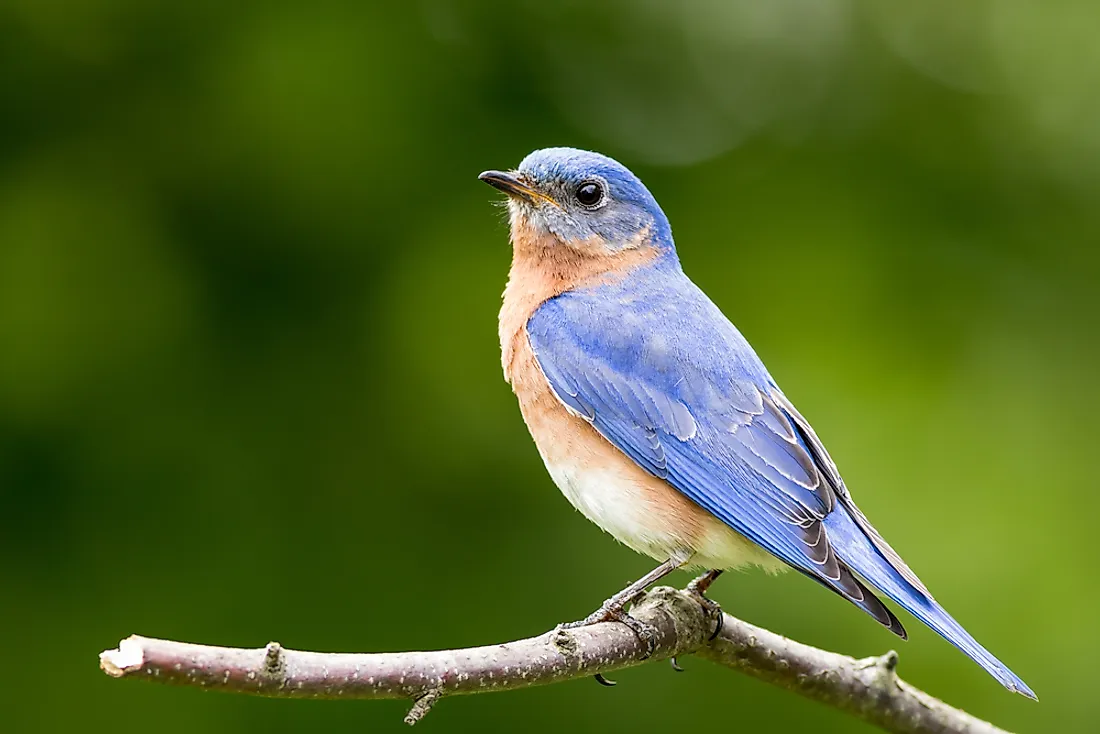
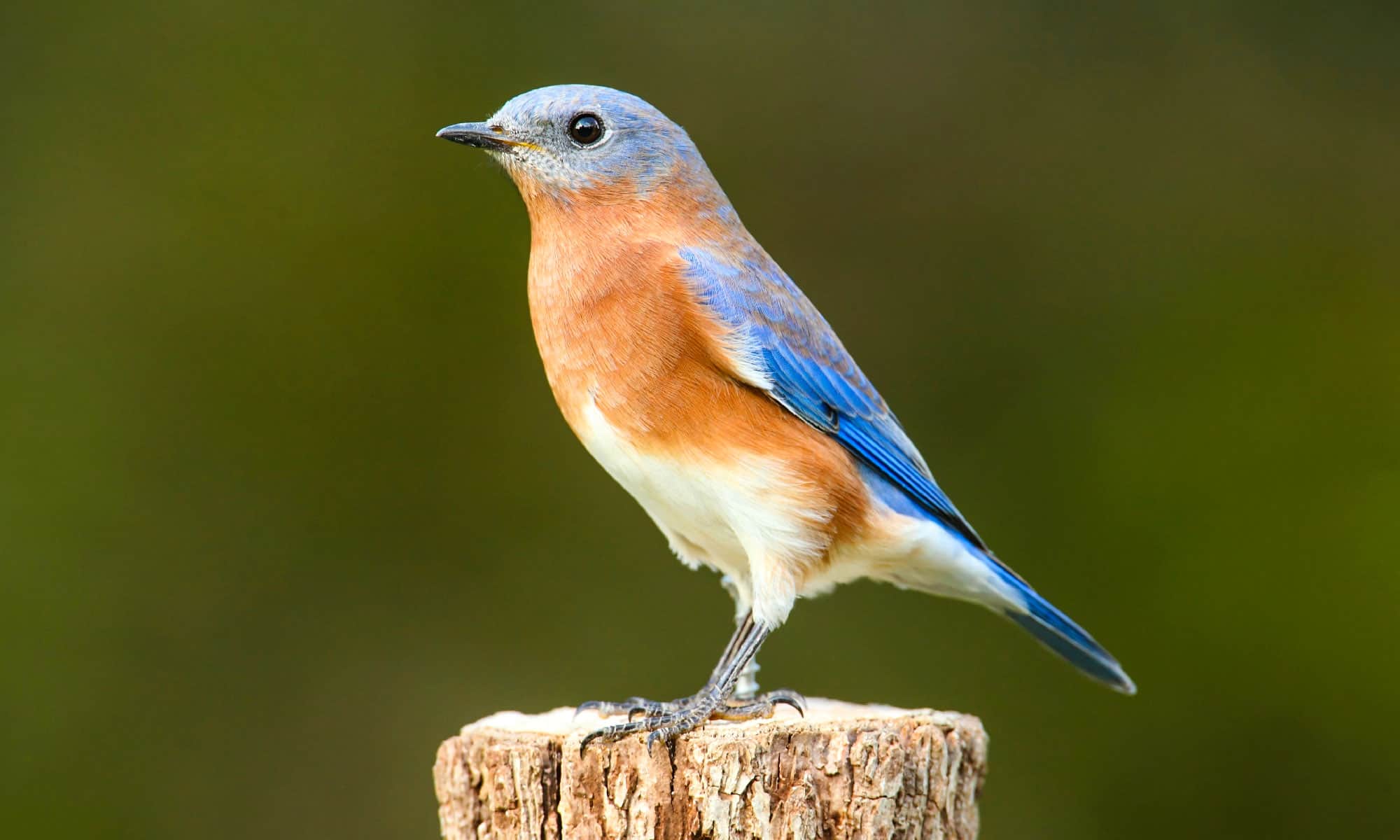
Measuring about 6.5 to 8 inches in length with a wingspan of 10-12 inches, the Eastern Bluebird is a medium-sized thrush, slightly larger than a sparrow but smaller than an American Robin. What immediately captures the eye is the male’s brilliant azure blue plumage on its back and head, contrasting strikingly with a rusty orange-brown breast and flanks, and a white belly. Females share a similar pattern but are typically duller in coloration, with more grayish-blue backs and paler orange breasts. Juveniles are speckled and grayish, gradually acquiring their adult colors.
Their song is a soft, warbling “chur-lee, chur-lup,” a melodious and gentle sound that perfectly complements their serene appearance. It’s often heard in open woodlands, orchards, suburban gardens, and golf courses – anywhere there are scattered trees and open grassy areas, which serve as ideal hunting grounds. Bluebirds are insectivores for much of the year, feasting on grasshoppers, crickets, beetles, and caterpillars. During colder months, when insects are scarce, they switch to a diet of wild berries and fruits, such as sumac, mistletoe, and cedar berries.
These charming birds are cavity nesters, meaning they prefer to build their nests inside existing hollows in trees or old woodpecker holes. Crucially, they readily adapt to human-made nest boxes, a fact that has played a pivotal role in their recent recovery. A typical clutch consists of 3-7 pale blue or white eggs, incubated for about two weeks. Both parents participate in feeding the young, which fledge about two weeks after hatching. Bluebirds can raise multiple broods in a single breeding season, typically from April to August in New York.
A Symbol of Conservation and Hope
The story of the Eastern Bluebird is a powerful narrative of decline and triumphant resurgence, making it a true symbol of hope. In the early to mid-20th century, bluebird populations plummeted drastically. This decline was primarily attributed to several factors:
- Habitat Loss: As agricultural practices intensified and development expanded, the open woodlands and orchards that bluebirds preferred were cleared.
- Competition from Non-Native Species: The introduction and spread of aggressive, non-native birds like European Starlings and House Sparrows, which also utilize tree cavities for nesting, severely outcompeted bluebirds for nesting sites.
- Pesticide Use: The widespread use of pesticides like DDT decimated insect populations, reducing the bluebird’s primary food source and potentially impacting their reproductive health.
- Harsh Winters: Severe winters also took their toll, especially on northern populations like those in New York.
By the mid-1900s, the future of the Eastern Bluebird looked bleak. However, their plight galvanized conservationists and the public alike. A concerted effort, largely driven by citizen science and community involvement, began to turn the tide. The establishment of “bluebird trails” – networks of specially designed nest boxes placed in suitable habitats – proved incredibly successful. Organizations like the Audubon Society and various state wildlife agencies, including those in New York, championed these efforts, educating landowners and volunteers on how to properly install and monitor nest boxes.
Today, thanks to these dedicated conservation initiatives, the Eastern Bluebird population has made a remarkable recovery. It is a testament to what can be achieved when humans actively work to protect and restore natural habitats. In New York, this success story is celebrated, reinforcing the bird’s status not just as a pretty emblem, but as a living testament to environmental stewardship. For visitors, understanding this history adds depth to the experience of seeing a bluebird, transforming a simple sighting into an appreciation for ongoing conservation.
Birdwatching in New York: Where to Spot the State Bird
For many, the allure of the Eastern Bluebird sparks an interest in birdwatching, a tranquil and rewarding hobby that connects enthusiasts with nature. New York State, with its incredibly diverse ecosystems, offers a plethora of opportunities for both seasoned birders and curious beginners to spot the state bird and countless other species. Incorporating birding into your travel plans can transform a regular trip into an immersive nature experience, whether you’re staying in a charming boutique hotel or a rustic eco-lodge.
Top Birding Destinations Across New York
The geographical diversity of New York means that bluebirds can be found in various regions, often in open country with scattered trees, pastures, orchards, and suburban areas. Here are some prime locations and regions across the state where your chances of spotting the Eastern Bluebird are particularly good, alongside a rich array of other avian life:
- Upstate New York (Adirondacks & Catskills): While the deep forests of the Adirondacks and Catskills are home to many forest dwellers, the fringes of these vast parklands, particularly in clearings, open fields near human habitation, and along hiking trails, offer excellent bluebird habitats. The numerous state parks and wildlife management areas within and around these regions are fantastic for general birding.
- Hudson Valley: Stretching from Westchester County northwards to Albany, the Hudson Valley is a mosaic of agricultural lands, historic estates, and rolling hills, providing abundant bluebird habitat. Look for them in orchards, vineyards, and along the numerous nature preserves like Sterling Forest State Park or the Five Rivers Environmental Education Center in Delmar, near Albany.
- Finger Lakes Region: Known for its stunning lakes and world-class wineries, the Finger Lakes also boasts prime bluebird territory. The diverse landscape, including extensive farmlands, open woodlands, and lakeside areas, is ideal. The Montezuma National Wildlife Refuge near Seneca Falls is a particular hotspot, famed for its migratory waterfowl but also a haven for bluebirds and other songbirds in its open areas. The area around Ithaca, home to the renowned Cornell Lab of Ornithology, is another excellent location, with numerous trails and natural areas.
- Long Island: Despite its population density, Long Island retains significant pockets of open space, particularly on its eastern end. State parks, nature preserves, and even larger suburban backyards with appropriate habitats can host bluebirds. Look to areas like the Quogue Wildlife Refuge or Caleb Smith State Park Preserve.
- Western New York: Areas around Buffalo and Rochester, especially the rural expanses, offer suitable habitats. The proximity to the Great Lakes also brings unique migratory patterns, though bluebirds are more residential. State forests and wildlife management areas like Allegany State Park provide expansive natural areas.

Even within New York City, while rare, bluebirds can occasionally be sighted in larger, less manicured parks on the outskirts or during migration, although iconic urban spots like Central Park are more renowned for other migratory songbirds. The key is to seek out areas that mimic their preferred open, grassy habitats with scattered trees and access to nesting cavities or boxes.
Best Seasons and Tips for Bluebird Spotting
The best time to see Eastern Bluebirds in New York is typically during their breeding season, from early spring through late summer (April to August). This is when they are most active, defending territories, nesting, and raising young. Their vibrant plumage is also at its peak during this period. You might also spot them during fall migration, though they may be less conspicuous. Many bluebirds in New York migrate south for winter, but some populations may overwinter in sheltered areas if food sources are available.
To maximize your chances of a bluebird encounter:
- Timing is Key: Early morning or late afternoon are generally the most active times for birds.
- Patience and Quiet: Find a suitable spot and wait quietly. Bluebirds are generally not shy but can be easily spooked by sudden movements or loud noises.
- Essential Gear: A good pair of binoculars is invaluable. A field guide specific to eastern North America birds will help you identify bluebirds and other species.
- Look for Bluebird Trails: Many parks and nature preserves maintain bluebird nest box trails. Following these trails often leads to guaranteed sightings.
- Learn Their Calls: Familiarize yourself with their soft warbling song to locate them even when they are hidden.
- Respect Wildlife: Always maintain a respectful distance, avoid disturbing nests, and leave no trace.
Planning Your New York Birdwatching Getaway
Integrating birdwatching into your New York travel plans offers a unique and enriching lifestyle experience, moving beyond conventional sightseeing to connect with the state’s natural pulse. For those planning such an adventure, considerations for accommodation, combining activities, and sustainable tourism are paramount.
Accommodation for Nature Lovers
When planning a birding trip to New York, your choice of lodging can significantly enhance the experience. The aim is often to find comfort and convenience close to prime birding spots. New York State offers a wide spectrum of accommodation options:
- Boutique Hotels and Inns: In charming towns like Saratoga Springs or throughout the Hudson Valley and Finger Lakes, you’ll find elegant boutique hotels and historic inns that offer comfort and local flavor. Many are situated in areas with easy access to rural landscapes and state parks.
- Eco-Lodges and Cabins: For a more immersive nature experience, consider eco-lodges or rustic cabins located within or adjacent to state parks and wildlife areas. These options provide a direct connection to the environment and are often ideal for early morning birding excursions.
- Vacation Rentals (Airbnb/VRBO): Renting a private home or cottage, especially in rural areas, can offer more flexibility, space, and a home-away-from-home feel. Look for properties with large yards or near woodlands for potential backyard birding.
- Campgrounds: For budget-conscious travelers or those who prefer a truly rugged experience, New York’s numerous state campgrounds in the Adirondacks, Catskills, and other natural areas are excellent choices. Many are equipped with amenities and provide direct access to hiking trails and bird habitats.
- Resorts with Natural Surroundings: Some resorts throughout the state, particularly those focusing on outdoor activities, might offer guided nature walks or be nestled in areas conducive to birdwatching. These often combine luxury with accessibility to nature.
When booking, always inquire about the proximity to nature preserves, hiking trails, and any specific birding opportunities offered or recommended by the staff. Reviews often mention how close a property is to natural attractions, aiding in your selection.
Beyond the Birds: Exploring New York’s Diverse Attractions
A birdwatching trip to New York doesn’t have to be solely about the feathered friends. The state is rich with diverse attractions that can complement your nature pursuits, catering to a wide range of interests:
- Culinary Delights: In the Finger Lakes region, pair your birding with world-class wine tasting tours. Throughout the state, explore farm-to-table restaurants that highlight New York’s burgeoning agricultural scene. Small towns often boast charming local eateries offering regional specialties.
- Historical and Cultural Landmarks: The Hudson Valley is dotted with historic sites, grand estates, and charming villages that offer a glimpse into America’s past. Cooperstown, for instance, offers the National Baseball Hall of Fame and Museum alongside beautiful natural surroundings.
- Outdoor Adventures: From hiking and kayaking in the Adirondacks and Catskills to exploring the stunning Niagara Falls in Western New York, there are countless ways to enjoy the outdoors. Many of these activities naturally bring you closer to potential bluebird habitats.
- Urban Escapes: Even if your primary goal is nature, a quick trip to New York City can offer an unparalleled urban experience, from landmarks like the Empire State Building to Broadway shows. Interestingly, even some urban parks in NYC, especially during migration, can be surprisingly good for birding, though bluebirds are less common.
By combining these elements, a birdwatching trip becomes a holistic exploration of all that New York State has to offer, appealing to various aspects of the modern traveler’s lifestyle.
Sustainable Tourism and Supporting Conservation
As travelers who appreciate the natural world, it’s vital to practice sustainable tourism and actively support conservation efforts. When you venture out to spot the Eastern Bluebird:
- Respect Habitats: Stay on designated trails, do not disturb wildlife, and always pack out what you pack in.
- Support Local: Choose locally owned accommodation, restaurants, and shops. This helps funnel tourist dollars directly into the communities that often serve as stewards of natural areas.
- Volunteer or Donate: Consider supporting local conservation groups, nature centers, or organizations like the Audubon Society that work to protect bluebirds and their habitats. Many nature preserves rely on donations and volunteer work to maintain their facilities and programs.
- Educate Others: Share your love for the Eastern Bluebird and other wildlife with friends and family, encouraging them to also practice responsible nature tourism.
The Eastern Bluebird serves as a beautiful reminder of New York State’s natural heritage and the ongoing commitment required to preserve it. Its story is one of natural splendor, human impact, and inspiring recovery, making it a perfect symbol for a state that embraces both progress and preservation. Whether you’re a dedicated birder or simply a curious traveler, seeking out the state bird offers a deeper connection to the Empire State’s wild heart, promising moments of serene beauty and a profound appreciation for nature’s delicate wonders. So, pack your bags, binoculars, and a spirit of adventure – the bluebirds of New York await.