
Texas, the Lone Star State, is a land of vast landscapes, rich history, and vibrant culture. From the arid plains of West Texas to the piney woods of the east, and from bustling metropolitan centers to serene coastal stretches, Texas offers a diverse array of experiences for every traveler. Amidst this grand tapestry, a remarkable creature, known for its unparalleled vocal prowess, stands as the official feathered ambassador: the Northern Mockingbird.
For those embarking on a journey through Texas, understanding its symbols adds a layer of depth to the travel experience. The Northern Mockingbird isn’t just a bird; it’s a testament to the state’s natural beauty and resilient spirit. Its presence is woven into the fabric of Texas life, a familiar soundscape whether you’re exploring urban parks, historic landmarks, or secluded natural preserves. This article serves as your guide to discovering the Northern Mockingbird and how its melodic charm can enhance your next Texas adventure, offering insights into destinations, accommodations, and the unique lifestyle experiences awaiting you.
The Melodious Symbol of the Lone Star State
The decision to choose the Northern Mockingbird as the state bird of Texas was not arbitrary. It was a recognition of a creature that embodies many of the qualities admired by Texans: independence, adaptability, and an undeniable flair for expression. Its designation in 1927 cemented its place in the state’s heritage, making it an enduring symbol that resonates with locals and fascinates visitors.
Meet the Northern Mockingbird: A Master Mimic
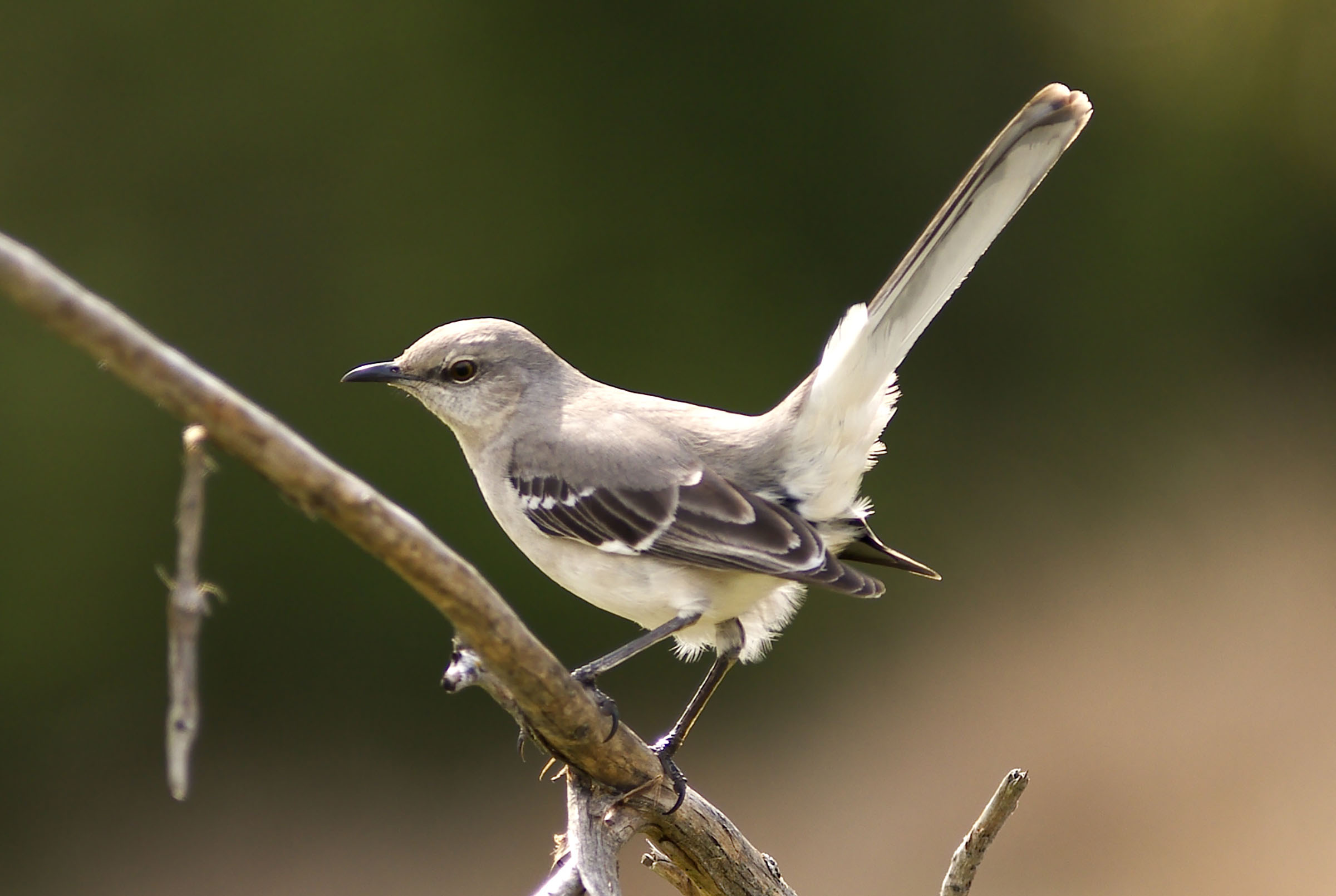
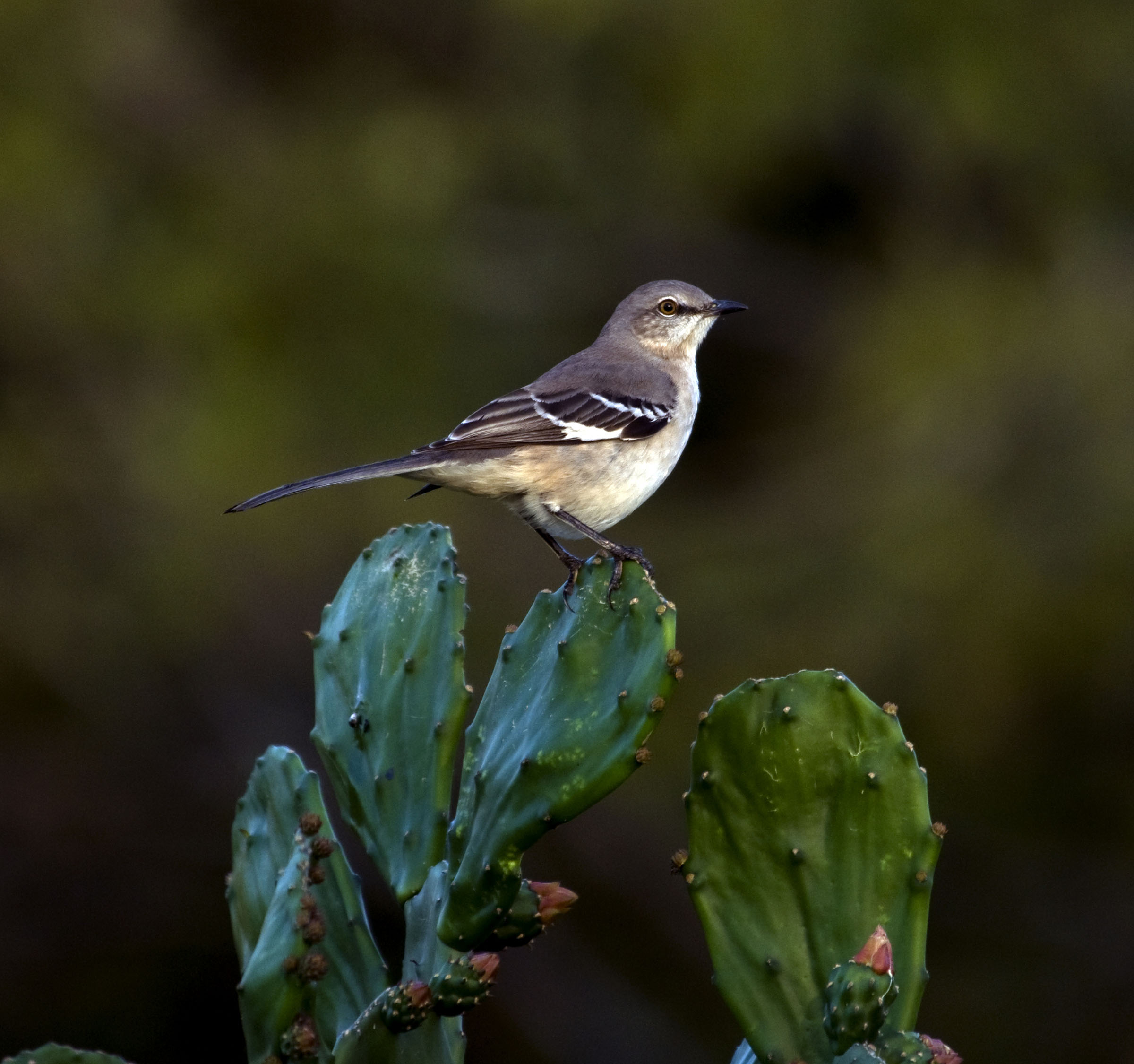
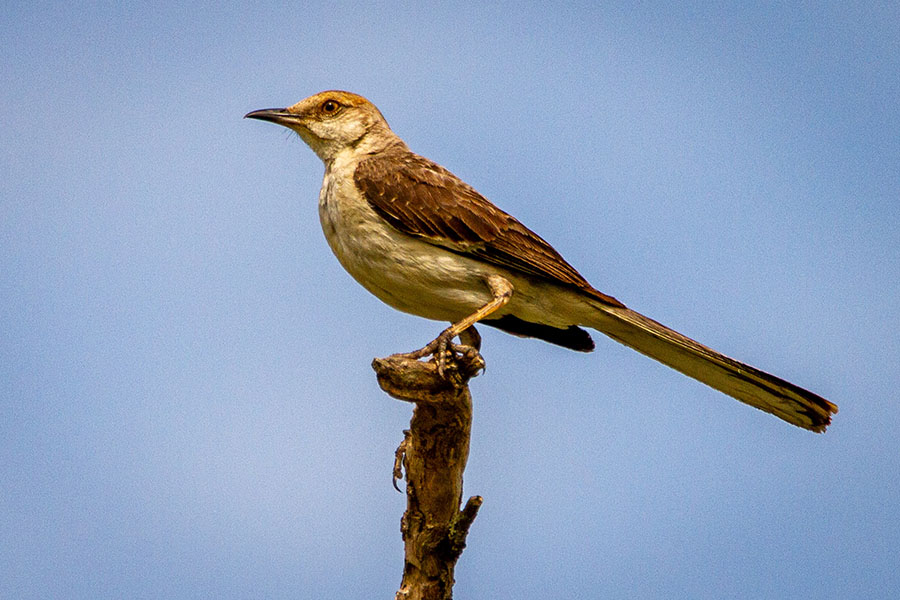
The Northern Mockingbird (Mimus polyglottos) is a medium-sized songbird, typically grayish-brown above and paler underneath, with distinctive white wing patches that flash prominently in flight. While its appearance might seem unassuming, it’s their incredible vocal abilities that truly set them apart. The scientific name, Mimus polyglottos, literally means “many-tongued mimic,” a fitting description for a bird known for its vast repertoire of songs.
Mockingbirds are celebrated for their ability to imitate the songs of other birds, often stringing together phrases from dozens of different species. They don’t stop there; they’ve been known to mimic everything from car alarms and barking dogs to piano melodies and even human voices. Their performance is not limited to imitation; they also have their own complex, original calls. During breeding season, particularly at dawn and dusk, a male mockingbird can sing continuously for hours, sometimes even through the night, a captivating serenade that fills the air. This remarkable vocal range and their tireless singing make them an unforgettable part of the Texas soundscape.
Beyond their vocal talents, mockingbirds are highly territorial and intelligent. They are often seen perched prominently, surveying their domain, and are not shy about defending their nests from perceived threats, showcasing a feisty spirit that many Texans admire. Their adaptability allows them to thrive in a variety of habitats, from dense woodlands to open fields, and most commonly, in suburban gardens and city parks, making them one of the most visible and audible birds across the state.
A Legacy Etched in Law: Texas’s Enduring Avian Emblem
The formal adoption of the Northern Mockingbird as the state bird in 1927 was largely due to the efforts of the Texas Federation of Women’s Clubs. Recognizing the bird’s ubiquitous presence, melodious song, and spirited nature, they successfully lobbied the Texas State Legislature to officially bestow this honor. This legislative act cemented the mockingbird’s status not just as a common bird, but as a living symbol of Texas’s natural heritage and pride.
This legacy makes encountering a Northern Mockingbird during your travels more than just a casual sighting; it’s a connection to a piece of Texas history and a recognition of a creature deeply embedded in the state’s identity. From school textbooks to local folklore, the mockingbird’s influence is widespread, serving as a gentle reminder of the wild beauty that persists even within the most developed corners of the Lone Star State.
Where to Witness the Mockingbird’s Magic in Texas
For travelers keen on experiencing the natural side of Texas, actively seeking out the Northern Mockingbird can be a rewarding endeavor. Given its adaptability, this iconic bird can be found almost anywhere there are trees and shrubs, from bustling urban green spaces to vast, protected natural preserves. Incorporating birdwatching into your itinerary offers a peaceful counterpoint to other tourist activities and provides a deeper connection to the local environment.
Urban Havens and Green Spaces: Spotting Mockingbirds in Texas Cities
Major Texas cities, renowned for their vibrant culture, historical landmarks, and world-class attractions, also offer surprisingly rich habitats for the Northern Mockingbird. City parks, botanical gardens, and even tree-lined residential streets are excellent places to spot and hear the state bird.
In Austin, the “Live Music Capital of the World,” you can enjoy the melodies of a different kind at Zilker Park. This expansive urban park, home to Barton Springs Pool and the Austin Nature & Science Center, is a prime location. Strolling along Lady Bird Lake or through the Austin Botanical Garden also provides ample opportunities.
Houston, a sprawling metropolis, boasts numerous green oases. Hermann Park, adjacent to the Museum District, is a fantastic spot, as is the larger Memorial Park, which offers extensive trails and natural areas perfect for birdwatching.
Dallas offers similar opportunities. Klyde Warren Park, a dynamic deck park over a freeway, provides unexpected urban wildlife encounters. For a more dedicated experience, the Dallas Arboretum and Botanical Garden is a stunning destination where the mockingbird’s song often accompanies the beauty of carefully cultivated flora.
San Antonio, famous for The Alamo and its picturesque Riverwalk, also has its share of natural retreats. Brackenridge Park, home to the San Antonio Zoo, and the San Antonio Botanical Garden are excellent places to observe the state bird in a tranquil setting, often amidst vibrant native plants.
Natural Preserves and State Parks: Immersive Birding Experiences
For a truly immersive birdwatching experience, venturing into Texas’s state parks and natural preserves is highly recommended. These areas offer more diverse ecosystems and a chance to see the mockingbird in its broader natural habitat, alongside many other native species.
The Rio Grande Valley in South Texas is particularly renowned as a birding hotspot, attracting enthusiasts from around the world. Estero Llano Grande State Park, often called “The Jewel of the Flyway,” is a prime example, offering wetlands, woodlands, and open fields where mockingbirds are abundant, alongside rare tropical species. Other notable parks in the valley include Bentsen-Rio Grande Valley State Park and the World Birding Center network.
Along the Texas Gulf Coast, places like Mustang Island State Park near Corpus Christi provide coastal habitats where mockingbirds can be seen flitting among the dunes and coastal vegetation. Even farther west, while known more for its dramatic desert landscapes, Big Bend National Park offers a unique ecosystem where the adaptable mockingbird can be found alongside more specialized desert birds, creating a diverse birdwatching opportunity for those venturing into the remote beauty of the Chisos Mountains.
Closer to the central part of the state, Dinosaur Valley State Park in Glen Rose allows visitors to literally follow in the footsteps of ancient creatures while enjoying the modern-day sounds of the mockingbird in its riverine and woodland settings. Wherever you go, from the smallest town park to the largest national preserve, the Northern Mockingbird is a constant, melodious companion, adding an authentic soundtrack to your Texas travel narrative.
Planning Your Texas Birdwatching Adventure: Accommodation & Lifestyle
Embracing the state bird as a focal point for your Texas travels opens up a world of experiences that blend nature appreciation with cultural exploration and comfortable accommodation. Whether you’re seeking luxury resorts or budget-friendly stays, Texas offers a vast selection, ensuring your trip is as memorable as it is harmonious.
Choosing Your Stay: From Boutique to Resort
The right accommodation can significantly enhance your travel experience. Texas caters to all preferences, from lavish suites in urban centers to cozy villas near natural attractions. When planning a birdwatching trip, consider locations that offer easy access to parks and preserves while also providing the amenities you desire.
For those seeking a luxurious escape, cities like Austin, Houston, and Dallas boast an impressive array of high-end hotels. In Austin, the Four Seasons Austin offers stunning views of Lady Bird Lake and convenient access to downtown green spaces. Dallas provides options like Hotel ZaZa Dallas, known for its unique boutique style and proximity to the Arts District. In Houston, The Post Oak Hotel at Uptown Houston defines opulence, offering a tranquil retreat amidst the city’s energy, often with nearby parks where mockingbirds can be heard. Many of these luxury properties offer amenities like gourmet dining, spa services, and concierge services to arrange local tours, including birding excursions.
Mid-range options are plentiful across the state, providing comfort and convenience without compromising on quality. Brands like Hyatt Regency, Marriott, and Embassy Suites have a strong presence in all major cities and many smaller towns, offering spacious rooms, often with breakfast included, making them ideal for family trips or longer stays. These options often provide a good balance between proximity to attractions and value, making booking and comparison easy.
For budget-conscious travelers or those seeking a more rustic experience, Texas has numerous vacation rentals, apartments, and economy hotels. Brands like La Quinta Inn & Suites or independent motels offer clean, comfortable stays. Furthermore, if your birdwatching adventure takes you to Texas State Parks, consider cabin rentals or RV parks within the parks themselves, offering unparalleled access to nature from dawn till dusk. These options are perfect for long-term stays or simply an authentic outdoor experience.
Reviews and online booking platforms are invaluable tools for comparing options and securing the perfect accommodation that aligns with your travel style and budget. Whether you prefer a luxury resort with all the bells and whistles, a family-friendly suite, or a simple, charming villa, Texas has a place for you to rest and rejuvenate after a day of exploration.
Experiencing Texas Beyond the Bird: Culture, Food, and Activities
While the Northern Mockingbird may be your avian muse, a trip to Texas offers an array of other unforgettable experiences. Integrating birdwatching with a broader exploration of Texas culture, food, and activities creates a well-rounded and enriching itinerary.
No visit to Texas is complete without indulging in its legendary culinary scene. Savor authentic Texas barbecue, with its smoky, slow-cooked perfection, found at iconic joints across the state. Explore the vibrant flavors of Tex-Mex cuisine, from sizzling fajitas to hearty enchiladas, often best enjoyed in local, family-run restaurants that embody the state’s rich cultural fusion.
Beyond gastronomy, dive into the unique attractions each region offers. In Austin, immerse yourself in the dynamic live music scene, particularly on Sixth Street or South Congress Avenue. Houston invites you to explore the wonders of space at Space Center Houston, a landmark of scientific achievement. San Antonio offers a journey back in time with its historic missions, including The Alamo, and the charming ambiance of the Riverwalk.
For family trips, Texas provides countless activities, from thrilling theme parks like Six Flags Over Texas to interactive museums and nature centers designed to engage young minds. For history buffs, visiting architectural marvels and famous places across the state offers a glimpse into Texas’s storied past. Whether your lifestyle leans towards luxury travel, budget exploration, or business stays with leisure extensions, Texas offers a tailored experience, often with the background chorus of its remarkable state bird.
Tips for an Unforgettable Texas Expedition
To make the most of your Texas adventure and increase your chances of a magical mockingbird encounter, a little preparation goes a long way. These tips will help you enjoy the natural beauty and vibrant culture of the Lone Star State to its fullest.
Essential Birdwatching Gear
For avid birdwatchers or curious novices, a few key items can significantly enhance the experience.
- Binoculars: A good pair of binoculars (8×42 or 10×42 are popular choices) will bring the mockingbirds and other wildlife into clear focus, allowing you to appreciate their details without disturbing them.
- Field Guide: A regional field guide to birds of Texas or North America will help you identify not only the mockingbird but also the myriad other species you’re likely to encounter. Many excellent mobile apps also serve this purpose.
- Camera: If photography is your passion, a camera with a zoom lens will capture those memorable moments. Even a smartphone can get good shots in the right conditions.
- Comfortable Footwear and Clothing: You’ll likely be doing a fair amount of walking, so comfortable shoes are a must. Layered clothing is advisable, as Texas weather can be unpredictable.
- Water and Snacks: Especially when exploring state parks, staying hydrated is crucial.
Best Times to Visit
While the Northern Mockingbird is a year-round resident in Texas, certain seasons offer optimal conditions for birdwatching and general tourism.
- Spring (March to May): This is arguably the best time. The weather is generally pleasant, wildflowers are in bloom (especially bluebonnets), and migratory birds pass through Texas, adding to the diversity of species. Male mockingbirds are also most active in their singing during breeding season.
- Fall (September to November): Another excellent time, with cooler temperatures and fall migrations providing another wave of diverse birdlife.
- Winter (December to February): Mild winters in much of Texas make it a pleasant escape from colder climates. While mockingbirds are still present, their singing may be less frequent.
- Summer (June to August): Can be very hot, especially in Central and South Texas, making midday birding challenging. However, early mornings and late evenings can still be productive.
Respecting Wildlife and Local Culture
As you explore Texas’s natural and cultural attractions, remember to practice responsible tourism.
- Leave No Trace: Pack out everything you pack in, stay on marked trails, and do not disturb wildlife or natural habitats.
- Observe from a Distance: Maintain a respectful distance from birds and other animals to avoid stressing them. Never feed wild animals.
- Engage with Locals: Texans are known for their hospitality. Don’t hesitate to ask for tips on local attractions, hidden gems, or even where to find the best Texas barbecue. Learning about local culture and history from residents enriches your experience immensely.
The Northern Mockingbird is more than just a state bird; it’s a living symbol that invites travelers to look closer, listen carefully, and appreciate the intricate beauty of Texas. From its unique song to its spirited defense of its territory, this remarkable bird embodies the essence of the Lone Star State. So, as you plan your next unforgettable journey, let the melodies of the Northern Mockingbird guide you through the diverse landscapes and vibrant experiences that only Texas can offer.
LifeOutOfTheBox is a participant in the Amazon Services LLC Associates Program, an affiliate advertising program designed to provide a means for sites to earn advertising fees by advertising and linking to Amazon.com. Amazon, the Amazon logo, AmazonSupply, and the AmazonSupply logo are trademarks of Amazon.com, Inc. or its affiliates. As an Amazon Associate we earn affiliate commissions from qualifying purchases.