
Florida, often hailed as the “Sunshine State,” is a premier global destination for a multitude of reasons, with its diverse and generally pleasant climate being a cornerstone of its allure. From the sprawling beaches of the Florida Panhandle to the vibrant metropolises of South Florida, and the tranquil springs of its interior, Florida‘s weather plays a pivotal role in shaping its landscapes, influencing its tourism, and dictating the ideal times to visit for every type of traveler. Understanding the nuances of Florida‘s climate is essential for planning unforgettable trips, whether you’re dreaming of a luxurious resort stay in Miami, an adventurous family vacation exploring the Everglades, or a peaceful retreat in a charming villa in the Florida Keys.
Understanding Florida’s Tropical and Subtropical Influences
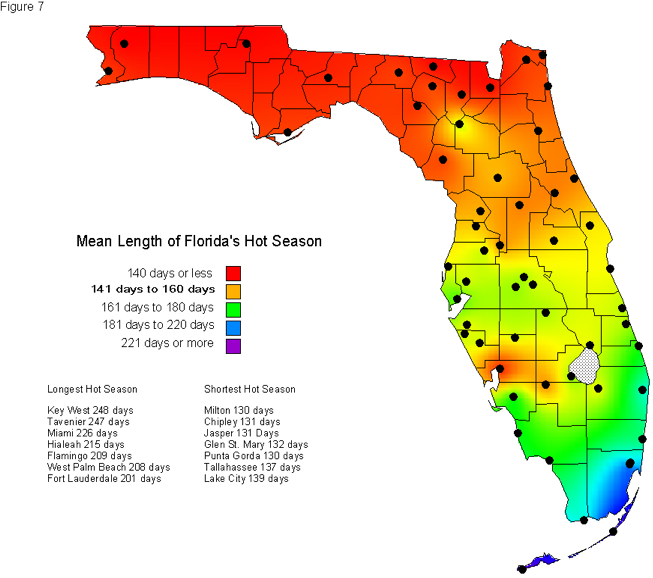
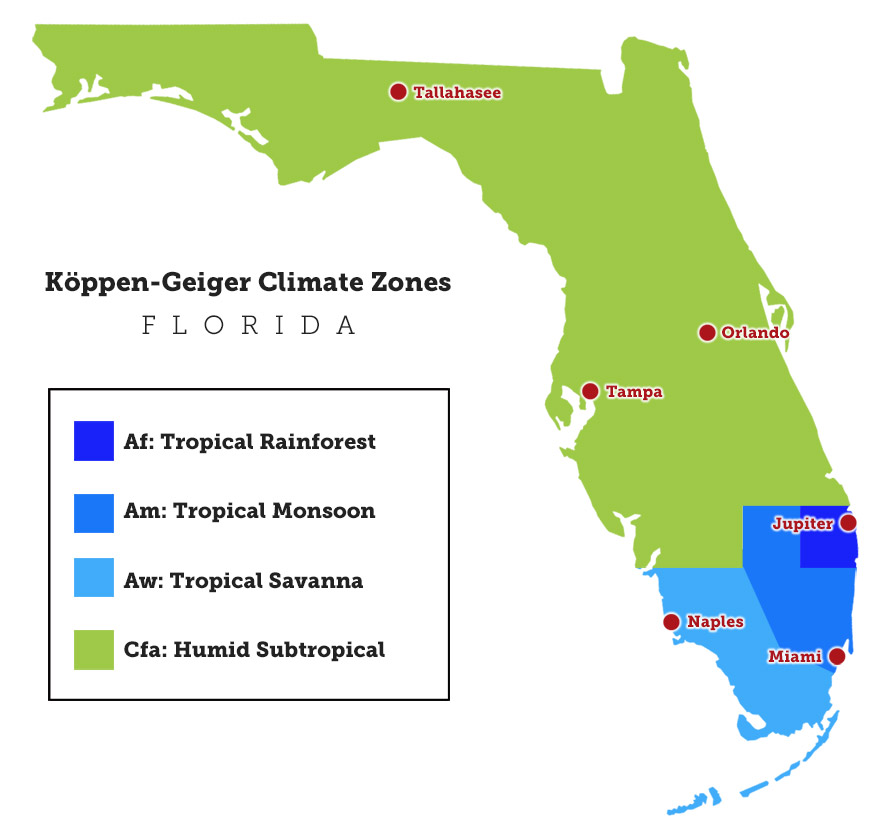
The climate of Florida is predominantly characterized by its subtropical and tropical nature, a direct consequence of its geographical location jutting out into the Atlantic Ocean and bordered by the Gulf of Mexico. This geographical advantage, coupled with warm ocean currents, results in warm to hot temperatures year-round, with distinct wet and dry seasons rather than the starkly contrasting four seasons experienced in more northerly regions. The state can be broadly divided into two climatic zones: the humid subtropical climate found in the northern and central parts, and the tropical monsoon climate prevalent in South Florida and the Florida Keys.
Northern Florida: The Humid Subtropical Experience
The northern reaches of Florida, including cities like Jacksonville, Tallahassee, and the Florida Panhandle, experience a humid subtropical climate. This means they enjoy warm, humid summers and mild, drier winters.
Summers in North Florida are typically hot, with average high temperatures in the 80s and 90s Fahrenheit (around 27-32°C). The humidity can make these temperatures feel even hotter, and afternoon thunderstorms are a common occurrence, providing a brief respite from the heat. These storms, while sometimes intense, are usually short-lived and are a natural part of the summer weather pattern. This period is ideal for those who enjoy the heat and are looking for classic beach weather, perhaps staying at a beachfront resort in Destin or exploring the historic sites of St. Augustine.
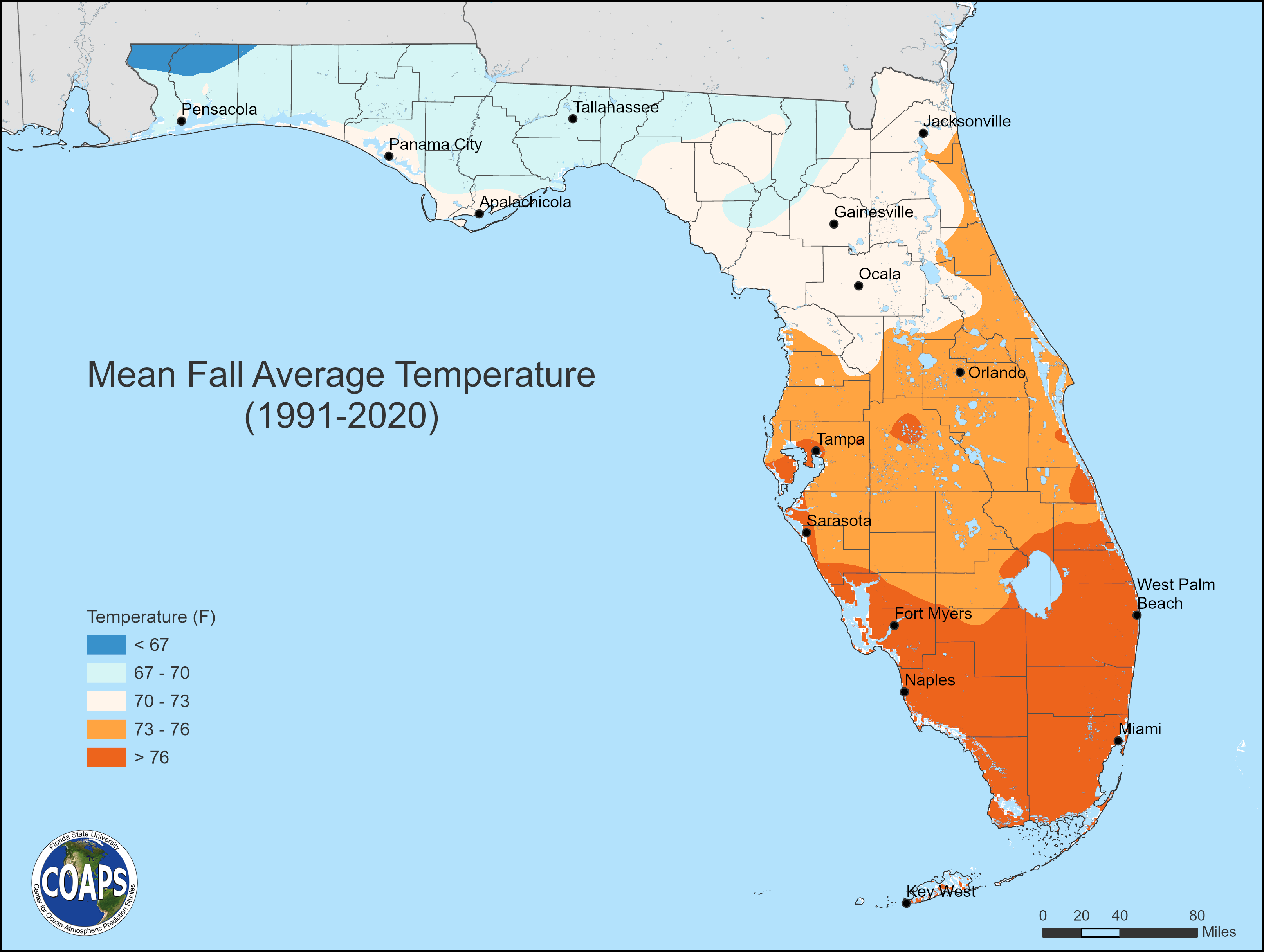
Autumn in North Florida is often considered one of the most pleasant times to visit. Temperatures begin to cool down, and humidity levels decrease, making it ideal for outdoor activities. The fall foliage, while not as dramatic as in some other parts of the country, can still offer beautiful displays, particularly in the more rural areas. This season is perfect for exploring attractions like Amelia Island or enjoying the local food scene in cities like Gainesville.
Winters are mild and comfortable, with average high temperatures typically in the 60s Fahrenheit (around 15-20°C). While occasional cold fronts can bring chilly days, freezing temperatures are relatively rare, especially along the coast. Snow is an extreme rarity. This makes North Florida an attractive destination for those escaping colder climates, offering a pleasant escape for a long-term stay or a winter getaway. It’s a great time for sightseeing, visiting attractions like Gainesville‘s natural springs, or enjoying the more subdued pace of life before the spring tourist season kicks in.
Spring sees a gradual warming trend, with temperatures becoming increasingly pleasant and humidity levels rising again as summer approaches. This is another prime time for travel, with blooming flora adding to the state’s natural beauty. Outdoor festivals and events often take place during this period, making it a vibrant time to explore.
Central and South Florida: The Tropical Influence
As you travel south, the climate transitions from humid subtropical to a more pronounced tropical influence, especially south of Lake Okeechobee and in the Florida Keys.
Central Florida, home to major theme parks like Walt Disney World and Universal Orlando Resort in Orlando, shares many characteristics with North Florida but experiences slightly warmer temperatures year-round and a more pronounced rainy season. Summers here are hot and humid, with frequent afternoon thunderstorms being a daily occurrence. This can be a consideration for theme park visitors, who might opt for indoor attractions or plan their outdoor experiences for the morning.
South Florida, including Miami, Fort Lauderdale, and Palm Beach, boasts a tropical monsoon climate. This means it experiences hot and humid weather for most of the year, with a distinct wet season and a dry season.
Summers in South Florida are hot and humid, with temperatures consistently in the high 80s and 90s Fahrenheit (around 30-35°C). The Atlantic hurricane season, officially running from June 1st to November 30th, is a significant factor during this time. While not every storm impacts the state directly, the potential for hurricanes and tropical storms means travelers should stay informed and prepared. Despite the heat and potential for rain, the beaches remain a major draw, and the nightlife in cities like Miami Beach is at its peak.
Autumn in South Florida sees the tail end of the hurricane season, but temperatures remain warm, and humidity is still high. As the season progresses into late autumn, the weather generally becomes more pleasant, with slightly cooler temperatures and less humidity, marking the beginning of the peak tourist season.
Winters in South Florida are remarkably mild and pleasant, often described as near-perfect. Average high temperatures hover in the 70s Fahrenheit (around 21-26°C), with lower humidity and less rainfall. This makes South Florida a popular destination for “snowbirds” and a prime location for luxury travel and resort stays during the winter months. It’s an excellent time for exploring the art deco architecture of Miami Beach, enjoying outdoor dining, or taking a leisurely cruise from Fort Lauderdale.
Spring brings warmer temperatures and increasing humidity, but it generally remains a very agreeable time to visit before the full intensity of the summer heat and rain sets in. The spring break period sees a surge in visitors, particularly in popular beach destinations.
The Impact of Climate on Florida’s Tourism and Activities
Florida‘s climate directly influences the types of tourism and activities that are popular throughout the year. The consistent warmth makes it an ideal destination for outdoor enthusiasts, beach lovers, and water sports aficionados.
Beach Life and Water Activities Year-Round
The extensive coastline of Florida, from the Gulf Coast’s powdery white sands to the Atlantic’s dynamic shores, is a primary draw. The warm waters of the Atlantic Ocean and the Gulf of Mexico make swimming, sunbathing, and various water sports like surfing, paddleboarding, and jet-skiing enjoyable for much of the year. Even in the cooler winter months in North Florida, the mild temperatures often permit beach visits, and South Florida offers a true year-round beach experience.
The Florida Keys, a chain of tropical islands, are renowned for their crystal-clear waters, vibrant coral reefs, and abundant marine life. Snorkeling and diving are exceptionally popular here, with sites like John Pennekamp Coral Reef State Park offering unparalleled underwater exploration. The warm waters, even in winter, make this a fantastic destination for those seeking aquatic adventures.
Theme Parks and Family Adventures
For families, Florida is synonymous with world-class theme parks, most notably in Orlando. While the summer months can be hot and humid with frequent thunderstorms, these parks are designed to accommodate such weather with indoor attractions and shaded areas. Visiting during the shoulder seasons – spring (outside of spring break) and fall – can offer more comfortable temperatures for exploring the vast resorts and attractions.
The natural wonders of Florida, such as the Everglades National Park, offer unique wildlife viewing opportunities. Airboat tours, kayaking, and hiking are popular activities. The best times to visit the Everglades are typically during the dry season (December to April), when wildlife is more concentrated around the remaining water sources, and temperatures are more moderate.
Exploring Florida’s Natural Beauty
Beyond the beaches and theme parks, Florida boasts diverse natural landscapes that are best enjoyed in different climatic conditions. The numerous springs, like those in Central Florida around Ocala and Gainesville, offer opportunities for swimming, snorkeling, and kayaking in refreshingly cool, clear waters year-round. The mild winters in these areas make them ideal for exploring the natural beauty without the intense summer heat.
The state’s numerous golf courses also benefit from its climate, with many enjoying year-round playability. The cooler, drier winter months are particularly popular for golf enthusiasts.
Navigating Florida’s Climate: Tips for Travelers
To make the most of a trip to Florida, understanding its climate and planning accordingly is key.
Peak Seasons and Shoulder Seasons
The peak tourist season in Florida generally aligns with the most favorable weather. In South Florida, this is typically from December to April, when the weather is warmest and driest. For theme parks and attractions, the shoulder seasons – spring (excluding spring break) and fall – often provide a good balance of pleasant weather and fewer crowds. North Florida experiences its peak season during the summer for beach-goers, but the spring and fall offer more comfortable temperatures for exploring its historical sites and natural attractions.
Preparing for Rainfall and Humidity
Even during the dry season, Florida can experience rain, especially the pop-up afternoon thunderstorms common in the summer. Packing a light, waterproof jacket or an umbrella is always a good idea. High humidity is a constant factor, particularly in the summer, so lightweight, breathable clothing is essential. Staying hydrated is crucial, especially when engaging in outdoor activities.
Hurricane Preparedness
For those traveling during the hurricane season (June 1st to November 30th), it’s advisable to monitor weather forecasts and be aware of potential travel disruptions. Many hotels and resorts have established hurricane preparedness plans. Purchasing travel insurance that covers weather-related cancellations can provide peace of mind.
In conclusion, Florida‘s climate is a defining characteristic that shapes its identity as a top tourist destination. From the sun-drenched beaches of the Florida Keys to the vibrant cultural hubs of Miami and the family-friendly attractions of Orlando, the Sunshine State offers a diverse range of experiences, all under the influence of its warm, subtropical and tropical weather patterns. Whether you seek adventure, relaxation, or cultural immersion, understanding Florida‘s climate will help you plan the perfect escape to this enchanting corner of the United States.
LifeOutOfTheBox is a participant in the Amazon Services LLC Associates Program, an affiliate advertising program designed to provide a means for sites to earn advertising fees by advertising and linking to Amazon.com. Amazon, the Amazon logo, AmazonSupply, and the AmazonSupply logo are trademarks of Amazon.com, Inc. or its affiliates. As an Amazon Associate we earn affiliate commissions from qualifying purchases.