
The mention of Hawaii instantly conjures images of pristine beaches, swaying palm trees, volcanic landscapes, and the shimmering blue of the Pacific Ocean. Yet, beyond these iconic vistas lies a deeper, more vibrant symbol of the islands’ unique spirit: its state flower. For many visitors and residents alike, the state flower is more than just a botanical specimen; it’s a living emblem of Hawaiian culture, resilience, and unparalleled natural beauty. It’s a touchstone for those exploring the islands, from the bustling streets of Honolulu to the serene valleys of Kauai. Understanding this floral icon offers a deeper appreciation for Hawaii as a travel destination, enriching the experience for anyone interested in its local culture, natural landmarks, and distinct lifestyle.
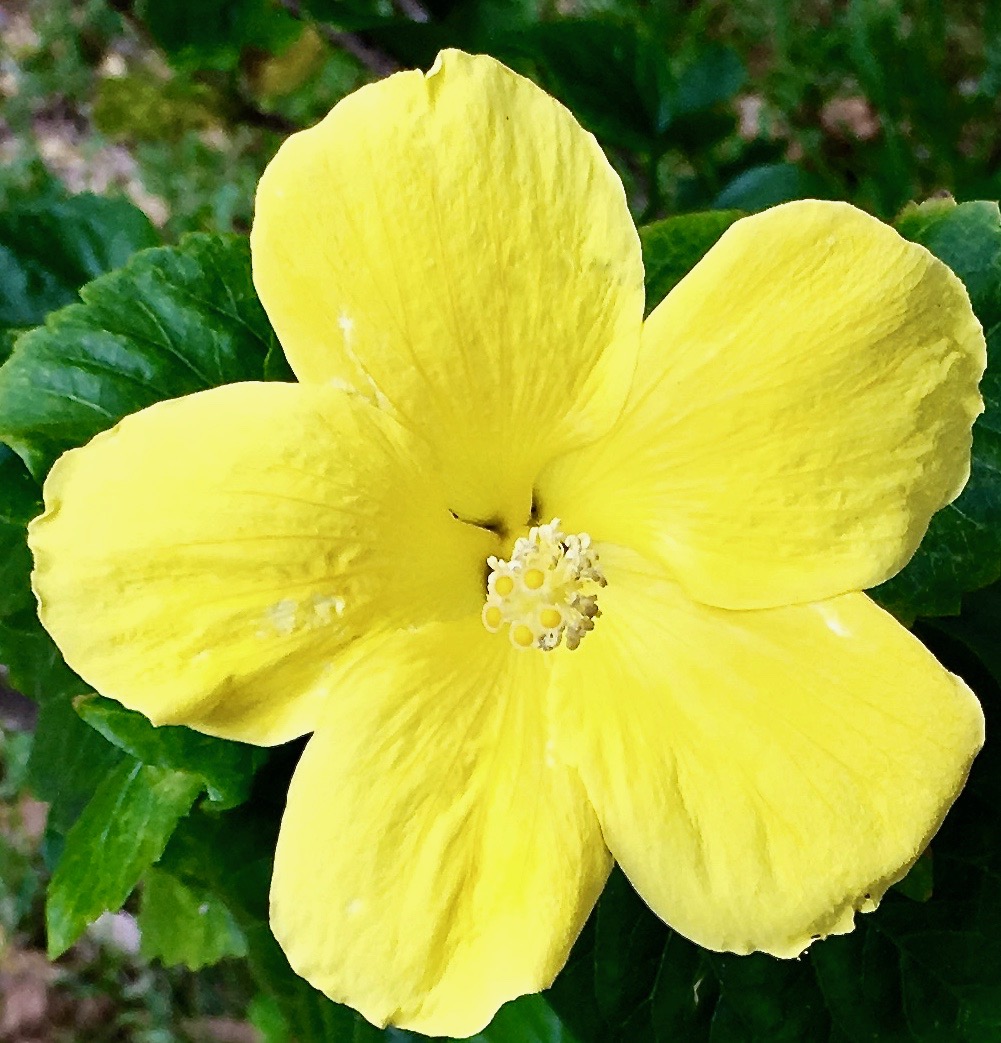
At the heart of Hawaii’s natural heritage, the official state flower is the yellow hibiscus, specifically the Hibiscus brackenridgei, known in Hawaiian as the Maʻo Hau Hele. This particular species, native and endemic to the islands, stands as a testament to Hawaii’s incredible biodiversity and its commitment to preserving its unique flora. While many people associate the general hibiscus flower with Hawaii, it is this specific, often elusive, yellow variety that holds the esteemed title. Its vibrant hue mirrors the golden sun that bathes the islands, and its delicate yet robust form speaks to the enduring spirit of the Hawaiian people. For travelers seeking authentic experiences, encountering the Maʻo Hau Hele can be a highlight, connecting them directly to the natural pulse of the archipelago.
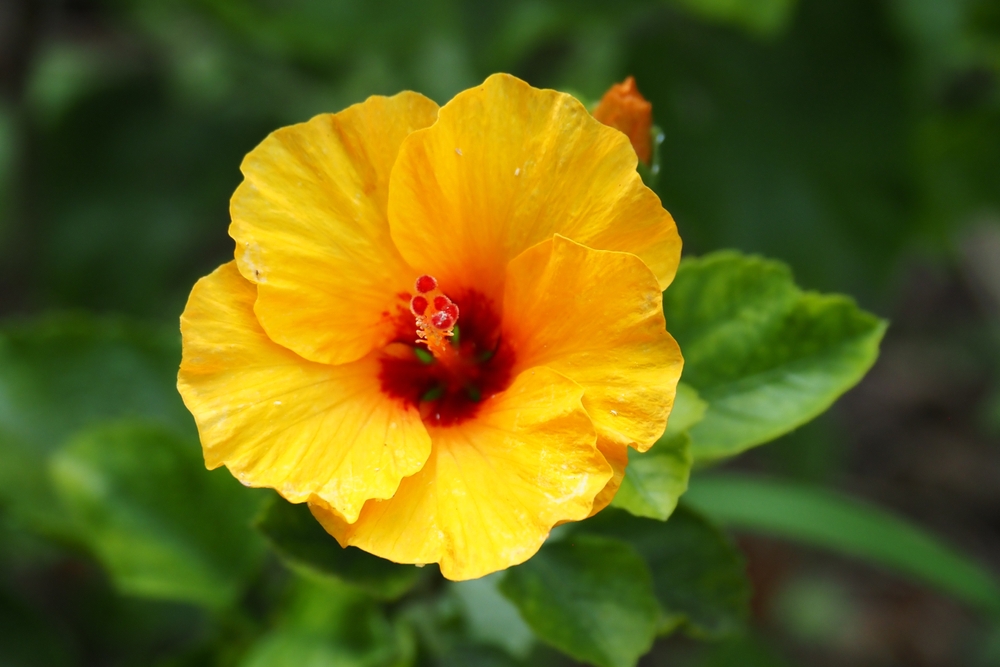
The Maʻo Hau Hele: Hawaii’s Golden Emblem
The official designation of the yellow hibiscus, or Maʻo Hau Hele, as Hawaii’s state flower occurred relatively late in 1988, replacing the more generic red hibiscus which had unofficially held the title. This change was a deliberate effort to honor an indigenous species, one that truly represents the unique evolutionary path of Hawaii’s ecosystems. Unlike its more common cousins, the Maʻo Hau Hele is a rare sight, often found in dry, rocky, and open shrubland environments across several islands, including Oahu, Maui, Kauai, Molokai, and the Big Island of Hawaii. Its elusive nature adds to its allure, making any sighting a special moment for nature enthusiasts and casual observers alike.
A Legacy of Beauty and Resilience
The Maʻo Hau Hele is a woody shrub that can grow into a small tree, adorned with striking, sulfur-yellow petals that sometimes feature a deep red or maroon throat. Its beauty is subtle yet profound, a testament to the diverse and often challenging environments it thrives in. The flower’s resilience, enduring arid conditions and strong winds, mirrors the strength and adaptability of the Hawaiian culture itself. For visitors exploring Hawaii’s natural landmarks, from the slopes of Diamond Head to the volcanic fields near Kona, understanding this resilience enhances their appreciation for the islands’ rugged yet vibrant landscapes. The presence of the Maʻo Hau Hele in these natural settings reminds us of the delicate balance of ecosystems and the importance of conservation efforts. Many tour operators and eco-tourism guides now highlight the native flora, providing travelers with insights into the plants that truly define the islands.
From Ancient Roots to Modern Gardens
Historically, the hibiscus, in its various forms, held cultural significance for ancient Hawaiians. While the specific Maʻo Hau Hele was perhaps less used in everyday ornamentation due to its rarity, its larger hibiscus family played a role in traditional medicine and dye-making. Today, the yellow hibiscus is more commonly cultivated in botanical gardens and some private collections, offering a controlled environment for its preservation and study. For those interested in Hawaiian botany, visiting places like the Honolulu Botanical Gardens or the Maui Nui Botanical Gardens provides a unique opportunity to see the state flower up close, along with countless other indigenous and endemic species. These landmarks are not just tourist attractions; they are vital centers for education and conservation, allowing visitors to connect with the scientific and cultural narratives embedded in Hawaii’s natural world. Such visits are often included in guided tours focusing on local culture and sustainable tourism, offering a deeper dive than typical beach-centric itineraries.
Embracing the Hibiscus in Hawaiian Culture and Tourism
The hibiscus, in general, is an omnipresent symbol across the Hawaiian Islands, interwoven into the fabric of daily life, local traditions, and the broader tourism experience. While the yellow Maʻo Hau Hele holds the official state title, the profusion of red, pink, white, and orange hibiscus varieties found everywhere – from hotel lobbies to roadside hedges – often serves as the visual shorthand for Hawaii’s lush beauty. This ubiquitous presence contributes significantly to the islands’ reputation as a vibrant, welcoming destination, influencing everything from local fashion to resort aesthetics. For tourists, encountering these beautiful blooms is an integral part of their travel experience, often captured in photographs and shared memories.
The Art of Lei-Making and Floral Traditions
Perhaps one of the most iconic cultural expressions involving flowers in Hawaii is the art of lei-making. While plumeria, orchids, and pikake are more commonly used for intricate leis due to their fragrance and durability, the hibiscus, especially its showier cultivated varieties, frequently adorns hair, hats, and individual decorations. The lei, a garland of flowers, leaves, or shells, is a symbol of love, honor, friendship, and greeting. Receiving a lei upon arrival at a Hawaiian airport, hotel, or special event is a cherished tradition, immediately immersing visitors in the warmth of Hawaiian hospitality. Many resorts and cultural centers, such as the Polynesian Cultural Center on Oahu, offer workshops where guests can learn the delicate craft of lei-making, providing a hands-on experience with Hawaiian traditions and a deeper connection to local culture. This activity is a fantastic way to engage with the lifestyle of the islands, moving beyond simply observing to actively participating.
Beyond the Bloom: Its Role in Local Festivities
Beyond leis, the hibiscus motif appears extensively in Hawaiian art, textiles, and even culinary presentations. It symbolizes delicate beauty and happiness, themes that resonate deeply with the islands’ relaxed, aloha spirit. Festivals and celebrations often incorporate floral decorations, and the vibrant colors of hibiscus flowers are a natural fit for these joyous occasions. While the rare Maʻo Hau Hele might not be widely available for such uses, its symbolic weight as the state flower elevates the entire hibiscus family. From local hula performances to farmers’ markets, the presence of these tropical blossoms enhances the atmosphere, offering visitors a sensory feast that defines the unique character of Hawaii’s tourism. Engaging with these local festivities provides authentic insights into the Hawaiian lifestyle, making any trip feel less like a mere vacation and more like an immersive cultural journey.
Experiencing Hawaii’s Flora: Travel and Accommodation Insights
For travelers, the opportunity to witness Hawaii’s stunning flora, including the illustrious state flower, is a significant draw. Integrating natural exploration into a travel itinerary enhances the overall experience, offering a different dimension to the typical beach holiday. Whether staying in luxury resorts or more budget-friendly accommodations, there are ample opportunities to connect with the botanical wonders of the islands, often just a short distance from major hotel districts like Waikiki or Wailea.
Botanical Gardens and Natural Sanctuaries
The best places to encounter the Maʻo Hau Hele and a vast array of other native Hawaiian plants are the various botanical gardens and nature preserves scattered across the islands. These carefully curated landmarks not only showcase the beauty of Hawaii’s flora but also play a critical role in conservation.
- National Tropical Botanical Garden (Kauai and Maui): This organization manages several gardens, including Limahuli Garden and Preserve on Kauai and Kahanu Garden on Maui, both of which are dedicated to preserving rare and endangered tropical plants, including native hibiscus species.
- Lyon Arboretum (Oahu): Located in a lush rainforest valley above Manoa in Honolulu, this 194-acre botanical garden is part of the University of Hawaii and is home to an extensive collection of tropical plants. It’s a fantastic spot for a nature walk and often features native hibiscus varieties.
- Koko Crater Botanical Garden (Oahu): Situated within an arid volcanic crater, this garden specializes in drought-tolerant plants, including many native Hawaiian species adapted to dry conditions, making it a prime location to spot the Maʻo Hau Hele.
Visiting these botanical landmarks offers an educational and aesthetically rewarding experience, often included in eco-tourism packages or easily accessible via public transport or rental car from most accommodations. They provide a tranquil escape from more crowded tourist spots and highlight Hawaii’s commitment to preserving its natural heritage.
Finding the Hibiscus in Hawaiian Resorts and Hotels
While the specific Maʻo Hau Hele may be a rare find in commercial landscapes, the broader hibiscus family is a staple of Hawaiian resort landscaping. Many luxury hotels and resorts pride themselves on their meticulously maintained tropical gardens, featuring diverse hibiscus varieties alongside plumeria, heliconia, and orchids. Guests staying at properties like the Grand Hyatt Kauai Resort & Spa, the Four Seasons Resort Maui at Wailea, or the Hilton Hawaiian Village Waikiki Beach Resort will find themselves surrounded by an explosion of floral color. These beautiful settings contribute significantly to the overall aesthetic and ambiance, enhancing the luxury travel experience. Even boutique hotels and vacation rentals often feature hibiscus plantings, allowing guests to wake up to the sight of these iconic blooms. Exploring the grounds of your accommodation can itself be a mini botanical tour, especially at resorts designed with extensive garden pathways.
Sustainable Tourism and Preserving Natural Beauty
The emphasis on the native Maʻo Hau Hele as the state flower underscores Hawaii’s broader commitment to sustainable tourism and the preservation of its fragile ecosystems. Responsible travel practices, such as staying on marked trails, supporting local conservation efforts, and choosing accommodations that prioritize environmental stewardship, help ensure that these natural wonders remain for future generations. Many eco-friendly resorts and tourism operators actively engage in conservation projects, including planting native species and educating visitors about Hawaii’s unique biodiversity. By choosing to explore the islands with an appreciation for its natural heritage, travelers contribute to the ongoing efforts to protect the very beauty that draws millions to its shores each year. This mindful approach aligns with a lifestyle of conscious travel, prioritizing impact alongside enjoyment.
Planning Your Hawaiian Escape: A Floral Perspective
Incorporating an appreciation for Hawaii’s state flower and its surrounding flora can significantly enhance any trip, transforming a simple vacation into a rich cultural and natural exploration. Whether you’re planning a family trip, a romantic getaway, or a solo adventure, a floral perspective offers unique itineraries and memorable experiences, deeply connecting you to the heart of the islands.
Best Time to Witness the Blooms
The beauty of Hawaii’s climate means that flowers, including various hibiscus species, are generally in bloom year-round. However, for those specifically hoping to spot the elusive native Maʻo Hau Hele in its natural habitat, drier seasons might offer better chances, as it thrives in arid environments. Typically, Hawaii’s drier months span from April to October. During these months, while common hibiscus varieties will flourish across the islands, seeking out botanical gardens or guided nature tours focused on native plants will be your best bet for a sighting of the state flower. Even in the wetter winter months (November to March), the vast majority of tropical flowers remain abundant and vibrant, ensuring a colorful backdrop to any travel experience.
Creating Your Own Hibiscus-Inspired Itinerary
Designing an itinerary around Hawaii’s floral beauty can be both enriching and diverse, appealing to various travel styles and budgets.
- For Nature Enthusiasts (Budget to Mid-Range Travel): Prioritize visits to botanical gardens such as Lyon Arboretum or Koko Crater Botanical Garden on Oahu, or the National Tropical Botanical Garden sites on Kauai and Maui. Consider staying in boutique hotels or vacation rentals near these areas, allowing for easy access to hiking trails and nature walks. Look for accommodations that emphasize native landscaping.
- For Luxury Travelers and Spa Lovers: Choose high-end resorts known for their expansive and exquisitely landscaped grounds, like The Ritz-Carlton, Kapalua on Maui or the St. Regis Princeville Resort on Kauai. Many spas in these resorts incorporate Hawaiian botanicals into their treatments, offering a luxurious, sensory connection to the islands’ flora. Enjoy fine dining restaurants that may feature edible flowers or hibiscus-infused cocktails.
- For Culture Seekers and Family Trips: Integrate cultural experiences like lei-making workshops offered at various hotels or cultural centers. Visit local markets (like those near Ala Moana Center in Honolulu) to see local floral arrangements and crafts. Explore historical landmarks such as Waimea Valley on Oahu, which combines cultural sites with beautiful botanical collections. These activities are engaging for all ages and provide a tangible connection to Hawaiian traditions.
- For Adventure Seekers: While hiking to remote areas, keep an eye out for the native Maʻo Hau Hele if you’re in the right habitat (dry, open shrublands). Combine your quest for the state flower with other outdoor pursuits like surfing, snorkeling, or exploring volcanic landscapes. Many eco-adventure tours will touch upon the native plant life.
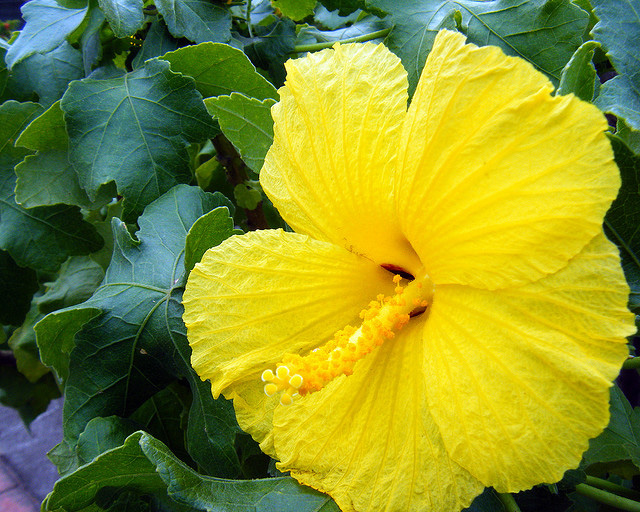
Ultimately, the yellow hibiscus, Maʻo Hau Hele, is a powerful symbol of Hawaii’s enduring beauty and unique identity. By seeking it out, whether in a protected garden or through the broader embrace of its hibiscus relatives, travelers can gain a deeper, more meaningful connection to these incredible islands. It’s a reminder that Hawaii is not just a destination for sun and sand, but a vibrant tapestry of culture, history, and unparalleled natural wonders, all blossoming under the golden Hawaiian sun.
LifeOutOfTheBox is a participant in the Amazon Services LLC Associates Program, an affiliate advertising program designed to provide a means for sites to earn advertising fees by advertising and linking to Amazon.com. Amazon, the Amazon logo, AmazonSupply, and the AmazonSupply logo are trademarks of Amazon.com, Inc. or its affiliates. As an Amazon Associate we earn affiliate commissions from qualifying purchases.