
For anyone who has ever visited the expansive and diverse landscape of the Lone Star State, particularly during the vibrant spring months, the answer to the question “What is the state flower of Texas?” is often immediately apparent. It is the enchanting and ubiquitous Bluebonnet, a wildflower that transforms fields, roadsides, and rolling hills into breathtaking canvases of sapphire and indigo. More than just a beautiful bloom, the Bluebonnet is a profound symbol of Texan pride, resilience, and natural beauty, deeply woven into the state’s cultural fabric. Its annual appearance is not merely a seasonal event; it’s a beloved tradition, drawing travelers from across the globe to witness one of nature’s most spectacular displays.
The appeal of the Bluebonnet extends far beyond its aesthetic charm. It represents an essential aspect of Texas tourism, offering unique travel experiences that blend natural wonders with local culture. For those planning a trip, understanding the significance of this iconic flower and knowing where and when to see it bloom can transform a simple vacation into an unforgettable adventure. Whether you’re interested in travel destinations, planning your accommodation, or seeking authentic cultural experiences, the Bluebonnet season offers a distinct lens through which to explore the heart of Texas. This guide will delve into the history, cultural impact, and practical tips for experiencing the magnificent Bluebonnet in its full glory.
The Iconic Bluebonnet: A Symbol of the Lone Star State
The Bluebonnet holds a special place in the hearts of Texans and nature lovers alike. Its striking beauty and widespread presence across the state make it an undeniable emblem. But what exactly makes this particular wildflower so special, and how did it come to represent such a proud and independent state?
Unveiling the Bluebonnet’s Identity
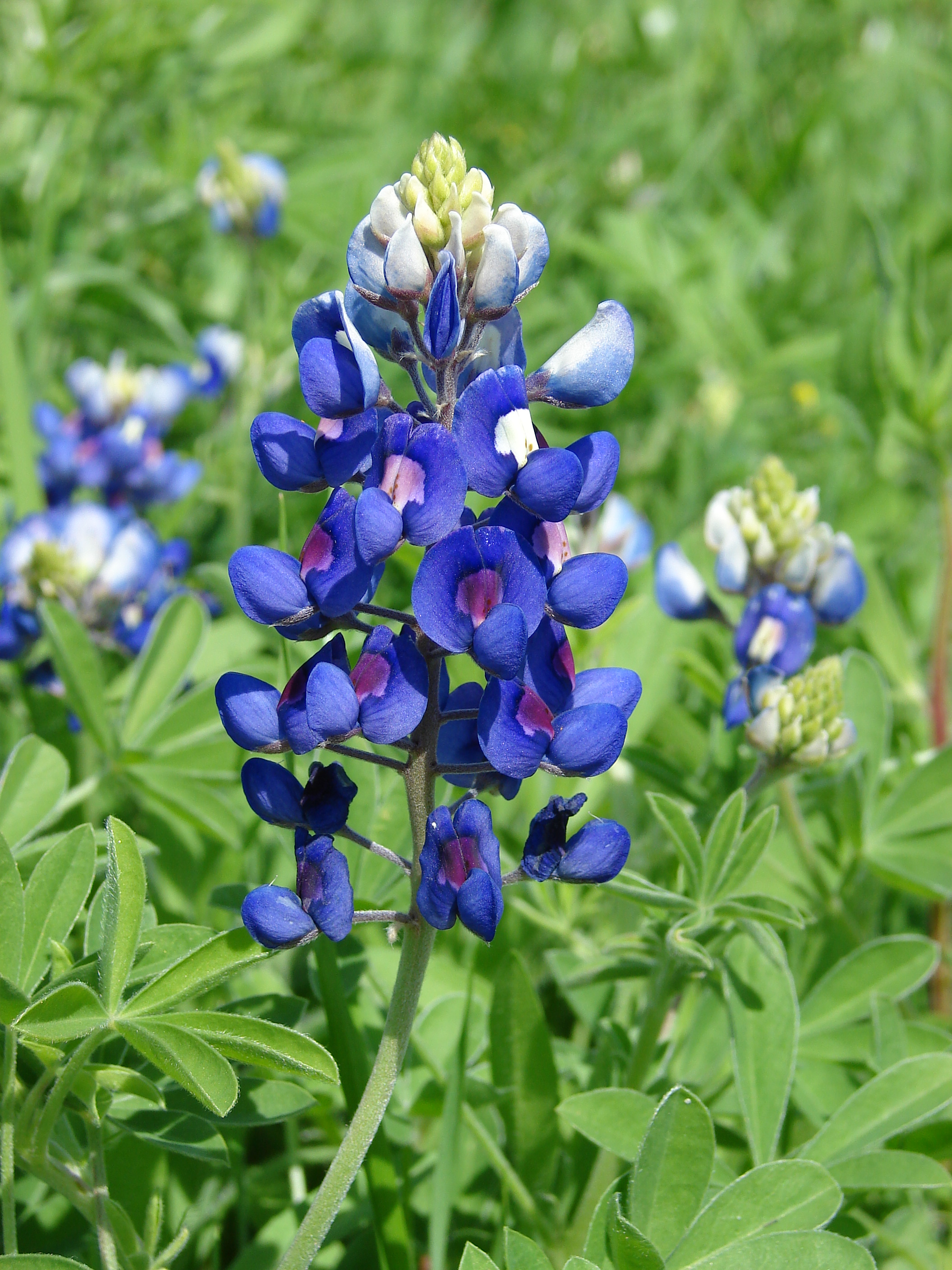
The term “Bluebonnet” actually refers to several species of Lupinus found in Texas. The most commonly recognized and officially designated state flower is Lupinus texensis, often called the Texas Bluebonnet. However, the designation also includes Lupinus subcarnosus (the Buffalo Clover or Sandyland Bluebonnet), Lupinus Havardii (the Big Bend Bluebonnet), Lupinus concinnus (the Annual Decumbent Bluebonnet), and Lupinus plattensis (the Plains Bluebonnet). Each species contributes to the diverse tapestry of blue that blankets the state each spring.
The Lupinus texensis is perhaps the most iconic. It typically grows to about 12 to 18 inches tall, featuring dense spikes of deep blue, pea-like flowers, often tipped with white or reddish-purple. The petals are arranged in such a way that they resemble the bonnets worn by pioneer women, hence the charming name. These hardy annuals thrive in the calcareous soils of Central Texas, creating expansive fields of vibrant color. Their ability to flourish in challenging conditions, transforming arid landscapes into lush floral displays, is often seen as a metaphor for the enduring spirit of Texas itself. This natural landmark serves as a powerful draw for tourism, showcasing the raw beauty of the state’s natural environment.
A Rich History and Cultural Significance
The journey of the Bluebonnet to becoming the official state flower is a fascinating tale rooted in late 19th and early 20th-century Texan pride. In 1901, the Texas State Legislature engaged in a spirited debate over the selection of a state flower. While cotton and the prickly pear cactus were strong contenders, members of the National Society of Colonial Dames of America passionately advocated for the Bluebonnet, specifically Lupinus subcarnosus. Their efforts, coupled with the popular sentiment for the flower, ultimately led to its official designation. Later, in 1971, recognizing the prevalence and beauty of other species, the legislature wisely broadened the definition to include all native Lupinus species of Texas as the state flower.
Beyond legislative decree, the Bluebonnet has deeply permeated Texas culture. It features prominently in art, literature, and music, symbolizing the state’s rugged beauty and independent spirit. Numerous legends and folklore surround the flower, often depicting it as a gift from Native American spirits or a symbol of sacrifice and bravery. Children grow up with tales of the Bluebonnet, and its image is ubiquitous on postcards, souvenirs, and local crafts. This cultural embedding makes the Bluebonnet an integral part of the Texan lifestyle and a key attraction for those seeking authentic local experiences. The annual bloom fosters a sense of community, with families often making yearly pilgrimages to specific spots for photographs and picnics amidst the blossoms, embodying the spirit of family trips.
Where and When to Witness the Bluebonnet Spectacle
Experiencing the Bluebonnet bloom is a quintessential Texas experience, attracting hundreds of thousands of visitors each spring. Knowing the prime locations and timing is crucial for planning your travel and ensuring you capture the magic of these vibrant fields.
Prime Bluebonnet Viewing Destinations
While Bluebonnets can be found in many parts of Texas, certain regions are renowned for their particularly spectacular displays. The Texas Hill Country is arguably the most famous and popular destination for bluebonnet viewing. Its rolling terrain, punctuated by picturesque towns and winding rivers, provides the perfect backdrop for the flowers.
Key towns and areas within the Hill Country that are famous for their Bluebonnet trails and fields include:
- Burnet: Known as the “Bluebonnet Capital of Texas,” Burnet hosts an annual Bluebonnet Festival that draws massive crowds. The surrounding countryside, particularly along Highway 29, offers stunning vistas.
- Marble Falls: Just south of Burnet, Marble Falls and its scenic drives around Lake Marble Falls are another excellent spot.
- Fredericksburg: This charming German town is surrounded by fields of Bluebonnets and other wildflowers, especially along Highway 16 and Highway 290. It’s also a hub for wineries, making it a popular destination for those seeking luxury travel experiences alongside natural beauty.
- Llano: To the west of Burnet, Llano offers more secluded fields and less crowded viewing opportunities.
- Ennis: Located south of Dallas, Ennis is officially designated the “Official Texas Bluebonnet Trail” and boasts over 40 miles of mapped scenic drives, meticulously maintained by local volunteers. This organized approach to bluebonnet viewing makes it an excellent option for guided tours.
- Brenham and Chappell Hill: Situated between Houston and Austin, these historic towns are nestled in rolling pastures that become awash with blue during peak season. They also offer a glimpse into local culture and heritage.
Beyond these specific towns, general routes like Farm to Market Road 1431 between Marble Falls and Lago Vista, or a drive along the scenic Willow City Loop near Fredericksburg, are highly recommended for capturing stunning photographs and enjoying the serene beauty of the wildflowers. These attractions become temporary landmarks during the blooming season, drawing significant tourism.
The Best Time for Your Bluebonnet Journey
Timing is everything when it comes to experiencing the Bluebonnet bloom. The peak season typically runs from late March through mid-April. However, the exact timing can vary significantly from year to year depending on weather patterns, particularly rainfall and temperature during the preceding fall and winter. A wet fall usually leads to a more abundant bloom the following spring.
To maximize your chances of witnessing the best displays, it’s advisable to:
- Monitor local reports: Websites and local tourism boards in Texas Hill Country towns often provide “wildflower updates” as the season approaches.
- Plan for early to mid-April: This window generally offers the safest bet for widespread blooms across the primary viewing areas.
- Consider weekdays: Weekends, especially during peak bloom, can be extremely crowded, particularly at popular spots. Visiting on a weekday can offer a more tranquil and enjoyable experience.
Planning your trip during this short but spectacular window requires foresight, especially regarding accommodation. Hotels, resorts, and bed and breakfasts in these areas book up quickly, making early reservations a wise decision for any traveler.
Planning Your Texas Bluebonnet Adventure
A journey to see the Texas Bluebonnets is more than just a drive through fields; it’s an immersive travel experience. To make the most of your trip, consider both where you’ll stay and what other attractions you can weave into your itinerary.
Accommodation Options for Flower Enthusiasts
Given the popularity of the Bluebonnet season, securing the right accommodation is paramount. The options cater to various preferences and budgets, fitting into different lifestyle categories from luxury travel to budget travel.
- Hotels and Motels: Cities and towns near the prime viewing areas, such as Austin, San Antonio, Fredericksburg, Marble Falls, and Burnet, offer a range of hotels. From budget-friendly chains to boutique hotels, you’ll find options that provide comfort and convenience. Booking well in advance is highly recommended, sometimes as early as six months out, especially for peak weekends.
- Resorts and Spas: For those seeking a more luxurious experience, the Hill Country boasts several high-end resorts that combine natural beauty with upscale amenities. These can be perfect for a romantic getaway or a relaxing escape after a day of wildflower hunting. Examples might include properties around Lake Travis or the Omni Barton Creek Resort & Spa near Austin.
- Bed and Breakfasts (B&Bs): Particularly prevalent in quaint towns like Fredericksburg, Wimberley, and Chappell Hill, B&Bs offer a charming and personalized stay, often with local insights and home-cooked breakfasts. They provide a unique way to immerse yourself in the local culture and hospitality.
- Vacation Rentals: Platforms like Airbnb and VRBO offer a wide array of houses, cabins, and apartments, ideal for families, groups, or those desiring more space and privacy. Many are located in scenic areas, providing easy access to bluebonnet fields. This option is especially great for family trips, offering flexibility and comfort.
- Camping and RV Parks: For the adventurous and budget-conscious traveler, several state parks and private campgrounds in the Hill Country offer camping options. This allows for an even closer connection to nature and a truly immersive experience under the vast Texas sky.
Regardless of your choice, early booking is key, as these accommodations fill up rapidly once the bloom season is announced. Comparison shopping and checking reviews are always good tips for securing the best stay.
Beyond the Blossoms: Enhancing Your Texas Trip
While the Bluebonnets are undoubtedly the star attraction, a trip to Texas during spring offers a wealth of other activities and destinations to enrich your itinerary. Integrating these into your travel plans can provide a holistic view of Texan life and culture.
- Wineries and Vineyards: The Texas Hill Country is home to a burgeoning wine industry, often referred to as “Texas Wine Country.” Many wineries, particularly around Fredericksburg and Stonewall, offer tastings and tours, providing a delightful complement to wildflower viewing. Imagine sipping local wines while overlooking fields of blue!
- Historic Towns and Landmarks: Explore the rich history of towns like Fredericksburg, Gruene, or San Antonio. Visit iconic landmarks such as the Alamo in San Antonio or wander through the historic districts, experiencing local architecture and heritage.
- Outdoor Activities: The Hill Country offers numerous opportunities for outdoor enthusiasts. Hiking in state parks like Enchanted Rock State Natural Area or Pedernales Falls State Park, kayaking on rivers, or birdwatching are popular activities.
- Local Cuisine and Food Trails: No trip to Texas is complete without indulging in its famous cuisine. From authentic Texas Barbecue to Tex-Mex and German bakeries in Fredericksburg, there’s a culinary adventure waiting. Explore local farmers’ markets for fresh produce and artisanal goods.
- Photography Tips: When taking photos of the Bluebonnets, remember to be respectful of private property and avoid trampling the flowers. Stay on designated paths or the edges of fields. Golden hour (just after sunrise or before sunset) provides the best light for stunning photographs.
The Bluebonnets offer a unique and beautiful reason to travel to Texas. By thoughtfully planning your journey, including your accommodation and incorporating other attractions, you can create a memorable and enriching travel experience that celebrates the vibrant culture and breathtaking natural beauty of the Lone Star State. It’s an adventure that promises not just sights, but true immersion into the Texan lifestyle.
The Bluebonnet is more than just the state flower of Texas; it is a seasonal phenomenon that captivates and inspires all who witness its annual bloom. From its humble origins to its revered status as a cultural icon, the Bluebonnet embodies the spirit of resilience, beauty, and tradition that defines the Lone Star State. Planning a trip to experience these magnificent fields is an unforgettable endeavor, offering a blend of natural splendor, rich history, and vibrant local culture. By following the tips for timing and location, securing appropriate accommodation, and embracing the myriad other attractions Texas has to offer, travelers can create a truly enriching and picturesque adventure. So, pack your bags, prepare your camera, and get ready to be mesmerized by the sapphire seas of the Texas Bluebonnets – a natural landmark that truly symbolizes the heart of Texas.
