
Arizona, often celebrated as the Grand Canyon State, is a land of stunning natural beauty, vibrant cultural heritage, and a dynamic, ever-growing population. More than just a number, the state’s population figure is a crucial indicator of its economic vitality, the draw of its unique lifestyle, and the evolving landscape of its tourism and accommodation sectors. For anyone considering a visit, a relocation, or simply keen to understand the forces shaping this remarkable corner of the United States, delving into Arizona’s population story offers profound insights. It helps contextualize the development of new attractions, the expansion of its hotel scene, and the preservation of its beloved landmarks, all while catering to diverse lifestyles from luxury adventurers to budget-conscious families.

At the heart of Arizona’s allure is its compelling combination of desert landscapes, mountainous regions, and a pervasive sense of open space. This natural endowment, coupled with a booming economy and a reputation for sunny skies, has made it one of the fastest-growing states in the nation. This growth isn’t just about more people; it’s about a rich tapestry of demographics influencing everything from local culinary trends to the types of experiences tourists seek. Understanding the population of Arizona means understanding the driving forces behind its remarkable transformation into a premier destination for travel, lifestyle, and investment.
Arizona’s Booming Demographics: A Magnet for Growth and Development
Arizona’s population growth is a story of attraction – attracting businesses, retirees, young professionals, and families seeking a different pace of life and abundant opportunities. This influx has not only swelled the numbers but also diversified the cultural fabric and economic output of the state, directly impacting its tourism and accommodation infrastructure.
The Latest Figures: A Snapshot of Arizona’s Expanding Human Landscape
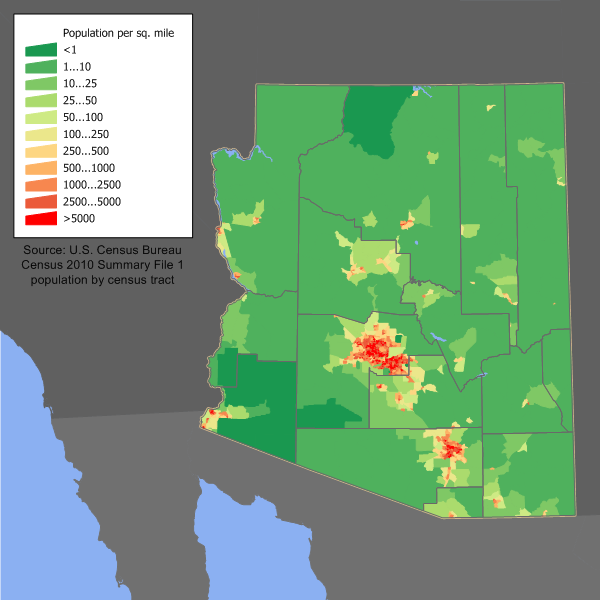
As of recent estimates, the state population of Arizona hovers around 7.4 million people, a figure that reflects a consistent and robust upward trend over the past decade. This growth rate frequently places Arizona among the top fastest-growing states in the country. The bulk of this population is concentrated in the state’s two largest metropolitan areas: Phoenix and Tucson. The greater Phoenix area, encompassing Maricopa County and cities like Scottsdale, Mesa, Chandler, Glendale, Gilbert, Tempe, Goodyear, and Surprise, accounts for over two-thirds of the state’s residents, making it the fifth-largest city in the United States. Pima County, home to Tucson, represents the second major population hub, with a vibrant academic and cultural scene driven by the University of Arizona.
This demographic expansion has significant ramifications for tourism. More residents mean a larger local consumer base for leisure activities, restaurants, and local attractions. It also fuels the demand for services that cater to visitors, from transportation networks to specialized tour guides. Moreover, the growth signals a healthy economy, which in turn attracts more business travelers and convention-goers, further bolstering the hospitality industry.
Why People Are Moving to Arizona: A Lifestyle and Economic Allure
The reasons behind Arizona’s sustained population boom are multifaceted. First and foremost is the climate. With over 300 days of sunshine annually, a mild winter appeals immensely to “snowbirds” from colder climates, many of whom establish seasonal or permanent residences. This demographic often seeks out resort-style accommodations, golf communities, and cultural events, contributing significantly to the state’s tourism revenue.
Beyond the weather, Arizona offers a compelling lifestyle. It’s a haven for outdoor enthusiasts, with easy access to hiking, biking, golf, and water sports on lakes like Lake Havasu. The relatively lower cost of living compared to neighboring California has attracted a wave of new residents, including tech workers, entrepreneurs, and families seeking more affordable housing and a higher quality of life. Major universities like the University of Arizona and Arizona State University also draw a steady stream of students and faculty, adding to the youthfulness and innovation of the population.
Economically, Arizona has become a hub for innovation and job creation. Industries such as aerospace, technology, healthcare, and advanced manufacturing are thriving, providing robust employment opportunities. This economic vitality creates a steady stream of business travel, requiring state-of-the-art hotels and meeting facilities, and encourages a vibrant local culture that enriches the visitor experience. The appeal of its unique Southwest charm, combined with modern amenities and a forward-looking economy, makes Arizona an increasingly desirable place to live, work, and explore.
Navigating the Grand Canyon State: Tourism and Accommodation in a Growing Landscape
The expanding population of Arizona directly influences the evolution of its tourism sector and the types of accommodation available. As more people call Arizona home, both the demand for, and the supply of, travel and hospitality services grow and diversify, catering to a broader spectrum of visitors and residents alike.
Popular Destinations and Their Population Footprint
Arizona’s draw for tourists is undeniable, with iconic natural wonders and vibrant urban centers. The Grand Canyon National Park, one of the Seven Natural Wonders of the World, remains the undisputed crown jewel, attracting millions annually. While the park itself has a limited permanent population, the nearby gateway communities like Flagstaff thrive on tourism, supporting countless hotels, restaurants, and tour operators. The majestic red rocks of Sedona, another world-renowned destination for spiritual retreats, outdoor adventure, and art, experiences significant seasonal population shifts due to tourism, impacting local infrastructure and services. Quaint towns such as Jerome, Bisbee, and Tombstone offer glimpses into Arizona’s rich history, with their small permanent populations heavily reliant on the steady stream of visitors seeking unique experiences.
The large metropolitan areas, especially Phoenix and Tucson, are not just population centers but also major tourist destinations in their own right. Scottsdale, known for its luxury resorts, upscale dining, and vibrant nightlife, is a prime example of how a growing affluent local population creates an environment that also caters to high-end tourism. Old Town Scottsdale buzzes with activity, blending historic charm with modern sophistication. Further afield, landmarks like Antelope Canyon and Monument Valley on Navajo Nation lands, and the impressive Hoover Dam near the Nevada border (a product of the mighty Colorado River), are testament to Arizona’s diverse appeal, drawing visitors from its own growing population and beyond. The consistent rise in the state’s resident count ensures a stable, year-round domestic tourism base that complements the seasonal international influx.
Accommodation Trends: Catering to a Diverse Population and Tourist Base
The robust population growth and diverse visitor profiles have spurred a dynamic and expanding accommodation sector in Arizona. From ultra-luxury resorts to budget-friendly stays, the options reflect the multifaceted demands of both residents and tourists. In cities like Scottsdale and Phoenix, luxury properties such as The Phoenician, a Luxury Collection Resort, and Sanctuary Camelback Mountain, A Gurney’s Resort & Spa, cater to discerning travelers and a growing affluent local population. These resorts often serve as destinations in themselves, offering world-class amenities, spas, and golf courses.

The growth in population has also driven demand for more accessible and varied lodging options. Boutique hotels are flourishing in areas like Sedona Red Rock Country and Old Town Scottsdale, offering unique, localized experiences. The popularity of vacation rentals through platforms like Airbnb and Vrbo has exploded, providing options for longer stays, families, and those seeking a more home-like environment. This trend is particularly evident in areas frequented by seasonal residents or “snowbirds.”
Beyond traditional hotels, Arizona’s outdoor-oriented population also supports a thriving market for RV parks and campgrounds, especially near national parks like Saguaro National Park and Petrified Forest National Park, and along scenic routes. The expansion of these diverse accommodation types is a direct response to the evolving needs of a larger, more varied population, ensuring that every type of traveler, from the luxury seeker to the adventure enthusiast, finds their ideal base for exploring the state.
Experiencing Arizona: Culture, Food, and Activities for All Lifestyles
The dynamic population of Arizona contributes significantly to its rich cultural tapestry, diverse culinary scene, and an endless array of activities that cater to every lifestyle. This human element breathes life into the landscapes, transforming natural beauty into memorable experiences.
Culinary Delights and Local Culture: A Taste of the Southwest
Arizona’s growing population, influenced by its proximity to Mexico and a rich Native American heritage, has cultivated a distinctive and vibrant culinary scene. Southwestern cuisine, characterized by its bold flavors, chile-infused dishes, and use of local ingredients, is a cornerstone. From authentic street tacos in Tucson (a UNESCO City of Gastronomy) to upscale farm-to-table restaurants in Phoenix and Scottsdale, there’s a dish for every palate. The increasing diversity of residents has also led to a burgeoning international food scene, with influences from across the globe adding to the gastronomic landscape.
Culturally, Arizona is a melting pot. The historical contributions of indigenous peoples are celebrated at institutions like the Heard Museum in Phoenix and various tribal cultural centers. Art galleries abound, particularly in Sedona’s Tlaquepaque Arts and Shopping Village and Old Town Scottsdale, showcasing both local and national talent. The performing arts thrive, supported by a growing audience base. Festivals celebrating everything from film (like the Sedona Film Festival) to fine art (Scottsdale Arts Festival) and the world’s largest Tucson Gem and Mineral Show draw both locals and visitors, fostering a vibrant communal spirit. Even architecturally, the state boasts unique treasures like Taliesin West, the winter home and school of Frank Lloyd Wright, a testament to design innovation within the Sonoran Desert landscape.
Outdoor Adventures and Leisure Activities: Embracing the Arizona Lifestyle
The sunny climate and diverse topography of Arizona are perfectly suited for an active outdoor lifestyle, a key draw for many new residents and tourists alike. Hiking is paramount, with trails ranging from leisurely strolls to challenging ascents, including the iconic Camelback Mountain in Phoenix and the breathtaking paths around Sedona’s red rocks. National and state parks abound, offering opportunities to explore unique ecosystems, from the towering saguaros of Saguaro National Park to the dramatic canyons of Canyon de Chelly National Monument and the subterranean wonders of Kartchner Caverns State Park.
Golf is another immensely popular pastime, with Arizona boasting hundreds of courses, many of which are championship-level, attracting enthusiasts from around the globe. Water sports flourish on the state’s many lakes, while the Colorado River offers rafting and kayaking adventures, including trips to Havasu Falls. For sports fans, the Cactus League spring training for Major League Baseball teams draws massive crowds, contributing to the state’s vibrant seasonal economy. Family-friendly attractions like the Desert Botanical Garden, Out of Africa Wildlife Park, and the Musical Instrument Museum ensure there’s something for every age group, embodying the diverse “lifestyle” appeal that makes Arizona such a sought-after destination. This abundance of activities, supported and enjoyed by a growing populace, cements Arizona’s status as a premier location for both leisure and adventure.
Planning Your Arizona Visit: Tips for a Seamless Experience
With a dynamic population influencing every facet of the state, planning a visit to Arizona requires a nuanced understanding of its seasonal rhythms and popular hubs. Whether you’re drawn by the promise of adventure, relaxation, or cultural immersion, a few key tips can enhance your experience.
The best time to visit often depends on your desired activities. For hiking, outdoor exploration, and enjoying the desert climate, the cooler months from October to April are ideal. This is also peak season for “snowbirds” and spring training, leading to higher prices and more crowded attractions, particularly in Phoenix and Scottsdale. If your goal is to explore the northern parts of the state, like the Grand Canyon National Park or Flagstaff, the summer months offer pleasant temperatures at higher elevations, though the southern deserts will be intensely hot.
Given the vast distances between many of Arizona’s attractions, renting a car is highly recommended for independent exploration. The state’s road network is excellent, connecting major cities like Yuma, Nogales, and Prescott to its natural wonders. For those staying within Phoenix or Tucson, ride-sharing services and limited public transportation are available, but a car offers ultimate flexibility. Booking accommodation and popular tours, especially for places like Antelope Canyon or specific resort stays, well in advance is crucial, particularly during peak seasons, due to the high demand from both visitors and a rapidly expanding local population.
Essential packing includes lightweight clothing, sun protection (hat, sunglasses, high SPF sunscreen), and plenty of water, especially if you plan on hiking. Even in cooler months, the Arizona sun can be intense. Don’t forget sturdy walking shoes for exploring trails or historical sites. Engaging with local businesses and cultural events, from farmers’ markets to art walks, offers a deeper connection to the state’s vibrant community, a community constantly shaped by its dynamic and growing population.
Conclusion
Arizona’s state population, standing robustly around 7.4 million, is far more than a mere statistic; it’s a living narrative that underpins every aspect of this captivating state. This impressive growth reflects Arizona’s potent appeal as a hub for economic opportunity, an enviable lifestyle, and unparalleled natural beauty. The influx of residents, from tech professionals to retirees and families, has profoundly reshaped its urban centers, diversified its cultural landscape, and fueled the expansion of its tourism and accommodation sectors.
From the bustling streets of Phoenix and Tucson to the serene majesty of the Grand Canyon National Park and the spiritual allure of Sedona, every destination in Arizona tells a story influenced by its human footprint. The variety of hotels and resorts, from the opulent Sanctuary Camelback Mountain to charming boutique stays and numerous vacation rentals, caters to the diverse needs of this growing population and its visitors. The vibrant culinary scene, rich cultural traditions, and abundant outdoor activities, from hiking Camelback Mountain to exploring the Desert Botanical Garden, are all energized by the dynamic mix of people who call Arizona home or choose it as their travel destination.
Ultimately, Arizona is a state in perpetual motion, growing and evolving while retaining its distinctive Southwestern charm. Understanding its population dynamics is key to appreciating its current vibrancy and anticipating its exciting future, solidifying its reputation as a premier destination for travel, a fantastic place for accommodation, and a diverse landscape offering an incredible lifestyle for all.