
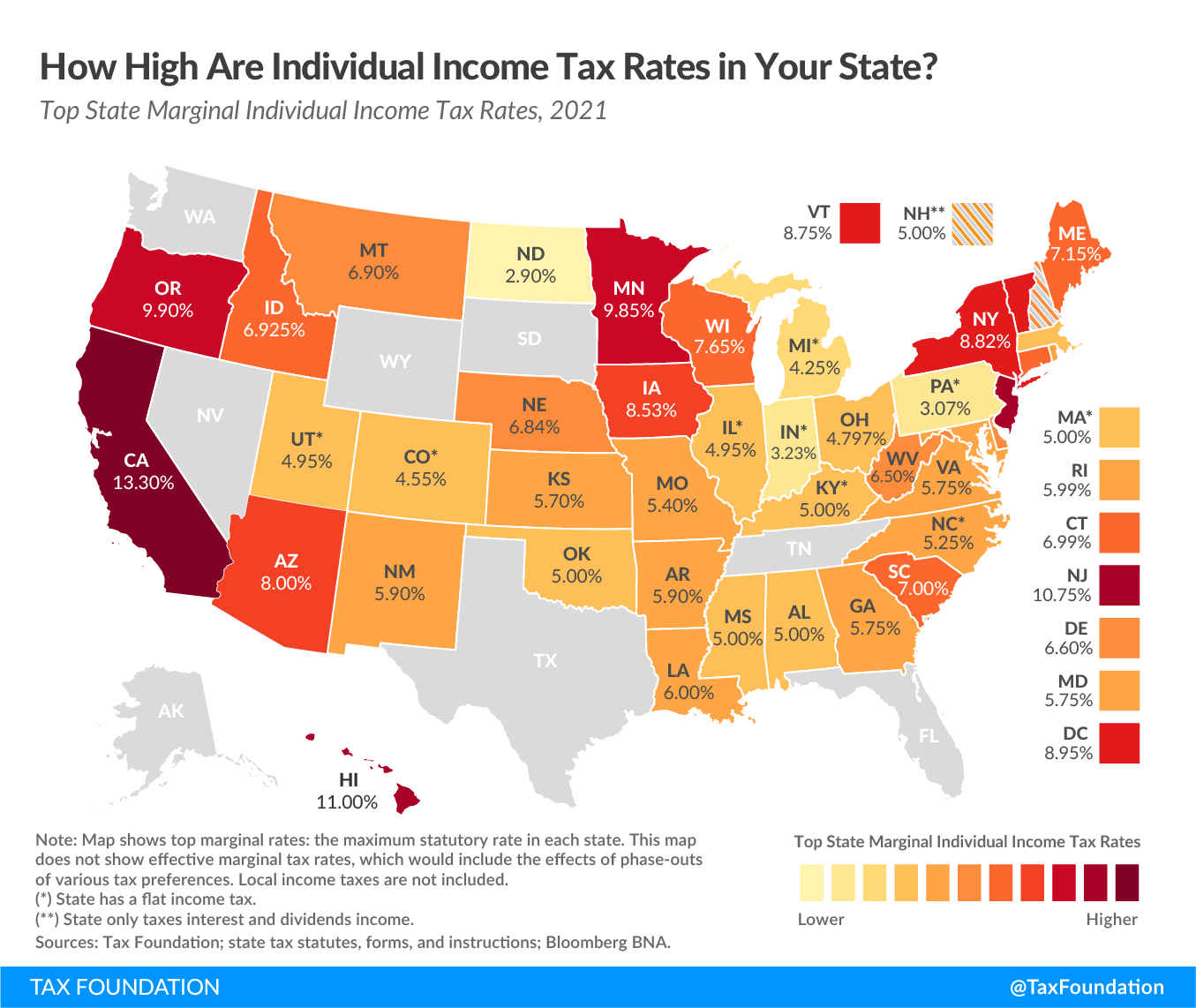
This article delves into the various taxes you’re likely to encounter as a traveler in [California]. We’ll explore not just the direct “state taxes” but also significant local levies that, while not strictly state-mandated, are ubiquitous throughout the state and directly affect tourism-related expenses. From accommodation to shopping, dining, and transportation, these financial considerations play a vital role in planning your trip, ensuring that your journey through this diverse state is as stress-free and spectacular as possible.
Unpacking California’s Sales Tax for Travelers
One of the most immediate and widespread taxes a traveler will encounter in [California] is the sales tax. This tax is applied to the sale of most goods and certain services throughout the state. Unlike some other states, [California] has a relatively high base sales tax rate, which can then be further increased by local district taxes. This means the exact rate you pay will vary depending on the specific city and county where you make your purchase.
The statewide base sales tax rate in [California] is currently 7.25%. However, almost every locality adds district taxes on top of this. For instance, in bustling metropolitan areas like [Los Angeles], [San Francisco], or [San Diego], you can expect sales tax rates to hover around 8.25% to 10.25%, and sometimes even higher. This seemingly small percentage can add up significantly, especially when you’re indulging in retail therapy, stocking up on souvenirs, or enjoying the state’s renowned culinary scene.
What Does Sales Tax Apply To?
For the typical traveler, sales tax will apply to a wide array of purchases, including:
- Retail Goods: Souvenirs, clothing, electronics, books, and any other tangible personal property purchased from stores.
- Restaurant Meals: Whether you’re dining at a Michelin-starred restaurant in [Beverly Hills] or grabbing a casual bite from a food truck in [Sacramento], the sales tax will be added to your bill. This also includes takeout and delivery orders.
- Beverages: Alcoholic beverages purchased at bars or restaurants are subject to sales tax, as are non-alcoholic drinks.
- Fuel: While there’s a specific excise tax on gasoline (which we’ll discuss later), the retail purchase of fuel is also subject to sales tax in [California].
- Rental Cars: The base rental fee for a vehicle will typically have sales tax applied, in addition to other specific surcharges and fees.
Understanding these rates is particularly important for travelers on a budget. When planning your spending for shopping, dining, and other activities, remember to factor in that extra percentage. For those considering luxury travel, whether it’s high-end fashion purchases in [Hollywood] or gourmet dining experiences in [Silicon Valley], the sales tax can represent a substantial addition to your overall expenses. Always check the final price, or ask about the applicable sales tax rate, especially for larger purchases. By being aware, you can better manage your travel funds and avoid any unexpected surprises when it’s time to pay.
The Ins and Outs of Lodging Taxes: Transient Occupancy Tax (TOT)
While the article title refers to “state tax,” it’s crucial for travelers to understand that the most significant tax impacting accommodation costs in [California] is primarily a local tax, known as the Transient Occupancy Tax (TOT). Also often called a hotel tax or bed tax, the TOT is levied by cities and counties on guests staying in hotels, motels, bed and breakfasts, vacation rentals (such as those booked through platforms like [Airbnb] or [VRBO]), and other temporary lodging establishments for a period of 30 days or less.
The purpose of the TOT is to generate revenue for local governments. These funds are often allocated to general municipal services, which can include public safety, infrastructure improvements, and, crucially, tourism promotion and marketing. This means that while you pay the tax, the revenue generated often comes back to benefit the visitor experience by funding local attractions, maintaining public spaces, and supporting cultural events.
Unlike the sales tax, which has a statewide base, TOT rates are determined entirely at the local level and can vary dramatically from one city or county to another. This means that staying in [San Francisco] might incur a different TOT rate than staying in [Palm Springs] or a quaint town near [Lake Tahoe].
Examples of Varying TOT Rates:
- San Francisco: One of the highest, often around 14-16% (combining city TOT and specific tourism assessment fees).
- Los Angeles: Typically around 10-12% for the city, with some unincorporated county areas having slightly different rates.
- San Diego: Often in the 10.5-12.5% range.
- Anaheim (home of Disneyland): Typically around 15%.
- Smaller Towns/Rural Areas: Might have lower rates, perhaps 8-10%, but this is not a hard rule. Some popular tourist destinations like [Santa Barbara] or [Monterey] also have rates on the higher end to support their visitor services.
When booking your accommodation, it’s essential to look beyond the advertised nightly rate. Most online travel agencies and booking platforms will display the nightly rate first, and then add taxes and fees later in the booking process. The TOT, along with any other local assessments or resort fees, can significantly increase the total cost of your stay. For a week-long stay at a mid-range hotel, these taxes can add hundreds of dollars to your bill.
Navigating Accommodation Costs: Hotels, Resorts, and Vacation Rentals
The Transient Occupancy Tax applies broadly across all types of temporary lodging, meaning whether you’re splurging on a luxurious suite at a [Four Seasons] or [Ritz-Carlton] resort, opting for a boutique hotel, or choosing a cozy vacation rental through [Airbnb], you will pay this tax. This consistency is important for budgeting, as it means you can’t typically avoid the tax by choosing one accommodation type over another.
- Hotels and Resorts: When booking directly or through major travel sites, the TOT is usually clearly itemized during the checkout process. Some [resorts] might also have additional “resort fees” or “amenity fees” that are separate from taxes but also add to your total cost. Always review the full price breakdown before confirming your reservation.
- Vacation Rentals (Airbnb, VRBO, etc.): These platforms are legally required to collect and remit TOT on behalf of their hosts in most jurisdictions. The tax is typically calculated and added to your total at the time of booking. It’s rare for a legitimate rental to not charge TOT in a designated tourist area.
Tips for Budgeting Accommodation Costs:
- Look at the “Total Price”: When comparing options, always look at the final price including all taxes and fees, not just the nightly rate.
- Understand the Rates: Be aware of the general TOT rate in your chosen destination. A quick online search for “[City Name] Transient Occupancy Tax” can give you an estimate.
- Factor into Your Budget: Allocate a separate portion of your travel budget specifically for accommodation taxes and any other unavoidable fees.
- Consider Longer Stays: While TOT applies to stays under 30 days, some cities offer exemptions or different tax structures for long-term stays (30 days or more). If you’re planning an extended visit, it’s worth researching these rules.
Understanding the TOT is paramount for any traveler to [California]. It ensures you can accurately plan your finances, compare lodging options effectively, and avoid any unpleasant surprises upon checkout, allowing you to focus on enjoying the diverse experiences from [Death Valley National Park] to [Universal Studios Hollywood].
Beyond Sales and Lodging: Other Taxes Affecting Your California Trip
While sales tax and the Transient Occupancy Tax are the most direct and noticeable levies for most travelers, there are several other taxes and fees in [California] that can impact your overall travel budget, particularly if you plan to explore the state by car or engage in specific activities.
Planning Your Travel Budget: Car Rentals and Road Trip Essentials
[California] is an iconic destination for road trips, with breathtaking routes like the [Pacific Coast Highway] and scenic drives through [Yosemite National Park] or [Joshua Tree National Park]. If you plan to rent a car, you’ll encounter a specific set of taxes and surcharges.- Rental Car Taxes and Surcharges: Beyond the standard sales tax applied to the rental fee, most rental car agreements in [California] include various local and state surcharges. These can include:
- Tourism Assessment Fees: Often a percentage or flat fee per day, dedicated to local tourism initiatives.
- Vehicle License Fees: A fee to cover the cost of registering the vehicle.
- Airport Concession Fees: If you pick up your car at a major airport (like [LAX], [SFO], or [San Jose] Airport), expect an additional percentage fee that goes to the airport authority for allowing rental car companies to operate on-site. This can be substantial, often 10-12% of the rental cost.
- Energy Surcharges: Some companies add a small fee to offset rising energy costs.
These surcharges are in addition to the base rental rate, insurance costs, and sales tax, and they can collectively increase the daily cost of your rental car significantly. It’s vital to read the fine print of your rental agreement and check the “all-in” price before booking.
- Gas Tax: [California] has some of the highest gasoline prices in the United States, partly due to various state and federal excise taxes, as well as specific environmental regulations.
- State Excise Tax: This is a fixed per-gallon tax that funds road maintenance and transportation projects. [California]’s state gas tax is among the highest in the nation.
- Sales Tax on Fuel: As mentioned earlier, sales tax also applies to the retail price of gasoline.
- Cap-and-Trade Fees: [California]’s pioneering cap-and-trade program, designed to reduce greenhouse gas emissions, adds another cost component to fuel prices.
For travelers embarking on extensive road trips, these fuel costs can become a significant budget item. Planning your routes, considering fuel-efficient vehicles, and monitoring gas prices can help manage these expenses. Whether you’re cruising through [Big Sur] or exploring the deserts, being mindful of fuel costs is essential.
- Excise Taxes on Specific Goods: While less direct for most travelers, [California] also levies excise taxes on certain goods like tobacco products and alcoholic beverages. If you purchase these items, the taxes are already included in the price, but it’s part of the broader tax landscape contributing to their cost. For instance, a bottle of wine purchased in [Napa Valley] will have an embedded excise tax, in addition to the visible sales tax at the register.
Understanding these various “hidden” costs, especially those related to transportation, ensures that your [California] adventure remains within budget. Always scrutinize the full cost breakdown when booking cars or making significant purchases, allowing for a more predictable and enjoyable travel experience.
Understanding the Broader Tax Landscape: Income and Property Tax (Context for the Traveler)
While most travelers won’t directly pay [California] state income tax or property tax during their visit, understanding these foundational elements of the state’s financial system provides crucial context. These taxes, though not directly levied on a tourist’s typical expenses, fund the infrastructure, public services, and quality of life that contribute to [California]’s appeal as a premier travel destination.
-
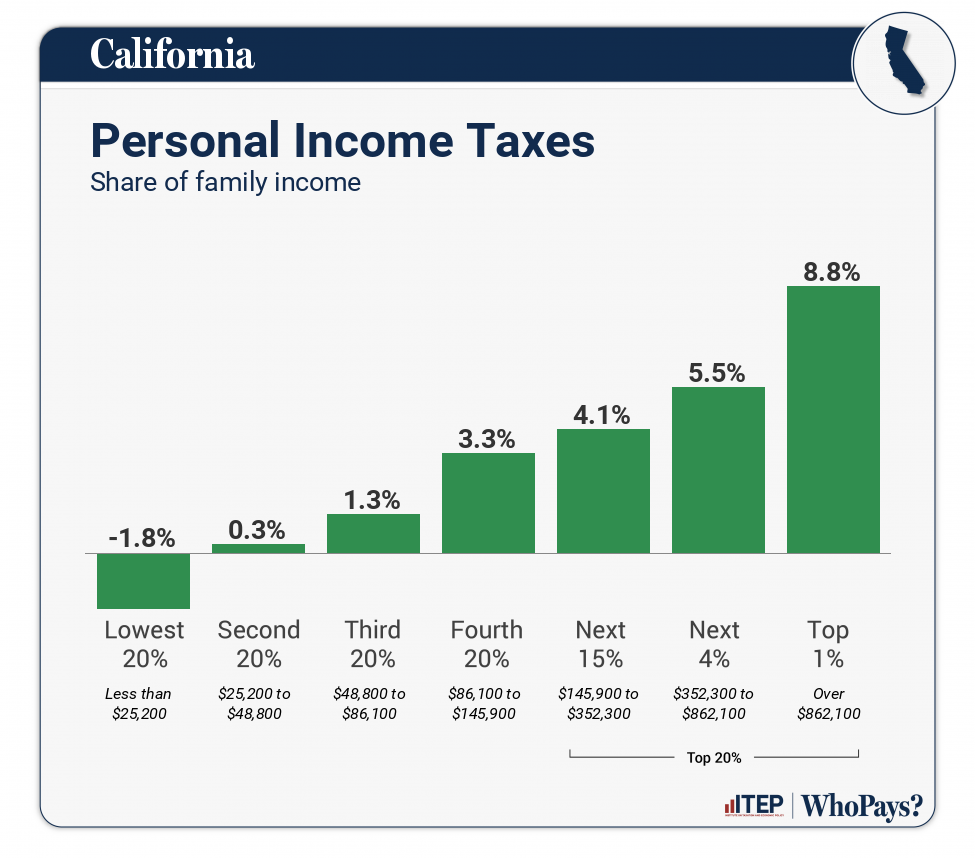
California State Income Tax: [California] is known for having a progressive income tax system, meaning higher earners pay a larger percentage of their income in taxes. The rates can be quite high compared to other states, with the top marginal rate being among the highest in the nation.
- Relevance to Travelers: For the vast majority of tourists visiting for leisure, [California]’s income tax will not directly affect them, as they are not earning income within the state. However, for business travelers or those considering extended stays, remote work, or even relocating, understanding this system becomes paramount. If you generate income in [California] (e.g., through temporary contract work, performances, or certain business activities), you might be subject to state income tax. This also impacts the overall cost of living and doing business in the state, which can indirectly influence prices for goods and services. The high income tax helps fund the extensive public education system, healthcare, and social services that define the state’s vibrant communities, which in turn attract talent and contribute to its cultural richness.
-
California Property Tax: Property taxes in [California] are levied by local governments (counties, cities, and special districts) on real estate. While the base rate is relatively low compared to some states (around 1% of assessed value due to Proposition 13), rising property values, especially in desirable areas like [Orange County], [San Diego], or the [Bay Area], mean that the actual dollar amount paid can be substantial.
- Relevance to Travelers: Like income tax, property tax is not directly paid by tourists. However, it plays a vital, indirect role in shaping the travel experience. Property taxes fund essential local services such as:
- Infrastructure: Maintenance of roads, bridges, public transit, and utilities that facilitate travel and access to attractions.
- Public Safety: Police, fire departments, and emergency services that ensure the safety and security of both residents and visitors.
- Public Parks and Recreation: Funding for local parks, beaches, and recreational facilities that tourists often enjoy (e.g., the beautiful parks in [Pasadena] or along the [Golden Gate Bridge]).
- Schools and Libraries: While not direct tourist attractions, strong local services contribute to thriving communities, which in turn foster unique local culture, food scenes, and a generally pleasant environment for visitors.
- Relevance to Travelers: Like income tax, property tax is not directly paid by tourists. However, it plays a vital, indirect role in shaping the travel experience. Property taxes fund essential local services such as:
In essence, the income and property taxes paid by [California] residents and businesses contribute to the overall quality of life and the robust infrastructure that makes the state such an attractive destination. They support the well-maintained attractions, safe cities, and vibrant cultural scenes that draw millions of visitors annually. For travelers interested in the broader “lifestyle” aspect of their journey, understanding these taxes provides a deeper appreciation for how the state functions and maintains its allure, from the innovative hubs of [Silicon Valley] to the serene beauty of its [national parks].
Conclusion: Budgeting for Your Golden State Adventure
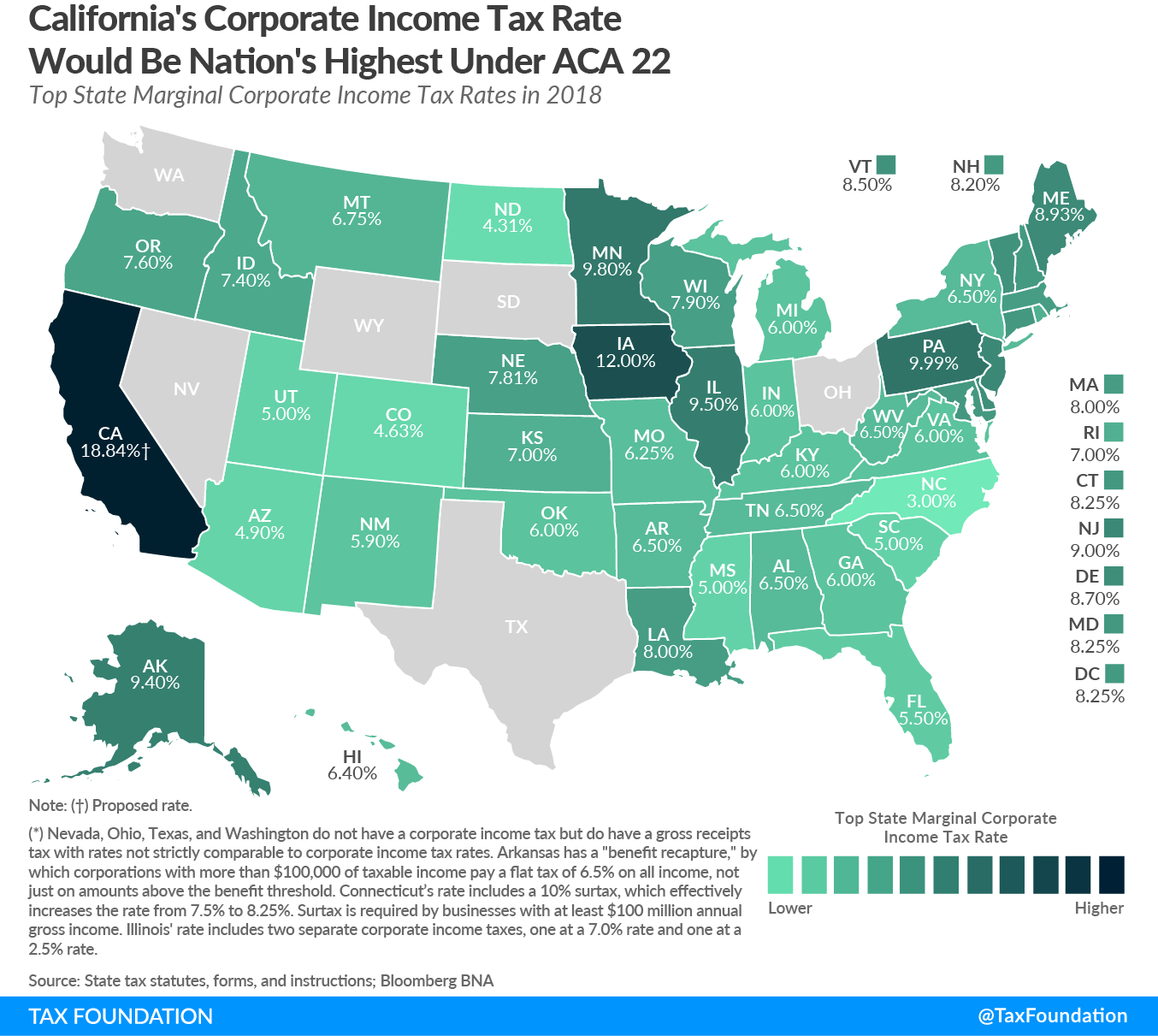
Navigating the tax landscape of [California] as a traveler doesn’t have to be complicated, but it does require a degree of awareness and planning. From the moment you book your accommodation to the last souvenir you purchase, taxes play a consistent role in your travel expenses. The statewide sales tax, varying local Transient Occupancy Taxes on lodging, and a myriad of surcharges on rental cars and fuel are all critical components to factor into your budget. While state income and property taxes are largely indirect for tourists, they form the backbone of the services and infrastructure that make [California] such a world-class destination.
Whether you’re exploring the iconic sights of [San Francisco], riding the thrilling attractions at [Legoland California] or [Knott’s Berry Farm], savoring the culinary delights of [Los Angeles], or embarking on a picturesque journey through the [Pacific Coast Highway], anticipating these costs will empower you to manage your finances effectively. Always scrutinize the full price breakdown when booking hotels or car rentals, and remember to factor in that extra percentage for your shopping and dining adventures.
By understanding what is the state tax in [California] and its local counterparts, you can ensure a smoother, more enjoyable, and truly unforgettable experience in one of the world’s most captivating states. So, plan wisely, budget thoughtfully, and prepare to immerse yourself in all the incredible destinations, attractions, and unique experiences the Golden State has to offer.
LifeOutOfTheBox is a participant in the Amazon Services LLC Associates Program, an affiliate advertising program designed to provide a means for sites to earn advertising fees by advertising and linking to Amazon.com. Amazon, the Amazon logo, AmazonSupply, and the AmazonSupply logo are trademarks of Amazon.com, Inc. or its affiliates. As an Amazon Associate we earn affiliate commissions from qualifying purchases.