
Arizona, a state renowned for its dramatic desert landscapes, towering red rock formations, and vibrant cultural tapestry, holds a special place in the hearts of many. While its iconic cacti and majestic mountains often steal the spotlight, the Grand Canyon State also boasts a unique arboreal emblem that speaks volumes about its natural heritage and enduring spirit. Delving into the answer to “What is the state tree of Arizona?” reveals a fascinating story of resilience, adaptation, and a deep connection to the arid environments that define this southwestern gem.
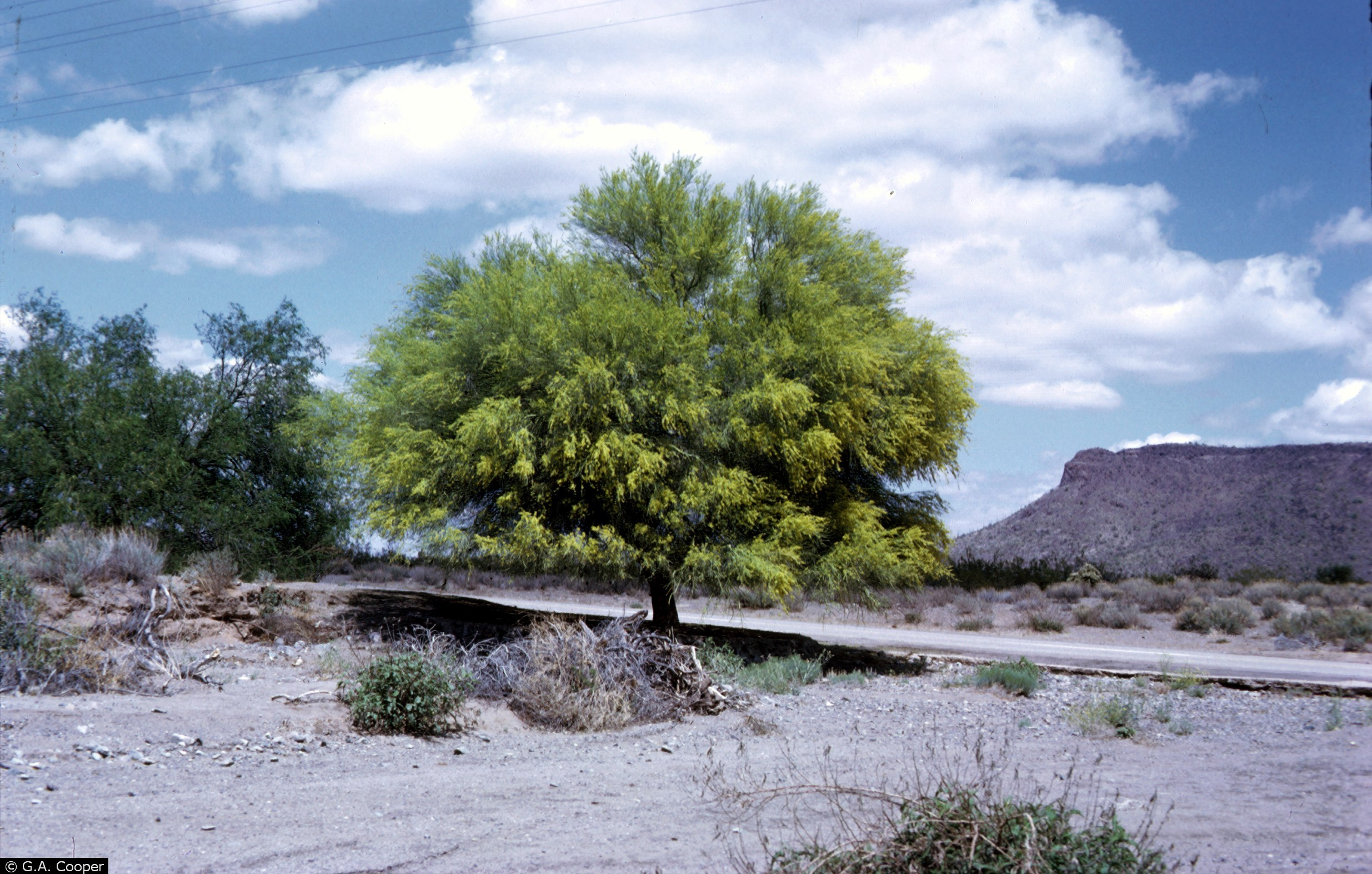
The official state tree of Arizona is the Palo Verde. This striking tree, with its distinctive green bark and vibrant yellow blooms, is a testament to the ingenious ways life thrives in the challenging conditions of the Sonoran Desert. The name “Palo Verde” itself, meaning “green stick” in Spanish, aptly describes its most prominent feature: bark that is photosynthetic, allowing the tree to produce energy even when it sheds its leaves during prolonged dry spells. This remarkable adaptation is crucial for its survival in a climate characterized by intense heat and scarce water.
Unveiling the Palo Verde: A Symbol of Resilience and Beauty
The Palo Verde is not just a single species but encompasses several varieties, all of which share common traits that make them quintessential symbols of Arizona. The most common types found in the state are the Blue Palo Verde (Parkinsonia florida) and the Foothills Palo Verde (Parkinsonia microphylla). Each possesses its own subtle differences in size, bark color, and bloom intensity, but together they paint a picture of the desert’s understated elegance.
The Distinctive Features of the Palo Verde
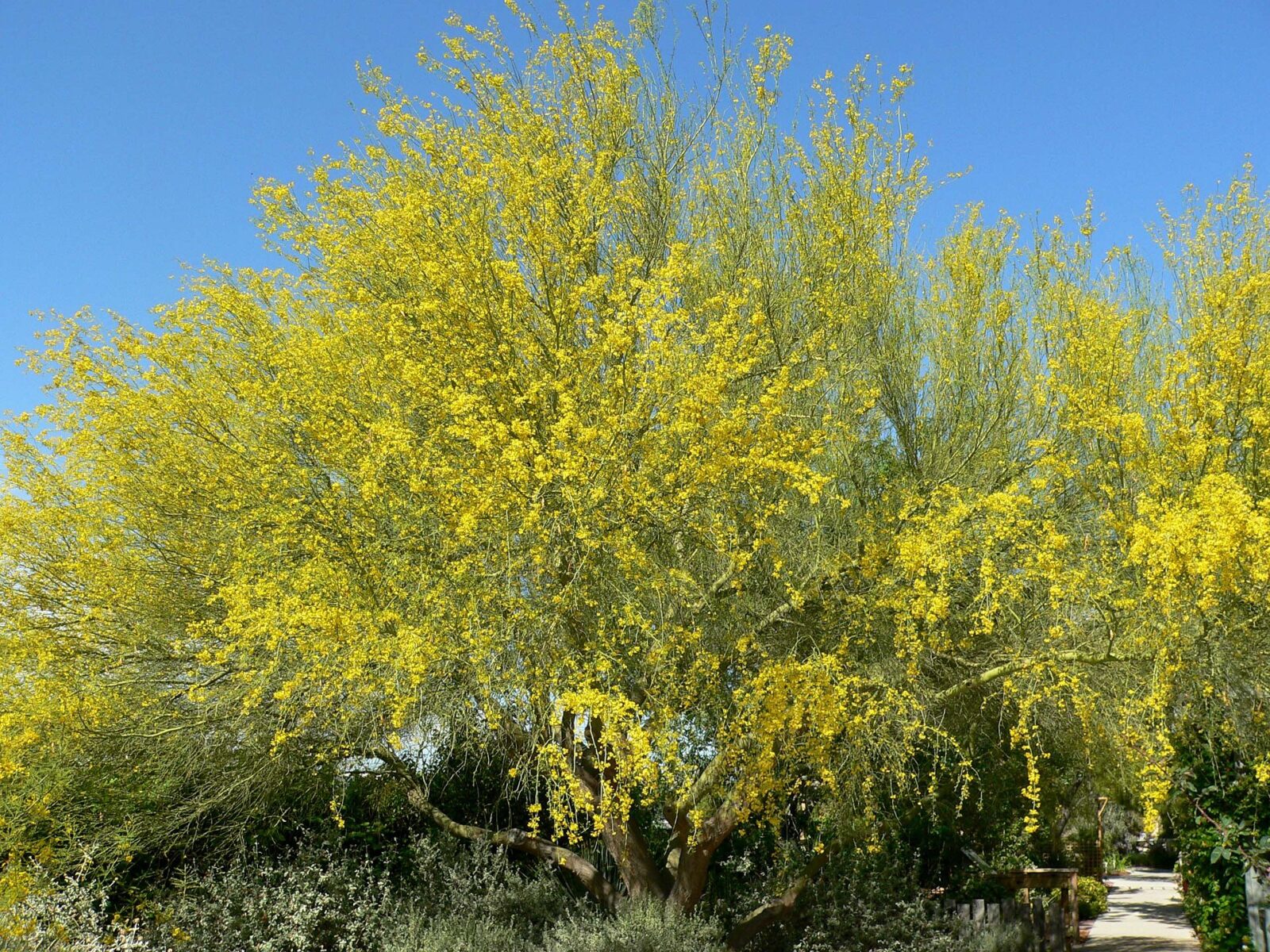
The most arresting characteristic of the Palo Verde is undoubtedly its photosynthetic bark. Unlike most trees that rely solely on their leaves for this vital process, the Palo Verde’s smooth, green bark contains chlorophyll, enabling it to continue generating food even when it appears dormant. This allows the tree to conserve water by shedding its small leaves during the driest months, a strategy that has ensured its survival for millennia in the unforgiving desert environment.
The bark itself is often a pale green, sometimes with a bluish hue, particularly in the Blue Palo Verde. This coloration, combined with its relatively slender branches, gives the tree a unique and ethereal appearance, especially when contrasted against the deep blue sky or the earthy tones of the desert landscape.
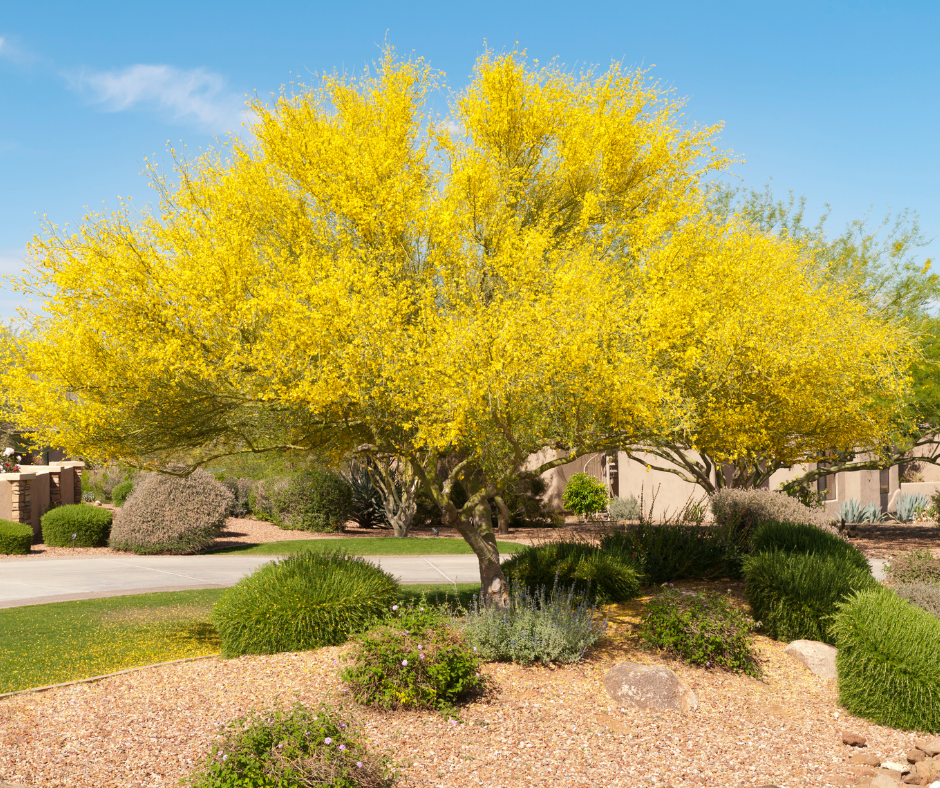
When it comes to blooming, the Palo Verde puts on a spectacular, albeit brief, show. Typically in the spring, the branches erupt in a profusion of small, vibrant yellow flowers. These blossoms transform the landscape into a cheerful spectacle, signaling the arrival of warmer weather and a temporary respite from the dry season. The sheer density of the blooms creates a breathtaking display, carpeting the trees in a golden haze and attracting a host of pollinators.
Adapting to the Arid Environment
The Palo Verde’s adaptations go beyond its green bark. Its root system is extensive, delving deep into the earth to access scarce groundwater. This intricate network allows the tree to draw moisture from surprising depths, sustaining it through long periods of drought. The small size and minimal number of its leaves also contribute to water conservation, as they present a smaller surface area for transpiration, the process by which plants release water vapor.
Furthermore, the Palo Verde’s seed pods are another fascinating aspect of its survival strategy. Once the tree has bloomed and produced its seeds, these pods often remain on the branches, providing a food source for desert wildlife. When the pods eventually fall and decompose, they release valuable nutrients back into the soil, enriching the arid environment and supporting the growth of other desert flora.
Experiencing the Palo Verde in Arizona
The presence of the Palo Verde is deeply interwoven with the fabric of Arizona’s natural beauty and its tourism appeal. Travelers visiting the state will encounter this magnificent tree in a variety of settings, from its natural desert habitats to urban landscapes where it is cultivated for its aesthetic and ecological benefits.
Where to Find the Palo Verde
The Palo Verde thrives in the low desert regions of Arizona, particularly along washes, arroyos, and in the rocky foothills. Iconic destinations like the Sonoran Desert National Monument and the Arizona-Sonora Desert Museum near Tucson offer excellent opportunities to observe these trees in their natural splendor. Driving along scenic byways such as the Apache Trail or exploring areas around Phoenix and Scottsdale will undoubtedly reveal clusters and solitary specimens of Palo Verde.
Even in urban environments, the Palo Verde is a popular choice for landscaping. Many parks, botanical gardens, and even residential areas in Arizona feature Palo Verde trees. The Desert Botanical Garden in Phoenix is a prime example, showcasing a vast array of desert flora, including various types of Palo Verde, allowing visitors to appreciate their unique characteristics up close.
The Palo Verde in Tourism and Culture
The vibrant spring bloom of the Palo Verde is a significant draw for tourists. Many visitors plan their trips to Arizona specifically to witness this breathtaking natural event. The golden spectacle not only enhances the visual appeal of the landscape but also provides excellent photographic opportunities, making it a highlight for travel bloggers and nature enthusiasts alike.
Beyond its visual appeal, the Palo Verde holds cultural significance for the indigenous peoples of Arizona. For centuries, various tribes have utilized the Palo Verde for its wood, seeds, and other resources. Its resilience and ability to flourish in harsh conditions have made it a symbol of strength and perseverance, reflecting the spirit of the people who have called this land home for generations.
When exploring Arizona, incorporating visits to natural areas where the Palo Verde is prevalent can greatly enrich a travel itinerary. These encounters offer a deeper understanding of the state’s unique ecosystem and the remarkable adaptations of its plant life.
Beyond the Bloom: The Ecological and Practical Importance
While the stunning spring blossoms might be its most celebrated feature, the Palo Verde’s significance extends far beyond its ephemeral beauty. Its role in the desert ecosystem and its practical uses contribute to its status as a vital component of Arizona’s natural heritage.
A Pillar of the Desert Ecosystem
The Palo Verde plays a crucial role in supporting the delicate balance of the Sonoran Desert. As mentioned, its deep root system helps to stabilize the soil, preventing erosion, especially in areas prone to flash floods. The shade it provides, even when leafless, offers respite for smaller desert plants and animals from the intense sun.
The flowers are a vital nectar source for a variety of pollinators, including bees, butterflies, and hummingbirds, especially during the spring when other food sources may be scarce. The seeds and pods are consumed by rodents, birds, and other herbivores, forming an important link in the desert food chain. The tree itself also provides habitat and nesting sites for numerous bird species. Its presence fosters biodiversity and contributes to the overall health of the desert environment.
Practical Uses and Preservation
Historically, the wood of the Palo Verde has been used for various purposes by Native American tribes, including for crafting tools, weapons, and for fuel. While less common today, its durable wood can still be used for decorative items and small woodworking projects.
In contemporary Arizona, the Palo Verde is widely recognized for its drought-tolerant landscaping qualities. Its ability to thrive with minimal water makes it an ideal choice for xeriscaping, reducing water consumption in urban and suburban areas. This practical application aligns with Arizona’s growing emphasis on sustainable living and water conservation.
Efforts to preserve the Palo Verde and its habitats are ongoing. Protecting desert landscapes from development and invasive species is crucial for ensuring the continued survival of this remarkable state tree. Initiatives that focus on educating the public about the importance of desert flora, including the Palo Verde, play a vital role in fostering appreciation and promoting responsible land stewardship.
In conclusion, the Palo Verde is far more than just a tree; it is an emblem of Arizona’s tenacious spirit, its stunning natural beauty, and its deep ecological importance. From its photosynthetic bark and vibrant blooms to its crucial role in the desert ecosystem, the Palo Verde stands as a proud testament to life’s ability to thrive even in the most challenging environments. As travelers and residents alike explore the wonders of Arizona, taking a moment to appreciate this resilient and beautiful state tree offers a profound connection to the heart of the Grand Canyon State.