
The very mention of Texas conjures images of vast landscapes, cowboy culture, and legendary hospitality. From the bustling metropolises of Dallas and Houston to the historic charm of San Antonio and the vibrant energy of Austin, the Lone Star State offers a tapestry of experiences for every traveler. But beneath the layers of urban sophistication and natural beauty lies a symbol deeply rooted in the state’s identity, history, and economy: the Pecan tree. More than just a botanical specimen, the Pecan is the official state tree of Texas, a designation that speaks volumes about its enduring legacy and cultural significance. For those exploring the unique attractions and lifestyle of this proud state, understanding the role of the Pecan tree provides a fascinating insight into its heritage, culinary traditions, and natural wonders.
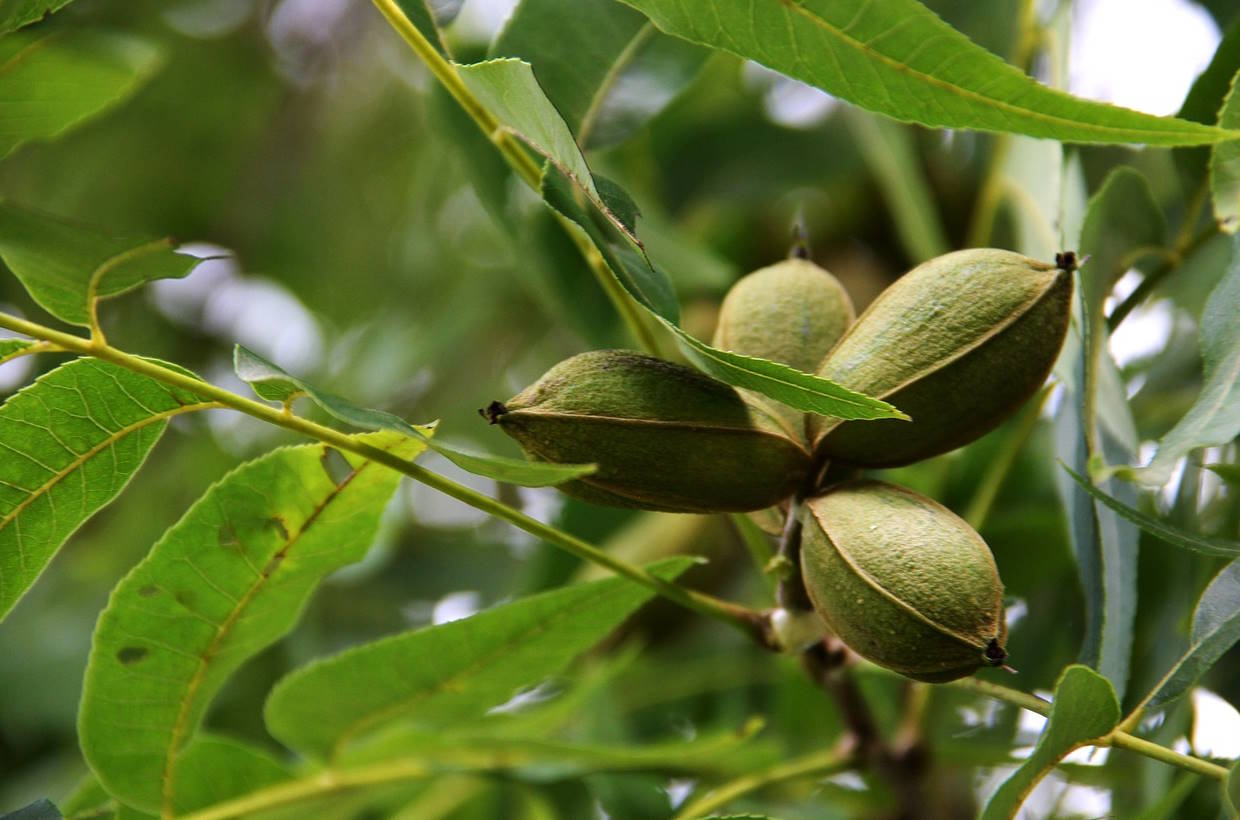
This majestic native tree, famous for its rich, buttery nuts, is not only a source of delicious ingredients for iconic Texas desserts but also a testament to the state’s agricultural prowess and commitment to preserving its natural environment. As you journey through Texas, you’ll encounter the Pecan tree in diverse settings, from sprawling orchards in the Hill Country to stately shade trees gracing historic properties and urban parks. It’s a landmark in its own right, a living piece of history that continues to thrive and contribute to the local economy and culture. This article delves into the story of the Texas Pecan, exploring its historical roots, its impact on travel and tourism, and how visitors can experience its profound influence during their adventures in the Lone Star State.
The Majestic Pecan: A Symbol of Texas Heritage
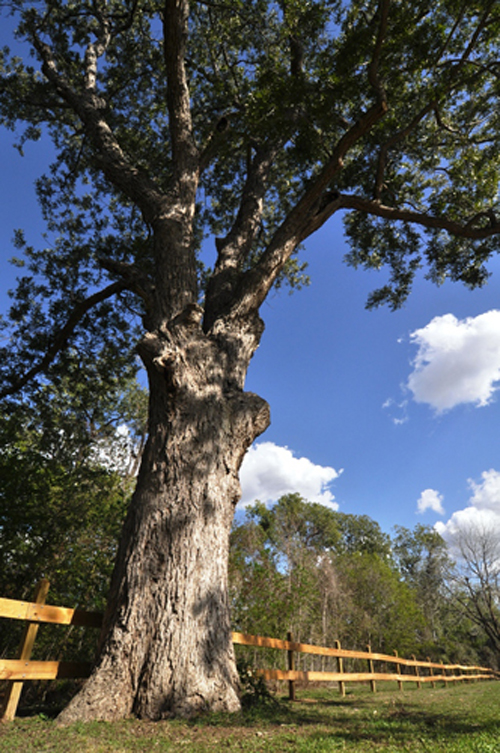
The decision to designate the Pecan as the official state tree of Texas was not a casual one; it was a reflection of the tree’s deep historical ties, ecological importance, and widespread presence throughout the state. The Pecan, scientifically known as Carya illinoinensis, is one of North America’s most magnificent native nut trees. Its natural range extends across the central and southern United States and into Mexico, but nowhere is it more celebrated and cultivated than in Texas. The tree can grow to impressive heights, often exceeding 100 feet, with a broad, symmetrical canopy that provides abundant shade, a welcome feature in the often-sultry Texas climate. Its strong, straight trunk and distinctive bark make it easily recognizable, even to those not well-versed in botany.
Historically, the Pecan has played a crucial role in the survival and sustenance of indigenous peoples and early settlers alike. Its nutrient-rich nuts provided a vital food source, easily stored and transported, making it an invaluable resource for various communities. The timber, known for its strength and resilience, was also utilized for tools, furniture, and construction. The very essence of the Pecan tree embodies the resilience, bounty, and enduring spirit that are synonymous with Texas itself. Its deep roots symbolize the state’s connection to its past, while its fruitfulness represents its ongoing prosperity and generosity.
A Deep Dive into the Pecan’s History and Characteristics
The story of the Pecan in Texas dates back millennia, long before European settlement. Native American tribes, including the Comanche, Apache, and Caddo, relied heavily on Pecans as a staple of their diet. They harvested the nuts, ground them into meal for bread, and used them to enrich other foods. This reliance fostered a profound respect for the tree, integrating it into their cultural practices and traditions. When European explorers and missionaries arrived, they quickly recognized the value of the Pecan, and it soon became an important commodity in trade. Pioneers moving westward also found sustenance in the abundant Pecan groves that lined the rivers of Texas, such as the Colorado River, Brazos River, and Guadalupe River.
Botanically, the Pecan is a member of the hickory family (Juglandaceae). It is a deciduous tree, shedding its leaves in the fall, which often turn a beautiful golden-yellow before dropping. The nuts themselves are characterized by their smooth, thin shells and the distinctive rich, sweet, and slightly bitter flavor of their kernels. They are a powerhouse of nutrition, packed with healthy fats, protein, fiber, and essential minerals. The cultivation of Pecans began to flourish in the late 19th century, transforming from wild harvesting to systematic orchard farming, particularly in central Texas. This shift not only boosted the local economy but also solidified the Pecan’s place as a cornerstone of Texas agriculture. Today, Texas remains one of the top Pecan-producing states in the United States, a testament to its favorable climate and the dedication of its growers.
Why the Pecan? The Journey to State Tree Status
The formal recognition of the Pecan as the state tree of Texas occurred in 1919, following a long-standing appreciation for its contributions. The push for this designation was notably championed by Governor James Stephen Hogg, who was so fond of the tree that he requested Pecans be planted at his grave instead of traditional headstones. His daughter, Ima Hogg, honored this wish, further cementing the tree’s place in the state’s lore. The legislative process involved recognizing not only the tree’s economic value but also its ecological importance and its deep-rooted cultural resonance with Texans.
Beyond its delicious nuts, the Pecan tree offers numerous environmental benefits. Its extensive root system helps prevent soil erosion, especially along riverbanks. Its dense canopy provides critical habitat for a variety of wildlife, from squirrels and birds to insects, supporting the delicate balance of Texas’s ecosystems. The shade it provides is invaluable, particularly in urban areas, helping to mitigate heat island effects and contributing to energy conservation. Thus, the Pecan tree represents more than just a source of food; it symbolizes sustainable agriculture, environmental stewardship, and the enduring connection between Texans and their natural surroundings. Its designation as the state tree is a proud acknowledgment of its multifaceted contributions, making it an emblem of state pride and a cherished natural resource.
Experiencing the Pecan in Texas: Travel and Tourism
For travelers keen on delving deeper into the heart of Texas, the Pecan tree offers a unique lens through which to explore the state’s natural beauty, agricultural heritage, and culinary traditions. Integrating Pecan-themed experiences into your itinerary can transform a typical road trip into a rich cultural immersion. From visiting historic orchards to savoring Pecan-infused delicacies, the possibilities are as varied as the landscapes of Texas itself. This approach to travel not only supports local economies but also provides authentic insights into the lifestyle and values of the communities you encounter. Many small towns throughout the state thrive on Pecan production, offering charming experiences that are far removed from the hustle and bustle of major cities.
The journey to discover the Pecan’s influence takes you off the beaten path, through scenic byways and into the heart of Texas’s agricultural centers. These areas often boast excellent accommodation options, from cozy bed and breakfasts to rustic cabins, providing a perfect base for exploring the surrounding orchards and natural attractions. Whether you’re planning a family trip, a romantic getaway, or a solo adventure, the Pecan trail invites you to connect with the land and its bounty in a meaningful way. It’s an opportunity to learn about sustainable farming practices, taste the freshest products, and appreciate the simple yet profound beauty of a tree that has given so much to the state.
Notable Pecan Destinations and Orchards
To truly experience the Pecan’s legacy, a visit to some of Texas’s renowned Pecan-growing regions is a must. One of the most famous is San Saba, often referred to as the “Pecan Capital of the World.” This charming town, nestled in the Texas Hill Country, boasts a rich history of Pecan cultivation and is home to numerous orchards and Pecan processing plants. Visitors can tour these facilities, learn about the harvesting process, and purchase freshly shelled Pecans and Pecan products directly from the source. The annual San Saba Pecan Festival is a highlight, attracting thousands with its lively atmosphere, craft vendors, and, of course, an abundance of Pecan treats.
Another significant Pecan destination is Seguin, home to what is believed to be the world’s largest Pecan, a monumental tree that serves as a testament to the species’ impressive potential. While the original record-holding tree eventually fell, Seguin continues its legacy with numerous other large Pecan trees and a proud Pecan heritage. The town’s Pecan Fest Heritage Days offer a blend of historical reenactments, live music, and Pecan-themed activities, making it an ideal destination for history buffs and foodies alike. Llano, another beautiful Hill Country town, also plays a significant role in Texas’s Pecan industry, with local markets and shops offering high-quality Pecan products. These towns provide not just a product, but an entire experience, allowing visitors to connect with the local culture and the dedicated individuals who uphold the Pecan tradition.
Culinary Delights: Texas Pecans on Your Plate
No exploration of the Texas Pecan would be complete without indulging in the myriad of culinary delights it inspires. The Pecan is arguably one of the most versatile nuts, lending its distinctive flavor and texture to both sweet and savory dishes. The undisputed king of Texas Pecan cuisine is, of course, Pecan Pie. This iconic dessert, with its rich, gooey filling and crunchy Pecan topping, is a staple at family gatherings, holidays, and virtually any restaurant menu across the state. From classic recipes to innovative twists featuring chocolate, bourbon, or caramel, Pecan pie embodies the comforting taste of Texas hospitality.
Beyond pie, the Pecan’s culinary applications are extensive. Texas Pralines, a sweet confection made with sugar, cream, and Pecans, offer another irresistible treat, often found in specialty candy shops and farmers’ markets. For savory palates, Pecans are incorporated into gourmet salads, bread crusts for fish and chicken, and even as a crunchy topping for roasted vegetables. Pecan-crusted chicken fried steak or Pecan-smoked barbecue are examples of how this versatile nut finds its way into traditional Texas fare, adding a unique depth of flavor. Many local restaurants, especially in Pecan-growing regions, pride themselves on using locally sourced Pecans in their seasonal menus, offering diners a true taste of the region. Exploring the food scene centered around the Pecan is a delicious journey through the heart of Texas’s culinary identity, connecting you directly to the land and its bounty.
Planning Your Pecan-Themed Texas Adventure
Embarking on a Pecan-themed adventure in Texas offers a refreshing alternative to standard tourist routes. It’s an opportunity to immerse yourself in the natural beauty and agricultural richness of the state, away from the typical urban centers. Whether you’re seeking a tranquil retreat or an active exploration, the Pecan regions of Texas provide a unique backdrop for memorable experiences. Planning your trip carefully, especially around seasonal events, can significantly enhance your enjoyment and allow you to fully appreciate the Pecan’s central role in the state’s lifestyle. Consider incorporating scenic drives through Pecan groves, visits to local markets, and stays in charming accommodations that reflect the local character.
This type of travel aligns perfectly with the rising trend of agritourism, where travelers seek authentic, educational experiences tied to agriculture. It’s a chance to connect with farmers, understand food production, and enjoy the fruits of their labor directly. By focusing on the Pecan, you contribute to the sustainability of local communities and gain a deeper appreciation for the effort that goes into bringing these delicious nuts from tree to table. From luxury hotels offering Pecan-inspired menus to cozy B&Bs near orchards, there are myriad ways to weave the Pecan into your travel narrative.
Finding Accommodation Amidst Pecan Groves
When planning your Pecan-centric journey through Texas, selecting the right accommodation is key to an authentic experience. While major cities like Austin or San Antonio offer a wide array of options, from the historic elegance of The Driskill Hotel to the modern amenities of the Hyatt Regency Austin or the sprawling JW Marriott San Antonio Hill Country Resort & Spa, a truly immersive Pecan experience often calls for lodging closer to the groves. Charming bed and breakfasts (B&Bs) and boutique hotels in towns like San Saba, Seguin, or Llano provide a more intimate setting, often within easy reach of Pecan orchards and local attractions.
Many of these smaller, independently run accommodations embrace the local culture, sometimes even featuring Pecan dishes on their breakfast menus or offering insights into local Pecan-related activities. For those seeking a more rustic or family-friendly experience, private cabins or vacation rentals nestled amidst the Texas Hill Country can provide a tranquil escape, where you might wake up to the sight of Pecan trees right outside your window. Some rural resorts also offer unique amenities like Pecan-themed spa treatments or cooking classes focused on local ingredients. Websites specializing in regional accommodation are excellent resources for finding these hidden gems, ensuring your stay is as enriching as your daytime explorations. Booking in advance, especially during festival seasons, is always advisable to secure your preferred spot.

Seasonal Pecan Activities and Festivals
Timing your visit to Texas can significantly enhance your Pecan experience, as many activities are seasonal. The prime time for Pecan harvesting, and consequently many Pecan festivals, is typically from late September through December. During these autumn and early winter months, the air is crisp, the leaves may be turning, and the Pecan orchards are bustling with activity. This is when you can witness the harvesting process firsthand, often with specialized machinery shaking the trees to release the nuts. Many orchards offer “pick-your-own” experiences, a delightful activity for families and a chance to truly connect with the origin of your food.
Throughout this season, various Texas towns host Pecan festivals, celebrating the harvest with parades, live music, craft fairs, and an abundance of Pecan-centric food. The San Saba Pecan Festival and Seguin Pecan Fest Heritage Days are just two prominent examples. These festivals are vibrant cultural events, showcasing local talent and traditions, and providing ample opportunities to sample everything from Pecan brittle to Pecan-smoked barbecue. Beyond festivals, consider visiting local farmers’ markets, which are typically brimming with fresh Pecans, homemade Pecan products, and other regional delicacies. For those who appreciate natural beauty, a scenic drive through the Pecan-rich river valleys offers stunning landscapes, particularly in the fall, making for memorable photo opportunities and tranquil moments of reflection. These seasonal activities truly bring the spirit of the Texas Pecan to life.
In conclusion, the Pecan tree is far more than just the state tree of Texas; it is a living monument to the state’s heritage, a cornerstone of its economy, and a beloved symbol of its culinary identity. For any traveler seeking an authentic and enriching experience in the Lone Star State, exploring the world of the Texas Pecan offers a unique journey. From the historical significance of its presence to the delicious bounty it provides, the Pecan invites you to taste, see, and feel the true essence of Texas. So, as you plan your next adventure, remember to look beyond the major landmarks and delve into the heart of what makes Texas truly special – its mighty and magnificent state tree.
LifeOutOfTheBox is a participant in the Amazon Services LLC Associates Program, an affiliate advertising program designed to provide a means for sites to earn advertising fees by advertising and linking to Amazon.com. Amazon, the Amazon logo, AmazonSupply, and the AmazonSupply logo are trademarks of Amazon.com, Inc. or its affiliates. As an Amazon Associate we earn affiliate commissions from qualifying purchases.