
When one thinks of iconic skylines, cities like New York City, Dubai, and Shanghai often come to mind. Yet, for lovers of architecture and towering marvels, Chicago, Illinois, holds a unique and revered place in the history of skyscrapers. Often considered the birthplace of the modern skyscraper, Chicago’s urban landscape is a stunning testament to human ingenuity and architectural ambition. From its pioneering structural innovations in the late 19th century to its continuous push for vertical grandeur, the city’s silhouette against Lake Michigan is an ever-evolving gallery of design.
Visitors from across the globe flock to Chicago not just for its deep-dish pizza or vibrant arts scene, but specifically to witness its architectural masterpieces firsthand. For those planning a trip, selecting the right accommodation, exploring key attractions, and understanding the city’s rich history are paramount to a fulfilling travel experience. One question frequently posed by tourists and architecture enthusiasts alike is simple yet profound: “What is the tallest building in Chicago?”
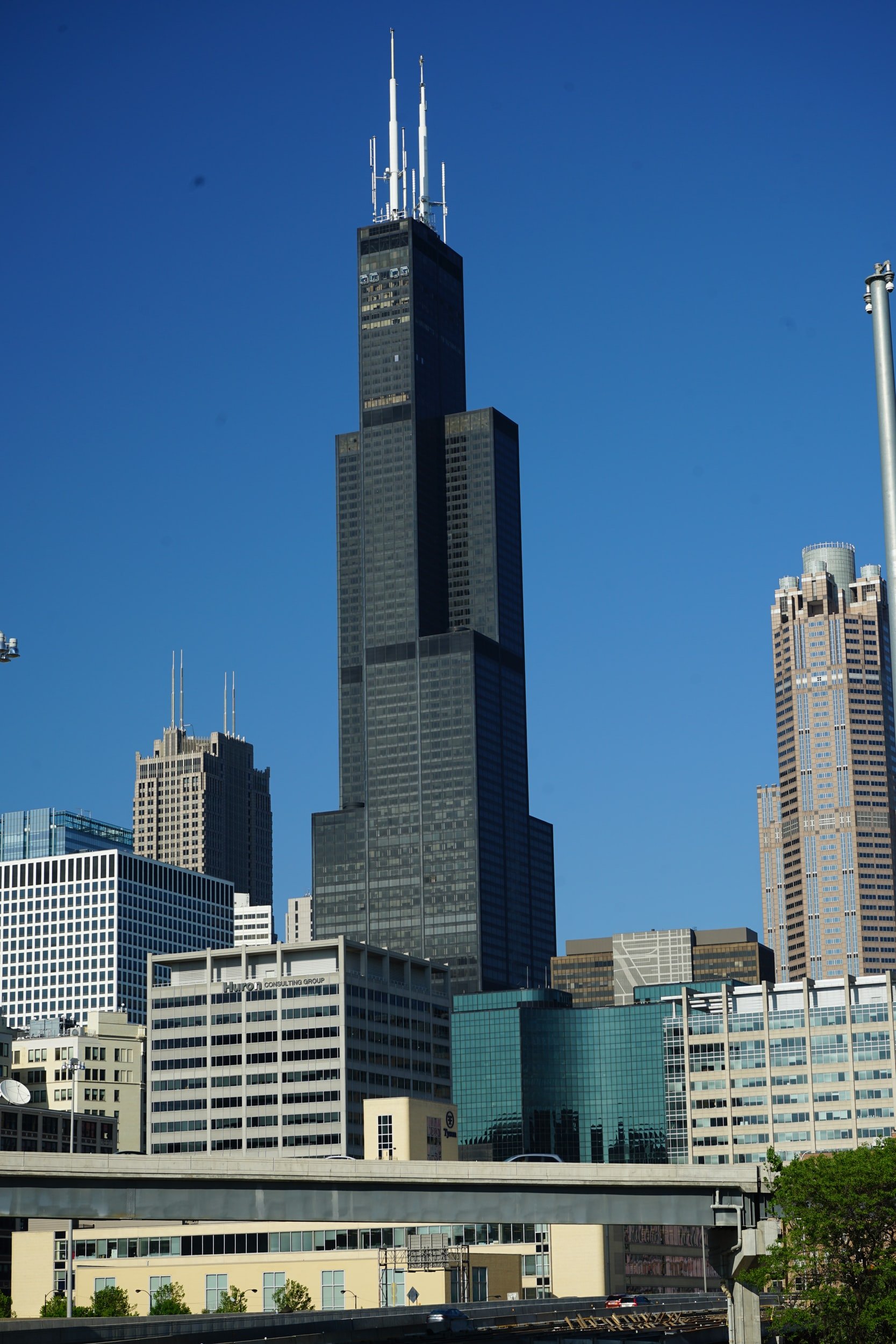
The undisputed answer, a name synonymous with both Chicago and global architectural ambition, is the Willis Tower. Formerly and perhaps more widely known as the Sears Tower, this colossal structure has dominated the city’s skyline for decades, offering breathtaking views and standing as a beacon of engineering prowess. But its story is far more complex than a simple measurement; it’s a narrative woven with innovation, ambition, and the relentless pursuit of vertical limits.
The Reigning King: The Enduring Legacy of the Willis Tower
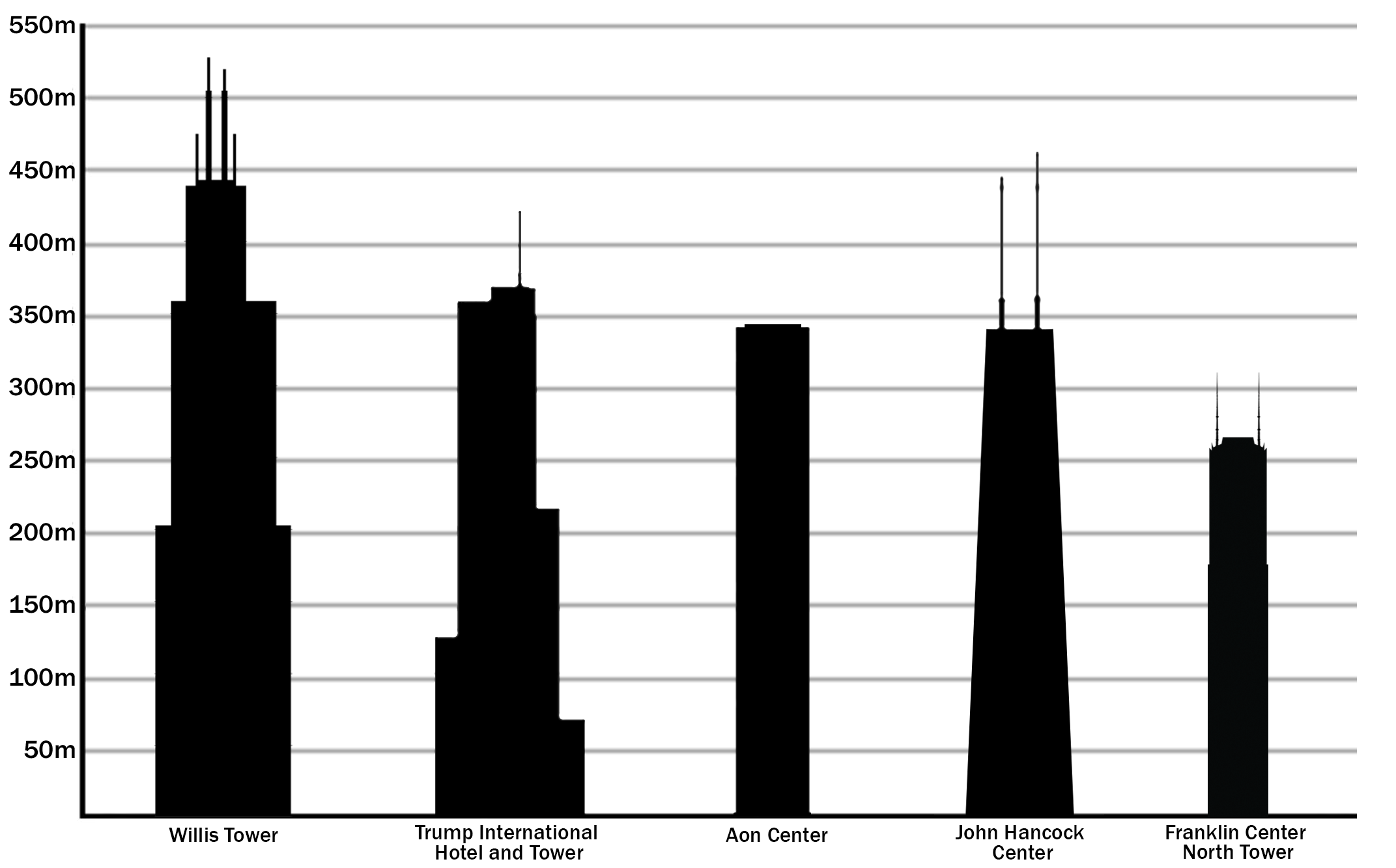
The Willis Tower, a monumental achievement in engineering and design, rises majestically to a staggering height of 1,450 feet (442 meters) from its base to the top of its roof. Including its two television antennas, its total architectural height reaches an impressive 1,729 feet (527 meters). This makes it not only the tallest building in Chicago but also one of the tallest buildings in the United States and the Western Hemisphere.
A Brief History and Architectural Marvel
Conceived in the early 1970s as the corporate headquarters for Sears, Roebuck & Company, a retail giant at the time, the building was designed by the architectural firm Skidmore, Owings & Merrill (SOM)). The lead architect was Bruce Graham, with structural engineering led by the visionary Fazlur Rahman Khan. Khan’s innovative “bundled tube” design revolutionized skyscraper construction, allowing for unprecedented heights while ensuring structural stability against Chicago’s strong winds. This design involved nine square “tubes” bundled together, with sections dropping off at various heights to create the building’s distinctive stepped-back silhouette. Construction began in August 1970 and was completed in May 1973, taking just under three years. Upon its completion, the Sears Tower claimed the title of the world’s tallest building, surpassing the World Trade Center in New York City, a title it held for nearly 25 years until 1998.
In 2009, the building underwent a significant rebranding when the Willis Group Holdings, an international insurance broker, secured a naming rights agreement. Despite the official change to the Willis Tower, many locals and long-time visitors still affectionately refer to it by its original name, the Sears Tower, a testament to its enduring cultural impact.
The Skydeck Chicago Experience: A Must-Do for Tourists
For travellers, the Willis Tower isn’t just a distant marvel; it’s an accessible experience. The Skydeck Chicago, located on the 103rd floor at an elevation of 1,353 feet (412 meters), is one of Chicago’s most popular tourist attractions, drawing millions of visitors annually. This observation deck offers unparalleled panoramic views of the city, extending across Illinois and into neighbouring states like Indiana, Michigan, and Wisconsin on a clear day.
The highlight of the Skydeck Chicago is undoubtedly The Ledge – four glass boxes that extend 4.3 feet (1.3 meters) out from the building’s façade, offering a truly unique, if not vertigo-inducing, experience. Standing on The Ledge, with nothing but glass between you and a 1,353-foot drop, provides an exhilarating perspective of the urban landscape below. It’s an ideal spot for capturing unforgettable travel photos and creating lasting memories. For those interested in luxury travel or unique experiences, booking a private event on the Skydeck can offer an exclusive way to enjoy the breathtaking vistas, perfect for special occasions or business stays.
Beyond the Willis Tower: Chicago’s Other Iconic Skyscrapers
While the Willis Tower commands the top spot, Chicago’s skyline is dotted with other architectural giants that deserve recognition. These buildings not only add to the city’s visual appeal but also house some of its most luxurious hotels, apartments, and business establishments, embodying various lifestyle options from high-end residential living to budget-friendly hotel stays with stunning views.
Trump International Hotel & Tower Chicago
Standing prominently along the Chicago River, the Trump International Hotel & Tower Chicago is another significant landmark. Completed in 2009, this mixed-use skyscraper reaches 1,388 feet (423 meters) to the top of its spire, making it the second-tallest building in the city by architectural height. It houses luxury condominiums and a five-star hotel, offering world-class amenities, exquisite dining options, and unparalleled views of the city and Lake Michigan. For travelers seeking premium accommodation, the Trump International Hotel & Tower Chicago provides an opulent stay that epitomizes luxury travel. Its suites and rooms often boast floor-to-ceiling windows, allowing guests to soak in the surrounding urban grandeur from the comfort of their temporary home.
St. Regis Chicago (formerly Vista Tower)
A more recent addition to Chicago’s impressive skyline, the St. Regis Chicago, formerly known as Vista Tower, is a striking residential skyscraper that also incorporates a luxury hotel. Completed in 2020, it stands at 1,198 feet (365 meters) tall, making it the city’s third-tallest building. Designed by renowned architect Jeanne Gang of Studio Gang, the building’s distinctive undulating exterior is a nod to the natural forms of water and crystals, setting it apart from its more rectilinear neighbours. Located in the vibrant Lakeshore East neighbourhood, the St. Regis Chicago offers a sophisticated blend of residential units and hotel suites, further cementing Chicago’s reputation as a hub for luxurious urban living and high-end accommodation options. Its unique design has quickly made it a new icon, attracting design enthusiasts and luxury travelers alike.
Aon Center
The Aon Center, completed in 1973, initially held the title of Chicago’s second-tallest building. Standing at 1,136 feet (346 meters), it was originally named the Standard Oil Building and later the Amoco Building. Its initial exterior of Italian Carrara marble faced issues due to Chicago’s harsh weather, leading to a complete re-cladding in white granite during the 1990s. The Aon Center is a significant presence on the skyline, primarily housing office spaces. While it doesn’t offer a public observation deck, its sheer scale and history contribute to Chicago’s identity as an architectural heavyweight.
875 North Michigan Avenue (formerly John Hancock Center)
An instantly recognizable fixture on the Magnificent Mile, the building at 875 North Michigan Avenue (formerly the John Hancock Center) is celebrated for its distinctive black, X-braced exterior, which is both an aesthetic statement and a structural innovation. Completed in 1969, this 1,128-foot (344 meters) supertall skyscraper was also designed by SOM with Bruce Graham and Fazlur Rahman Khan at the helm.
Its 360 Chicago Observation Deck, located on the 94th floor, offers another fantastic opportunity for visitors to experience panoramic views of the city, including sights of the Willis Tower, Lake Michigan, and the sprawling urban landscape. One of the unique attractions at 360 Chicago is TILT, a moving platform that literally tilts visitors outward over Michigan Avenue, providing a thrilling, downward-facing view from nearly 1,000 feet up. This offers an alternative, yet equally exhilarating, perspective compared to The Ledge at the Willis Tower, making it a popular choice for adventure-seeking tourists and a significant landmark in itself.
Chicago’s Architectural Legacy and Tourist Appeal
Chicago’s prominence in skyscraper development is no accident. The Great Chicago Fire of 1871, while devastating, cleared the way for a radical rebuilding effort. This catastrophe, combined with a burgeoning economy and the pioneering work of architects like Louis Sullivan, Daniel Burnham, and later the structural genius of Fazlur Rahman Khan, fostered an environment ripe for innovation. The “Chicago School of Architecture” emerged, characterized by its focus on functional design, steel-frame construction, and large plate-glass windows – principles that laid the groundwork for modern skyscrapers worldwide. This rich history makes Chicago a living museum of architectural evolution.
For tourists, engaging with this legacy is one of the primary reasons to visit. Architectural boat tours along the Chicago River are consistently ranked among the top activities in the city. These tours provide an intimate, ground-up perspective of the towering structures, revealing intricate details and historical anecdotes that are impossible to appreciate from street level. Guides from organizations like the Chicago Architecture Center offer engaging narratives about the city’s architectural journey, making the experience both educational and visually stunning. This type of guided experience aligns perfectly with the “Guides” and “Experiences” aspects of travel and tourism.
Beyond the buildings themselves, Chicago offers a complete travel experience. World-class museums like the Art Institute of Chicago, stunning public art installations in Millennium Park (home to Cloud Gate, or “The Bean”), a thriving culinary scene, and vibrant neighbourhoods ensure that there’s something for every interest. When planning your trip, consider booking hotels that offer views of these majestic landmarks. Many of Chicago’s luxury hotels and even some boutique accommodations provide rooms with direct sightlines to the Willis Tower or the Trump Tower, transforming your stay into an immersive architectural experience. This emphasis on accommodation choices, amenities, and reviews directly speaks to the “Hotels” and “Accommodation” categories. Whether you’re planning a budget trip or a luxurious family vacation, aligning your stay with access to these landmarks enhances the overall tourism experience and provides a lifestyle choice.
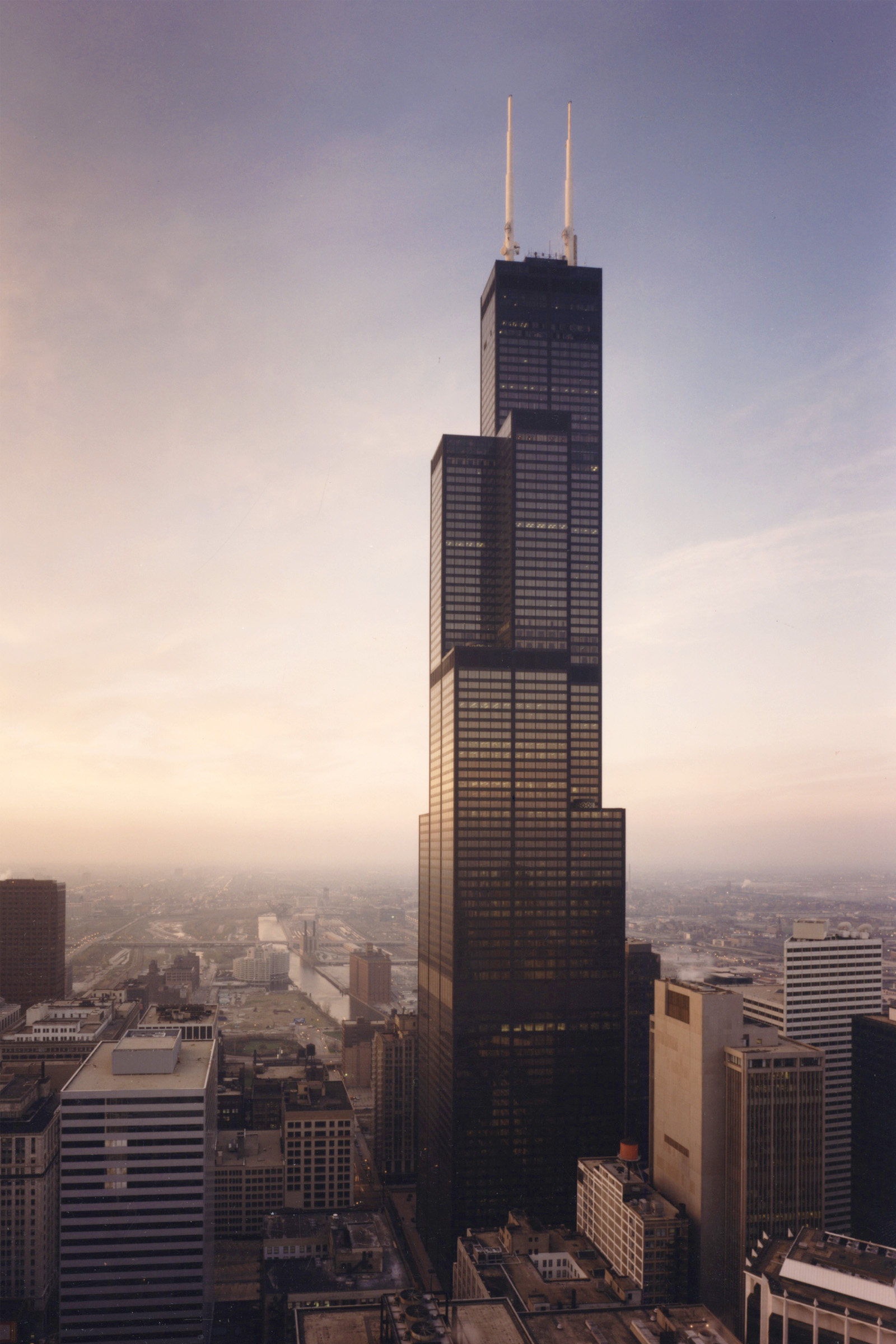
In conclusion, while the majestic Willis Tower proudly holds the title of Chicago’s tallest building, its presence is merely one facet of a profoundly rich architectural tapestry. The city offers a captivating journey through the evolution of the skyscraper, inviting visitors to explore its iconic structures, learn about its pioneering architects, and immerse themselves in a skyline that continues to inspire. For any traveler passionate about landmarks, history, or simply breathtaking urban vistas, a visit to Chicago promises an unforgettable experience, with its towering giants standing as eternal monuments to human innovation.