
New York City, a global epicenter of culture, finance, and innovation, is renowned for its iconic skyline. This concrete jungle, a testament to human ambition and architectural prowess, continuously reaches for the clouds. Among its myriad towering structures, one stands supreme, not only in height but also in its profound symbolism. If you’re planning a trip to this magnificent destination and pondering which landmark claims the title of the tallest, the answer is unequivocally the One World Trade Center. More than just a skyscraper, it’s a beacon of resilience, a memorial, and an essential attraction for any traveler exploring the United States.
This article will delve into the majesty of the One World Trade Center, explore the rich history of New York City’s towering giants, and highlight other breathtaking buildings that contribute to its unforgettable panorama. Whether you’re a first-time visitor or a seasoned urban explorer, understanding the stories behind these architectural wonders enriches your overall travel experience. From luxurious hotels with unparalleled views to observation decks offering panoramic vistas, New York City’s vertical landscape is an integral part of its allure, offering endless opportunities for tourism and discovery.
One World Trade Center: A Beacon of Resilience and Grandeur
Standing majestically at the northern end of the 16-acre World Trade Center complex in Lower Manhattan, the One World Trade Center is currently the tallest building in New York City, the Western Hemisphere, and the seventh-tallest in the world. Its striking silhouette, often referred to as the Freedom Tower, is not merely a feat of modern engineering but a powerful symbol of rebirth and strength, rising from the ashes of a tragic past. Completed in 2014, it has rapidly become one of the city’s most visited landmarks, drawing millions annually.
Architectural Marvel and Symbolic Height
The One World Trade Center’s height is a deliberate and poignant nod to history. Reaching an iconic 1,776 feet (541 meters) to the tip of its spire, this measurement symbolizes the year of the signing of the United States Declaration of Independence. Designed by David Childs of Skidmore, Owings & Merrill (SOM), the skyscraper’s architecture is a harmonious blend of aesthetics, functionality, and symbolism. Its base, a robust concrete structure, protects the building from ground-level threats, while the tower itself tapers elegantly as it rises, culminating in a gleaming spire that illuminates the New York City sky.
The building comprises 104 stories, though only 94 are considered usable floors. Its innovative design incorporates advanced security features, sustainable technologies, and stunning aesthetics. The facade is clad in over 2,000 panes of shimmering glass, reflecting the ever-changing light and hues of the city and sky. Inside, the tower houses commercial offices, world-class dining, and, most notably, the One World Observatory. Adjacent to the tower is the tranquil National September 11 Memorial & Museum, a poignant tribute that complements the tower’s message of enduring hope. Visiting this complex offers a profound journey through remembrance, recovery, and the unwavering spirit of a city.
The One World Observatory: An Unforgettable Experience
For travelers seeking an unparalleled perspective of New York City, the One World Observatory is an absolute must-visit. Located on floors 100-102, this world-class observation deck offers 360-degree panoramic views that stretch for miles in every direction. The journey to the top begins with SkyPod Elevators, which ascend to the 102nd floor in just 47 seconds, treating visitors to a virtual time-lapse display of New York City’s evolution from swampland to skyscraper haven.
Once at the summit, guests are greeted by the “See Forever Theater,” an immersive video experience that truly lives up to its name. Beyond the digital spectacle, the main observation deck provides breathtaking vistas of iconic landmarks such as the Empire State Building, the Statue of Liberty, the Brooklyn Bridge, and the expansive urban tapestry bordered by the Hudson River and East River. Interactive displays, knowledgeable guides, and dining options like the upscale restaurant ONE Dine enhance the visit. The One World Observatory is not just a place to see the city from above; it’s a profound engagement with New York City’s geography, history, and vibrant energy, making it an essential component of any travel guide.
A Legacy of Giants: New York City’s Skyscraper History
While the One World Trade Center proudly wears the crown today, New York City’s history is punctuated by a succession of structures that, at one time or another, held the title of the world’s tallest building. This continuous pursuit of verticality reflects the city’s dynamic growth and its relentless ambition. From the late 19th century onwards, New York City has been at the forefront of skyscraper innovation, creating architectural landmarks that inspire awe and captivate the imagination of visitors worldwide.
The Enduring Charm of the Empire State Building
Before the rise of the current giants, the Empire State Building reigned supreme as the world’s tallest building for over 40 years after its completion in 1931. Standing at 1,250 feet (381 meters), or 1,454 feet (443.2 meters) including its antenna, this Art Deco masterpiece remains one of New York City’s most beloved attractions. Its distinctive silhouette is instantly recognizable, and its observation decks on the 86th and 102nd floors continue to draw millions of visitors annually.
The Empire State Building is not just a building; it’s an icon embedded in popular culture, featured in countless films, TV shows, and works of art. Its timeless design, the romantic notion of its history (famously built in just 13 months), and the breathtaking views it offers make it an essential stop on any New York City itinerary. Unlike some newer, sleeker towers, the Empire State Building offers a tangible connection to the city’s golden age of skyscraper construction, a period of unprecedented architectural daring that continues to define the Manhattan skyline. Its place in the city’s heart and its appeal to travelers remain undiminished.
Art Deco Masterpieces: Chrysler Building and Beyond
Hot on the heels of the Empire State Building, and briefly holding the title of the world’s tallest before being surpassed by its rival, was the magnificent Chrysler Building. Completed in 1930, this stunning Art Deco skyscraper, with its distinctive terraced crown and gleaming stainless steel gargoyles, is widely considered one of the most beautiful buildings in the world. Although it doesn’t offer a public observation deck, its exterior architecture alone is a compelling reason to visit Midtown Manhattan and marvel at its intricate details. Its spire, reminiscent of a car radiator grille, and its eagles, a tribute to the automotive age, perfectly capture the spirit of its era.
Beyond these two titans, New York City’s past is dotted with other architectural wonders that pushed the boundaries of height and design. Buildings like 40 Wall Street (also known as the Trump Building), which briefly held the world’s tallest title in 1930 before being overtaken by the Chrysler Building, exemplify the competitive and ambitious spirit that shaped the city’s skyline. These historical landmarks not only serve as a visual timeline of architectural evolution but also tell the story of a city constantly striving for greatness, solidifying its status as a premier global destination for urban exploration and architectural tourism.
Beyond the Pinnacle: Other Iconic Skyscrapers Defining the Skyline
While the One World Trade Center claims the top spot, New York City’s urban landscape is a veritable forest of supertalls and iconic structures. The 21st century has ushered in a new era of skyscraper construction, characterized by ultra-luxury residential towers and innovative mixed-use complexes that continue to redefine the city’s vertical profile. These contemporary giants add new layers to the city’s visual appeal and offer fresh perspectives for visitors.
Central Park Tower and the Billionaires’ Row
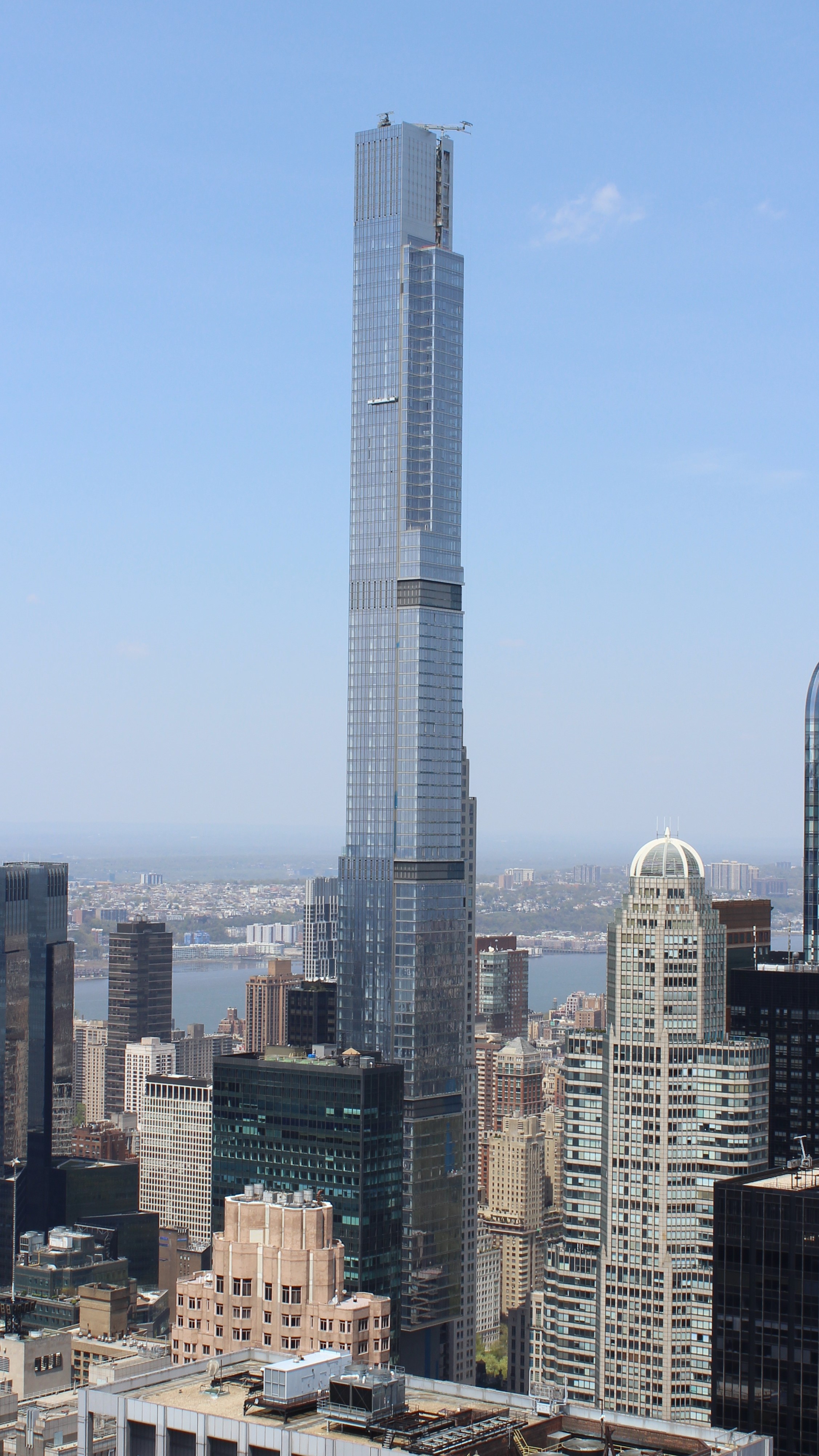
Among the newer additions to New York City’s elite club of supertalls is the Central Park Tower. Completed in 2021, this colossal residential skyscraper rises to 1,550 feet (472 meters) and is the second-tallest building in the city, the tallest residential building in the world, and the tallest building outside the One World Trade Center by structural height. Located on Billionaires’ Row, a cluster of ultra-luxury residential towers along the southern end of Central Park, it epitomizes the city’s ongoing architectural boom and its appeal to the global elite.
The Central Park Tower offers unparalleled views of Central Park, the Hudson River, and the entire Manhattan skyline. While primarily residential, its presence significantly alters the cityscape, especially when viewed from Central Park itself. These towers represent a new wave of luxury lifestyle and accommodation within the city, pushing architectural boundaries and offering exclusive living experiences. For travelers interested in contemporary architecture and the luxurious side of New York City, a stroll along Billionaires’ Row provides a glimpse into this opulent world.
432 Park Avenue and Other Residential Giants
Another prominent residential skyscraper contributing to New York City’s dramatic vertical growth is 432 Park Avenue. Completed in 2015, this slender tower stands at 1,396 feet (426 meters) and is instantly recognizable by its minimalist, gridded facade and perfectly square windows. It was once the tallest residential building in the Western Hemisphere and remains a significant feature of the Midtown Manhattan skyline, offering breathtaking views from its high-end apartments. Its stark, geometric design contrasts with the more ornate styles of older buildings, showcasing the evolution of skyscraper architecture.
Other notable supertalls that define New York City’s contemporary landscape include the Bank of America Tower (1,200 feet / 366 meters), known for its sustainable design; 30 Hudson Yards (1,268 feet / 387 meters), home to the spectacular Edge Observation Deck; and One Vanderbilt (1,401 feet / 427 meters), featuring the innovative The Summit One Vanderbilt observation experience. Each of these buildings contributes to the city’s dynamic profile, offering distinct architectural styles, commercial spaces, and often, unique vantage points for visitors. Exploring these modern marvels provides a comprehensive understanding of New York City’s continuous evolution and its unwavering commitment to building upwards, solidifying its place as a leader in urban development and a must-see destination for architecture enthusiasts.

Experiencing New York City’s Tallest Buildings: Tips for Travelers
Understanding which building is the tallest is just the beginning of appreciating New York City’s incredible vertical landscape. For travelers, these towering landmarks offer more than just impressive photo opportunities; they provide immersive experiences and unparalleled views that can truly define a trip. Integrating visits to these architectural giants into your travel itinerary requires a bit of planning, ensuring you make the most of your time and fully embrace the city’s unique charm.
Planning Your Visit to Observation Decks
New York City boasts several world-class observation decks, each offering a distinct perspective. Beyond the One World Observatory, consider visiting:
- Empire State Building (86th & 102nd Floors): Offers a classic, quintessential New York City experience, especially evocative at sunset. Consider purchasing tickets in advance to save time.
- Top of the Rock (at Rockefeller Center): Renowned for its unobstructed views of the Empire State Building and Central Park. Timed tickets are recommended.
- Edge Observation Deck (at 30 Hudson Yards): Features an exhilarating outdoor sky deck with a glass floor, providing a unique thrill. Best for those seeking an adrenaline rush and stunning views of the Hudson River and Midtown.
- The Summit One Vanderbilt: A multi-sensory art experience with mirrored rooms and stunning city views, offering a truly modern and immersive visit.
Travel Tips for Observation Decks:
- Book in Advance: Especially for popular times like sunset, booking tickets online ahead of time is crucial to secure your spot and often saves you from long queues.
- Check Weather: Clear skies are paramount for the best views. Check the forecast before your visit.
- Consider a CityPASS: If you plan to visit multiple attractions, a New York CityPASS can offer significant savings and skip-the-line access.
- Go Early or Late: To avoid peak crowds, consider visiting right when they open or closer to closing time.
Where to Stay: Accommodation with a View
For travelers who wish to extend their appreciation for New York City’s towering structures, choosing the right accommodation can transform a trip into an unforgettable luxury experience. Many hotels offer rooms and suites with spectacular city views, allowing you to wake up to the iconic skyline or enjoy sparkling city lights at night.
- Lower Manhattan / Financial District: For views of the One World Trade Center and Brooklyn Bridge, consider hotels like the Four Seasons Hotel New York Downtown or The Beekman, a Thompson Hotel. These offer luxurious stays amidst historical charm and modern development.
- Midtown Manhattan: To be near the Empire State Building, Chrysler Building, and Rockefeller Center, hotels such as the Grand Hyatt New York, The Peninsula New York, or Lotte New York Palace provide central access and often stunning views.
- Billionaires’ Row / Central Park South: For ultimate luxury and breathtaking views overlooking Central Park and the new supertalls, The Ritz-Carlton New York, Central Park or The St. Regis New York offer unparalleled elegance.
- Times Square: For a vibrant, energetic atmosphere and views of the bustling square and surrounding towers, hotels like the Times Square EDITION or New York Marriott Marquis are excellent choices.
When booking accommodation, filter for “city view” or “skyline view” options. While often costing a premium, the experience of waking up to New York City’s unparalleled urban vista is a luxury worth investing in for many travelers. From suites to executive club levels, many hotels cater to guests seeking this immersive connection with the city’s celebrated skyline.
In conclusion, the One World Trade Center stands as New York City’s undisputed tallest building, a testament to resilience, innovative design, and breathtaking urban development. However, the story of New York City’s vertical ascent is much richer, encompassing a historical lineage of iconic structures like the Empire State Building and the Chrysler Building, alongside a new generation of supertalls that continue to push architectural boundaries. For any traveler, exploring these landmarks and experiencing their awe-inspiring views offers a profound and unforgettable encounter with one of the world’s most dynamic and architecturally significant cities.
LifeOutOfTheBox is a participant in the Amazon Services LLC Associates Program, an affiliate advertising program designed to provide a means for sites to earn advertising fees by advertising and linking to Amazon.com. Amazon, the Amazon logo, AmazonSupply, and the AmazonSupply logo are trademarks of Amazon.com, Inc. or its affiliates. As an Amazon Associate we earn affiliate commissions from qualifying purchases.