
When planning a trip to the vibrant and exhilarating state of New York, understanding the tax implications is an essential part of budgeting and avoiding unwelcome surprises. While the allure of the Empire State is undeniable, from the towering skyscrapers of New York City to the serene beauty of the Adirondacks, every visitor and resident will encounter various taxes that contribute to the state’s infrastructure, services, and public amenities. This comprehensive guide aims to demystify the tax landscape of New York, covering the primary taxes you’re likely to encounter, particularly those that impact travel, accommodation, and lifestyle choices within this dynamic destination.
Navigating New York’s Sales Tax: The Traveler’s Constant Companion
For any visitor, the most immediately apparent tax is the sales tax. This levy is applied to the sale of most tangible goods and certain services, and it’s a crucial factor to consider when making purchases, dining out, or booking accommodations. New York’s sales tax structure is a multi-layered system, combining state, county, and, in some cases, metropolitan transportation district rates.
State and Local Sales Tax Rates
The state of New York imposes a base sales tax rate, which is then augmented by local rates set by individual counties. This means the exact percentage you’ll pay can vary significantly depending on your precise location within the state. For instance, the sales tax rate in New York City is higher than in many upstate counties. This is largely due to the inclusion of a Metropolitan Commuter Transportation District surcharge in the city and surrounding suburban counties, which helps fund public transportation systems like the Metropolitan Transportation Authority (MTA).
Understanding the Breakdown
At the state level, the general sales tax rate is 4%. However, this is rarely the final rate you’ll pay. Counties can impose their own additional sales taxes, typically ranging from 3% to 4.875%. When combined with the state tax, this results in a total state and local sales tax rate that often falls between 7.75% and 8.875% across New York State. For example, in New York City, the combined rate is currently 8.875% (4% state + 4.5% city + 0.375% MTA surcharge). Knowing this breakdown is vital for understanding the total cost of your purchases.
Taxable Goods and Services
The scope of New York’s sales tax is broad. It generally applies to:
- Tangible Personal Property: This includes most items you purchase, from clothing and electronics to souvenirs and groceries (though some essential groceries are exempt).
- Services: Many services are also subject to sales tax, such as hotel accommodations, repair services, parking, admission to entertainment venues, and much more. The specific services taxed can sometimes be complex and depend on the exact nature of the service.
Exemptions and Exceptions
While the sales tax is pervasive, there are important exemptions to be aware of, particularly for travelers. Some common exemptions include:
- Food and Beverages: As mentioned, basic groceries purchased for consumption off-premises are typically exempt. However, prepared foods (like those from a deli or restaurant), soft drinks, and alcoholic beverages are generally taxable.
- Prescription Drugs and Certain Medical Supplies: These are usually exempt from sales tax.
- Out-of-State Purchases: Goods purchased and shipped outside of New York may not be subject to New York sales tax.
- Certain Services: Some services, like educational services or professional services, might be exempt.
It’s always a good practice to check with the vendor or the New York State Department of Taxation and Finance if you are unsure about the taxability of a particular item or service.
Accommodation Taxes: The Price of a New York Stay
For tourists and business travelers, accommodation taxes are a significant component of the overall cost of a New York getaway. These taxes are levied on hotel rooms, resorts, apartments, and other forms of lodging. Similar to sales tax, they are a combination of state, local, and sometimes special district taxes.
Hotel Occupancy Taxes
When you book a hotel in New York, you’ll almost invariably see an “occupancy tax” or “lodging tax” added to your bill. This tax is specifically designed to fund local government services, tourism promotion, and infrastructure improvements.
State and Local Hotel Taxes
The state of New York imposes a statewide hotel occupancy tax, but the majority of the tax burden on lodging comes from local governments. New York City, for instance, has a robust hotel tax that includes a state tax, a city tax, and a tourism promotion surcharge. Rates can vary considerably, but it’s not uncommon for the total tax on a hotel room in popular tourist areas to add between 10% and 15% to the base room rate.
Special District Taxes
In some areas, particularly those with significant tourism attractions like the Niagara Falls region or parts of the Catskills, you might encounter special district taxes. These are often established to directly fund the development and marketing of tourism within that specific region, ensuring that the revenue generated from visitors is reinvested into making the destination more appealing.
Impact on Budget Travel
For budget travelers, understanding these occupancy taxes is crucial. A seemingly affordable hotel room can become significantly more expensive once these taxes are factored in. It’s advisable to look for the “total price” or a clear breakdown of taxes when comparing accommodation options. Websites that facilitate booking often provide this information, but it’s always wise to double-check directly with the hotel. For long-term stays, some of these taxes might be reduced or waived, which can be a significant saving for extended visitors.
Beyond Sales Tax: Other Taxes to Consider in New York
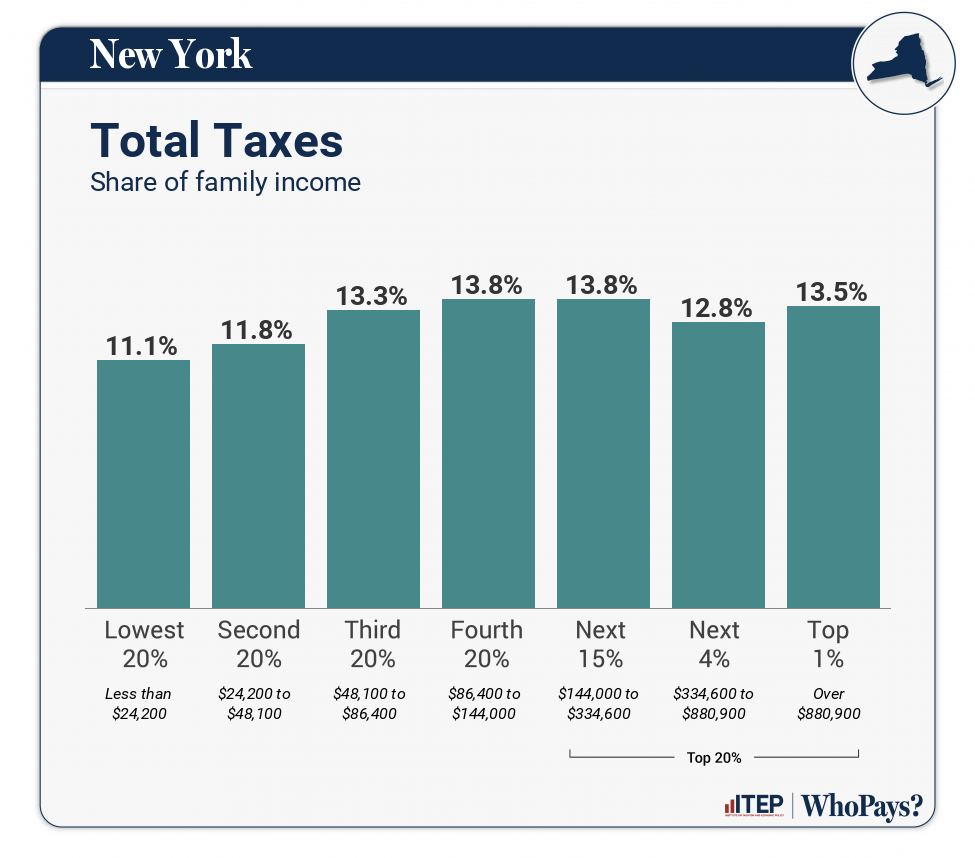
While sales tax and occupancy taxes are the most frequently encountered by visitors, New York has a complex tax system that can impact various aspects of lifestyle and economic activity. For residents and long-term visitors, understanding these can be vital.
Income Tax
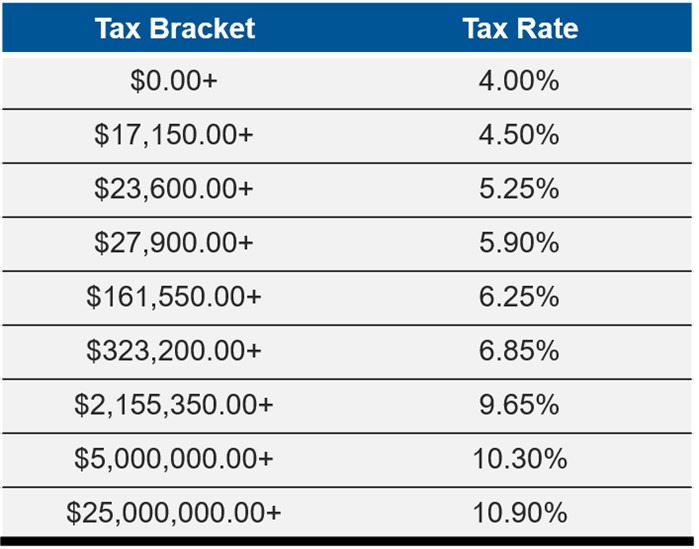
New York has a progressive income tax system for individuals, meaning that higher earners pay a higher percentage of their income in taxes. This applies to wages, salaries, and other forms of income. The tax rates range from a low percentage for lower income brackets to a significant percentage for the highest earners. For businesses, New York also levies corporate franchise taxes.
Property Tax
Property taxes are a major source of revenue for local governments in New York, funding schools, local services, and infrastructure. These taxes are levied on real estate, including residential, commercial, and industrial properties. Property tax rates vary dramatically from one municipality to another, depending on local spending needs and property valuations. Homeowners and property owners in New York are well aware of the significant impact property taxes can have.
Motor Vehicle Taxes and Fees
Owning and operating a vehicle in New York involves several taxes and fees. There’s a sales tax on the purchase of a new or used vehicle, annual registration fees that vary by vehicle type and weight, and license plate fees. Additionally, drivers in the New York City metropolitan area may encounter tolls on bridges and tunnels, which, while not strictly a tax, function similarly as a cost for using specific infrastructure.
Other Taxes and Surcharges
Depending on your activities, you might encounter other specific taxes and surcharges:
- Cigarette and Tobacco Taxes: These are relatively high in New York, aiming to discourage smoking and generate revenue.
- Alcoholic Beverage Taxes: Similar to tobacco, these taxes are applied to the sale of alcoholic beverages.
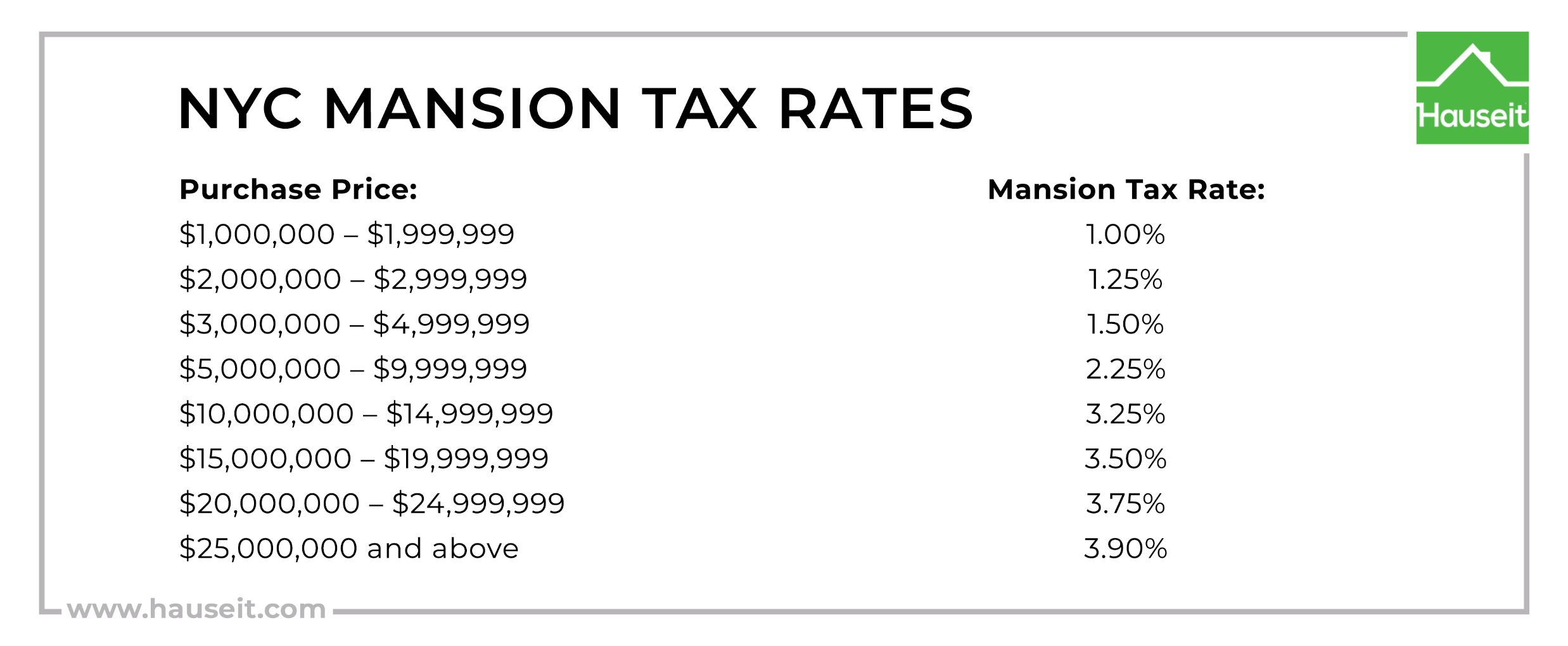
- Real Estate Transfer Taxes: When property is bought and sold, state and local transfer taxes are often imposed.
Understanding the tax landscape of New York is not just about numbers; it’s about understanding how these revenues contribute to the state and its localities. From maintaining world-class attractions like Central Park and the Statue of Liberty to supporting public transportation and education, taxes play a vital role in shaping the New York experience. For travelers, a little bit of tax knowledge can go a long way in ensuring a smoother, more predictable, and ultimately more enjoyable visit to the Empire State. Whether you’re seeking luxury resorts in the Hamptons, exploring historic sites in Albany, or enjoying the natural beauty of Lake Placid, being informed about New York’s taxes will help you budget effectively and appreciate the services they fund.