
Navigating the tax landscape of any destination can be a crucial part of planning your trip, and the beautiful state of Florida is no exception. While often celebrated for its sunny beaches, world-class theme parks, and vibrant cities, understanding the tax implications, particularly sales tax, is essential for both visitors and residents. This comprehensive guide delves into Florida’s tax structure, focusing on sales and use tax, and how it impacts various aspects of your Florida experience, from booking a luxurious resort to enjoying local delicacies.
Understanding Florida’s Sales and Use Tax
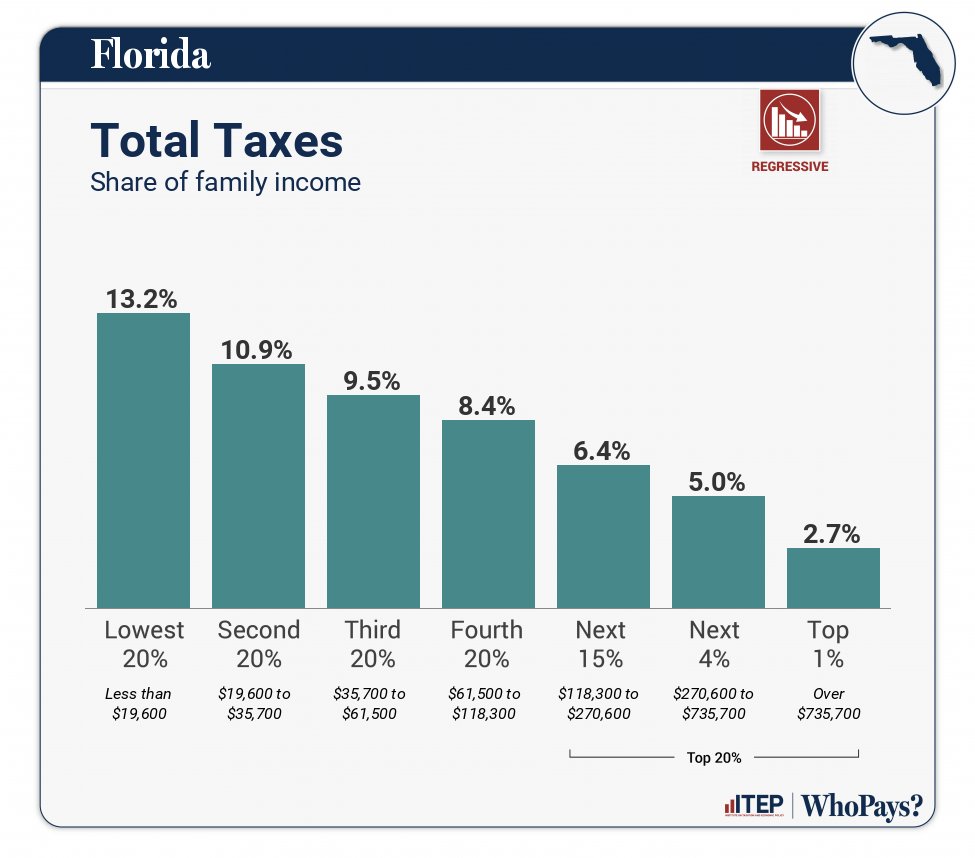
At its core, Florida’s sales tax is a tax imposed on the retail sale of tangible personal property and certain services within the state. This tax is a significant revenue generator for the state and its local governments, funding essential services like education, infrastructure, and public safety. For travelers, this translates to a slight increase on the price of goods and services purchased, which can add up, especially on longer stays or significant purchases.

The statewide general sales tax rate in Florida is currently 6%. However, this is just the beginning of the story. Many counties and municipalities in Florida levy their own local option sales taxes, which are added on top of the state rate. This means that the total sales tax rate you’ll encounter can vary significantly depending on your specific location within the state.
State and Local Tax Rates: A Varied Landscape
The combination of state and local taxes creates a dynamic tax environment across Florida. While the base state rate is 6%, additional discretionary sales surtaxes can be added by counties. These surtaxes are typically used to fund specific local projects, such as infrastructure improvements, public transportation, or law enforcement.
For instance, some counties might have an additional 1% surtax, bringing the total to 7%. Others might have a 1.5% surtax, resulting in a 7.5% total. In some tourist-heavy areas, you might even find higher combined rates. It’s important to note that these local taxes are not applied uniformly. Some counties may have different rates for different types of goods or services, though the most common scenario involves a flat addition to the state rate.
The Florida Department of Revenue is the official body responsible for overseeing and collecting sales and use tax. They provide detailed information on the various local option taxes and their applicable rates. When you make a purchase or pay for a service in Florida, the tax applied will be the sum of the state rate and any applicable county or municipal surtaxes for that specific jurisdiction. This is why it’s always a good idea to be aware of the local tax rates in the areas you plan to visit, especially if you’re considering significant spending. For example, if you’re staying in a luxury hotel in Miami Beach, the tax might be different from what you’d pay in a more rural county.
What is Subject to Sales Tax in Florida?
Generally, sales tax in Florida applies to the sale or rental of most tangible personal property, such as clothing, electronics, furniture, and souvenirs. It also extends to certain taxable services. Understanding what is and isn’t taxed can help you budget more effectively.
Commonly Taxed Items and Services:
- Tangible Personal Property: This is the broadest category and includes virtually anything you can touch and feel. Examples include clothing, electronics, books, furniture, appliances, and souvenirs purchased from stores like those found in Disney Springs or CityWalk.
- Accommodations: Hotels, motels, apartment hotels, roominghouses, and other similar lodging establishments are subject to sales tax on the full rental charge. This is a significant consideration for travelers booking stays at places like the Grand Floridian Resort & Spa or a quaint beachside villa.
- Admission Fees: Tickets to attractions, theme parks, sporting events, concerts, and other forms of entertainment are generally subject to sales tax. This means your tickets to Walt Disney World, Universal Orlando Resort, or a Miami Heat game will include this added cost.
- Rental of Tangible Personal Property: This includes the rental of vehicles, boats, recreational equipment, and other tangible items.
- Certain Services: While many services are exempt, some are specifically taxed. These can include, but are not limited to, the repair or maintenance of tangible personal property, detective and protective services, and telecommunication services.
Important Exemptions to Note:
It’s equally important to be aware of common exemptions. Not everything is subject to sales tax, and understanding these can lead to savings.
- Groceries: Most basic food items intended for home consumption are exempt from sales tax. This is a significant relief for families stocking up at local supermarkets for their vacation rental. However, prepared foods, restaurant meals, and certain convenience items are typically taxed.
- Prescription Medications: Medicines sold by prescription are exempt.
- Books and Periodicals: Many books and newspapers are exempt from sales tax.
- Certain Business-to-Business Transactions: Some specific business-related services and purchases may be exempt under certain conditions.
- Educational Materials: Items directly related to educational purposes may qualify for exemptions.
The Florida Department of Revenue publishes extensive lists of taxable and exempt goods and services, which are invaluable resources for both businesses and consumers. For travelers, knowing that your fresh produce from a farmer’s market is likely tax-free, while a souvenir t-shirt from a shop on Ocean Drive will carry the tax, helps in managing expectations.
Sales Tax on Travel and Accommodation in Florida
For travelers, understanding how sales tax applies to various aspects of their trip is paramount. This can range from the hotel room you book to the experiences you partake in. Florida’s tax policies are designed to capture revenue from the significant tourism industry it hosts.
Hotel Stays and Rental Properties
When you book a room at a hotel, resort, or even a vacation rental apartment or villa in Florida, you will almost certainly be charged sales tax on the nightly rate. This includes both the state sales tax and any applicable local option taxes. The rate applied will be that of the county and city where the accommodation is located.
For example, a stay at the Ritz-Carlton, Naples will be subject to the sales tax rate of Collier County and the City of Naples. Similarly, a villa rental in the Florida Keys will incur the specific sales tax rates for Monroe County. This can add a noticeable percentage to your accommodation bill, so it’s wise to factor this into your accommodation budget. Many booking platforms and hotel websites will clearly itemize the taxes and fees, but it’s always good practice to confirm.
The distinction between a long-term stay and a short-term stay can also sometimes affect tax. While sales tax typically applies to rentals of less than six months, there might be specific nuances for extended stays, so it’s always best to clarify with your accommodation provider.
Theme Parks, Attractions, and Experiences
Florida is renowned for its theme parks and attractions, and the sales tax applies to admission tickets. Whether you’re spending a day at Magic Kingdom, exploring the thrills of Busch Gardens Tampa Bay, or taking in the natural beauty of the Everglades, the price of your ticket will include sales tax.
This also extends to other forms of entertainment and tourist activities. Entrance fees to museums, zoos, aquariums, sporting events, and even guided tours will likely have sales tax added. For those seeking luxury travel experiences, such as private yacht charters or exclusive tours, these services may also be subject to sales tax depending on their nature and the provider.
When planning your family trips or budget travel itineraries, it’s crucial to account for these taxes on your planned activities. A budget for a week of theme park hopping in Orlando should factor in the combined state and local sales tax on every ticket purchased.
Dining and Souvenirs
Your culinary adventures and souvenir shopping in Florida will also be subject to sales tax. Meals purchased at restaurants, cafes, and food stands are typically taxed. While basic groceries for home consumption are generally exempt, prepared foods and dining experiences are not.
Similarly, any tangible items you purchase as souvenirs or gifts, from a t-shirt in St. Augustine to a piece of art in Palm Beach, will have sales tax applied at the point of sale. This includes items purchased in hotel gift shops, local boutiques, and even at the many shopping malls across the state, such as the Mall at Millenia in Orlando or the Sawgrass Mills outlet mall.
Use Tax in Florida: The Counterpart to Sales Tax
While sales tax is levied at the point of sale, Florida also has a use tax. This tax is designed to apply to tangible personal property and services purchased outside of Florida for use, storage, or consumption within Florida, where sales tax was not paid at the time of purchase.
When Use Tax Applies
The primary purpose of use tax is to ensure a level playing field between businesses that collect sales tax in Florida and those that do not. It prevents individuals and businesses from avoiding Florida’s tax obligations by making purchases in other states or from out-of-state vendors who don’t collect Florida sales tax.
Common Scenarios Where Use Tax Might Apply:
- Online Purchases: If you purchase items online from an out-of-state retailer who does not collect Florida sales tax, you are generally responsible for paying the Florida use tax on those items. This applies to purchases made via websites that do not have a physical presence in Florida or have not registered to collect Florida sales tax.
- Purchases Made While Traveling Abroad: If you bring tangible personal property into Florida that you purchased while traveling outside the state or country, and did not pay Florida sales tax on it, you may owe use tax. There are often exemptions for personal belongings brought into the state for personal use.
- Purchases from Out-of-State Businesses: If you contract for services from an out-of-state business and the service is performed in Florida, or if you receive the benefit of the service in Florida, use tax may apply.
The rate for use tax in Florida is the same as the applicable sales tax rate for the location in Florida where the item or service is used, stored, or consumed. Individuals are typically expected to report and pay use tax on their annual Florida tax return. Businesses are also subject to use tax on taxable purchases made from out-of-state vendors.
Understanding use tax is particularly relevant in today’s increasingly digital marketplace. While many large online retailers now collect Florida sales tax due to nexus laws, smaller or out-of-state vendors may not. In such cases, the responsibility falls on the buyer to remit the use tax to the state.
Tips for Managing Taxes While in Florida
Being mindful of Florida’s tax rates can help you budget more effectively and avoid any unexpected costs during your visit. Here are a few practical tips for travelers:
- Budget with Higher Rates in Mind: When planning your expenses for Florida, especially for accommodation and attractions, assume the higher end of the tax spectrum for the areas you’ll be visiting. This ensures you won’t be caught off guard.
- Check Local Tax Rates: For significant purchases or longer stays, it can be beneficial to check the specific sales tax rates for the counties and cities you’ll be in. The Florida Department of Revenue website provides tools for this.
- Keep Receipts: Holding onto receipts can be helpful, especially if you need to track expenses for business purposes or if you have questions about the taxes charged.
- Understand Exemptions: Be aware of common exemptions, such as for groceries, which can help you save money on everyday necessities if you’re staying in a location with kitchen facilities.
- Report Use Tax: If you’ve made purchases online from out-of-state vendors without paying sales tax, remember to account for and remit the use tax on your Florida tax return.
By understanding the nuances of Florida’s sales and use tax, you can better plan your finances, enjoy your travels, and make informed decisions whether you’re exploring the vibrant nightlife of Miami, relaxing on the beaches of Clearwater, or immersing yourself in the history of St. Augustine. This knowledge empowers you to make the most of your Florida experience, from the grandest resort stays to the simplest daily expenses.
LifeOutOfTheBox is a participant in the Amazon Services LLC Associates Program, an affiliate advertising program designed to provide a means for sites to earn advertising fees by advertising and linking to Amazon.com. Amazon, the Amazon logo, AmazonSupply, and the AmazonSupply logo are trademarks of Amazon.com, Inc. or its affiliates. As an Amazon Associate we earn affiliate commissions from qualifying purchases.