
California, often known as the Golden State, beckons travelers from around the globe with its diverse landscapes, vibrant cities, and iconic attractions. From the sun-kissed beaches of San Diego to the majestic redwoods of the north, and the star-studded streets of Hollywood to the tranquil vineyards of Napa Valley, there’s an endless array of experiences to discover. Whether you’re planning a luxury retreat in Beverly Hills, a family adventure to Disneyland, a serene escape to a boutique hotel, or considering a longer-term stay embracing the California lifestyle, understanding the state’s tax rates is crucial. Taxes in California can significantly impact your budget, affecting everything from the cost of your accommodation and dining to shopping for souvenirs and even fueling your California road trip.
California has one of the most complex and often highest tax structures in the United States. This comprehensive guide will break down the various tax rates you’re likely to encounter, providing essential insights for travelers, digital nomads, and anyone considering a stay in this magnificent state. Knowing what to expect financially will allow you to plan more effectively, ensure a smooth trip, and fully immerse yourself in the rich culture and unparalleled beauty California offers without unexpected budget surprises.
Navigating California’s Sales Tax: A Traveler’s Guide
One of the most common taxes you’ll encounter during your visit to California is the sales tax. This tax applies to most retail purchases of tangible goods and is a significant consideration for budgeting your shopping sprees, dining experiences, and even some tourism-related services. Unlike a flat national sales tax, California’s system is a blend of a statewide base rate and various local district taxes, leading to considerable variations depending on where you are in the state.
Understanding the Statewide Base Rate
As of recent years, the statewide sales tax rate in California is 7.25%. This base rate is applied across all cities and counties within the state, meaning that at a minimum, you’ll pay this percentage on eligible purchases. This applies to your new pair of sunglasses in Santa Monica, a souvenir from a museum in San Francisco, or even groceries (though most unprepared food items are exempt).
Local Variations and District Taxes
The complexity arises from the additional local district taxes. Cities and counties can impose their own sales taxes, which are layered on top of the statewide rate. This means the actual sales tax you pay can vary significantly from one city to another, sometimes even within the same county. These district taxes fund local services, infrastructure, and specific projects, reflecting the diverse needs of different communities.
For instance, while the base rate is 7.25%, the total sales tax rate can climb considerably higher in popular tourist destinations. In Los Angeles County, you might encounter rates ranging from 9.5% to 10.25%, depending on the specific city. Anaheim, home to Disneyland, typically has a rate of 7.75%. San Francisco usually sits at 8.625%, while San Diego is often around 7.75% but can be higher in some districts. Even the state capital, Sacramento, has its own rate, usually around 8.75%.
This patchwork of rates means that a purchase made in Orange County could have a different sales tax than an identical purchase made a few miles away in Los Angeles. For travelers, this is particularly relevant for shopping, dining out, and buying admission tickets to certain attractions where sales tax might apply to merchandise. Always check the receipt or ask if you are unsure about the local sales tax rate, especially when making significant purchases.
What’s Taxable?
Generally, sales tax applies to most tangible personal property. This includes:
- Retail Goods: Clothing, electronics, souvenirs, gifts, sporting goods, books, and almost anything you buy from a store.
- Prepared Food: Meals purchased at restaurants, cafes, food trucks, or any food that is prepared for immediate consumption. This is a key distinction from unprepared groceries, which are typically exempt.
- Certain Services: While most services are not subject to sales tax, some services that result in the creation of tangible personal property (e.g., custom artwork) or are intrinsically linked to the sale of goods may be taxed.
Understanding where you’re shopping and dining will help you anticipate the total cost and avoid any surprises when the bill arrives.
Hotel Occupancy Taxes: The Cost of Your California Stay
For any traveler to California, the cost of accommodation is usually one of the most significant expenses. Beyond the nightly rate, you’ll invariably encounter what is known as the Transient Occupancy Tax (TOT), often referred to as a hotel tax or lodging tax. This tax is levied by local governments (cities and counties) on guests staying in hotels, motels, resorts, vacation rentals, and even some apartment-style accommodations for a short period (typically less than 30 consecutive days).
The Transient Occupancy Tax (TOT) Explained
The TOT is a percentage of the room rate and is collected by the accommodation provider, who then remits it to the local jurisdiction. These funds are a critical revenue source for cities and counties, often used to support local services, infrastructure projects, tourism promotion, and cultural programs. The underlying principle is that short-term visitors utilize local resources without directly contributing to the property tax base, so the TOT helps offset these impacts. It’s a standard practice in popular tourist destinations across the globe, and California cities are no exception.
City-Specific TOT Rates
Just like sales tax, TOT rates are not uniform across California; they are set by individual cities and counties. This means the percentage you pay can vary dramatically depending on your chosen destination, and it’s one of the most important factors to research when planning your accommodation budget.
Here are some examples of TOT rates in key tourist areas (note: these rates can change, so always verify current figures when booking):
- San Francisco: One of the highest, often around 14%. This adds a substantial amount to the cost of a hotel stay in this popular city.
- Los Angeles: Rates vary slightly within the county. The City of Los Angeles typically has a TOT of 12-14%, while neighboring cities like Santa Monica might also be around 14%.
- San Diego: The city’s TOT is typically 10.5%. However, some areas within San Diego might have additional tourism marketing district (TMD) or convention center financing district (CID) assessments, potentially pushing the total lodging charge even higher, sometimes approaching 13.75%.
- Palm Springs: A popular desert resort destination, Palm Springs often has TOT rates ranging from 11.5% to 13.5%, reflecting its strong reliance on tourism.
- Napa Valley: The various cities and towns within Napa Valley (e.g., Napa, St. Helena, Yountville) can have rates around 14% to 16%, significantly impacting the cost of wine country luxury accommodations.
- Anaheim: Home to Disneyland, Anaheim typically has a TOT around 15%, a notable factor for family vacations.
Impact on Accommodation Budget
The cumulative effect of TOT can be substantial, especially for longer stays or for booking high-end hotels and resorts. A room advertised at $300 per night could easily cost over $340-$350 once the TOT is applied, not to mention other potential fees like resort fees, parking, or facility charges that some establishments might impose. It is crucial to factor this into your travel budget from the outset. Many booking platforms will show the total price including taxes and fees, but it’s always wise to double-check the breakdown before confirming your reservation. Understanding these varying rates can also influence your choice of where to stay, as a lower TOT in a neighboring town might offer savings, especially if you have a car.
Beyond Sales and Stays: Other Taxes Affecting Your California Lifestyle and Travel
While sales tax and hotel occupancy tax are the most direct taxes impacting travelers, other taxes in California can also affect your overall budget and lifestyle choices, especially if you plan an extended visit, a road trip, or are considering a move.
Gasoline Tax: Fueling Your California Road Trip
California is renowned for its scenic drives, from the Pacific Coast Highway to the routes leading to national parks like Yosemite, Death Valley National Park, and Joshua Tree National Park. However, the joy of a California road trip comes with a caveat: some of the highest gasoline prices in the United States. A significant contributor to these high prices is California’s substantial gasoline tax.
As of early 2024, the state excise tax on gasoline is around $0.58 per gallon, which is among the highest in the nation. This state tax is in addition to federal gasoline taxes, local sales taxes (which sometimes apply to gasoline), and other fees. The purpose of these taxes is to fund infrastructure projects, road maintenance, and often, public transportation initiatives. For travelers exploring destinations like Big Sur or Lake Tahoe by car, these fuel costs can add up quickly. It’s wise to budget a healthy amount for gasoline, especially if your itinerary involves extensive driving. Planning routes efficiently and considering carpooling or public transportation in urban areas can help mitigate these costs.
Income Tax: For Longer Stays and Remote Workers
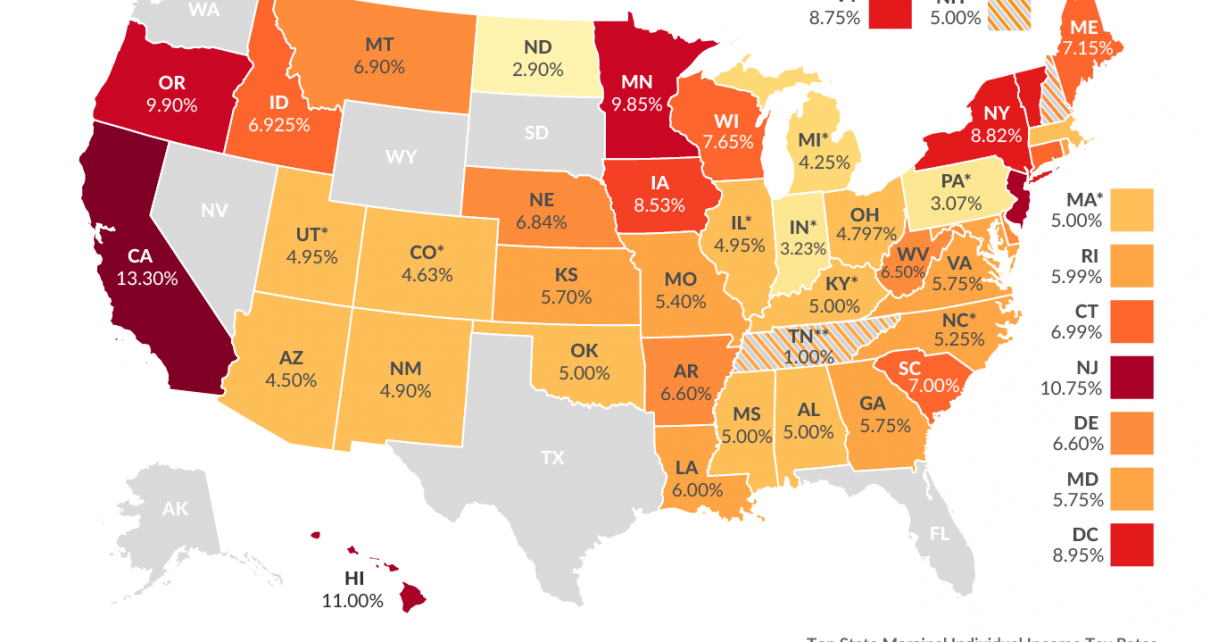
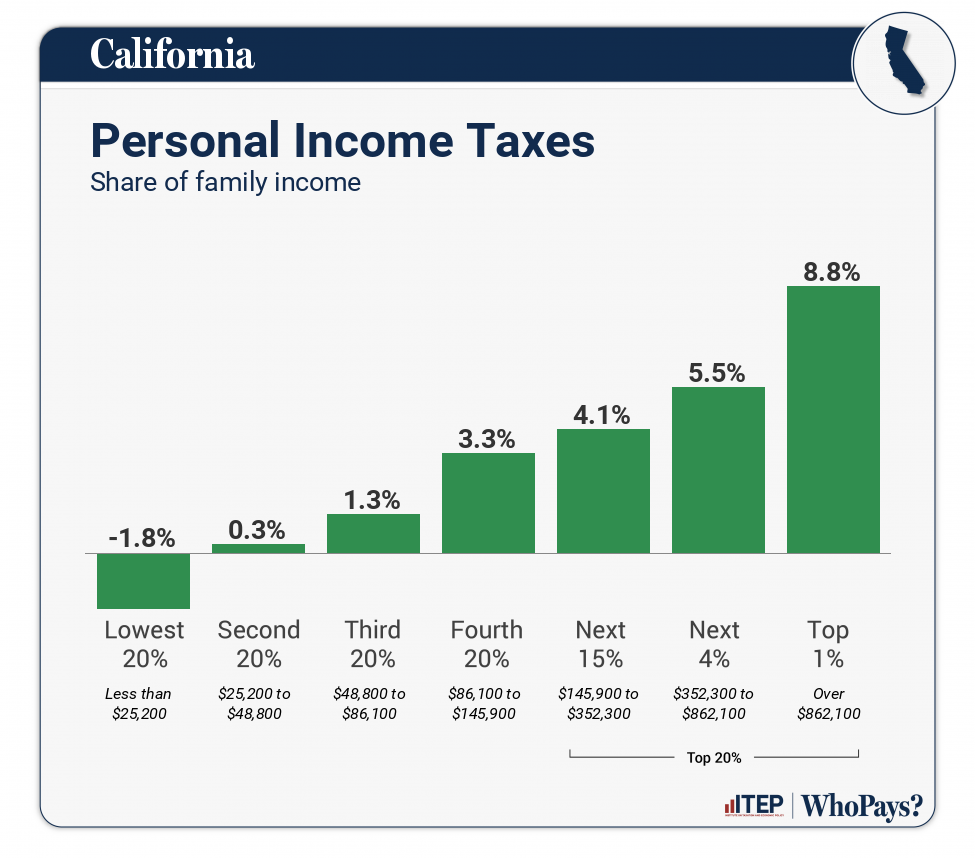
For the typical tourist on a short vacation, California’s state income tax won’t be a direct concern. However, for those considering extended stays, seasonal work, remote work from California, or contemplating a move, the state’s income tax rates are highly relevant. California has a progressive income tax system, meaning higher earners pay a larger percentage of their income in taxes. The state’s marginal income tax rates are among the highest in the nation, ranging from 1% to 12.3%, with an additional 1% mental health services tax for income over $1 million.
This progressive structure means that if you’re working remotely for a company based outside of California but physically residing in the state for a significant period (generally over 183 days, but rules can be complex), you might establish tax residency and become subject to California income tax on all your income, regardless of its source. For digital nomads or individuals exploring a longer-term lifestyle in California, understanding these implications is crucial for financial planning. It underscores the importance of consulting with a tax professional if you anticipate a long-term presence in the state.
Property Tax: Understanding the Local Landscape (for Long-Term Accommodation)
While property taxes don’t directly impact travelers staying in hotels or short-term vacation rentals, they are a fundamental component of the cost of living and long-term accommodation in California. If you are considering purchasing a vacation home, investing in rental property, or even understanding the broader economic landscape of the state, property taxes play a significant role.
California’s property tax system is primarily governed by Proposition 13, a landmark ballot initiative passed in 1978. It limits the annual increase in assessed property value to 2% and caps the property tax rate at 1% of the property’s assessed value at the time of purchase, plus local voter-approved bonds and assessments. This typically results in an effective property tax rate of around 1.1% to 1.2% of the purchase price. While this rate might seem moderate compared to some other states’ actual rates on current market value, California’s high property values mean that the dollar amount of property taxes can still be very substantial. For those dreaming of owning a piece of the California lifestyle, factoring in these long-term ownership costs is vital.
Special Fees and Surcharges
Beyond the official taxes, travelers should also be aware of various fees and surcharges that can add to their total expenses. These are not strictly “taxes” in the governmental sense but function similarly by increasing the cost of services.
- Resort Fees: Many high-end resorts and hotels, particularly in tourist-heavy areas like Palm Springs or near theme parks, charge mandatory “resort fees” or “amenity fees.” These fees, often $20-$50+ per night, cover services like Wi-Fi, fitness center access, or pool towels, even if you don’t use them. These fees are usually subject to the local TOT.
- Tourism Improvement District (TID) Fees: Some cities have established TIDs where an additional fee (a small percentage or flat rate) is added to lodging bills to fund local tourism marketing and promotion efforts.
- Parking Fees: Urban areas and popular attractions often charge significant parking fees, which can also be subject to sales tax. For example, parking at major airports or downtown hotels in Los Angeles or San Francisco can easily add $30-$60 per day to your budget.
- Car Rental Fees: When renting a car, you’ll encounter numerous fees and taxes, including vehicle license fees, airport concession fees (if renting from an airport), and various local taxes, all of which inflate the final rental cost.
Always read the fine print when booking any travel-related service or accommodation to understand the full extent of potential charges.
Budgeting and Saving on Taxes in California
Understanding California’s tax landscape is the first step; the next is to apply this knowledge to smart budgeting and potential savings. While you can’t avoid taxes entirely, strategic planning can help you manage your expenses more effectively.
Planning Your Accommodation Wisely
- Compare TOT Rates: When choosing your accommodation, don’t just compare nightly rates. Investigate the Transient Occupancy Tax (TOT) in different cities or even different neighborhoods within a large metropolitan area like Los Angeles. A slightly higher nightly rate in a city with a lower TOT might end up being cheaper overall.
- Look for Tax-Inclusive Pricing: Some booking platforms or packages might offer “all-inclusive” pricing, where taxes and sometimes even resort fees are bundled into the advertised rate. This can provide clarity and simplify budgeting.
- Consider Diverse Accommodation Types: Beyond traditional hotels and resorts, explore options like serviced apartments (for longer stays), guesthouses, or even camping if you’re visiting national parks like Yosemite or Joshua Tree National Park. Tax structures can vary slightly, and some longer-term stays may be exempt from TOT.
Smart Shopping and Dining
- Be Aware of Sales Tax Variations: If you plan on making significant purchases, check the local sales tax rate. While it might not be worth driving across a county for a small saving, for large items, it could make a difference.
- Budget for Prepared Food: Remember that prepared food at restaurants is subject to sales tax. When budgeting for dining, factor in the additional percentage on top of menu prices and tips.
- Seek Out Exempt Items: Focus on purchasing items that are generally exempt from sales tax, such as most unprepared groceries at supermarkets, if you have self-catering facilities.
Leveraging Public Transportation
Given California’s high gasoline taxes and often expensive parking fees, utilizing public transportation in major cities can lead to significant savings. Cities like San Francisco boast extensive networks of buses, streetcars, and BART (Bay Area Rapid Transit), while Los Angeles has an expanding Metro system. For inter-city travel, consider Amtrak or regional bus services. Not only does this save on fuel and parking costs, but it also offers a unique way to experience local culture and often reduces stress in heavy traffic areas.
Researching Local Regulations
The most effective way to budget accurately is to do your homework. Before finalizing your travel plans, research the specific sales tax and TOT rates for the cities and counties you intend to visit. Many city tourism websites or municipal finance departments publish their current tax rates online. This proactive approach will help you create a realistic budget and avoid any surprises, allowing you to focus on enjoying all the incredible experiences California has to offer.
In conclusion, while California’s tax rates might seem daunting at first glance, a little knowledge goes a long way. By understanding the varying sales taxes, the significant impact of Transient Occupancy Taxes on accommodation, and other costs like gasoline and potential fees, you can plan a more financially sound and enjoyable trip. Whether you’re exploring the bustling streets of San Francisco, relaxing by the ocean in Santa Monica, or embarking on an epic California road trip through the San Joaquin Valley to the Mexico border, being tax-savvy will ensure your California lifestyle or travel experience is as seamless and memorable as possible.