
Asking about the temperature in California is akin to asking about the weather across an entire continent. Known as the “Golden State,” California is a land of astonishing geographical diversity, stretching from sun-drenched beaches and arid deserts to fertile valleys and snow-capped mountains. This vast expanse means that at any given moment, you could find yourself shivering in a mountain blizzard, basking on a warm beach, or sweating in a scorching desert, all within the same state. Consequently, the temperature in California isn’t a single number but a dynamic spectrum that varies dramatically by region, elevation, and season.
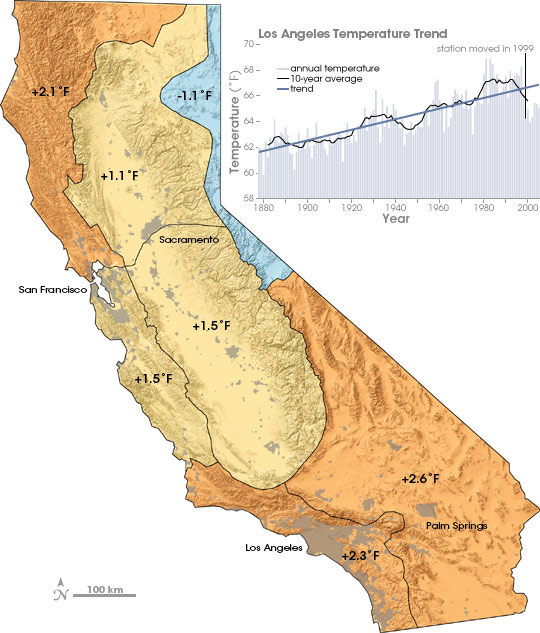
Understanding California’s intricate climate patterns is paramount for anyone planning a trip, whether it’s a leisurely vacation, an adventurous trek, a business stay, or a long-term accommodation. The weather significantly influences everything from your packing essentials and chosen activities to the type of hotels or resorts you’ll seek out, and even the local cuisine you’ll enjoy. From exploring vibrant cities and iconic landmarks to indulging in luxury travel or sticking to a budget travel plan, being climate-aware ensures a more comfortable and enjoyable California experience.
A Tapestry of Climates: Understanding California’s Diverse Zones
The secret to California’s varied temperatures lies in its complex topography. The state is divided into several distinct climatic zones, each offering a unique thermal profile and impacting the array of tourism and lifestyle opportunities available.
Coastal Climates: Mild and Moderate
Along the Pacific coastline, from the misty shores of Northern California down to the sun-kissed beaches of the south, a Mediterranean-like climate prevails. Influenced by the cool Pacific Ocean currents, this zone typically experiences mild, wet winters and dry, warm summers. Iconic cities like San Francisco, Los Angeles, and San Diego epitomize this climate.
In San Francisco, temperatures are remarkably consistent year-round, often hovering between the low 50s and mid-70s Fahrenheit (10-24°C). Summers are famously cool and foggy, earning the city its reputation for needing layers even in August. Southward, in Los Angeles and San Diego, the climate becomes progressively warmer and sunnier. Los Angeles often sees summer highs in the 80s°F (27-32°C), while San Diego enjoys a near-perfect climate, rarely dipping below 60°F (15°C) or soaring above 85°F (29°C).
For travelers seeking coastal attractions, this mild weather is ideal for beach activities, sightseeing along scenic coastal drives, and enjoying outdoor dining. Accommodation in these areas ranges from luxurious oceanfront resorts offering unparalleled views to charming boutique hotels nestled in vibrant neighborhoods, all designed to make the most of the pleasant climate.
Inland Valleys and Deserts: Extremes and Sunshine
Venture further inland, beyond the coastal mountain ranges, and you’ll encounter a starkly different climate. California’s vast Central Valley, home to cities like Sacramento and Fresno, experiences very hot, dry summers and cool, often foggy winters. Summer temperatures routinely climb into the 90s and 100s°F (30s-40s°C), while winter lows can dip into the 30s°F (0-5°C).
Even more extreme are the state’s desert regions, including the Mojave and Colorado Deserts in Southern California. Places like Palm Springs are renowned for their intense heat, with summer temperatures often exceeding 100°F (38°C), making spring, autumn, and winter the peak seasons for tourism. Death Valley, one of the hottest places on Earth, frequently sees temperatures soar well above 120°F (49°C) in summer, offering a stark contrast to the moderate coast.
Despite the heat, these regions offer unique desert attractions such as Joshua Tree National Park with its otherworldly landscapes, and the vibrant spa culture of Palm Springs. Accommodation here prioritizes cooling, with resorts featuring expansive pools, misting systems, and powerful air conditioning, ensuring guests can escape the desert heat in comfort.
Mountain Regions: Alpine Adventures and Winter Wonderland
Dominating the eastern spine of California are the majestic Sierra Nevada mountains, home to iconic destinations like Lake Tahoe, Mammoth Lakes, and Yosemite National Park. This high-altitude zone experiences a truly alpine climate, characterized by cold, snowy winters and mild, pleasant summers.
Winter brings abundant snowfall, transforming these areas into premier destinations for skiing, snowboarding, and other winter sports. Temperatures often drop below freezing, creating a pristine winter wonderland. Summers are a stark contrast, with daytime temperatures typically in the 60s and 70s°F (15-25°C), perfect for hiking, camping, and exploring the vast wilderness. However, nights can still be quite cool, requiring layers.
For visitors to the mountains, accommodation options are diverse, from rustic, cozy cabins and ski lodges equipped with roaring fireplaces to more luxurious mountain resorts offering spas and gourmet dining. These choices cater to both the adventurous outdoor enthusiast and those seeking a tranquil, scenic escape.
Seasonal Rhythms: Temperatures and Experiences Throughout the Year
The distinct seasons in California bring their own unique temperature patterns and, consequently, their own array of travel experiences and tourism opportunities.
Spring: Blooming Landscapes and Mild Breezes (March-May)
Spring in California is generally mild and beautiful. Coastal areas enjoy pleasant temperatures, typically ranging from 50s-70s°F (10-25°C), while inland valleys begin to warm up, often reaching the 70s and 80s°F (20-30°C). The deserts are at their prime during spring, with comfortable temperatures in the 70s and 80s°F (20-30°C) and the spectacular phenomenon of wildflower viewing. Mountain regions start to thaw, revealing lush green landscapes and roaring waterfalls, though higher elevations might still have snow.
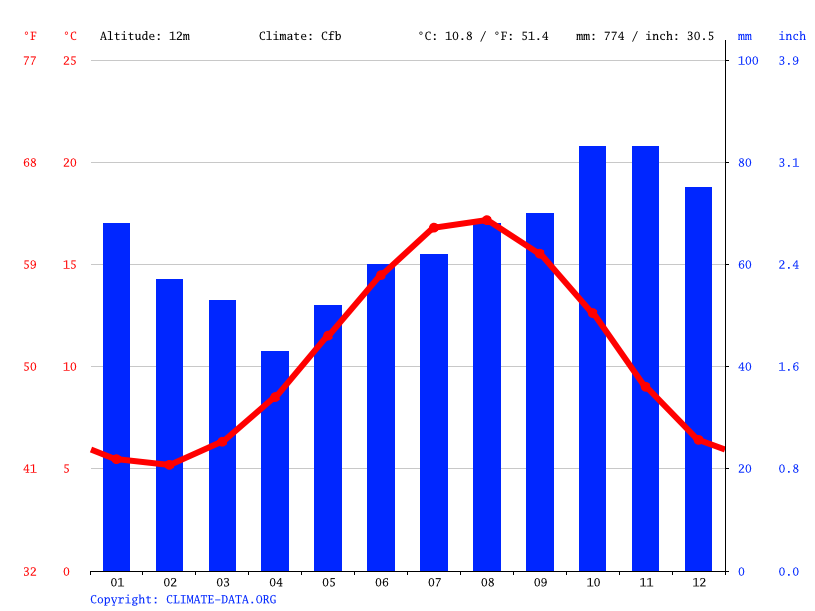
This season is ideal for hiking in national parks, exploring the burgeoning wine country in Napa Valley or Sonoma before the summer crowds, and enjoying city tours. Spring offers some of the best travel guides for those seeking pleasant weather without the peak season bustle. It’s a fantastic time for family trips and romantic getaways alike.
Summer: Sunshine, Beaches, and Desert Heat (June-August)
Summer brings the quintessential “Golden State” sunshine. Coastal temperatures are warm but moderated by the ocean breeze, typically in the 60s-80s°F (15-30°C). This is prime time for beach days in Santa Monica, surfing in Malibu, and enjoying lively boardwalks. Inland, prepare for heat, with the Central Valley and deserts routinely hitting 90s-100s°F+ (30s-40s°C+). Mountain temperatures are delightful, perfect for backpacking and lake activities.
Summer travel often revolves around theme park visits to Disneyland or Universal Studios, outdoor concerts, and exploring the vibrant nightlife of major cities. When choosing your accommodation, look for hotels and resorts with excellent air conditioning and refreshing pools, especially in hotter regions. Family trips are incredibly popular during this time, so booking in advance is highly recommended.
Autumn: Harvest Festivals and Golden Hues (September-November)
Many consider autumn the most beautiful season in California. Temperatures remain pleasantly mild, especially in September and October, ranging from 60s-70s°F (15-25°C) across most regions, cooling off significantly by November. The heat of summer dissipates, leaving comfortable days perfect for exploration.
This season is famous for wine harvest tours and culinary festivals in Napa and Sonoma, fall foliage viewing in the Sierra Nevada, and enjoying outdoor cultural events. The pleasant weather makes it an ideal time for luxury travel, with many boutique hotels and spas offering special seasonal packages. It’s also a fantastic period for road trips, as the landscapes are vibrant and the weather cooperative.
Winter: Snow Sports and Cozy Escapes (December-February)
California’s winter climate offers dramatic contrasts. Coastal areas are cool and often rainy, with temperatures typically in the 40s-60s°F (5-15°C). Inland valleys are chilly, occasionally dipping below freezing, while the deserts become mild and comfortable, attracting visitors escaping colder climates. However, the true winter experience awaits in the mountains, where heavy snowfall transforms areas like Lake Tahoe and Mammoth Lakes into world-class ski destinations.
Winter activities include skiing, snowboarding, ice skating, and cozy evenings by the fire. Along the coast, whale watching is a popular activity as gray whales migrate. For accommodation, consider cozy cabins with fireplaces, resorts with heated indoor pools, or boutique hotels offering warming amenities. Many hotels offer special holiday rates and festive experiences, perfect for those seeking Christmas markets or a New Year’s escape.
Planning Your California Adventure: Weather-Wise Travel Tips
To truly unlock the magic of California, smart planning is essential, especially when it comes to understanding and preparing for its diverse temperatures.
Packing Essentials for Every Climate Zone
Given the state’s dramatic climatic shifts, layering is the golden rule for packing in California. Even in summer, coastal evenings can be cool, and mountain temperatures drop significantly at night.
- Coastal Trips: Bring light layers – T-shirts, long-sleeved shirts, a jacket, and perhaps a warm sweater, especially for San Francisco. Sunscreen and sunglasses are a must.
- Inland/Desert Trips: Summer demands light, breathable clothing, wide-brimmed hats, and plenty of hydration. For spring and fall, bring layers for cooler evenings.
- Mountain Trips: In winter, heavy winter clothing, waterproof gear, and insulated boots are essential. In summer, pack layers, hiking boots, and rain gear, as afternoon showers can occur.
Consulting detailed travel guides specific to your destination and season on Life Out of the Box will provide precise packing advice and help you plan your experience effectively.
Choosing Your Accommodation: Adapting to the Climate
Your choice of accommodation can profoundly impact your comfort, making it a critical aspect of weather-wise travel planning.
- Desert Resorts: During summer, prioritize resorts with excellent air conditioning, large, often chilled swimming pools, and extensive indoor amenities for daytime retreats. Palm Springs offers numerous luxury resorts like the Four Seasons designed for ultimate comfort in the heat.
- Mountain Cabins: For winter, look for cozy cabins or ski lodges equipped with fireplaces, hot tubs, and easy access to slopes. In summer, consider hotels that facilitate outdoor activities with gear rentals and proximity to hiking trails.
- Coastal Hotels: Many coastal hotels embrace the ocean breeze, with open-air designs and patios. In cooler months, seek out hotels with cozy lounges and heated pools.
Utilize accommodation booking platforms to compare reviews and amenities, ensuring your chosen hotel, suite, apartment, or villa perfectly matches your needs for the prevailing climate and your personal lifestyle, whether it’s luxury travel or budget-friendly options.

Experiencing Local Culture Through the Seasons
California’s climate profoundly shapes its local culture, food, and activities throughout the year.
- Seasonal Cuisine: From abundant fresh produce in the spring and summer that fuels the state’s farm-to-table movement, to hearty stews and robust red wines enjoyed during cooler winter evenings, California’s culinary scene is deeply intertwined with its seasons.
- Festivals and Events: The calendar is dotted with events tailored to the weather. Summer brings beach festivals and outdoor music concerts. Autumn features harvest festivals and grape stomps. Winter sees ski competitions and festive holiday markets.
- Outdoor Activities: The warm climate encourages an active outdoor lifestyle, from year-round hiking in varied terrains to water sports that dominate the hotter months.
By tuning into the seasonal rhythms, you can gain a deeper appreciation for California’s unique charm and vibrant tourism offerings. Researching local activities and events for your chosen destination will enhance your travel experience and connect you with the heart of the Golden State.
In conclusion, the question “What is the temperature in California?” opens the door to a fascinating exploration of diverse landscapes, microclimates, and an endless array of travel opportunities. Whether you dream of scorching desert sun, cool ocean breezes, or crisp mountain air, California offers it all, often within a few hours’ drive. By understanding its varied temperatures and planning accordingly, you can craft an unforgettable journey, perfectly tailored to your comfort and interests. Before embarking on your adventure, be sure to consult Life Out of the Box’s comprehensive guides and destination reviews to make the most of your Golden State experience.