
Hawaii, a tropical paradise nestled in the Pacific Ocean, is synonymous with pleasant, year-round warmth. While the idea of a consistently balmy climate is a significant draw for travelers, understanding the nuances of its temperature is crucial for planning the perfect getaway. From the gentle trade winds that moderate the heat to the subtle variations across its islands and elevations, Hawaii offers a spectrum of climatic experiences that cater to every visitor’s preference. This exploration delves into the typical temperatures you can expect, the factors influencing them, and how these conditions shape the island experience, making it an ideal destination regardless of the season.
Understanding Hawaii’s Tropical Climate
Hawaii’s location in the tropics is the primary reason for its consistently warm weather. Situated far from major landmasses, the islands benefit from the moderating influence of the vast Pacific Ocean. This oceanic effect helps to prevent extreme temperature fluctuations, ensuring that the islands remain comfortable throughout the year. The average daily temperature hovers around a delightful 75 to 85 degrees Fahrenheit (24 to 29 degrees Celsius), creating an inviting atmosphere for outdoor activities and relaxation.
The Influence of Trade Winds
One of the most significant factors contributing to Hawaii’s pleasant climate is the prevailing trade winds. These northeasterly breezes are a constant feature, especially during the daytime. They act as a natural air conditioning system, sweeping across the islands and preventing the heat from becoming oppressive. The trade winds are most pronounced during the summer months, offering a refreshing respite from the sun’s intensity. Their presence also contributes to the iconic lushness of the Hawaiian landscape, carrying moisture inland to nourish the vibrant flora. While generally consistent, the strength of the trade winds can vary, sometimes giving way to Kona winds, which blow from the south or southwest. These Kona winds can bring warmer, more humid conditions and are often associated with increased rainfall, particularly on the leeward sides of the islands.
Seasonal Variations: Wet vs. Dry
While Hawaii is known for its lack of distinct seasons as experienced in temperate climates, there are two primary periods that differ in precipitation and slightly in temperature.
The Dry Season (Summer)
From approximately May to October, Hawaii experiences its dry season, often referred to as the “summer” months. During this period, temperatures are generally warmer, averaging in the mid-80s Fahrenheit (around 29 degrees Celsius) during the day and dipping into the mid-70s Fahrenheit (around 24 degrees Celsius) at night. Rainfall is typically minimal, especially on the leeward (western and southern) sides of the islands, making this an ideal time for beach activities, hiking, and exploring the numerous natural attractions. The sun shines brightly, and the ocean waters are at their warmest, inviting swimmers and surfers alike.
The Wet Season (Winter)
From November to April, Hawaii experiences its wet season, or “winter.” While this period sees an increase in rainfall, it’s important to note that this often translates to short, refreshing showers rather than prolonged, gloomy weather. The temperatures are slightly cooler, with daytime highs averaging in the high 70s Fahrenheit (around 26 degrees Celsius) and nighttime lows in the low 70s Fahrenheit (around 22 degrees Celsius). The windward (eastern and northern) sides of the islands tend to receive more rain during these months, contributing to their verdant beauty. However, even during the wet season, sunny days are plentiful, and the cooler temperatures can be quite pleasant for exploring. This season also marks the start of the big wave surfing season on the North Shore of Oahu, attracting professional surfers and spectators.
Island-Specific Temperature Nuances
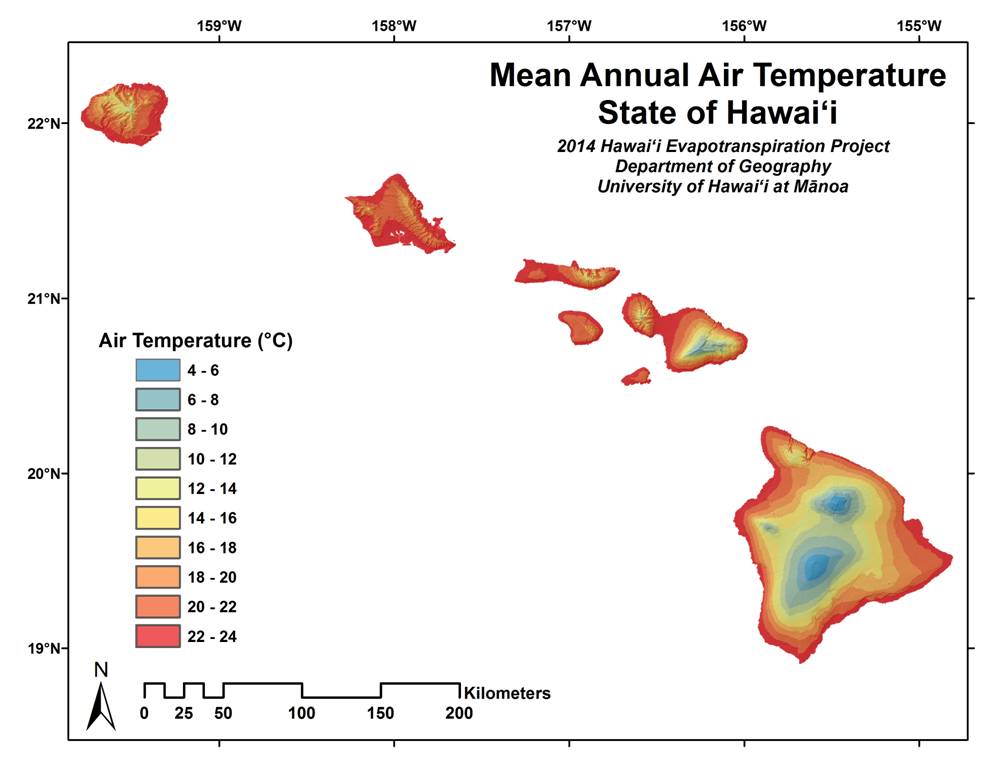
While the general climate across Hawaii is similar, each island possesses its own microclimates, influenced by factors like mountain ranges, proximity to the ocean, and elevation. Understanding these differences can help travelers choose the island and location that best suits their desired temperature experience.
Oahu: The Gathering Place
As the most populated island, Oahu offers a diverse range of microclimates. Honolulu, the capital city, enjoys consistently warm temperatures, with average highs in the mid-80s Fahrenheit (around 29 degrees Celsius) year-round. The famous Waikiki beach area is typically sunny and breezy. However, venturing inland or to the windward side of the island, such as around the beautiful Kailua, can lead to slightly cooler temperatures and a higher chance of rain, especially during the winter months. The North Shore of Oahu, renowned for its surf breaks like Banzai Pipeline, experiences similar temperatures but can be more exposed to the elements.
Maui: The Valley Isle
Maui, another popular destination, boasts a variety of climates. The coastal resort areas like Ka’anapali and Wailea generally experience temperatures in the comfortable range of 75-85 degrees Fahrenheit (24-29 degrees Celsius). The higher elevations, however, offer a dramatic contrast. Haleakala National Park, a massive dormant volcano, can be significantly cooler, with temperatures dropping considerably as you ascend. Visitors planning to watch the sunrise from the summit of Haleakala should pack warm clothing, as temperatures can hover around freezing. The Road to Hana, known for its lush rainforests, is typically humid and receives more rainfall than the drier leeward sides.
Kauai: The Garden Isle

Kauai, often called the “Garden Isle” for its stunning natural beauty, is also the wettest of the main Hawaiian Islands. The average temperatures are similar to the other islands, with coastal areas enjoying pleasant warmth. However, the dramatic cliffs of the Na Pali Coast and the interior mountainous regions, such as Mount Waialeale, receive substantial rainfall, contributing to the island’s vibrant green landscape. While the south shore around Poipu often enjoys sunnier and drier conditions, the north shore, particularly during the winter months, can experience more rain and stronger surf.
Island of Hawaii: The Big Island
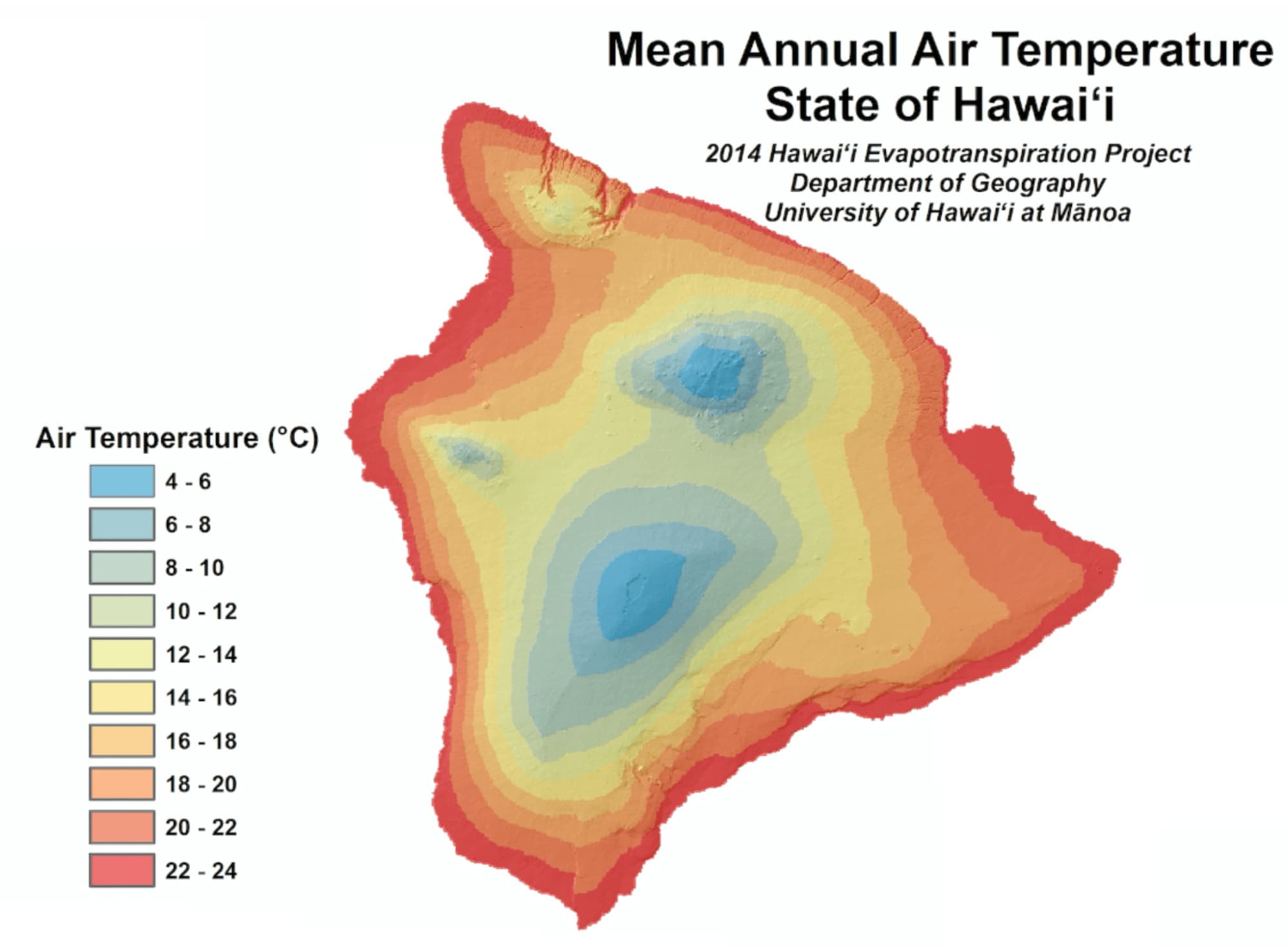
The Island of Hawaii, the youngest and largest of the islands, presents the most diverse temperature range due to its sheer size and varied topography. The Kona coast on the western side is typically dry and sunny, with temperatures mirroring those of Oahu and Maui. The Hilo side, on the eastern windward coast, is significantly wetter and more tropical. The most striking temperature variation occurs at Hawaii Volcanoes National Park. While the coastal areas are warm, the summit of Mauna Loa and Mauna Kea, both towering volcanoes, are often snow-capped during winter months, with temperatures well below freezing at their highest elevations.
Factors Influencing Local Temperatures
Beyond the broad seasonal and island-specific trends, several other factors can influence the temperature you experience during your Hawaiian vacation. Understanding these can help you pack appropriately and adjust your expectations.
Altitude
As previously mentioned, altitude plays a significant role in temperature. The higher you go, the cooler it gets. This is most dramatically illustrated by the volcanic summits on the Island of Hawaii, where snow can be found. Even on other islands, traveling from sea level to higher elevations can result in a noticeable drop in temperature, often by several degrees Fahrenheit for every thousand feet gained. This allows for a diverse range of outdoor activities, from sunbathing on the beach to hiking in cooler, mountainous regions.
Windward vs. Leeward Sides
Hawaii’s islands are typically divided into windward (northeastern) and leeward (southwestern) sides. The windward sides, facing the prevailing trade winds, generally receive more rainfall and are often more lush and a few degrees cooler due to the consistent breeze. The leeward sides, sheltered from the trade winds by mountain ranges, tend to be drier, sunnier, and slightly warmer. This distinction is important when choosing a base for your stay, as it directly impacts the weather patterns you’ll encounter. For instance, the sunny beaches of Wailea on Maui are on the leeward side, while the rainforests of the Road to Hana are on the windward side.
Coastal vs. Inland
Coastal areas in Hawaii generally experience more moderate temperatures due to the ocean’s influence. The sea breeze helps to regulate the heat during the day and keeps the evenings mild. Inland areas, especially those at higher elevations or in valleys, can experience greater temperature swings. For example, the interior valleys of Maui might feel warmer during the day and cooler at night compared to the adjacent coast. Conversely, areas further from the ocean, especially at higher altitudes, can experience significantly colder temperatures, making appropriate clothing essential for exploring these regions.
Packing for Paradise: Dressing for the Hawaiian Temperature
Knowing what to expect temperature-wise is key to packing smart for a trip to Hawaii. The general rule of thumb is light, breathable clothing, but a few considerations can enhance your comfort.
Everyday Essentials
For most of your time spent at sea level, especially on the beaches and in towns like Lahaina or Honolulu, lightweight clothing is paramount. Think t-shirts, tank tops, shorts, sundresses, and swimwear. Comfortable sandals or flip-flops are ideal for most occasions. A light rash guard can provide sun protection while in the water. Don’t forget sunglasses and a wide-brimmed hat to shield yourself from the strong tropical sun.
Adapting to Higher Altitudes and Cooler Evenings
If your itinerary includes visiting higher elevations, such as the summit of Haleakala on Maui or the volcanoes on the Island of Hawaii, packing layers is crucial. A light to medium-weight jacket, a fleece sweater, or a long-sleeved shirt will be invaluable. Evenings in coastal areas can sometimes bring a gentle breeze that might feel cooler after a day in the sun, so a light wrap or jacket can be useful for dining al fresco.
Rain Gear
While not as prevalent as in some other tropical destinations, rain showers are a possibility, especially during the wet season or on the windward sides of the islands. A lightweight, packable rain jacket or a small umbrella can be a lifesaver, allowing you to continue your explorations without being caught off guard by a sudden downpour.
By considering these temperature factors and packing accordingly, you can ensure that your Hawaiian adventure is as comfortable and enjoyable as the picturesque landscapes themselves, allowing you to fully immerse yourself in the aloha spirit.