
New York City is a vibrant, bustling metropolis that captivates millions of visitors each year, offering an unparalleled blend of culture, history, and modernity. From the iconic skyscrapers of Manhattan to the artistic streets of Greenwich Village and the serene expanse of Central Park, there’s an endless array of experiences awaiting every traveler. However, before you embark on your adventure to the United States‘ most populous city, one crucial factor to consider is the weather, specifically the temperature. Understanding New York City’s climate is paramount, as it profoundly influences everything from what you pack and what activities you plan to your choice of accommodation and even your overall travel budget.
Unlike destinations with a consistently mild climate, New York City experiences four distinct seasons, each bringing its own unique charm and set of weather conditions. These dramatic shifts in temperature and atmosphere not only shape the city’s appearance but also dictate the rhythm of local life, tourism activities, and even the availability of certain experiences. Whether you dream of a snowy holiday season, a vibrant summer escape, a picturesque autumn stroll, or a blossoming spring exploration, knowing what to expect from the thermometer will help you plan the perfect trip.
This comprehensive guide will delve into the seasonal temperatures of New York City, offering insights into what to expect from the weather throughout the year. We’ll explore how these temperatures impact your travel plans, from selecting the best time to visit famous landmarks like the Statue of Liberty and the Empire State Building to choosing the ideal hotel and immersing yourself in the local culture. By understanding the city’s climate, you can prepare effectively and ensure your New York City experience is as comfortable and memorable as possible, regardless of when you decide to visit.

Understanding New York City’s Climate: A Seasonal Overview
New York City’s climate is classified as humid subtropical, meaning it experiences hot, humid summers and cold, snowy winters, with mild springs and autumns. The Atlantic Ocean and the unique urban heat island effect, caused by the density of buildings and infrastructure, can influence temperatures, often making the city feel warmer than surrounding rural areas, particularly at night. This distinct seasonal variation is a defining characteristic of the city, offering a different ambiance and array of activities with each passing quarter.
Summer in the City: Warmth, Humidity, and Vibrant Life
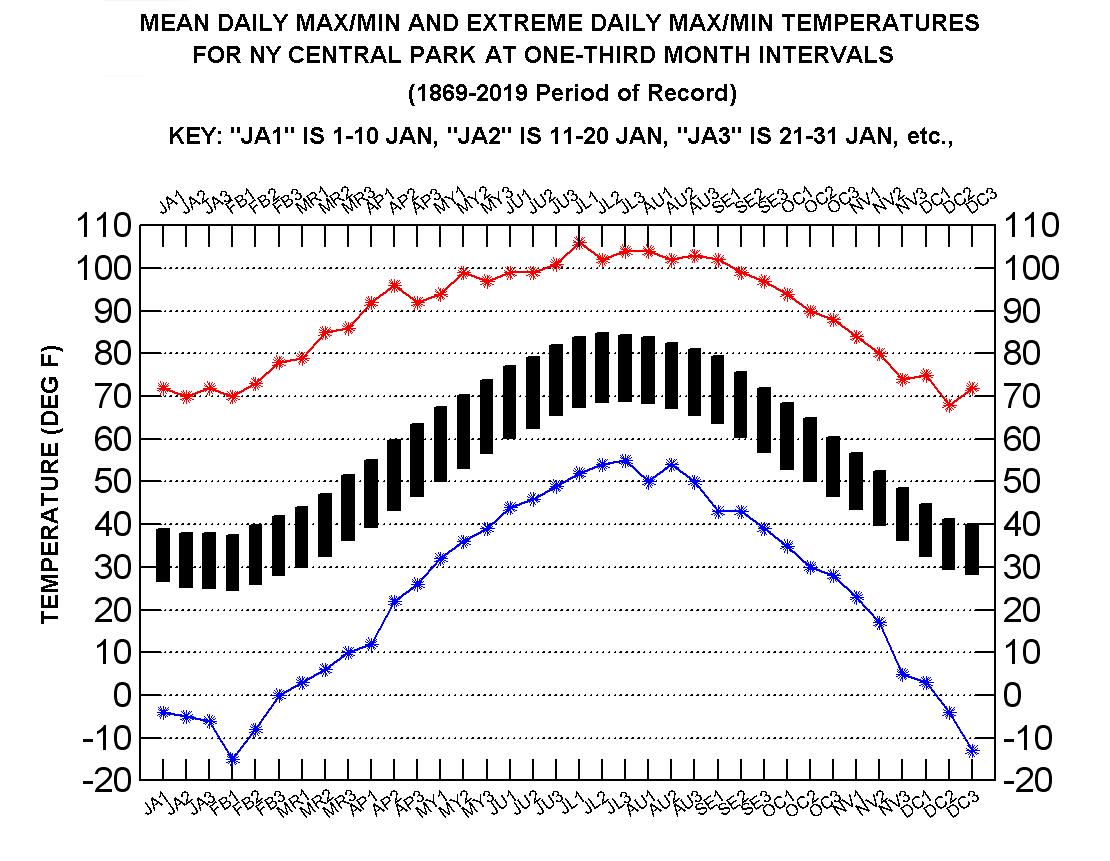
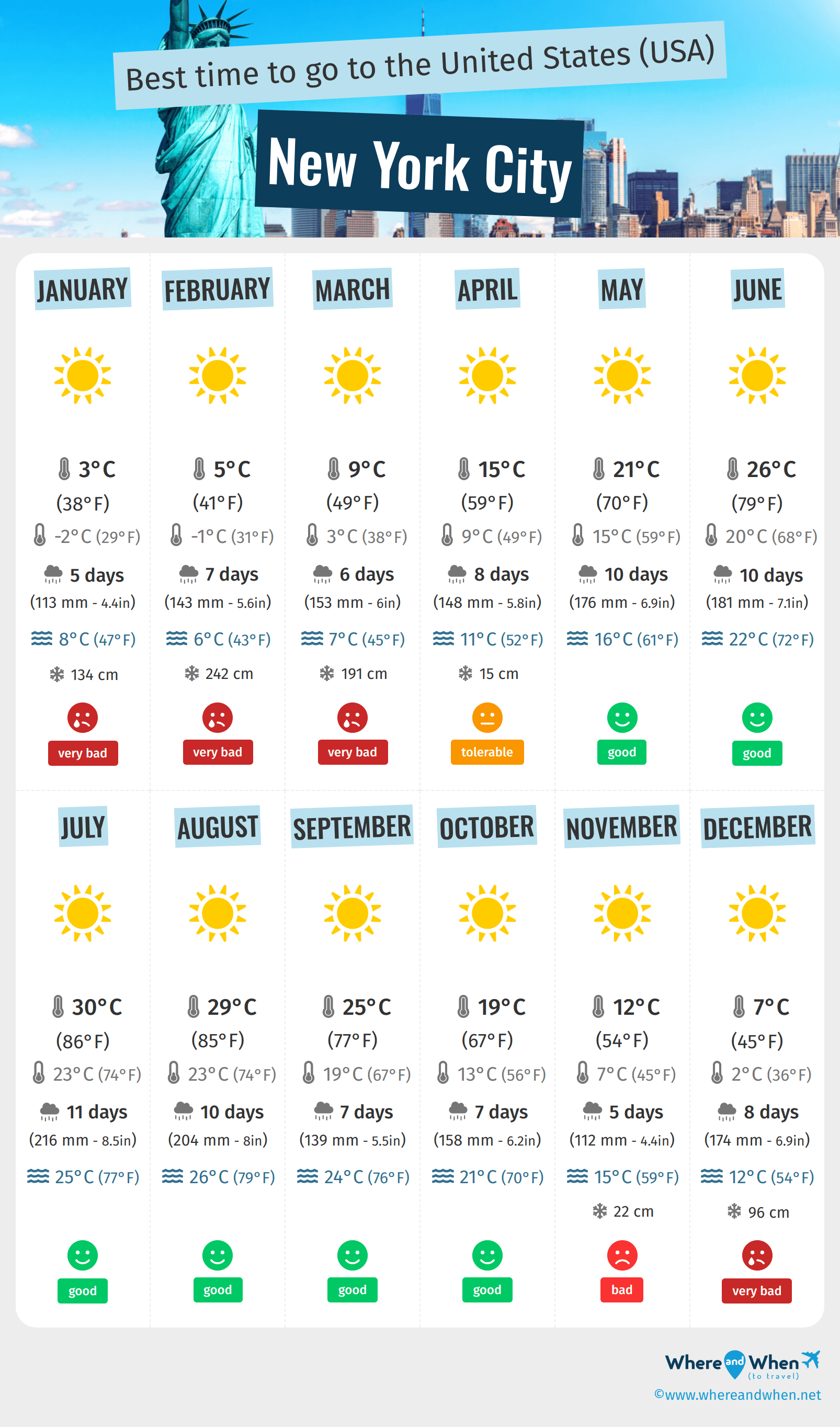
Summers in New York City, typically from June through August, are characterized by warmth, abundant sunshine, and often significant humidity. Average daily temperatures during these months range from the mid-70s to low-80s Fahrenheit (24-28°C), but it’s not uncommon for heatwaves to push temperatures well into the 90s Fahrenheit (32-37°C), sometimes even higher, with high humidity making it feel much warmer.
This is peak season for outdoor activities, from relaxing picnics in Central Park to ferry rides to Governor’s Island and strolls across the Brooklyn Bridge. The city comes alive with street festivals, outdoor concerts, and rooftop bars offering spectacular views. However, the heat and humidity also mean travelers should prioritize accommodation with excellent air conditioning. Hotels and resorts often feature outdoor pools or easy access to waterfront activities, providing a refreshing escape from the urban warmth. Staying hydrated and planning indoor breaks at world-class museums like the Metropolitan Museum of Art or the Museum of Modern Art are essential tips for comfortable summer tourism.
Autumn’s Embrace: Crisp Air and Fall Foliage
September, October, and November bring autumn, arguably one of the most beloved seasons in New York City. The sweltering heat of summer gives way to wonderfully crisp, comfortable air, with average temperatures ranging from the mid-50s to mid-70s Fahrenheit (13-24°C) in September, dropping to the 40s and 50s Fahrenheit (4-15°C) by November. Humidity levels decrease, and skies are often clear and bright.
This season is famous for its breathtaking fall foliage, especially visible in Central Park, Prospect Park in Brooklyn, and along the High Line. It’s an ideal time for walking tours, visiting outdoor markets, and enjoying open-air dining without the summer stickiness. The pleasant temperatures make exploring landmarks like Wall Street or the vibrant neighborhoods of SoHo and Little Italy a true pleasure. Many prefer autumn for its perfect balance of mild weather and festive pre-holiday atmosphere, making it a prime travel season. Booking hotels in advance is advisable, as this is a popular time for both tourists and business travelers.
Winter Wonderland (or Chill): Cold, Snow, and Festive Cheer
New York City’s winters, from December through February, are cold and often snowy. Average daily temperatures hover around the low-30s to mid-40s Fahrenheit (0-7°C), though bitter cold snaps can send temperatures plummeting into the teens or single digits (-12 to -7°C), sometimes even lower with wind chill. Snowfall is common, transforming the city into a picturesque, if chilly, wonderland.
Despite the cold, winter in New York City is magical, especially during the holiday season. The city sparkles with festive lights, ice skating rinks pop up at Rockefeller Center and Bryant Park, and department store window displays along Fifth Avenue are legendary. While outdoor activities might be limited by the cold, this is the perfect time for indoor tourism: catching a Broadway show, exploring museums, or enjoying cozy meals in atmospheric restaurants. Warm, comfortable accommodation with good heating and amenities like indoor pools or spas become highly desirable. While post-holiday January and February often see fewer tourists and potentially better hotel deals, careful packing with layers, hats, gloves, and waterproof boots is absolutely essential for enduring the winter chill.
Spring Awakening: Mild Temperatures and Blooming Beauty
March, April, and May mark spring in New York City, a season of gradual warming and renewal. Temperatures can be quite variable, starting cool in March with averages in the 40s Fahrenheit (4-10°C), steadily rising to the 50s and 60s Fahrenheit (10-21°C) in April, and reaching the 60s and 70s Fahrenheit (15-26°C) by May. Early spring can still feel a bit wintery, with occasional cold snaps or even late-season snow, but by late April and May, the city truly blossoms.
This transition period offers increasingly pleasant weather, perfect for exploring the city’s parks and gardens as they burst into bloom. Walking through Washington Square Park, taking a ferry around Manhattan, or visiting the Brooklyn Botanic Garden are excellent spring activities. Outdoor dining begins to return, and the city sheds its winter layers, making it a wonderful time for travel before the summer crowds and heat arrive. Spring is often considered an excellent shoulder season for tourism, offering a good balance of comfortable temperatures and reasonable accommodation prices compared to peak summer or autumn.
Temperature’s Influence on Your New York City Travel Experience
The fluctuating temperatures in New York City are far more than just numbers on a thermometer; they are key determinants of your entire travel experience. From the types of activities available to the comfort level of your accommodation and even the flow of local life, temperature plays a pivotal role. Understanding this influence is crucial for planning a trip that aligns with your expectations and preferences.
Seasonal Activities and Attractions: Maximizing Your Visit
The temperature directly dictates the best ways to experience New York City’s vast array of attractions. During summer, the warm weather naturally draws visitors to outdoor landmarks and activities. Think about open-air events at SummerStage in Central Park, exploring Coney Island’s boardwalk and amusement park, or enjoying ferry cruises on the Hudson River and East River. The heat, however, might make extensive walking tours less appealing during midday, encouraging visits to air-conditioned indoor spaces like the Intrepid Sea, Air & Space Museum or cooling off with a drink at a rooftop bar overlooking the cityscape.
Autumn’s crisp, moderate temperatures are perfect for extensive exploration on foot. This is the ideal time for guided walking tours of historic neighborhoods like Greenwich Village or DUMBO, savoring the beauty of Central Park’s fall foliage, and experiencing seasonal festivals. Outdoor dining becomes a delight, and the pleasant weather makes queuing for popular attractions more bearable.
Winter, despite its chill, offers unique festive tourism opportunities. Ice skating at Rockefeller Center beneath the iconic Christmas tree, experiencing the magic of Radio City Music Hall’s Christmas Spectacular, or immersing yourself in the warmth of a Broadway theatre are quintessential New York City experiences. Indoor attractions like the Museum of Modern Art or the September 11 Memorial & Museum provide welcome refuge from the cold.
Spring is a transition season, with rising temperatures gradually opening up more outdoor possibilities. Early spring might still favor indoor activities and museum visits, but by late spring, blooming parks, outdoor markets, and the revival of al fresco dining opportunities become highly appealing. It’s an excellent time for those who enjoy a mix of indoor and outdoor exploration without the extremes of summer heat or winter cold.
Navigating Accommodation: Comfort and Cost Considerations
Temperature also significantly impacts your choice of accommodation and its associated costs. During summer, effective air conditioning is non-negotiable for comfort. When booking hotels, suites, or apartments, always confirm the quality of their cooling systems. Resorts or hotels with rooftop pools, or those close to waterfront areas, can command higher prices due to the demand for cooling amenities. This is also peak season, so prices for all types of accommodation tend to be at their highest.
In winter, heating is paramount. While most modern New York City establishments have reliable heating, consider hotels that offer extra comforts like cozy lounges, indoor spas, or heated pools, especially if you plan to spend time relaxing indoors. Post-holiday January and February often present the best budget travel opportunities for accommodation, with lower demand leading to more competitive rates for even luxury hotels.
Spring and autumn represent shoulder seasons, where accommodation prices can be more moderate, though popular events or holidays (like the New York City Marathon in autumn) can cause spikes. During these seasons, travelers can often find a broader range of options, from charming boutique hotels to spacious apartments, at more favorable rates while still enjoying comfortable temperatures. Always check reviews regarding climate control for any season, ensuring your chosen stay aligns with the expected temperatures.
Packing Essentials for Every Season
Packing wisely based on New York City’s temperatures is critical for a comfortable trip.
- Summer: Light, breathable clothing (cotton, linen), shorts, t-shirts, comfortable walking shoes. Don’t forget sunscreen, a hat, sunglasses, and an umbrella for occasional summer showers. A light jacket or sweater for air-conditioned indoor spaces is also a good idea.
- Autumn: Layers are key. Start with t-shirts, add sweaters, light jackets, or blazers. By late autumn, a warmer coat will be necessary. Comfortable closed-toe walking shoes are essential. A scarf can also be very useful for cooler evenings.
- Winter: Heavy coat, waterproof boots (for snow and slush), warm layers (sweaters, thermal underwear), hats, gloves, and scarves are non-negotiable. The goal is to stay warm and dry while exploring.
- Spring: Again, layers are your best friend. A light to medium jacket, sweaters, and long-sleeved shirts are good for early spring. As the season progresses, lighter clothing can be mixed in. An umbrella is often necessary due to unpredictable rain showers.
Regardless of the season, comfortable walking shoes are paramount, as New York City is best explored on foot.
Beyond the Thermometer: Planning Your Ideal New York City Getaway
While temperature is a primary consideration, a successful trip to New York City involves integrating weather patterns with broader travel strategies. This includes financial planning, adapting to different lifestyle preferences, and embracing the distinct rhythm of the city in each season.
Budgeting and Booking: When to Find the Best Deals
Understanding seasonal temperatures can significantly influence your travel budget, particularly regarding flights and accommodation. Peak seasons for New York City generally align with the most pleasant or festive temperatures: late spring (May), autumn (September-October), and the holiday season in winter (December). During these times, demand for hotels, flights, and popular attractions is at its highest, leading to increased prices. Travelers seeking luxury travel experiences during these periods should expect to pay a premium.
Conversely, off-peak seasons or “shoulder” periods often present better value. Late January and February, after the holiday rush and when temperatures are at their coldest, typically offer the most competitive rates for hotels and flights. Similarly, the intense heat and humidity of August can sometimes deter tourists, leading to slightly lower prices towards the end of the summer. Early March, still transitioning from winter, can also be a more budget-friendly time. For those planning a budget travel trip, targeting these off-peak months, or booking well in advance for shoulder seasons like April or early November, can yield significant savings. Accommodation comparison sites are particularly useful during these periods to find the best deals on suites, apartments, or standard hotel rooms.
Lifestyle Travel: Tailoring Your Trip to the Climate
The ideal temperature for your visit often depends on your personal travel lifestyle and what kind of experience you’re seeking.
- For active explorers who love walking and outdoor activities, spring and autumn offer the most comfortable temperatures. These seasons are perfect for long walks in Central Park, cycling across the Brooklyn Bridge, or exploring the vastness of the Bronx Botanical Garden.
- Culture enthusiasts and those seeking indoor comfort might prefer winter. While cold outside, the city’s museums, Broadway theaters, concert halls (like Carnegie Hall or Lincoln Center), and myriad dining options provide endless entertainment. The festive atmosphere of December is also a major draw.
- Families traveling with children might find spring or early summer appealing, balancing pleasant weather with school holidays. Consider family trips during these times when outdoor playgrounds and parks are enjoyable, and the extreme heat or cold is less of a concern for little ones.
- Business travelers often visit year-round, but knowing the seasonal temperatures can help in packing appropriate attire and planning evening engagements. Many hotels catering to business stays are equipped with excellent climate control to ensure comfort regardless of the season.
- Photographers will find beauty in every season, from the vibrant green of summer and fiery reds of autumn to the stark, snowy landscapes of winter and the fresh blooms of spring. Each temperature range presents a unique palette for capturing the city’s essence.
Local Insights: Embracing New York City’s Seasonal Rhythms
To truly immerse yourself in New York City’s tourism and local culture, it’s beneficial to embrace its seasonal rhythms. Locals adapt their routines to the weather, and observing this can enhance your experience. In summer, residents flock to city beaches in Queens or Staten Island, enjoy free outdoor movies and concerts, and make the most of extended daylight hours. As temperatures drop in autumn, focus shifts to indoor gatherings, cozy cafes, and preparing for the holiday season. Winter sees New Yorkers bundled up, hurrying between heated spaces, but also enjoying the unique festive events. Spring brings a collective sigh of relief, with people emerging to enjoy sidewalk cafes and the city’s parks.
Considering the temperature when planning your New York City trip is not just about comfort; it’s about optimizing your entire experience. Whether you’re seeking the festive chill of winter, the vibrant warmth of summer, the crisp beauty of autumn, or the blossoming freshness of spring, each season offers a distinct way to fall in love with the Big Apple. By being prepared for the temperature, you ensure that your travel adventure is seamless, enjoyable, and packed with unforgettable memories.