
The vast and diverse landscape of Texas is a significant factor in the wide range of temperatures experienced across the state. Known as the Lone Star State, Texas offers a varied climate, from the humid subtropical conditions of the East to the arid to semi-arid climate of the West. Understanding the temperature in Texas is crucial for anyone planning a trip, whether for leisure, business, or a long-term stay. This guide delves into the nuances of Texas weather, exploring seasonal variations, regional differences, and how these factors influence travel and lifestyle choices within the state.
Understanding Texas’s Diverse Climate Zones
Texas is a state of immense geographical and climatic diversity, a characteristic that directly impacts its temperatures. The sheer size of Texas—the second-largest state in the United States by both area and population—means that weather patterns can vary dramatically from one region to another. For travelers and residents alike, grasping these regional distinctions is key to experiencing the best that Texas has to offer, whether it’s enjoying the vibrant culture of Austin, exploring the historic Alamo in San Antonio, or venturing into the rugged beauty of Big Bend National Park.
East Texas: The Humid Subtropical Embrace
East Texas, often referred to as the “Piney Woods” region, experiences a humid subtropical climate. This means hot, humid summers and mild to cool winters. Average summer temperatures in cities like Houston and Dallas can soar into the high 80s and 90s Fahrenheit, often accompanied by high humidity levels that can make the heat feel more intense. Rainfall is abundant throughout the year, contributing to the lush greenery of the region. Winters are generally short and mild, with average temperatures in the 50s and 60s Fahrenheit. Frost is possible, and occasional freezing temperatures can occur, especially in the northern parts of East Texas.
This climate makes East Texas ideal for outdoor activities during the spring and fall, with pleasant temperatures and blooming flora. Summer can be challenging for those unaccustomed to humidity, but offers opportunities for water-based recreation on lakes like Lake Livingston. Winter, while cool, rarely brings significant snowfall, allowing for year-round exploration of attractions like the Space Center Houston or the Dallas Arboretum and Botanical Garden.
Central Texas: The Transition Zone
Central Texas, encompassing major cities like Austin and San Antonio, sits in a transitional climate zone. It shares some characteristics with East Texas but is generally drier and experiences more pronounced temperature swings. Summers are hot, with average highs in the high 80s and 90s Fahrenheit, though humidity is typically lower than in the eastern parts of the state. The Texas Hill Country, a significant part of Central Texas, is known for its rolling hills and picturesque landscapes, offering a slightly different microclimate.
Winters in Central Texas are mild to cool, with average temperatures in the 50s and 60s Fahrenheit. Freezing temperatures are more common than in coastal Texas, and occasional ice storms can occur, particularly further north. Spring and fall are often considered the most pleasant seasons, with comfortable temperatures perfect for exploring the vibrant music scene in Austin, visiting historic missions in San Antonio, or enjoying the natural beauty of places like Pedernales Falls State Park.
West Texas: The Arid Frontier
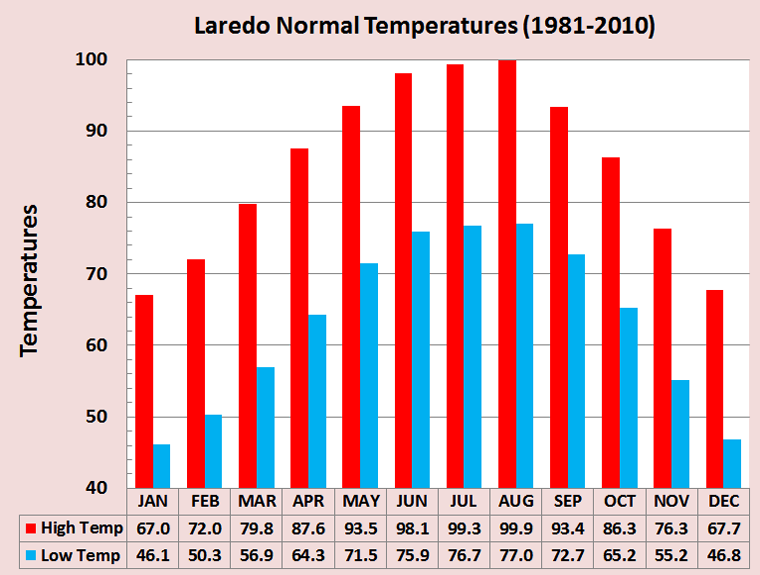
West Texas presents a stark contrast, characterized by an arid to semi-arid climate. This vast region, home to cities like El Paso and areas near Big Bend National Park, experiences extreme temperature fluctuations. Summers are exceptionally hot, with average highs frequently exceeding 90 degrees Fahrenheit and often reaching well into the 100s. The lack of humidity, however, can make the heat more bearable for some. Evenings can bring significant temperature drops.
Winters in West Texas are cool to cold, with average temperatures in the 40s and 50s Fahrenheit. Freezing temperatures are common, and snow is possible, though usually not substantial or long-lasting. The desert landscapes of West Texas, including the dramatic vistas of Big Bend National Park, are best explored during the spring and fall when daytime temperatures are milder, typically in the 60s and 70s Fahrenheit. Hiking and outdoor adventures in this region require careful planning due to the extreme temperatures and limited water availability.
The Panhandle and North Texas: Plains and Prairies
The Texas Panhandle and North Texas regions, including cities like Amarillo and Fort Worth, share a climate that is a blend of continental and semi-arid influences. Summers are hot, with average highs in the 80s and 90s Fahrenheit. Humidity can vary, but it is generally less oppressive than in East Texas.
Winters here are colder than in the southern and eastern parts of the state. Average temperatures in Amarillo, for example, can be in the 30s and 40s Fahrenheit during winter months, with frequent freezing temperatures and a higher chance of snowfall. The open plains of the Panhandle can also be prone to strong winds, which can make the cold feel more severe. Spring and fall offer a welcome respite with mild to warm temperatures, making them ideal for visiting attractions such as the Cadillac Ranch near Amarillo or exploring the cultural offerings of Fort Worth.
Seasonal Temperature Variations Across Texas
The diverse geography of Texas leads to distinct seasonal temperature patterns that are crucial for planning any visit or outdoor activity. From the sweltering heat of summer to the crisp chill of winter, understanding these variations will help you pack appropriately and schedule your adventures for maximum enjoyment.
Summer: The Reign of Heat
Texas summers are synonymous with heat. From June through August, the entire state experiences high temperatures, but the intensity and accompanying humidity vary significantly. In the coastal regions, such as Galveston, the high humidity can make the mercury feel even hotter. Inland cities like San Antonio and Houston also face sweltering conditions, with temperatures regularly climbing into the 90s Fahrenheit and often touching the 100s. West Texas, however, experiences a drier heat. While temperatures can exceed 100 degrees Fahrenheit, the lower humidity can make it feel less oppressive than in the eastern parts of the state.
For travelers, summer in Texas means embracing the heat or seeking cooler alternatives. Many visitors opt for water activities, whether it’s enjoying the beaches on the Gulf Coast, swimming in hotel pools like those at the JW Marriott San Antonio Hill Country Resort & Spa, or exploring the many water parks scattered across the state. Indoor attractions, such as museums in Dallas or the Alamo in San Antonio, offer a welcome escape from the midday sun. Staying hydrated is paramount, and evenings often bring slightly cooler temperatures, making al fresco dining a popular choice.
Autumn: A Welcome Respite
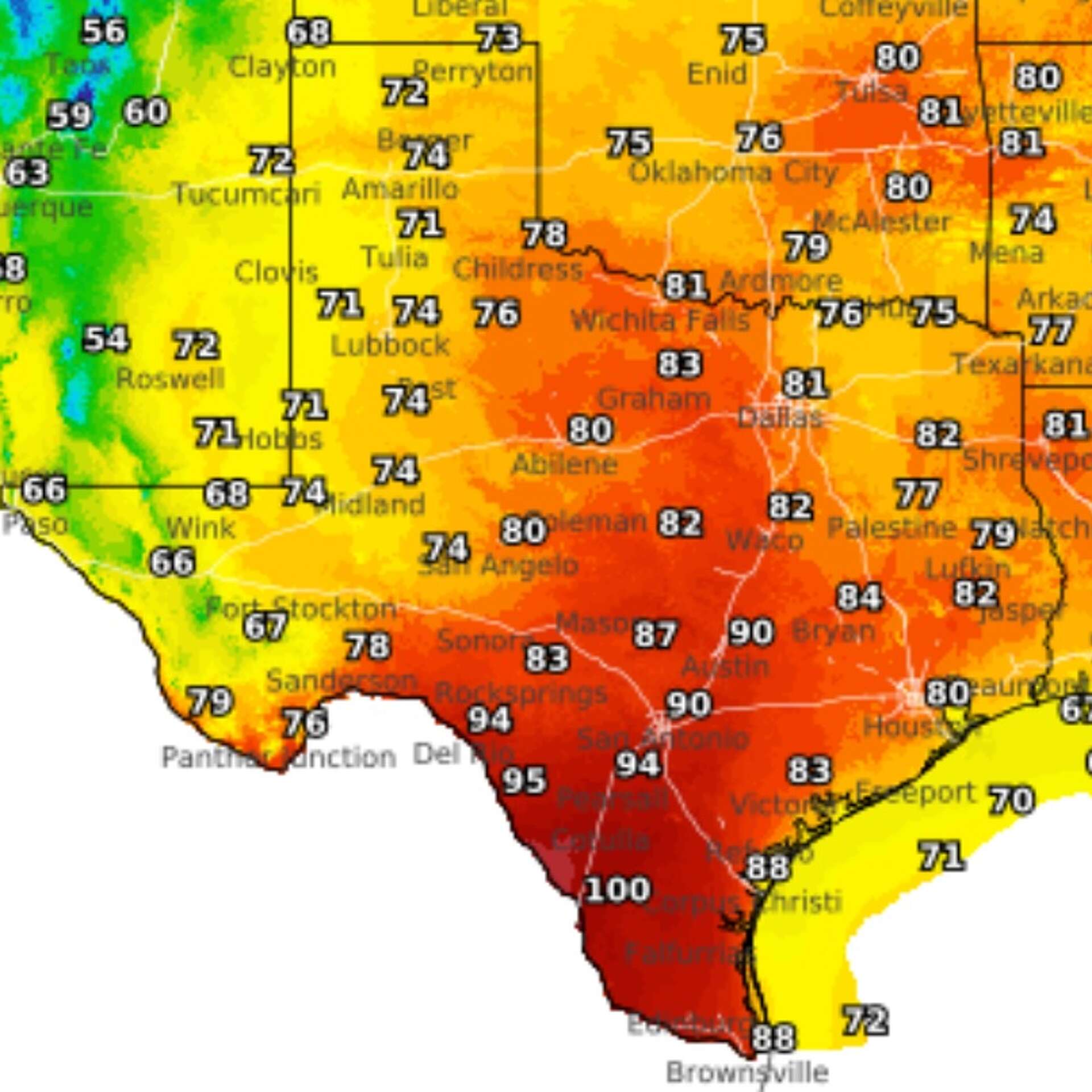
Texas autumn, typically from September through November, is often considered the most pleasant season. The intense heat of summer begins to dissipate, replaced by cooler, drier air. Temperatures across the state become more moderate, making it an ideal time for outdoor exploration. In Central Texas, daytime temperatures often hover in the comfortable 70s and 80s Fahrenheit, perfect for exploring the Texas Hill Country or enjoying the vibrant fall foliage.
In East Texas, the humidity decreases, and the crisp air is a welcome change. This is a prime season for visiting attractions like the State Fair of Texas in Dallas, exploring the historic streets of Galveston, or embarking on hiking adventures in Big Bend National Park. Even the Texas Panhandle, which can experience cold snaps in late autumn, offers delightful mild days for exploring its unique landscapes. Fall is also a popular time for festivals and events across Texas, capitalizing on the pleasant weather.
Winter: Mild in the South, Chilly in the North
Texas winters are characterized by a significant north-south temperature gradient. The southern parts of the state, including South Padre Island and Corpus Christi, enjoy mild winters with average temperatures in the 60s Fahrenheit. These regions are popular winter getaways for those seeking to escape colder climates further north, offering opportunities for beach activities and exploring coastal wildlife.
As you move north, winters become progressively colder. Central Texas experiences cool to cold temperatures, with average highs in the 50s and 60s Fahrenheit. Freezing temperatures are not uncommon, and occasional ice storms can disrupt travel. The Texas Panhandle and North Texas face the coldest winters, with average temperatures in the 30s and 40s Fahrenheit. Snowfall is more likely in these regions, though it is rarely heavy or persistent. Despite the cooler weather, winter in Texas still offers plenty of opportunities for indoor activities, from exploring the museums in Houston to enjoying the dining and shopping in cities like Fort Worth.
Spring: A Season of Renewal and Transition
Texas spring, from March through May, is a time of renewal and transition. The state bursts into bloom, with wildflowers painting the landscape in vibrant colors, particularly the famous bluebonnets in the Texas Hill Country. Temperatures generally become warmer, but spring can be unpredictable, with a mix of warm, sunny days and cooler, rainy periods.
Early spring often sees mild temperatures, ideal for outdoor activities. However, as the season progresses, summer-like heat can begin to creep in, especially in the southern and western parts of the state. East Texas can experience heavy rainfall during spring, sometimes leading to flooding. The Texas Panhandle can experience dramatic temperature swings and strong winds. This is a beautiful time to visit, but checking the weather forecast is always advisable. For those seeking luxury accommodations, resorts like the Ritz-Carlton Dallas offer a perfect base to explore the city’s spring offerings, while budget-conscious travelers can find numerous charming inns and apartments.
Planning Your Texas Adventure: Temperature Considerations for Travel and Lifestyle
The varied temperatures across Texas play a pivotal role in shaping travel plans, accommodation choices, and even lifestyle preferences. Whether you’re dreaming of a luxurious resort stay, a family road trip, or a long-term relocation, understanding the prevailing climate for your chosen destination and time of year is essential for a fulfilling experience.
Choosing the Right Destination and Time
Texas is a large state, and the temperature can differ significantly between its major cities and regions. For instance, if you’re planning a visit to South Padre Island in the winter, you can expect mild, beach-friendly weather, a stark contrast to the potentially freezing temperatures you might encounter in Amarillo during the same period. Conversely, a summer trip to Big Bend National Park requires careful preparation for extreme heat, while a summer visit to Galveston offers a coastal breeze, albeit with high humidity.
The best time to visit Texas often depends on your desired activities. For outdoor adventures like hiking in Big Bend or exploring the San Antonio River Walk, spring and fall offer the most comfortable temperatures. If your priority is to experience the vibrant holiday decorations in cities like Dallas or enjoy the cooler coastal air, winter might be appealing. Summer is ideal for water-based activities and enjoying the state’s many festivals, but requires a tolerance for heat and humidity.
When considering a longer-term stay or relocation, understanding the regional climate becomes even more critical. Someone who thrives in warm, dry weather might find West Texas appealing, while those who prefer a more temperate, humid climate might lean towards East Texas. The lifestyle choices—from outdoor pursuits to the types of events and cultural experiences available—are all influenced by the prevailing weather patterns.
Accommodation and Activities: Aligning with the Climate
The type of accommodation and activities you choose should ideally align with the expected temperatures. During hot Texas summers, opting for hotels with excellent air conditioning and swimming facilities, such as the Omni Barton Creek Resort & Spa in Austin, is a wise decision. If you’re planning a winter getaway to the warmer southern coast, look for resorts offering outdoor amenities that can be enjoyed year-round, like those found in Corpus Christi.
For those interested in exploring historical landmarks like the Alamo or the San Jacinto Monument, planning your visits for the cooler parts of the day during warmer months is advisable. Spring and fall are perfect for exploring the many Texas state parks, from Enchanted Rock State Natural Area to Palo Duro Canyon State Park, without the extreme heat. If you’re a fan of Texas barbecue or local cuisine, you’ll find that many restaurants offer both indoor and outdoor seating, allowing you to enjoy the state’s culinary delights regardless of the weather, though outdoor dining might be more pleasant during the shoulder seasons.
Lifestyle and Travel: Embracing the Texas Experience
The temperature in Texas undeniably shapes its lifestyle and the experiences it offers. From the bustling metropolises like Houston and Dallas to the charming small towns, life often revolves around adapting to the climate. This includes embracing outdoor activities during cooler months and seeking indoor entertainment or water-based fun during the heat of summer.
For luxury travelers, Texas offers a spectrum of high-end resorts and boutique hotels that cater to every climate preference. Budget travelers can find charming inns and well-equipped apartments that provide comfortable bases for exploration, regardless of the season. Family trips can be planned around activities that appeal to all ages, from theme parks in the summer to historical tours in the spring and fall. Business travelers can find well-appointed accommodations and conference facilities that make navigating the Texas climate effortless.
Ultimately, Texas offers a dynamic and diverse experience, with its temperatures being a defining characteristic. By understanding the nuances of its climate and planning accordingly, visitors and residents alike can fully embrace the unique charm and endless possibilities that the Lone Star State has to offer, from its iconic landmarks to its vibrant local culture and delicious food.