
Alaska, the United States’ largest state, is a land of extremes and unparalleled natural beauty, often dubbed the “Last Frontier.” Its immense size and diverse geography mean that pinpointing “the” temperature in Alaska is akin to asking for “the” weather across an entire continent. From the temperate rainforests of its southeastern panhandle to the icy reaches of the Arctic Circle and the volcanic islands of the Aleutian chain, temperatures vary dramatically not only by season but also by region. Understanding these climatic nuances is crucial for any traveler planning an Alaskan adventure, whether you’re dreaming of summer hiking under the midnight sun or witnessing the ethereal glow of the Northern Lights in winter.
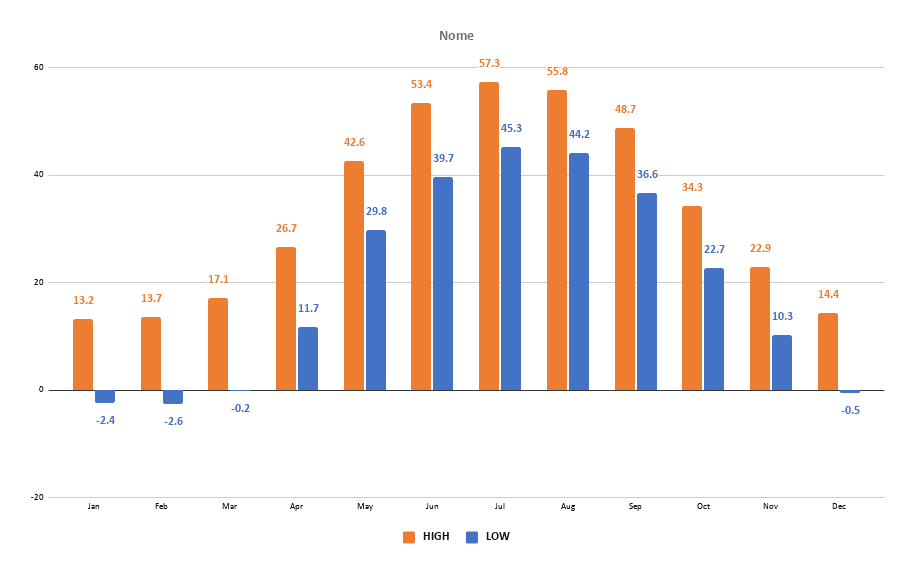
This guide will delve into the seasonal and regional temperature variations across Alaska, offering insights into what to expect and how to prepare for an unforgettable journey. We’ll explore how these temperatures influence everything from travel planning and accommodation choices to the myriad of activities and experiences that make Alaska a truly unique destination.
Seasonal Temperatures Across Alaska: A Year in Extremes
Alaska’s distinct four seasons each present their own charm and climatic challenges. Understanding the average temperature ranges for each period is the first step in preparing for your trip.
Summer in the Last Frontier (June-August)
Summer is peak tourist season in Alaska, and for good reason. Temperatures are at their warmest, daylight hours are incredibly long (with the phenomenon of the “midnight sun” north of the Arctic Circle), and most attractions and services are fully operational.
- Average Temperatures: During June, July, and August, most populated areas experience daytime temperatures ranging from 50°F to 70°F (10°C to 21°C). Nights can still be cool, dropping into the low 40s or 30s°F (4-9°C).
- Regional Variations:
- Southcentral Alaska (e.g., Anchorage, Seward, Homer): Daytime averages are typically in the mid-60s°F (18°C), with some days reaching into the 70s°F (21-26°C).
- Interior Alaska (e.g., Fairbanks, Denali National Park): Summers here can be surprisingly warm, often reaching the high 70s°F (25°C) and occasionally even the 80s°F (27-30°C) due to its continental climate, though nights are still cool.
- Southeast Alaska (e.g., Juneau, Ketchikan, Sitka): This temperate rainforest region sees cooler, wetter summers, with averages in the low to mid-60s°F (15-18°C) and frequent rain.
- Travel Impact: Ideal for cruising the Inside Passage, hiking in Denali National Park, wildlife viewing, fishing, and kayaking. Demand for accommodation and travel services is high, requiring advance booking.
Autumn’s Brief Beauty (September-October)
Alaska in autumn is a spectacle of vibrant fall colors, fewer crowds, and a distinct chill in the air. This short but beautiful season transitions rapidly into winter.
- Average Temperatures: Daytime temperatures drop significantly, ranging from 30°F to 50°F (-1°C to 10°C) across much of the state. Freezing temperatures become common at night.
- Travel Impact: Excellent for photographers, those seeking solitude, and early Northern Lights viewing opportunities (especially in Fairbanks). Many tour operators and hotels begin to close down by late September or early October, so planning is essential.
Winter Wonderland (November-March)
Winter transforms Alaska into a pristine, snow-covered landscape, offering unique experiences for the adventurous traveler. It’s also when the state lives up to its “cold” reputation.
- Average Temperatures: This is when temperatures plunge. Most of the state experiences daytime averages from -10°F to 20°F (-23°C to -7°C).
- Regional Variations:
- Interior Alaska (e.g., Fairbanks): Known for its extremely cold temperatures, often dropping to -20°F (-29°C) or colder for extended periods, with record lows well below -50°F (-45°C). However, the air is typically dry, making the cold more manageable.
- Southcentral Alaska (e.g., Anchorage): Winters are milder than the Interior, with averages around 10-20°F (-12°C to -7°C). Snowfall is abundant.
- Southeast Alaska (e.g., Juneau): The mildest winters are found here, with temperatures hovering around freezing (30-40°F / -1°C to 4°C) due to oceanic influence. Rain is common, sometimes mixed with snow.
- Travel Impact: Ideal for winter sports like skiing (e.g., at Alyeska Resort in Girdwood), snowboarding, dog mushing, ice fishing, and, most famously, Northern Lights viewing. Layering warm clothing is non-negotiable. Many summer-focused attractions are closed, but specialized winter tourism operators thrive.
Spring Thaw and Rebirth (April-May)
Spring in Alaska is a season of transition, as the snow melts, rivers swell, and wildlife awakens. It’s a quieter time to visit, with temperatures steadily rising.
- Average Temperatures: Daytime temperatures range from 20°F to 40°F (-7°C to 4°C) in April, warming up to 40°F to 55°F (4°C to 13°C) by May. Freeze-thaw cycles are common.
- Travel Impact: A great time for budget travelers seeking shoulder-season deals. Some roads and trails may still be closed due to snow or mud, especially in early spring. Wildlife starts to emerge, and the landscape transforms rapidly. It’s a good time for birdwatching and seeing newborn animals.
Regional Climate Variations: Microclimates of the North
Beyond the seasonal shifts, Alaska’s vastness creates distinct microclimates, each with its own temperature profile. Understanding these regional differences is key to packing appropriately and choosing the best time for your specific destination.
Southcentral Alaska: Anchorage and Beyond
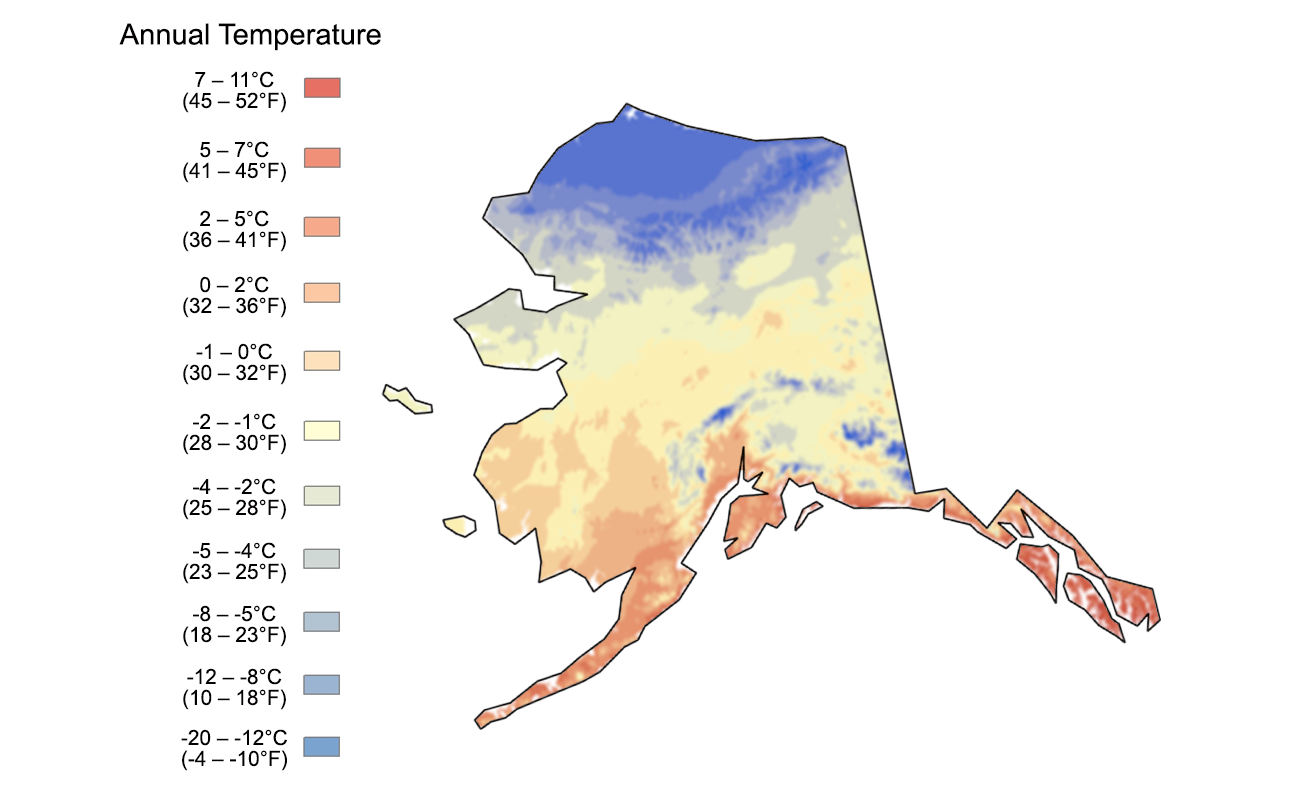
This region, encompassing Anchorage, the Kenai Peninsula, and the Mat-Su Valley, is the most populated and accessible part of Alaska. Its climate is influenced by proximity to the Pacific Ocean and the presence of mountain ranges like the Chugach Mountains.
- Summer (June-August): Mild and pleasant, with average highs in Anchorage around 65°F (18°C). Rainfall is moderate, increasing towards August. Perfect for exploring city attractions or taking day trips to Seward or Homer.
- Winter (November-March): Snowy and cold, but not as extreme as the Interior. Anchorage averages around 20°F (-7°C) in January, with significant snowfall. Ideal for skiing at Alyeska Resort or experiencing the Iditarod Trail Sled Dog Race festivities. Hotels like the Hotel Captain Cook offer cozy retreats.
Interior Alaska: Fairbanks and the Arctic Circle
Characterized by a continental climate, the Interior experiences extreme temperature swings between seasons. It’s far from the moderating influence of the ocean.
- Summer (June-August): Surprisingly warm and dry, with Fairbanks often reaching 70s°F (21-26°C) and sometimes even 80s°F (27-30°C). The long daylight hours are perfect for visiting Denali National Park or exploring the local culture of Fairbanks.
- Winter (November-March): Severely cold, with Fairbanks winter averages around -10°F to -20°F (-23°C to -29°C), and periods of much colder weather are common. This extreme cold, combined with clear skies, makes Fairbanks one of the best places on Earth for viewing the Northern Lights.
Southeast Alaska: The Panhandle’s Temperate Rainforest
This narrow strip of coastline, including Juneau, Ketchikan, Sitka, and Skagway, is defined by its proximity to the Pacific Ocean and mountainous terrain. It’s often reached by cruise ships via the Inside Passage.
- Summer (June-August): Mild, wet, and often overcast. Juneau averages in the low 60s°F (15-18°C), but it receives significant rainfall. This lush environment is home to Glacier Bay National Park and abundant wildlife.
- Winter (November-March): The mildest winters in Alaska, with temperatures usually staying above 20°F (-7°C), often around freezing. Snowfall is common at higher elevations, but coastal towns frequently see rain. Accommodation options are available year-round, although some tourism services scale back.
Southwest and Western Alaska: Coastal Influences
This vast, sparsely populated region includes the Alaska Peninsula, Kodiak Island, and the Aleutian Islands, extending into the Bering Sea. Its climate is largely maritime, characterized by strong winds, frequent storms, and moderate temperatures.
- Summer (June-August): Cool and damp, with high winds being a common factor. Temperatures rarely exceed 60°F (15°C). The region is known for its incredible bear viewing and fishing.
- Winter (November-March): Relatively mild compared to the Interior, with temperatures generally above 0°F (-18°C). However, severe storms, heavy snowfall, and high winds are prevalent. Travel to more remote destinations in this region can be challenging outside of summer.
Planning Your Alaskan Adventure: Temperature-Conscious Travel
Regardless of when and where you decide to explore Alaska, proper preparation is paramount. The key to a comfortable and enjoyable trip lies in understanding the temperatures and dressing accordingly.
Packing Essentials for Every Season
Layering is the golden rule for Alaskan weather, no matter the season.
- Summer: Even in summer, evenings and mornings are cool, and weather can change rapidly. Pack versatile layers:
- Base Layer: Moisture-wicking synthetics or merino wool.
- Mid-Layer: Fleece jacket or a warm sweater.
- Outer Layer: Waterproof and windproof jacket (essential for rain, especially in Southeast Alaska and coastal areas).
- Bottoms: Quick-drying pants, perhaps a pair of waterproof over-pants.
- Footwear: Waterproof hiking boots are a must for most activities.
- Accessories: Warm hat, gloves (even in summer), sunglasses, insect repellent.
- Winter: This requires serious cold-weather gear. Think Arctic-ready.
- Base Layer: Thermal underwear (wool or synthetic).
- Mid-Layers: Multiple fleece layers, down vest, or heavy wool sweaters.
- Outer Layer: Heavy-duty, insulated, waterproof/windproof parka.
- Bottoms: Insulated, waterproof snow pants.
- Footwear: Insulated, waterproof winter boots rated for extreme cold.
- Accessories: Multiple pairs of warm gloves/mittens, a warm hat that covers ears, neck gaiter or scarf, hand/foot warmers.
Seasonal Activities and Attractions
Your choice of activities will heavily depend on the temperature and time of year.
- Summer: Enjoy wildlife cruises in Prince William Sound, flightseeing over Denali, glacier walks, salmon fishing, and exploring cities like Anchorage and Fairbanks. The Alaska Railroad offers scenic journeys through stunning landmarks.
- Winter: Focus on Northern Lights viewing (especially in Fairbanks), dog sledding, snowmobiling, ice fishing, and downhill skiing at Alyeska Resort. Cultural experiences and museums provide warmth and insight into Alaskan lifestyle.
Accommodation Choices and Booking Tips
Accommodation options range from luxury resorts to cozy cabins and budget-friendly hostels.
- Summer: High season means higher prices and limited availability. Book your hotels or lodges well in advance, especially in popular areas like Denali National Park (e.g., Denali Princess Wilderness Lodge) or Anchorage (e.g., Hotel Captain Cook). Many Westmark Hotels also cater to summer travelers.
- Winter: While some seasonal hotels close, many stay open, offering lower rates and a quieter atmosphere. Winter-specific lodges often provide specialized amenities like aurora viewing rooms or heated gear storage. Consider unique stays like ice hotels or remote cabins for an authentic experience.
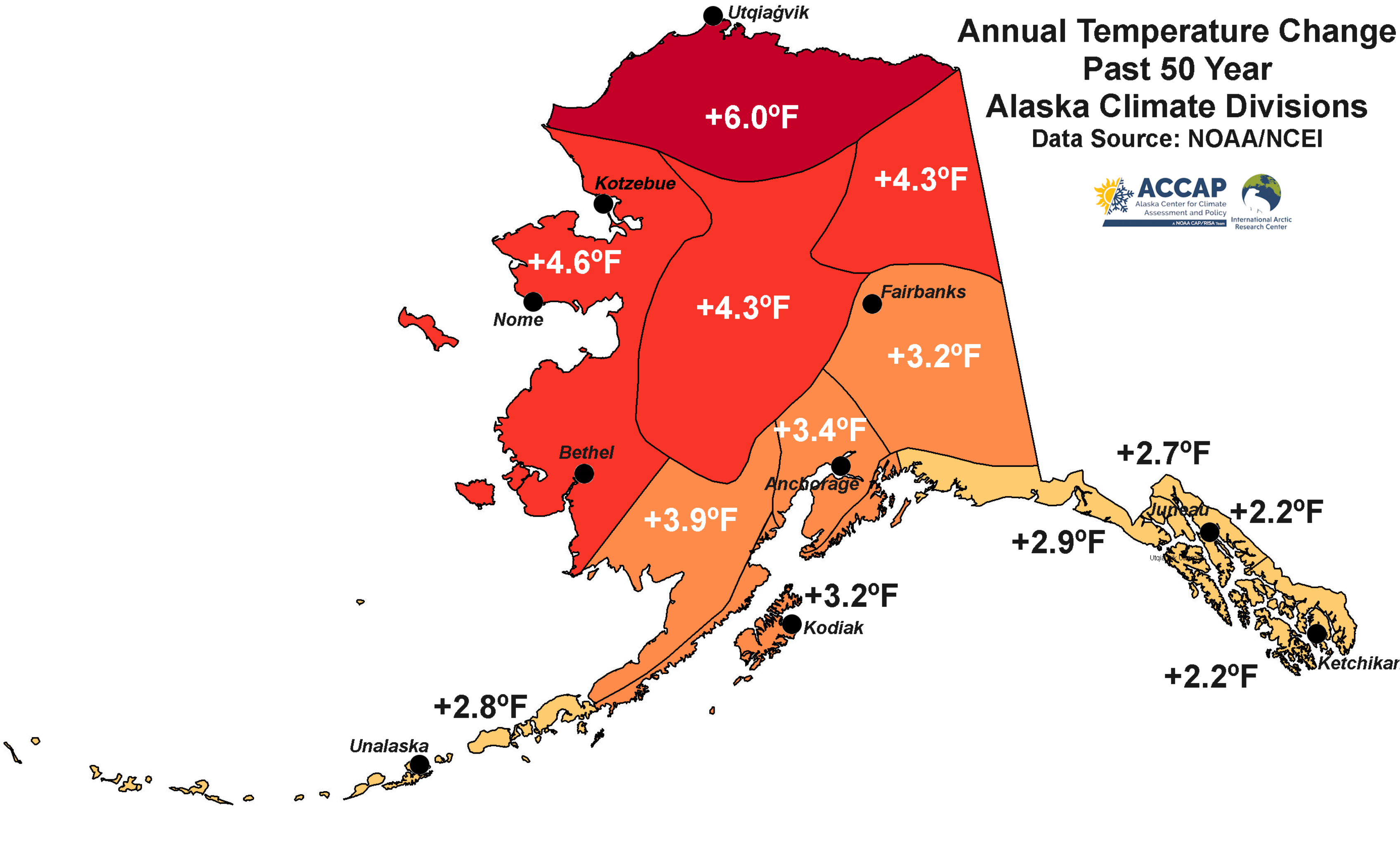
Ultimately, whether you’re planning a luxury travel escape or a budget travel adventure, understanding Alaska’s temperatures is foundational to a successful trip.
Alaska’s temperature is not a single number but a dynamic spectrum reflecting its vastness and wild spirit. From the warmth of a summer day in Fairbanks to the bitter cold of an Arctic Circle winter night, each climatic extreme offers a unique lens through which to experience this magnificent state. By preparing for these variations, travelers can fully immerse themselves in the natural wonders, rich local culture, and exhilarating activities that make Alaska an unforgettable destination. Embrace the extremes, dress wisely, and get ready for an adventure of a lifetime.
LifeOutOfTheBox is a participant in the Amazon Services LLC Associates Program, an affiliate advertising program designed to provide a means for sites to earn advertising fees by advertising and linking to Amazon.com. Amazon, the Amazon logo, AmazonSupply, and the AmazonSupply logo are trademarks of Amazon.com, Inc. or its affiliates. As an Amazon Associate we earn affiliate commissions from qualifying purchases.