
Arizona, often dubbed the Grand Canyon State, is a land of striking contrasts, where towering saguaros meet pine-clad mountains and arid deserts give way to lush oases. This remarkable diversity isn’t just visual; it’s profoundly reflected in the state’s climate and, consequently, its temperatures. Understanding Arizona’s temperature variations is crucial for any traveler planning a visit, influencing everything from what to pack to which attractions to prioritize and even the type of accommodation that will best suit your needs. Far from a monolithic hot desert, Arizona offers a spectrum of microclimates, presenting unique experiences throughout the year.
The state can be broadly divided into three main climatic zones: the low desert, the central highlands, and the northern mountains. Each zone experiences distinct seasonal temperature patterns, making it possible to find your ideal climate at virtually any time of year, provided you know where to look. Whether you’re chasing the sun, seeking cool mountain breezes, or exploring ancient landscapes, Arizona’s temperatures dictate the rhythm of travel, outdoor activities, and even local lifestyles. From the scorching summer days in Phoenix to the snow-covered peaks around Flagstaff, knowing what to expect allows for seamless travel planning, ensuring comfort, safety, and an unforgettable journey through this enchanting southwestern gem.

Decoding Arizona’s Diverse Climates: From Desert Heat to Mountain Chill
Arizona’s reputation for scorching heat is largely attributable to its vast desert regions. However, this is only part of the story. The state’s topography, ranging from sea level equivalents in the southwest to peaks over 12,000 feet in the north, creates dramatic temperature differentials. This geographical variance means that within a few hours’ drive, you can transition from an arid, sun-baked landscape to a cool, forested environment.
The Sonoran Desert: Embracing the Arid Warmth
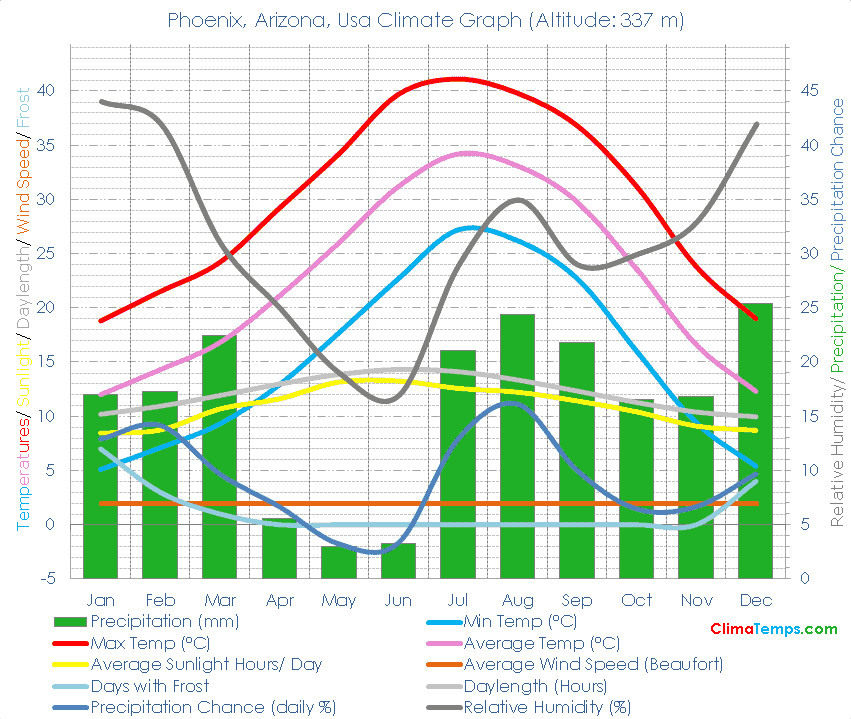
The southern and western portions of Arizona are dominated by the Sonoran Desert, home to major cities like Phoenix, Tucson, Yuma, Mesa, and Tempe, as well as popular tourist destinations like Scottsdale. This region is famous for its mild winters, pleasant springs, and intensely hot summers.
- Winter (December-February): Temperatures are remarkably comfortable, with daytime highs often ranging from 60°F to 75°F (15°C to 24°C). Nights can dip into the 40s°F (4-9°C), making for crisp evenings. This is the peak season for tourism in the desert, as outdoor activities like hiking, golfing, and exploring landmarks such as the Desert Botanical Garden or Saguaro National Park are incredibly enjoyable. Many luxury resorts, such as the Hyatt Regency Scottsdale Resort & Spa at Gainey Ranch or The Ritz-Carlton, Scottsdale, are in high demand during these months, offering heated pools and outdoor dining experiences under clear skies.
- Spring (March-May): As temperatures begin to climb, averaging 70°F to 90°F (21°C to 32°C), the desert bursts into bloom with vibrant wildflowers. Mornings are ideal for outdoor adventures, while afternoons might call for poolside relaxation. By late May, temperatures can regularly exceed 100°F (38°C). This transitional period is excellent for visitors who want to avoid the peak winter crowds but still enjoy pleasant weather.
- Summer (June-August): This is when the Sonoran Desert truly lives up to its hot reputation. Daytime temperatures frequently soar above 100°F (38°C), often reaching 105°F to 115°F (41°C to 46°C). Evenings remain warm, with lows in the 80s°F (27-32°C). While intense, many travelers still visit, taking advantage of lower accommodation prices and focusing on indoor attractions, early morning hikes, or water-based activities at resorts like the JW Marriott Desert Ridge Resort & Spa. The monsoon season, typically from July to September, brings dramatic thunderstorms and a slight reprieve from the heat, making for spectacular desert sunsets.
- Autumn (September-November): Temperatures gradually cool down from the summer highs, ranging from 80°F to 95°F (27°C to 35°C) in September, dropping to comfortable 70s°F (21-26°C) by November. This is another highly desirable time to visit the desert, offering pleasant weather for exploring cities and outdoor activities without the intense summer heat or the peak winter crowds.
The Northern Highlands: A Retreat to Cooler Climates
Moving northward, the elevation rises dramatically, leading to significantly cooler temperatures and a completely different landscape of forests, mountains, and even snow. This region includes cities like Flagstaff, Prescott, and the areas surrounding the Grand Canyon National Park and Sedona.
- Winter (December-February): This area transforms into a winter wonderland. Flagstaff, nestled at over 7,000 feet, experiences regular snowfall and average daytime temperatures in the 30s°F to 40s°F (0°C to 9°C), with nights well below freezing. Skiing at Arizona Snowbowl is a popular activity. The Grand Canyon’s South Rim remains open and offers breathtaking snow-dusted views, though temperatures can be frigid.
- Spring (March-May): Snow begins to melt, and temperatures rise into the 50s°F to 60s°F (10°C to 15°C) in March, reaching 60s°F to 70s°F (15°C to 21°C) by May. This is an excellent time for hiking and exploring, as the landscapes become vibrant with new growth. Sedona, at a lower elevation than Flagstaff, enjoys milder temperatures, making its Red Rocks of Sedona particularly inviting for outdoor enthusiasts.
- Summer (June-August): While the desert bakes, the northern highlands offer a refreshing escape. Daytime temperatures typically range from 70°F to 85°F (21°C to 29°C), with cool nights in the 40s°F to 50s°F (4°C to 15°C). This pleasant weather makes it ideal for camping, hiking in the Kaibab National Forest, or exploring the North Rim of the Grand Canyon, which is only open during the warmer months.
- Autumn (September-November): Perhaps one of the most beautiful times to visit, as temperatures are mild (50s°F to 70s°F / 10°C to 21°C) and the aspens and oaks burst into brilliant fall colors. This is a favorite time for scenic drives along routes like Oak Creek Canyon near Sedona and hiking on the Mogollon Rim.
Seasonal Travel Planning: When to Visit Arizona
The optimal time to visit Arizona heavily depends on your preferred activities and tolerance for heat or cold. The state truly offers a “choose your own adventure” climate, making it a year-round destination for different reasons.
Winter Wonders and Desert Escapes (December-February)
For travelers seeking warmth and sunshine to escape colder northern climates, Arizona’s low desert region is a prime destination in winter. Cities like Phoenix, Scottsdale, and Tucson thrive with outdoor festivals, golf tournaments, and patio dining. This is the ideal time for exploring historical sites such as Tombstone or enjoying scenic drives through the Sonoran Desert. Accommodation prices, particularly for luxury resorts and boutique hotels, are at their highest during these months due to demand. Many snowbirds, individuals who migrate south for the winter, flock to Arizona, making RV parks and long-term apartment rentals highly sought after.
Conversely, if you’re a winter sports enthusiast or simply yearn for a change of scenery, the northern parts of Arizona offer a genuine winter experience. Flagstaff becomes a hub for skiing, snowboarding, and snowshoeing. Visiting the Grand Canyon in winter provides a serene, less crowded experience, often with a magical dusting of snow transforming the iconic vistas. Remember to book hotels in advance, especially in popular areas like Grand Canyon Village or Flagstaff, as options can be limited.

Spring Blooms and Mild Adventures (March-May)
Spring is arguably one of the most picturesque times to visit Arizona, especially if you want to experience both the desert and the highlands. The desert landscapes, including the Superstition Mountains and Lost Dutchman State Park, are vibrant with wildflowers from late February through April, making for stunning hikes and photography opportunities. Temperatures are comfortably warm in the south, perfect for exploring Old Town Scottsdale’s galleries and shops or visiting Frank Lloyd Wright’s Taliesin West.
Further north, destinations like Sedona and Prescott enjoy wonderfully mild weather, ideal for hiking, mountain biking, and exploring their unique geological formations or historic downtowns. The Grand Canyon begins to fully open its trails and facilities as the last of the winter snow melts, offering excellent conditions for rim-to-river treks. This shoulder season often presents a sweet spot for accommodation prices, particularly in the desert areas as the peak winter crowds begin to thin, while demand increases in the cooler regions.
Summer’s Embrace: Hot Days, Cool Escapes (June-August)
Summer in the Sonoran Desert is synonymous with heat. While many travelers avoid this period, it offers a different kind of Arizona experience, characterized by early morning activities, extended pool time, and enjoying indoor attractions. This is when hotel prices in Phoenix and Tucson can drop significantly, making luxury resorts surprisingly affordable for budget-conscious travelers seeking opulent amenities like expansive swimming pools, lazy rivers, and world-class spas. Consider a staycation-style trip, leveraging resort amenities to beat the heat.
For those who prefer cooler temperatures, the northern regions of Arizona become prime summer destinations. Flagstaff, the Grand Canyon, and Greer offer a refreshing escape from the desert’s intense sun. This is the busiest time for national parks and mountain towns, so booking accommodation well in advance is essential. Vacation rentals and cabins in these areas are particularly popular for families and groups looking for a nature-filled getaway. Activities include white-water rafting on the Colorado River, exploring Antelope Canyon (though temperatures can still be high), or simply enjoying the crisp mountain air.
Autumn’s Golden Hues (September-November)
Autumn is another fantastic time to visit Arizona, offering a gradual cooling down from summer’s intensity. The desert heat begins to subside, making outdoor activities more comfortable by mid-October. This period, especially from late September through November, sees temperatures return to a pleasant range, ideal for hiking Camelback Mountain or exploring Montezuma Castle National Monument.
In the northern highlands, autumn is marked by spectacular fall foliage, particularly around Flagstaff and in Oak Creek Canyon. Scenic drives, photography, and hiking are paramount. The Grand Canyon still offers excellent conditions for exploration, with fewer crowds than in summer. Accommodation prices during autumn tend to be moderate, providing good value before the winter high season kicks in for the desert, and as the mountain season winds down. This is an excellent time for a balanced itinerary that might include both desert and mountain experiences.
Navigating Arizona’s Temperatures: Activities and Accommodation
Understanding Arizona’s varied temperatures is not just about packing the right clothing; it’s about tailoring your entire travel experience. From booking the perfect hotel to choosing the best time for specific adventures, temperature plays a pivotal role.
Desert Delights: Embracing the Heat (or Escaping It)
In the low desert, activities are heavily influenced by the thermometer. During the peak heat of summer, tourism shifts indoors or to early morning/late evening hours. Many resorts, such as the Four Seasons Resort Scottsdale at Troon North, are specifically designed to help guests beat the heat with expansive pools, water features, air-conditioned amenities, and shaded cabanas. They often offer special summer packages, making luxurious stays more accessible. Lifestyle choices during the summer include indoor attractions like museums (e.g., Heard Museum in Phoenix), fine dining, and spa treatments.
During the cooler months, the desert truly opens up for exploration. Hiking, mountain biking, and exploring vast landscapes like the Superstition Mountains or the Petrified Forest National Park become highly enjoyable. Golf courses are in pristine condition, attracting enthusiasts worldwide. Accommodation in winter reflects this demand, with resorts, boutique hotels, and vacation villas in Scottsdale and Sedona commanding premium rates. Booking well in advance, sometimes 6-12 months for popular properties, is essential for prime winter travel. Budget travelers might consider booking apartments or smaller hotels further from major tourist hubs to find more affordable options.
Mountain Retreats: Chasing the Cool and the Snow
The northern parts of Arizona offer a stark contrast, particularly in summer and winter. In summer, the cooler temperatures make it an ideal destination for outdoor enthusiasts. Hiking in the San Francisco Peaks, camping in the Apache-Sitgreaves National Forests, or visiting the Grand Canyon, Monument Valley, or Lake Powell are popular activities. Resorts and lodges in areas like Sedona and Flagstaff cater to those seeking relief from the heat, often featuring fireplaces for chilly evenings and easy access to nature trails.
In winter, these regions transform into ski destinations. Flagstaff offers direct access to Arizona Snowbowl for skiing and snowboarding, while cross-country skiing and snowshoeing are popular in many national forests. Accommodation ranges from cozy cabins and lodges to traditional hotels. When traveling to these higher elevations, be prepared for colder temperatures and potential snow, especially when driving. It’s always wise to check road conditions and consider four-wheel drive or chains if planning winter trips to remote areas or the Grand Canyon.
Choosing Your Stay: Hotels, Resorts, and Beyond
Arizona’s accommodation options are as diverse as its climate, catering to every temperature preference and travel style.
- Resorts: Dominant in the desert cities like Phoenix, Scottsdale, and Tucson, these properties excel at managing temperature extremes. Expect robust air conditioning, heated pools (essential for winter evenings), and often misters for outdoor patios in summer. Many offer extensive amenities like spas, golf courses, and multiple dining options, creating a self-contained oasis.
- Boutique Hotels: Found in charming towns like Sedona, Prescott, and downtown urban centers, these offer unique character. Their climate control might be less extravagant than large resorts, but they provide a more intimate experience. Check for heating during winter stays in the highlands and effective AC in desert locations.
- Vacation Rentals (Villas, Apartments): A popular choice for families, longer stays, or those seeking a local experience. These offer flexibility for cooking and often come with private pools or outdoor spaces. When booking, always confirm the availability and functionality of air conditioning and heating, especially if traveling during extreme temperatures. For budget travel, off-season rentals can offer significant savings.
- Cabins and Lodges: Predominantly found in the northern highlands and around national parks like the Grand Canyon or Petrified Forest National Park, these are perfect for a rustic yet comfortable stay amidst nature. They are typically well-insulated and equipped with heating (often fireplaces), ideal for chilly evenings. Some may lack AC, relying on cooler mountain air, which is usually sufficient in summer.
Essential Packing and Safety Tips for Arizona’s Climate
Regardless of when or where you travel in Arizona, thoughtful preparation based on temperature is key to a comfortable and safe trip.
Dress for the Climate: Layers are Your Best Friend
Given the significant diurnal temperature swings, especially in the desert, layering is critical.
- Desert Regions: In winter, pack light to medium layers for warm days and cool evenings. Think T-shirts, light long-sleeved shirts, a sweater or fleece, and a medium-weight jacket. For summer, focus on lightweight, breathable fabrics (cotton, linen), wide-brimmed hats, sunglasses, and sandals. Even in summer, a light jacket might be welcome for air-conditioned indoor spaces or cooler monsoon evenings.
- Mountain Regions: In winter, prepare for cold weather with warm layers, waterproof outerwear, gloves, hats, and sturdy, waterproof boots. In summer, expect pleasant days but pack a fleece or light jacket for cool evenings. Hiking boots are a must for exploring trails.
Hydration and Sun Protection: Non-Negotiables
No matter the season or region in Arizona, staying hydrated and protected from the sun is paramount. The dry air, even at cooler temperatures, can lead to rapid dehydration.
- Drink Water Frequently: Carry a reusable water bottle and refill it often. Even if you don’t feel thirsty, keep sipping.
- Sunscreen: Apply broad-spectrum sunscreen with a high SPF regularly, even on cloudy days or in winter, as Arizona’s UV index can be intense.
- Hats and Sunglasses: Protect your face and eyes from direct sun exposure.
- Seek Shade: Plan outdoor activities for early mornings or late afternoons, especially in the desert during warmer months. Utilize shaded trails or take breaks in air-conditioned spaces.
Staying Safe: Practical Considerations
- Heat Safety (Desert Summer): Avoid strenuous outdoor activities between 10 AM and 4 PM. Be aware of the signs of heat exhaustion and heatstroke. If hiking, inform someone of your route and expected return time. Carry extra water – more than you think you’ll need.
- Cold Safety (Mountain Winter): Dress in multiple layers, and be aware of frostbite risks. Check weather forecasts and road conditions, especially if traveling through snowy or icy mountain passes. Carry emergency supplies in your vehicle.
- Flash Floods: During the monsoon season (July-September), heavy rainfall can cause sudden flash floods in washes and canyons. Never attempt to drive through flooded areas. “Turn Around, Don’t Drown.”
- Wildlife: Be aware of local wildlife, including snakes, scorpions, and javelina, especially when hiking or camping.
Arizona’s Iconic Landmarks and Their Ideal Visiting Times
Arizona’s famous landmarks offer vastly different experiences depending on the temperature, making planning crucial for the best visit.
- Grand Canyon National Park: The South Rim is open year-round. Spring and Fall offer the most pleasant hiking temperatures (50-70°F / 10-21°C). Summer can be very hot, especially if hiking below the rim (expect 80-100°F / 27-38°C), while winter brings snow and cold (20-40°F / -7-4°C) but stunning, quiet views. The North Rim is typically open from mid-May to mid-October due to heavy winter snows.
- Sedona: Spring and Fall (60-80°F / 15-27°C) are ideal for hiking among the Red Rocks of Sedona and enjoying its vibrant arts scene. Summers are hot but manageable (90-100°F / 32-38°C), with early morning activities recommended. Winters are mild (40-60°F / 4-15°C) with occasional light snow.
- Antelope Canyon & Monument Valley: Located in northern Arizona’s high desert, spring and fall (50-80°F / 10-27°C) provide excellent conditions. Summer can be extremely hot (90-100°F / 32-38°C), and winter very cold (20-40°F / -7-4°C) with potential road closures due to snow. Optimal lighting for photography in Antelope Canyon is around midday, regardless of season.
- Saguaro National Park (Tucson): Best visited in winter and spring (60-80°F / 15-27°C) when temperatures are mild for hiking and exploring the iconic cactus forests. Summer temperatures routinely exceed 100°F (38°C), making early morning or late evening visits a necessity.
- Hoover Dam & Lake Mead: Near Las Vegas on the Arizona-Nevada border, these are popular year-round. Spring and Fall (70-90°F / 21-32°C) are most comfortable for tours and water activities. Summer is very hot (100-115°F / 38-46°C), perfect for water sports but demanding for outdoor tours. Winters are mild (50-70°F / 10-21°C).
In conclusion, Arizona’s temperature is not a single number but a dynamic range that defines its diverse regions and seasons. By understanding these climatic nuances, travelers can expertly plan their itineraries, choose the perfect accommodation, and prepare for activities that align with their ideal weather conditions. Whether seeking the warmth of the desert sun or the cool embrace of mountain air, Arizona consistently delivers unique and memorable experiences throughout the year, making it a truly exceptional destination for every lifestyle and travel preference.