
Austin, the vibrant capital city of Texas, is renowned for its eclectic live music scene, innovative culinary landscape, and a unique “Keep Austin Weird” culture that permeates every corner. However, for any traveler planning a visit, one of the most crucial considerations, especially when envisioning outdoor adventures or specific events, is the weather. Understanding the temperature in Austin throughout the year is key to packing appropriately, booking the right accommodations, and maximizing your experience in this dynamic city. From scorching summers that call for a dip in cool springs to mild winters perfect for exploring, Austin’s climate plays a significant role in shaping any visit.
This comprehensive guide delves into the seasonal temperatures of Austin, offering insights into what to expect and how to plan your travel, accommodation, and activities to best suit the local climate. Whether you’re a luxury traveler seeking a resort with an infinity pool or a budget adventurer looking for the best hiking trails, the thermometer will often dictate the rhythm of your Austin getaway.

Understanding Austin’s Climate: A Seasonal Breakdown
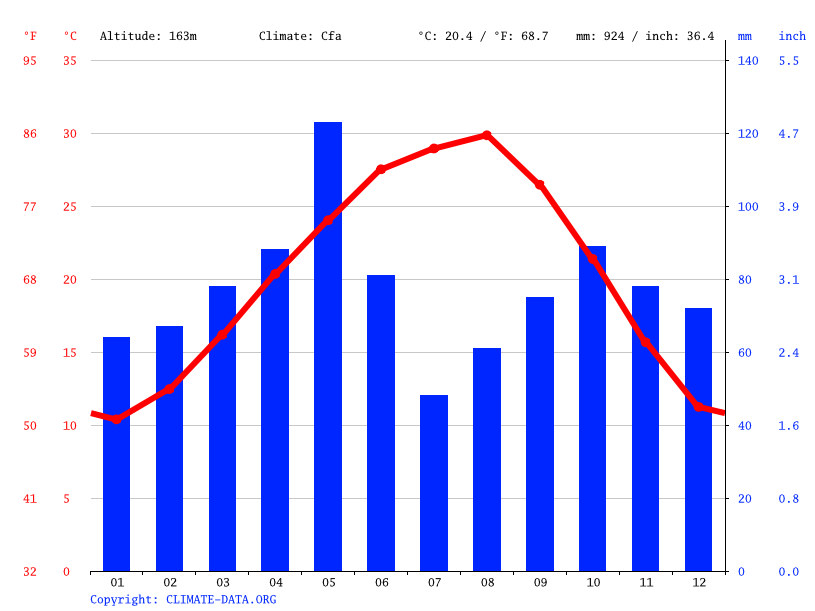
Austin experiences a humid subtropical climate, characterized by hot summers and generally mild winters. Spring and autumn often provide the most pleasant weather, making them prime times for tourism. However, each season offers its own unique charm and challenges, influencing everything from the types of activities available to the comfort level of exploring the city’s numerous landmarks.
Spring: The Sweet Spot for Exploration
Spring in Austin is often considered the ideal time to visit, and for good reason. From March to May, temperatures are typically mild and comfortable, perfect for outdoor exploration. Average daily temperatures range from the low 60s Fahrenheit (around 16-18°C) in March, climbing to the mid-70s to low 80s Fahrenheit (around 24-28°C) by May. Humidity is generally moderate, and while rainfall can occur, it usually manifests as brief showers rather than prolonged downpours.
This season witnesses the city bursting into bloom, with wildflowers like bluebonnets painting the landscape. The comfortable weather makes it perfect for hiking and biking along the trails of Zilker Park or kayaking on Lady Bird Lake. It’s also peak festival season, hosting world-renowned events such as South by Southwest (SXSW) in March, which draws thousands for music, film, and tech conferences. The pleasant temperatures mean travelers can enjoy outdoor concerts, food truck gatherings, and patio dining without the sweltering heat or the chill of winter. Accommodation during this period can be more expensive and requires booking well in advance due to high demand. Reviews often highlight the excellent outdoor amenities and comfortable temperatures that enhance the spring experience.
Summer: Embracing the Heat
Austin’s summers, from June through August, are famously hot and humid. Average daily temperatures consistently hover in the high 80s to low 90s Fahrenheit (around 31-35°C), often soaring into the triple digits (above 38°C) for extended periods. The high humidity can make these temperatures feel even more intense. This is the season where embracing water activities and air-conditioned indoor spaces becomes not just a preference, but a necessity.
Locals and savvy travelers alike flock to natural spring-fed pools like Barton Springs Pool, which maintains a refreshing 68°F (20°C) year-round. Boating, paddleboarding, and swimming in Lake Austin or Lake Travis are also popular ways to beat the heat. For those seeking indoor entertainment, Austin offers a wealth of air-conditioned attractions, including the Blanton Museum of Art and the Bullock Texas State History Museum. Accommodation during summer might offer better deals compared to spring and fall, as some travelers are deterred by the intense heat. When booking, amenities like strong air conditioning and access to a pool become paramount, with many hotels and resorts actively promoting their aquatic facilities.
Autumn: Crisp Air and Festive Vibes
As September rolls into November, Austin experiences another glorious period of pleasant weather. Autumn temperatures are similar to spring, starting warm in September (low 80s F / 27-29°C) and gradually cooling to comfortable lows in the 60s F (16-18°C) by November. Humidity levels drop, and the air becomes crisper and drier, making it an excellent time for outdoor activities without the oppressive summer heat.
This season is characterized by vibrant festivals and events, including the Austin City Limits Music Festival in October, which rivals SXSW in its draw. Sports enthusiasts might also plan their visit around the Formula 1 Grand Prix at the Circuit of the Americas. It’s an ideal time to explore Mount Bonnell for panoramic views of the city or to gather at the Congress Avenue Bridge at dusk to witness the spectacular flight of bats. Patio dining remains highly popular, and the cooling temperatures encourage strolls through neighborhoods like South Congress, browsing unique boutiques and enjoying street performers. Like spring, autumn is a peak travel season, demanding advance bookings for flights and accommodations.
Winter: Mild and Manageable
Austin’s winter, from December to February, is generally mild and pleasant, especially when compared to much of the United States. Average daily temperatures typically range from the low 40s to mid-60s Fahrenheit (around 4-18°C). While occasional cold fronts can bring temperatures down to freezing or even below, these periods are usually short-lived. Snow is a rare occurrence, making winter a good option for travelers seeking a break from harsher climates.
This season offers a more laid-back travel experience with fewer crowds, particularly outside of the holiday period. The mild weather is still conducive to outdoor activities suchaking, golf, and exploring the city’s parks. It’s also a fantastic time to enjoy Austin’s indoor attractions, from its numerous live music venues and theaters to cozy coffee shops and award-winning restaurants. Travelers can often find good deals on accommodation during this off-peak season, making it an attractive option for budget-conscious visitors. The absence of extreme cold means that many outdoor establishments, like food trucks, continue to operate robustly.
Planning Your Austin Getaway: Weather-Wise Travel Tips
Considering Austin’s diverse seasonal temperatures is paramount for an enjoyable trip. From packing the right attire to choosing activities that align with the mercury, a little foresight goes a long way in ensuring your comfort and maximizing your experience.
Packing for Every Season
Your suitcase contents will vary dramatically depending on when you visit Austin.
- Spring and Fall: Layers are your best friend. Days can be warm and sunny, while evenings may bring a comfortable chill. Pack light long-sleeved shirts, t-shirts, a light jacket or cardigan, and comfortable walking shoes. Don’t forget sunscreen and a hat, as the Texas sun can be strong even in milder months.
- Summer: Think light, breathable fabrics. Cotton, linen, and moisture-wicking materials are essential. Swimwear is a must, along with a wide-brimmed hat, sunglasses, and high-SPF sunscreen. Hydration is key, so consider bringing a reusable water bottle. Evening wear should still be light, though some indoor venues might have aggressive air conditioning, so a light wrap could be useful.
- Winter: While generally mild, be prepared for potential cold snaps. Pack a warm coat, sweaters, long pants, and closed-toe shoes. You might even want a scarf or gloves for colder evenings. However, also include lighter layers, as midday temperatures can often climb into the comfortable 60s Fahrenheit.

Regardless of the season, comfortable walking shoes are non-negotiable for exploring Austin’s vibrant streets and parks.
Outdoor Activities and Attractions Tailored to the Thermometer
Austin’s appeal lies heavily in its outdoor lifestyle, which means the weather directly influences which attractions are most enjoyable.
- Warm Weather (Spring, Fall, and cooler Summer days): This is prime time for hiking and biking the extensive trails around Lady Bird Lake and within Zilker Park. Kayaking, paddleboarding, and canoeing on the lake are also incredibly popular. Exploring the eclectic shops and street art of South Congress or taking in the sunset views from Mount Bonnell are best enjoyed when the temperatures are mild. Attending outdoor concerts and festivals, which are abundant in Austin, is a quintessential experience for these seasons.
- Hot Weather (Summer): When the mercury soars, activities shift to water-centric options. Barton Springs Pool becomes a daily pilgrimage for many. Heading out to Lake Austin or Lake Travis for boating, jet skiing, or simply swimming offers a refreshing escape. Indoor attractions like the Bullock Texas State History Museum or the Blanton Museum of Art provide cool, educational alternatives. Many businesses, especially restaurants, will also have excellent indoor dining options.
- Cooler Weather (Winter): While it might not be swimsuit weather, Austin’s mild winters are still excellent for many outdoor pursuits. Walking tours of historic neighborhoods, exploring the State Capitol grounds, or enjoying a less-crowded hike are perfect for these months. It’s also an ideal time to savor the city’s culinary scene without the discomfort of heat, perhaps enjoying a warm bowl of chili or a hearty BBQ spread.
Navigating Austin’s Culinary Scene by Climate
Austin’s food scene is legendary, and the weather often influences how and where you enjoy it. In spring and fall, patio dining is king. Nearly every restaurant, from casual eateries to upscale establishments, offers inviting outdoor seating where you can savor your meal al fresco. Food truck parks also thrive in these pleasant conditions.
During the hot summer months, air-conditioned interiors become more appealing. However, many establishments adapt by offering shaded patios with misters or fans, allowing for continued outdoor enjoyment. Summertime often sees a surge in demand for refreshing treats like artisanal ice cream and cold beverages. In winter, while patio dining is still an option on milder days, many travelers gravitate towards cozy indoor settings, enjoying the warmth of a bustling brewpub or an intimate bistro. Austin BBQ, a year-round staple, tastes good in any weather, but a hearty plate of brisket might be especially comforting on a cooler day.
Accommodation and Comfort: Choosing Your Stay in Austin’s Climate
The type of accommodation you choose in Austin can significantly impact your comfort, especially with its varying temperatures. From luxurious resorts to unique boutique hotels, understanding how each caters to the climate is key to a satisfying stay.
Resorts and Hotels: Amenities for Every Season
For many travelers, especially those visiting during the hot summer months, the amenities offered by hotels and resorts are crucial. A large, inviting pool becomes a non-negotiable feature for those seeking relief from the summer sun. Resorts like the JW Marriott Austin, with its impressive rooftop pool, or the Hyatt Regency Austin, boasting scenic views of Lady Bird Lake from its expansive pool deck, are extremely popular. These establishments often feature robust air conditioning systems, ensuring that your room remains an oasis of cool comfort regardless of the outdoor temperature.
Luxury hotels such as the Four Seasons Hotel Austin offer not only stunning pools but also exceptional spa services, which can be a welcome retreat from both summer heat and occasional winter chills. For business travelers, climate-controlled meeting spaces are a standard expectation, but the availability of comfortable outdoor seating areas, perhaps with heaters in winter or fans in summer, can enhance networking opportunities. When reviewing hotels, always check their pool status (seasonal vs. year-round), and confirm the efficiency of their in-room climate control, particularly if traveling during peak heat. Comparisons between different properties often come down to these crucial comfort features.
Boutique Stays and Unique Retreats
Austin is also famous for its unique boutique hotels, which blend local character with upscale comfort. Properties like the Hotel San José on South Congress Avenue or the South Congress Hotel offer a different kind of experience. While their pools might be smaller, they often prioritize lush courtyards, shaded patios, and thoughtful design that integrates with Austin’s indoor-outdoor lifestyle. These hotels typically excel in creating inviting communal spaces, whether it’s a cozy lobby for a winter evening or a breezy outdoor lounge for a spring afternoon.
For long-term stays or those seeking a more independent experience, apartments and villas are available, offering the flexibility to manage your own climate control and amenities. Booking these options often provides a more authentic glimpse into local life. Budget-conscious travelers should compare options across different seasons, as rates can fluctuate dramatically. For example, staying in a hotel with a good pool in the summer might be a worthwhile splurge, whereas opting for a cozier, less amenity-rich spot in the mild winter could save money.
Beyond the Forecast: Austin’s Year-Round Appeal
While temperature undeniably influences the practicalities of travel, it’s important to remember that Austin’s magnetic charm transcends the mercury. The city’s legendary live music scene beats rhythmically year-round, from intimate club gigs to larger concerts. Its innovative spirit in culinary arts continues to evolve regardless of the season, offering a constant stream of new flavors and experiences. The “Keep Austin Weird” ethos ensures that there’s always something quirky and unique to discover, whether you’re seeking cultural immersion or simply a good time.
Ultimately, the best time to visit Austin largely depends on your personal preferences and what you hope to experience. If pleasant outdoor activities and festivals are your priority, spring and fall offer the most comfortable temperatures. If you thrive in the heat and seek aquatic adventures, summer provides ample opportunities to cool off. And if you prefer milder weather, fewer crowds, and potentially better deals, Austin’s winter is surprisingly appealing.
By understanding what to expect from the temperature in Austin, Texas, you can meticulously plan your travel, accommodations, and itinerary to create an unforgettable experience. This preparation ensures that you can fully immerse yourself in the vibrant culture, explore the iconic landmarks, and enjoy the distinct lifestyle that makes Austin one of the most beloved destinations in the United States.
LifeOutOfTheBox is a participant in the Amazon Services LLC Associates Program, an affiliate advertising program designed to provide a means for sites to earn advertising fees by advertising and linking to Amazon.com. Amazon, the Amazon logo, AmazonSupply, and the AmazonSupply logo are trademarks of Amazon.com, Inc. or its affiliates. As an Amazon Associate we earn affiliate commissions from qualifying purchases.