
Daytona Beach, Florida, a vibrant coastal gem nestled along the Atlantic Ocean, beckons travelers with its sun-drenched shores, thrilling entertainment, and laid-back atmosphere. Known globally for its iconic Daytona 500 NASCAR race, the city offers so much more than just its speedway fame. For anyone planning a visit, understanding the typical weather patterns is crucial to crafting the perfect itinerary. Whether you dream of sinking your toes into warm sand, exploring historic landmarks, or indulging in the local lifestyle, the temperature in Daytona Beach, Florida, plays a significant role in shaping your experience.
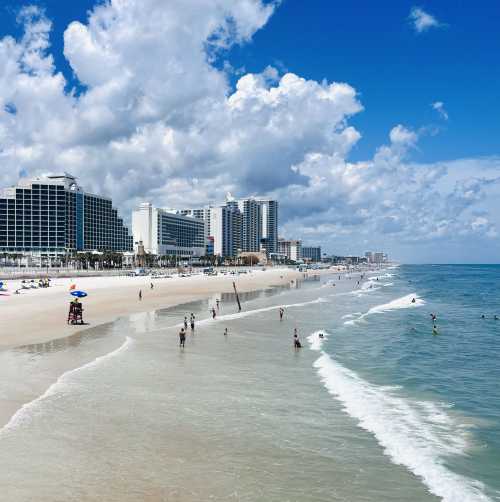
This guide delves into the climatic nuances of this beloved Florida destination, helping you pack appropriately and plan your activities for optimal enjoyment. From the sweltering heat of summer to the mild whispers of winter, we’ll explore what makes Daytona Beach’s weather unique and how it influences the array of experiences available to visitors.
Understanding Daytona Beach’s Climate
Daytona Beach, like much of central Florida, experiences a humid subtropical climate. This means long, hot, and humid summers, and short, mild winters. The Atlantic Ocean exerts a significant influence on the region, moderating temperatures to some extent, but the high humidity can make even moderate temperatures feel warmer.
The average annual temperature hovers around a comfortable 70°F (21°C). However, this average masks the distinct variations experienced throughout the year. Understanding these seasonal shifts is key to maximizing your enjoyment of Daytona Beach’s attractions.
Seasonal Temperature Breakdowns
To truly grasp what the temperature in Daytona Beach, Florida, will feel like during your visit, let’s break it down by season. This will allow for more targeted planning, whether you’re seeking the peak of summer fun or a tranquil escape in the cooler months.
Summer: The Heat is On
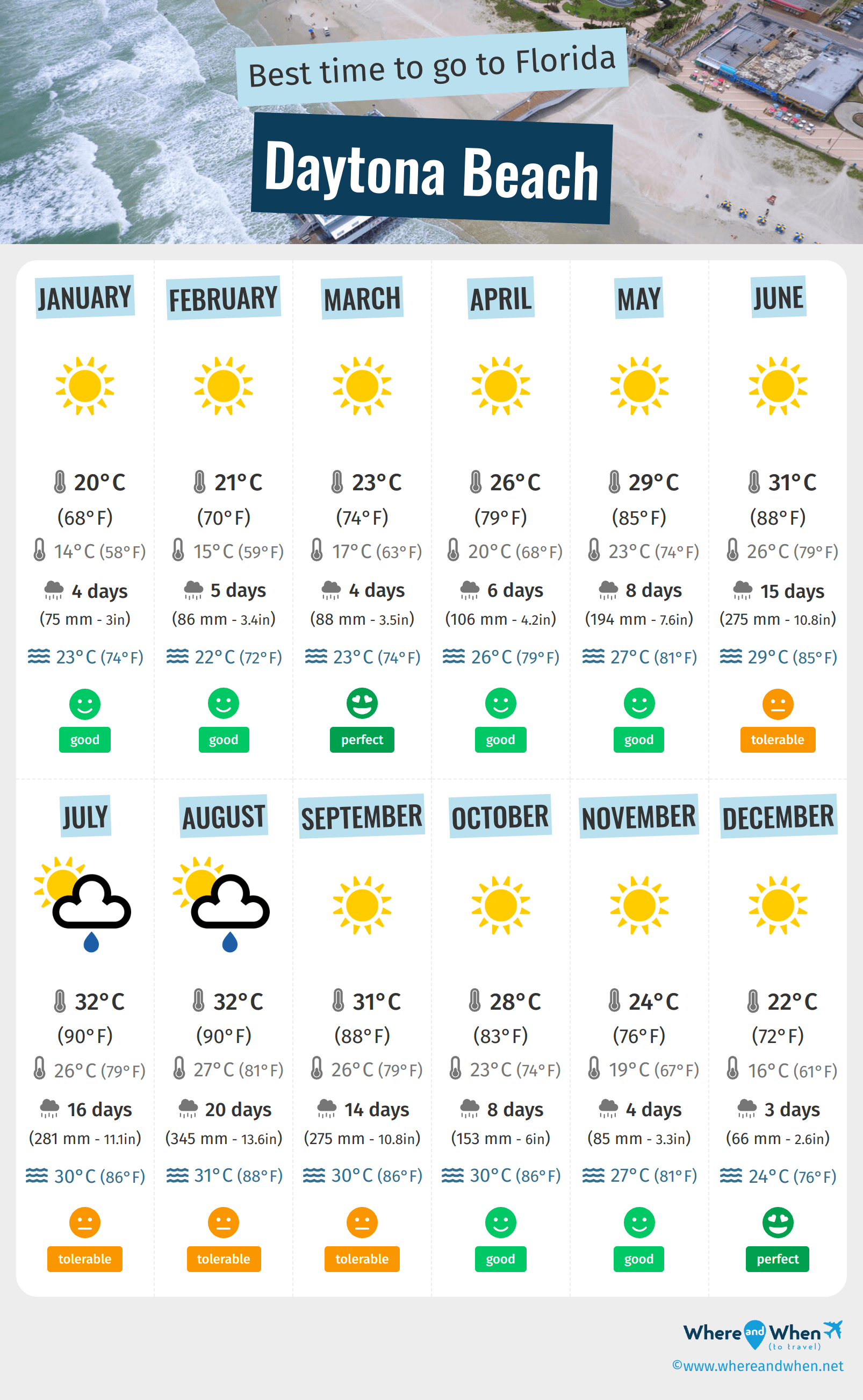
From June through August, Daytona Beach lives up to its reputation as a summer hotspot. Expect high temperatures to consistently reach the high 80s and low 90s Fahrenheit (around 31-33°C). The humidity is at its peak during these months, often pushing the “feels like” temperature even higher. Afternoon thunderstorms are a common occurrence, providing a brief respite from the heat and humidity. These storms are usually short-lived but can be intense, so it’s wise to have indoor activities or covered areas as a backup plan.
Despite the heat, summer is a popular time for many to visit, drawn by the allure of the beaches and the vibrant energy of the city. It’s the perfect season for water sports, lounging on the sand, and enjoying the lively nightlife. Remember to stay hydrated, wear light clothing, and use plenty of sunscreen.
Autumn: A Golden Transition
September through November marks a pleasant transition in Daytona Beach. While still warm, the oppressive humidity of summer begins to recede, making the temperatures more manageable. September can still feel quite warm, with average highs in the upper 80s F (around 31°C), but by October and November, temperatures begin to cool into the comfortable low to mid-70s F (21-24°C). This is often considered one of the best times to visit, offering pleasant weather for exploring the city’s attractions and enjoying outdoor activities without the intense summer heat.
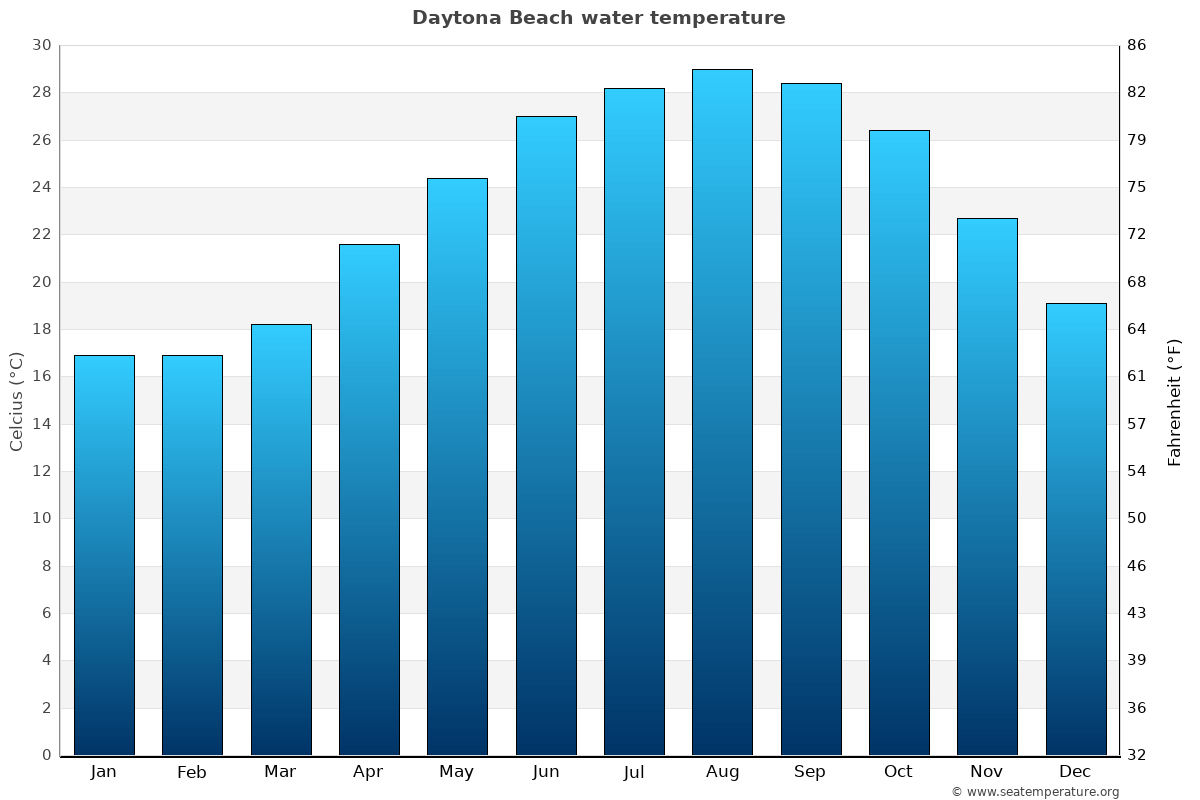
The skies are typically clearer during the fall, and the ocean water remains warm enough for swimming well into October. It’s an ideal period for those who want to experience the beach life without the peak summer crowds and heat.
Winter: Mild and Inviting
The winter months in Daytona Beach, from December through February, are remarkably mild. Average high temperatures typically range from the mid-60s to low 70s F (18-22°C). While you might experience occasional cooler days, especially in January, freezing temperatures are extremely rare. The humidity is significantly lower, making the air feel crisp and refreshing.
This season is perfect for those seeking a break from colder climates. It’s ideal for enjoying long walks on the beach, exploring Daytona International Speedway without the summer rush, or visiting nearby attractions like Daytona Lagoon. Many snowbirds flock to Florida during these months to escape the harsh winters of the northern states, and Daytona Beach is a popular choice for its affordability and pleasant climate.
Spring: Blooming Beauty and Pleasant Breezes
March through May ushers in spring, a season of beautiful blooming flora and increasingly pleasant temperatures. The weather starts to warm up from the mild winter, with average highs climbing from the low 70s F (21-23°C) in March to the mid-80s F (29-31°C) by May. The humidity begins to rise again as summer approaches, but it’s generally less intense than in the summer months.
Spring break crowds can descend upon Daytona Beach in March and April, so if you prefer a quieter experience, consider visiting in late April or May. The ocean water starts to warm up nicely, making it ideal for swimming and other water activities. This is also a fantastic time to explore the natural beauty of the area, with lush greenery and blooming flowers adding to the scenic charm.
Factors Influencing Daytona Beach’s Temperature
Beyond the general seasonal patterns, several factors contribute to the specific temperature you might experience on any given day in Daytona Beach, Florida. Understanding these can help you prepare for more nuanced weather conditions.
The Gulf Stream and Ocean Breezes
The proximity of Daytona Beach to the warm waters of the Gulf Stream plays a significant role in moderating its temperatures. The ocean acts as a natural air conditioner in the summer and a heater in the winter. This means that temperatures rarely reach the extreme highs or lows found in inland locations at similar latitudes. The sea breeze, a wind that blows from the ocean towards the land, is a particularly welcome phenomenon during the hot summer months, offering a cooling effect, especially in the late afternoons and evenings.
Humidity Levels
As mentioned, humidity is a defining characteristic of Daytona Beach’s climate. High humidity levels can make warm temperatures feel much hotter and can make cooler temperatures feel more damp. When the temperature is 90°F (32°C) with 70% humidity, it can feel as though it’s over 100°F (38°C) due to the reduced ability of sweat to evaporate from the skin. Conversely, lower humidity in the winter months makes the cooler temperatures more comfortable. It’s essential to factor in humidity when considering the “feel” of the temperature in Daytona Beach.
Rainfall Patterns
While not directly impacting temperature, rainfall patterns are intrinsically linked to the weather. Daytona Beach receives a good amount of rainfall throughout the year, with the highest amounts typically occurring during the summer months. These are often in the form of afternoon thunderstorms, which can temporarily lower the temperature. However, these showers are usually brief and the heat and humidity quickly return. Knowing the likelihood of rain can help in planning activities, especially those that are entirely outdoors.
Planning Your Daytona Beach Adventure Based on Temperature
Now that you have a comprehensive understanding of the temperature in Daytona Beach, Florida, let’s explore how this knowledge can inform your travel plans and enhance your overall experience.
Ideal Times to Visit
The “best” time to visit Daytona Beach ultimately depends on your preferences.
- For beach lovers and water sports enthusiasts: The summer months (June-August) offer the warmest ocean temperatures and longest daylight hours, perfect for swimming, surfing, and sunbathing. Be prepared for heat and humidity, and plan for afternoon thunderstorms.
- For a comfortable exploration experience: The shoulder seasons of spring (late April-May) and fall (September-November) provide a fantastic balance. You’ll enjoy pleasant temperatures, lower humidity, and fewer crowds than during peak summer or spring break. This is ideal for exploring Daytona Beach Boardwalk, visiting attractions like Bulow Creek State Park, or enjoying outdoor dining.
- For a budget-friendly escape or to avoid crowds: The winter months (December-February) offer mild weather and potentially lower accommodation prices. It’s perfect for those seeking a peaceful getaway and a reprieve from colder climates. Activities might lean more towards sightseeing and enjoying the coastal scenery rather than intense beach activities.
Packing Essentials Based on Temperature
Your packing list should be tailored to the season you plan to visit:
- Summer: Lightweight, breathable clothing (shorts, t-shirts, sundresses), swimwear, a wide-brimmed hat, sunglasses, high SPF sunscreen, a light rain jacket or poncho for afternoon showers, and comfortable walking shoes.
- Spring/Fall: A mix of lightweight clothing and a few warmer layers. Think shorts, t-shirts, light sweaters or long-sleeved shirts, a light jacket for cooler evenings, and comfortable walking shoes. Swimwear is still a must.
- Winter: Lightweight clothing is still appropriate for daytime, but bring a light jacket or sweater for the evenings. Comfortable walking shoes are essential for exploring.
Activities Tailored to the Weather
The temperature in Daytona Beach, Florida, directly influences the types of activities that are most enjoyable.
- Hot and Humid (Summer): Prioritize water-based activities. Spend your days at the beach, explore water parks like Daytona Lagoon, or take a dolphin-watching tour. In the late afternoons, when thunderstorms are common, consider visiting indoor attractions like the Museum of Arts & Sciences or enjoying a meal at one of Daytona Beach’s many restaurants.
- Mild and Pleasant (Spring/Fall): This is the perfect time for exploring Daytona Beach’s diverse attractions. Walk along the Daytona Beach Boardwalk, visit the Ponce Inlet Lighthouse & Museum, explore Congo River Golf, or take a scenic drive along the coast. Biking and exploring nature parks like Sugarland Hospital Trail are also excellent options.
- Cool and Crisp (Winter): Enjoy leisurely strolls along the beach, visit the Daytona International Speedway for a tour, explore the historic district, or indulge in the local culinary scene. It’s also a great time for day trips to nearby areas like St. Augustine.
By understanding and respecting the temperature in Daytona Beach, Florida, you can ensure a comfortable and memorable trip, filled with all the sunshine, excitement, and relaxation this dynamic coastal destination has to offer. Whether you’re a thrill-seeker, a family on vacation, or a solo traveler seeking a tranquil escape, Daytona Beach has an experience waiting for you, perfectly suited to its charming climate.