
Miami, Florida, affectionately known as the “Magic City,” is a captivating destination renowned for its sun-drenched beaches, vibrant nightlife, rich cultural tapestry, and unmistakable Art Deco Historic District. However, for prospective travelers, one of the most crucial pieces of information when planning a visit is understanding its climate. Unlike many parts of the United States that experience four distinct seasons with significant temperature fluctuations, Miami operates on a more nuanced climatic rhythm, primarily characterized by a warm, sunny dry season and a hot, humid wet season. The average annual temperature hovers around a balmy 77°F (25°C), but this figure masks the seasonal variations that can dramatically impact a traveler’s experience, from packing choices to activity planning and even the cost of accommodation.
Understanding Miami‘s temperature profile is key to unlocking the perfect trip, whether you’re seeking a luxurious escape at a South Beach resort, an immersive cultural journey through Little Havana, or an adventurous exploration of Everglades National Park. This guide will delve into the seasonal temperatures of Miami, offering insights into what to expect, how to plan your activities, and how to choose the ideal accommodation to match the weather, ensuring your visit is as comfortable and enjoyable as possible.
Miami’s Distinct Seasons: A Climatic Overview
Miami’s climate is classified as tropical monsoon, meaning it experiences pronounced wet and dry seasons rather than the traditional spring, summer, autumn, and winter. While the sun is almost a constant companion, the differences in temperature, humidity, and rainfall throughout the year significantly shape the city’s character and offerings.
The Warm Embrace of Winter (December – February)
Miami’s winter is legendary – a sublime escape from the harsh cold that grips much of North America. From December to February, the city enjoys its dry season, characterized by low humidity, abundant sunshine, and comfortably warm temperatures.
- Average Highs: 75-78°F (24-26°C)
- Average Lows: 60-64°F (16-18°C)
- Rainfall: Minimal, with clear skies dominating.
This period is considered Miami’s peak tourist season for good reason. The weather is ideal for almost any outdoor activity, from lounging on the pristine sands of Miami Beach to exploring the intricate architecture of the Art Deco Historic District without breaking a sweat. Evenings are pleasantly cool, perfect for al fresco dining in Coconut Grove or enjoying the vibrant nightlife of South Beach. The low humidity makes the temperatures feel even more pleasant, offering a refreshing reprieve.

Spring’s Gentle Transition (March – May)
As winter gently recedes, Miami transitions into a beautiful spring period from March to May. This shoulder season maintains much of the pleasantness of winter but with a gradual increase in both temperature and humidity as the city approaches its warmer months.
- Average Highs: 79-84°F (26-29°C)
- Average Lows: 66-72°F (19-22°C)
- Rainfall: Still relatively low, though afternoon showers become more frequent towards late May.
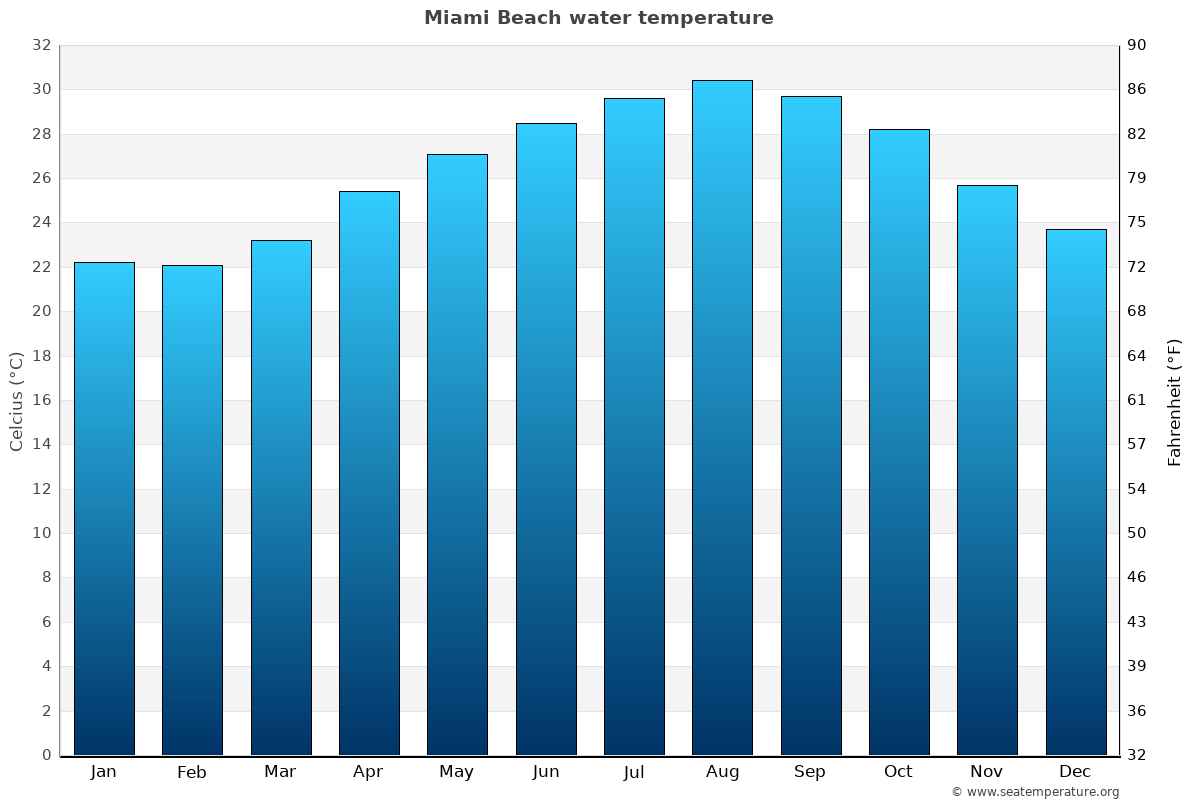
Spring is an excellent time for those who enjoy warm weather but wish to avoid the peak crowds and prices of winter. The ocean temperatures become even more inviting, making it perfect for swimming, snorkeling, and other water sports. Festivals and outdoor events are common, taking advantage of the favorable conditions before the full onset of summer heat and humidity.
The Sizzling Summer Heat (June – August)
June to August marks Miami’s hot and humid wet season, also known as hurricane season. This period is characterized by consistently high temperatures, high humidity, and frequent afternoon thunderstorms.
- Average Highs: 88-90°F (31-32°C)
- Average Lows: 75-77°F (24-25°C)
- Rainfall: High, with daily afternoon thunderstorms that are typically brief but intense.
While the temperatures are undeniably high, Miami offers plenty of ways to beat the heat. Air-conditioned indoor attractions, such as the Pérez Art Museum Miami (PAMM) or the Phillip and Patricia Frost Museum of Science, become popular havens. Water-centric activities, from refreshing dips in hotel pools to jet-skiing in Biscayne Bay, are also prevalent. Despite the humidity and rain, summer can be a great time for budget travelers, as accommodation prices are often lower, and there are fewer crowds.
Autumn’s Retreat (September – November)
Autumn in Miami acts as another transition period, moving from the intense summer heat back towards the comfortable conditions of winter. September is often still very warm and humid, carrying over from summer, but by October and November, there’s a noticeable drop in both temperature and humidity.
- Average Highs: 82-87°F (28-31°C) in early fall, dropping to 78-80°F (25-27°C) by late November.
- Average Lows: 70-74°F (21-23°C) in early fall, dropping to 65-68°F (18-20°C) by late November.
- Rainfall: Decreases significantly through October and November, though September can still see heavy rain.
This season, particularly late October and November, is another excellent time to visit. The air becomes crisper, humidity lessens, and the threat of hurricanes diminishes as the season progresses. It’s a fantastic window for travelers seeking pleasant weather without the peak season crowds of winter. Outdoor dining, beach strolls, and exploring neighborhoods like Wynwood become thoroughly enjoyable again.
Planning Your Perfect Miami Getaway: Activities & Experiences by Temperature
Miami’s diverse climate dictates different approaches to experiencing the city’s myriad attractions. Tailoring your itinerary to the prevailing temperatures can significantly enhance your travel experience.
Winter Wonders: Embracing Miami’s Peak Season
With nearly perfect weather, Miami in winter is an outdoor enthusiast’s dream. Days are sunny, dry, and comfortably warm, making it ideal for:
- Beach relaxation: Spend full days on South Beach, Lummus Park Beach, or the quieter shores of Key Biscayne at Bill Baggs Cape Florida State Park.
- Outdoor exploration: Take guided walking tours of the Art Deco Historic District, wander through the lush grounds of Vizcaya Museum & Gardens, or discover the vibrant street art of Wynwood Walls.
- Nature excursions: Everglades National Park is particularly pleasant for airboat rides and wildlife spotting without the oppressive summer heat. Similarly, kayaking or paddleboarding in Biscayne National Park is an invigorating experience.
- Festivals and events: Miami hosts numerous outdoor festivals, concerts, and art fairs during these months, taking full advantage of the idyllic weather.
Spring into Action: Exploring Miami’s Outdoors
Spring offers a sweet spot where temperatures are warm but not yet scorching, and humidity is manageable. It’s a fantastic time for:
- Water sports: With ocean temperatures rising, snorkeling, scuba diving, and parasailing become even more appealing. Many resorts offer excellent facilities for these activities right on the beach.
- Boat tours: Explore Miami from the water on a sightseeing cruise around Biscayne Bay or a thrilling speedboat adventure.
- Golf and tennis: The conditions are superb for a round of golf at one of Miami’s championship courses or a game of tennis at facilities like the Crandon Park Tennis Center.
- Strolling through gardens: Fairchild Tropical Botanic Garden is particularly beautiful in spring, with many plants in bloom.
Summer Escapes: Beating the Heat in Style
While summer brings heat and humidity, it also brings a vibrant energy and unique ways to enjoy Miami.
- Indoor cultural attractions: Dive into the air-conditioned comfort of museums like PAMM, the Frost Science Museum, or the Rubell Museum for contemporary art.
- Poolside lounging and spa days: Many Miami hotels and resorts boast incredible pools and world-class spa facilities, offering luxurious ways to relax and cool off. Look for resorts that offer lazy rivers, multiple pools, and excellent poolside service.
- Early morning or late afternoon beach visits: Beat the midday sun by heading to the beach early in the morning or later in the afternoon. The ocean is wonderfully warm, perfect for a refreshing swim.
- Dining and nightlife: Miami’s restaurant scene thrives year-round, and its legendary nightlife truly heats up in the summer, with many venues offering indoor comfort. Enjoy authentic Cuban cuisine in Little Havana or fresh seafood in Brickell.
Fall Flavors: A Quieter Time to Discover
Late autumn, especially November, provides a welcome respite with diminishing heat and humidity, making it excellent for:
- Outdoor dining and exploration: As temperatures drop, enjoying a meal outdoors or exploring neighborhoods like Coral Gables and Coconut Grove becomes highly pleasant.
- Pre-holiday shopping: Take advantage of the pleasant weather for some retail therapy at destinations like Lincoln Road Mall or Bal Harbour Shops.
- Fishing and boating: The fishing conditions are often excellent in the fall as temperatures stabilize, and the waters of the Atlantic Ocean and Biscayne Bay are inviting.
Accommodation & Lifestyle: Matching Your Stay to Miami’s Climate
The choice of accommodation and how you pack for Miami are heavily influenced by the temperature and season.
Choosing Your Miami Abode: From South Beach Resorts to Coral Gables Comfort
Miami’s diverse range of accommodation caters to every budget and preference, but certain amenities become more crucial depending on the season.
- Winter (Peak Season): This is when demand is highest for luxury resorts and boutique hotels, particularly in areas like South Beach, Brickell, and Sunny Isles Beach. Booking well in advance is essential. Look for properties with heated pools (though rarely needed), excellent dining options, and prime beach access. Hotels like The Setai Miami Beach or the Fontainebleau Miami Beach offer unparalleled luxury.
- Spring/Fall (Shoulder Seasons): These periods offer a great balance. You can often find better deals on high-end hotels and resorts, and availability is more flexible. Consider resorts in Key Biscayne or family-friendly options further north towards Fort Lauderdale. Apartments and villas are also a popular choice for longer stays.
- Summer (Off-Peak Season): With the heat and humidity, air conditioning becomes a non-negotiable amenity. Many hotels offer significant discounts, making luxury travel more accessible. Look for hotels with fantastic pool areas, often with shaded cabanas, and indoor entertainment options. Serviced apartments can be a good choice for those seeking more space and a kitchen for preparing light meals. Places like the Four Seasons Hotel Miami or Mandarin Oriental, Miami often provide superb indoor comfort and amenities.
For all seasons, check reviews regarding AC effectiveness and pool facilities. If you’re planning a long-term stay, consider the utility costs for running AC, especially in summer.
Packing Smart: Essentials for Every Miami Season
Regardless of when you visit, light, breathable clothing is a must.
- Winter: While days are warm, evenings can be cool. Pack light layers: shorts, t-shirts, dresses, swimsuits, but also a light jacket, cardigan, or sweater for the evenings, especially if dining outdoors or on a boat trip. Comfortable walking shoes are essential for exploring.
- Spring/Fall: Similar to winter but with less need for evening layers, though a light cover-up is still wise. Focus on quick-drying fabrics if you plan on frequent water activities. A light rain jacket or umbrella might be useful for occasional showers.
- Summer: Prioritize lightweight, loose-fitting clothing made from natural fibers like cotton or linen. Swimsuits are essential, as are wide-brimmed hats and sunglasses. Due to the frequent afternoon showers, a small, compact umbrella is highly recommended. Sandals and water-friendly shoes are practical. High SPF sunscreen is crucial year-round, but especially in summer.
Always pack proper sun protection, including sunscreen, hats, and sunglasses, as the Florida sun is powerful even on cooler days. Hydration is also key, so consider bringing a reusable water bottle.

Beyond the Thermometer: Humidity, Hurricanes, and How to Prepare
While temperature is a primary factor, Miami’s climate story isn’t complete without considering humidity and the possibility of hurricanes.
Understanding Miami’s Humidity
Humidity is a constant companion in Miami, especially during the wet season. While temperatures might be high, high humidity can make them feel even hotter and more uncomfortable. The dew point is often a better indicator of comfort than just the air temperature. In summer, the dew point regularly sits in the 70s°F (21-26°C), indicating very muggy conditions.
- Impact on activities: High humidity can make strenuous outdoor activities feel more taxing. Plan these for early mornings or late evenings in summer, or opt for air-conditioned indoor pursuits.
- Hair and skin: Be prepared for frizzy hair and a constant sheen. Lightweight, oil-free moisturizers and humidity-resistant hair products can be helpful.
Navigating Hurricane Season: Preparedness and Peace of Mind
Miami is located in a hurricane-prone region, with the official hurricane season running from June 1st to November 30th. Peak activity typically occurs from mid-August through October.
- What to expect: While direct hits are rare, tropical storms and hurricanes can bring heavy rainfall, strong winds, and potential travel disruptions (flight delays/cancellations, resort closures).
- Travel insurance: It is highly advisable to purchase comprehensive travel insurance if you’re traveling during hurricane season. This can cover unexpected cancellations, medical emergencies, or changes in itinerary.
- Stay informed: If traveling during this period, monitor weather forecasts from reliable sources like the National Hurricane Center and check with your airline and accommodation provider for updates.
- Flexibility: Be prepared to be flexible with your plans, as severe weather might necessitate changes or even early departures.
Despite the occasional storm, millions visit Miami safely during hurricane season. Hotels and local authorities are well-prepared, and most storms give ample warning.
In conclusion, while Miami offers a consistently warm climate, a deeper understanding of its seasonal temperatures, humidity levels, and the potential for tropical weather events empowers travelers to plan a truly unforgettable experience. From the sublime winter highs perfect for beach days to the vibrant summer scene best enjoyed from a cool resort, Miami’s allure is evergreen, no matter what the thermometer says. By matching your expectations and preparations to the season, you’re guaranteed to fall under the spell of this dynamic Florida jewel.