
New Orleans, the vibrant heart of Louisiana, is a city defined by its rich history, unique culture, unparalleled music scene, and, undeniably, its distinct climate. For any traveler planning a trip to the Crescent City, understanding the temperature and weather patterns is not merely a matter of curiosity but a crucial component of trip planning. From packing the right attire to choosing the best time for your adventures and selecting the ideal accommodation, the mercury in New Orleans dictates much of the visitor experience.
Nestled along the Mississippi River and close to the Gulf of Mexico, New Orleans enjoys a humid subtropical climate. This means hot, humid summers and mild winters, with pleasant springs and autumns in between. This unique weather profile shapes everything from the city’s architecture with its iconic courtyards and balconies, designed for air circulation, to its laid-back lifestyle and a culinary tradition that embraces refreshing sno-balls and icy cocktails alongside its famed Gumbo. As a premier destination for travel, New Orleans offers a diverse range of attractions and experiences that shift subtly with the seasons, making climate awareness essential for maximizing your enjoyment.
A Seasonal Dive into New Orleans Weather
The subtropical climate of New Orleans ensures that there’s always something to appreciate, but each season brings its own set of considerations for visitors eager to explore its landmarks, indulge in local food, and immerse themselves in the city’s local culture.
Embracing the Heat: Summer in the Crescent City
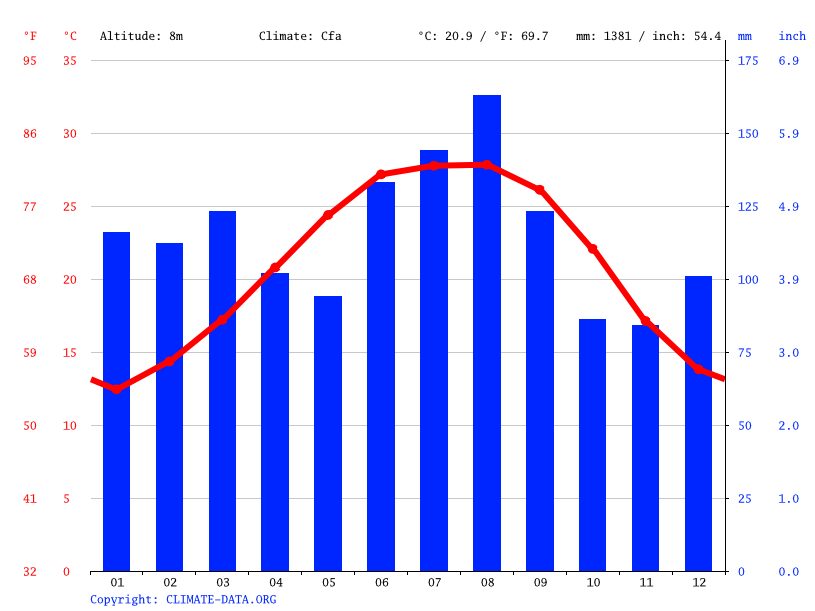
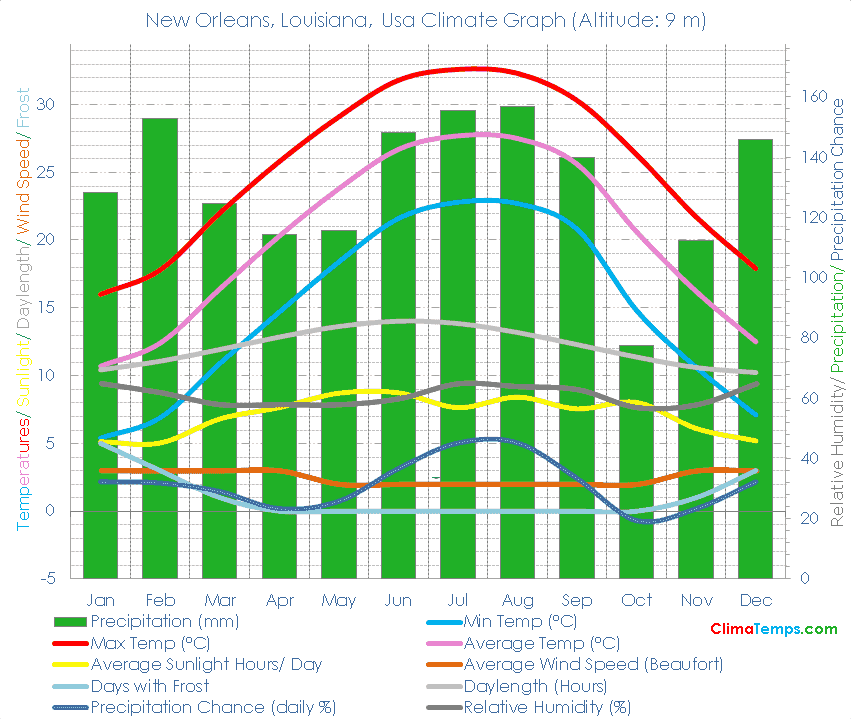
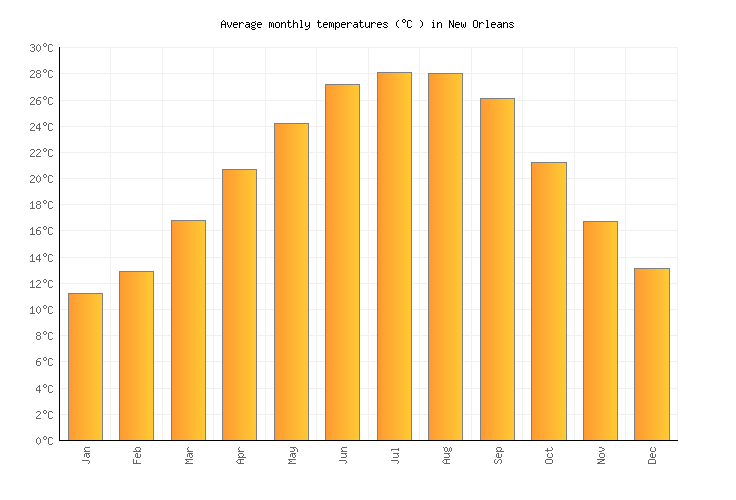
Summer in New Orleans, typically from June through September, is characterized by high temperatures and even higher humidity. Daily averages hover in the upper 80s to low 90s Fahrenheit (around 30-33°C), but with the humidity, the “real feel” can often push into the triple digits. Nights offer little relief, often remaining sticky in the upper 70s F (25-27°C). Thunderstorms are common, usually brief but intense downpours that provide temporary cooling before the sun reappears.
Despite the heat, summer can be an exciting time for certain aspects of tourism. Indoor attractions like the National WWII Museum, the Audubon Aquarium of the Americas, and the Ogden Museum of Southern Art become popular havens. Many hotels and resorts, such as The Roosevelt New Orleans, A Waldorf Astoria Hotel or the Omni Royal Orleans, boast magnificent swimming pools – a true luxury for families and those seeking respite from the sun. Budget travel can also be more accessible during these months, as some accommodation rates dip slightly. However, for those planning family trips with extensive outdoor exploration, the intense heat requires careful planning to avoid fatigue.
The Golden Months: Fall’s Mild Charm
October and November bring a much-welcomed change, marking one of the most pleasant times to visit. Temperatures average a comfortable 70-80°F (21-27°C) during the day and cool down to the 50s and 60s F (10-18°C) at night, with significantly less humidity. This is prime festival season, with events like the Voodoo Music + Arts Experience drawing crowds eager to enjoy outdoor music without sweltering.
The crisp air and clear skies make exploring the French Quarter, strolling through the Garden District‘s historic mansions, or taking a scenic ride on the St. Charles Streetcar particularly enjoyable. This period is also perfect for bayou tours or walking tours, offering an intimate look at the city’s unique ecosystem and architecture. For lifestyle travelers seeking a blend of comfort and vibrant activity, fall is truly golden. Booking accommodation in advance is highly recommended due to high demand.
A Mild Winter Escape
December through February offers a mild escape for those looking to avoid harsh northern winters. Daytime temperatures typically range from the low 60s F (15-18°C) to the low 70s F (21-23°C), with nights cooling to the 40s F (4-9°C). While occasional cold snaps can bring temperatures below freezing, they are generally short-lived. Rainfall is moderate, and snow is an extremely rare event, often causing city-wide excitement when it occurs.
Winter is arguably the best time for cultural immersion and experiencing the famous Mardi Gras season, which typically culminates in February or early March. Walking tours are comfortable, outdoor dining is delightful, and evenings spent enjoying live jazz on Frenchmen Street or a quiet drink in a historic bar like the Carousel Bar at the Hotel Monteleone are quintessential New Orleans experiences. This season is ideal for visitors seeking a pleasant climate for extended long-term stays or those planning a sophisticated luxury travel experience, enjoying amenities at hotels like The Ritz-Carlton, New Orleans without the summer crowds.
Spring’s Vibrant Bloom: Festivals and Pleasantries
March to May ushers in another peak season, with wonderfully pleasant temperatures mirroring those of autumn. Daily averages are in the 70s and 80s F (21-27°C), with comfortable nights in the 50s and 60s F (10-18°C). Humidity begins to rise as summer approaches but remains manageable.
Spring is synonymous with festivals, most notably the world-renowned New Orleans Jazz & Heritage Festival, which draws visitors from across the globe. The city’s gardens, like those in Audubon Park or City Park, are in full bloom, making outdoor activities, picnics, and leisurely strolls exceptionally appealing. For those prioritizing outdoor music, vibrant street scenes, and a dynamic atmosphere, spring is unmatched. Given its popularity, early booking for flights and accommodations is essential, especially if you’re eyeing a suite or a resort with specific amenities.
Temperature’s Influence on Your New Orleans Itinerary
Understanding the temperature in New Orleans goes far beyond simply knowing what to wear; it profoundly impacts every aspect of your travel itinerary, from the activities you plan to the restaurants you choose and even your preferred style of accommodation.
Planning Your Activities: Indoor vs. Outdoor Adventures
The climate dictates whether you’ll spend your days exploring historic streets or seeking air-conditioned comfort. In the scorching summer, tourism shifts indoors. This is the ideal time to delve into the many museums, art galleries in the Warehouse Arts District, or enjoy live music performances in cooler venues. Riverboat cruises on the Mississippi River offer a breeze, while ghost tours are often more atmospheric at night when temperatures are slightly lower. Conversely, the mild temperatures of fall, winter, and spring open up a world of outdoor possibilities. Walking tours of the French Quarter and Garden District, carriage rides around Jackson Square, swamp tours, and leisurely afternoons in Audubon Park become immensely enjoyable. Festival-goers especially benefit from the pleasant spring and fall weather, as events like the New Orleans Jazz & Heritage Festival or the French Quarter Festival are predominantly outdoor experiences.
Culinary Delights and Climate Considerations
New Orleans’ legendary food scene is also influenced by the weather. In summer, refreshing dishes and drinks become paramount. Think light seafood, cool salads, and plenty of iced tea or frozen daiquiris. A visit to Café Du Monde for iced coffee and beignets is perfect for a warm morning. Many restaurants offer shaded courtyards or air-conditioned interiors for a comfortable dining experience. During cooler months, heartier Creole and Cajun classics like Gumbo, Jambalaya, and Étouffée take center stage, often enjoyed at establishments with cozy indoor seating or outdoor patios with heaters. Fine dining establishments such as Commander’s Palace offer a refined atmosphere regardless of the season, but the surrounding Garden District strolls are far more pleasant in cooler weather.
Navigating Accommodation Choices
When considering accommodation in New Orleans, especially for long-term stays or family trips, the climate should be a top priority. Air conditioning is non-negotiable during the summer months; ensure your chosen hotel, apartment, or villa provides robust cooling. Many resorts and high-end hotels like the Hyatt Centric French Quarter New Orleans or Ace Hotel New Orleans offer rooftop pools or lush courtyard pools, which are essential amenities for summer visitors.
In contrast, during winter, while heating is typically standard, some older guesthouses might rely on less efficient systems. For those seeking a truly luxurious lifestyle experience, selecting suites with fireplaces or heated outdoor spaces can add to the ambiance. Booking platforms offering reviews and comparison tools can help discern which properties best cater to seasonal comfort needs. Whether you’re considering a boutique hotel in Faubourg Marigny or a major chain in the Central Business District, verifying climate control features is a smart move.
Practical Tips for Comfort in Any New Orleans Weather
Regardless of when you decide to visit New Orleans, a few practical tips can significantly enhance your comfort and overall experience, allowing you to fully embrace the city’s unique charm without being hampered by the elements.
Smart Packing for the Subtropical Climate
Packing smart is key for a comfortable trip. In summer, light, breathable fabrics like cotton and linen are your best friends. Loose-fitting clothing in light colors will help reflect sunlight and keep you cooler. Don’t forget a wide-brimmed hat, sunglasses, and plenty of high-SPF sunscreen, especially if you plan to visit outdoor landmarks like Jackson Square or enjoy open-air activities in City Park. A small, foldable umbrella is useful for both sun protection and unexpected summer showers. Comfortable walking shoes are a must year-round, as you’ll likely be exploring a lot on foot, traversing the uneven cobblestones of the French Quarter or the extensive paths of Audubon Park.
For cooler months, layering is the most effective strategy. While days can be pleasantly warm, evenings often require a light jacket or sweater, especially if you’re out listening to music on Frenchmen Street or enjoying a moonlit stroll. A waterproof outer layer is always a good idea, as occasional rain can occur in any season. Travelers pursuing a business stay should also consider climate control in their wardrobe choices, ensuring professional attire is suitable for both air-conditioned venues and outdoor commutes.
Staying Hydrated and Cool
Hydration is paramount in New Orleans, particularly from late spring through early fall. Carry a reusable water bottle and refill it frequently. Many establishments are happy to provide water. Take advantage of cooling breaks in air-conditioned shops, museums, and restaurants. Sno-balls (not to be confused with snow cones) are a local institution and an excellent way to cool down. They are available at numerous stands throughout the city and offer a delicious, refreshing treat. Consider planning your most strenuous outdoor activities for the early morning or late afternoon during the warmer months, avoiding the peak heat of midday. Many travel guides emphasize this crucial point for a more enjoyable experience.
Making the Most of Unexpected Weather
New Orleans weather can be unpredictable. A sudden downpour in summer or an unseasonable chill in spring is not uncommon. Having a flexible itinerary allows you to adapt. If rain unexpectedly hits during an outdoor plan, pivot to an indoor attraction like the Preservation Hall for an authentic jazz performance or explore the unique shops along Magazine Street. Many hotels offer great lobby spaces or bars for relaxing while waiting for the weather to pass. Utilizing travel tips from locals or online resources can help you identify excellent alternative activities to fill any sudden changes in your schedule.
When to Visit: Matching Your Comfort to the Calendar
Choosing the “best” time to visit New Orleans ultimately depends on your personal preferences for temperature, crowd levels, and desired experiences.
- For Mild Weather and Festivals: Spring (March to May) and Fall (October to November) are widely considered the ideal times. The weather is fantastic for exploring, and the city comes alive with festivals. Be prepared for higher prices and larger crowds, especially around major events like Jazz Fest. This is a prime season for tourism and often warrants early booking for any hotels, suites, or resorts with preferred amenities.
- For a Cooler, Cultural Deep Dive: Winter (December to February) offers pleasantly cool temperatures, fewer tourists (outside of Mardi Gras and holiday periods), and a charming ambiance. This is an excellent time for budget travel if avoiding the major festivals, and perfect for a cozy lifestyle experience.
- For Budget-Friendly Travel and Quieter Exploration (if you can handle heat): Summer (June to September) sees the fewest crowds and often the lowest accommodation prices. If you’re heat-tolerant, plan your activities around indoor attractions and pool time, and you can still have a wonderful, less crowded experience. This season is also popular for specific cultural events like the Essence Festival, which attract large numbers but are largely indoors.
Your Perfect New Orleans Climate Awaits
The temperature in New Orleans is more than just a number; it’s an integral part of the city’s identity and rhythm. By understanding its seasonal variations and planning accordingly, you can craft a travel itinerary that perfectly aligns with your comfort levels and desired experiences. Whether you dream of vibrant spring festivals, serene winter strolls, or lively summer nights cooled by a refreshing breeze, New Orleans offers a unique charm in every climate. Prepare thoughtfully, embrace the local atmosphere, and get ready to discover why the Crescent City remains one of the world’s most captivating destinations.
LifeOutOfTheBox is a participant in the Amazon Services LLC Associates Program, an affiliate advertising program designed to provide a means for sites to earn advertising fees by advertising and linking to Amazon.com. Amazon, the Amazon logo, AmazonSupply, and the AmazonSupply logo are trademarks of Amazon.com, Inc. or its affiliates. As an Amazon Associate we earn affiliate commissions from qualifying purchases.