
Understanding the prevailing temperature in Oklahoma City is fundamental for anyone planning a visit, whether for leisure, business, or simply to experience the vibrant culture of this Midwestern hub. The weather in Oklahoma City is characterized by its significant seasonal variations, a hallmark of its continental climate. This means visitors can expect distinct experiences throughout the year, from the warmth of summer to the crispness of winter. Being prepared for these temperature fluctuations will undoubtedly enhance any trip, allowing for better planning of activities and appropriate attire.
Understanding Oklahoma City’s Climate Patterns
Oklahoma City experiences a humid subtropical climate, influenced by its inland location and proximity to various air masses. This results in a wide range of temperatures and precipitation patterns across the seasons. The city is located in what is often referred to as “Tornado Alley,” which, while a significant meteorological phenomenon, doesn’t exclusively dictate the daily temperatures but does contribute to the dynamic weather systems that can pass through. Understanding these general patterns is the first step to comprehending the day-to-day temperatures.
Seasonal Temperature Overview
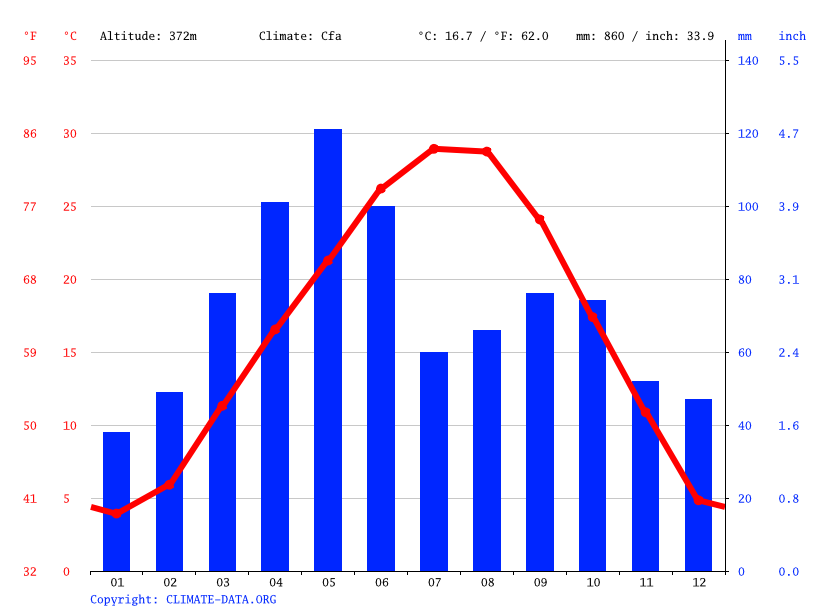
The annual temperature cycle in Oklahoma City is pronounced. Summers are typically hot and humid, with average high temperatures frequently exceeding 90°F (32°C) and sometimes reaching well into the 100s°F (38°C+). Nights offer some relief, but humidity can keep the feeling of warmth lingering. Spring and autumn are generally the most pleasant seasons, offering mild temperatures ideal for outdoor exploration. Spring can see a range of temperatures, from cool mornings to warm afternoons, with the potential for sudden shifts. Autumn is known for its crisp air and vibrant foliage, with average highs in the 60s and 70s°F (15-25°C). Winters, while not as severe as in some northern states, can still bring cold temperatures, with average highs in the 40s°F (4-9°C) and occasional dips below freezing, accompanied by a chance of snow or ice.
Factors Influencing Daily Temperatures
Several meteorological factors contribute to the daily temperature variations in Oklahoma City. The movement of air masses from the Gulf of Mexico brings warm, moist air, especially during the summer months, leading to higher temperatures and humidity. Conversely, cold fronts originating from Canada can bring sharp drops in temperature, particularly in winter. The presence of high-pressure systems tends to bring stable, often warmer weather, while low-pressure systems can introduce more dynamic and potentially volatile weather, including thunderstorms and temperature swings. The city’s elevation also plays a minor role in moderating temperatures compared to lower-lying regions.
Current Temperature and Immediate Forecast
For travelers, knowing the current temperature in Oklahoma City is paramount for immediate planning. This information is readily available through various weather services and is crucial for packing and deciding on immediate activities. The immediate forecast will provide insights into temperature trends for the next few days, allowing for more informed decisions regarding sightseeing, dining, and any outdoor pursuits.
Real-Time Temperature Readings
Accessing real-time temperature data for Oklahoma City is straightforward. Most smartphones and computers can provide this information with a simple search. These readings typically include the current temperature, a “feels like” temperature that accounts for humidity and wind chill, and often a summary of the current weather conditions such as sunny, cloudy, or rainy. This immediate snapshot is indispensable for dressing appropriately for the day ahead.
Short-Term Weather Outlook
Beyond the current moment, the short-term weather outlook—typically for the next 24 to 72 hours—is of significant interest to visitors. This forecast will detail expected high and low temperatures, the probability of precipitation, and wind conditions. For instance, if the forecast indicates a high of 75°F (24°C) with clear skies, it signals a perfect day for exploring the Myriad Botanical Gardens or visiting the Oklahoma City National Memorial & Museum. Conversely, a forecast of rain and cooler temperatures might prompt a shift towards indoor attractions like the National Cowboy & Western Heritage Museum.

Planning Your Visit Based on Temperature
The temperature in Oklahoma City can significantly influence the types of activities best suited for your visit. By understanding the typical temperatures for each season, you can better tailor your itinerary to maximize enjoyment and comfort. This foresight is key to a successful and memorable trip, whether you’re interested in the city’s renowned cultural institutions, its burgeoning culinary scene, or its outdoor recreational opportunities.
Spring and Autumn: The Sweet Spot
For many, the ideal time to visit Oklahoma City is during the spring (March to May) and autumn (September to November) months. During these periods, average high temperatures typically range from the 60s to the 80s°F (15-29°C), with cooler evenings. This comfortable climate is perfect for engaging in a variety of outdoor activities. You can comfortably stroll through Bricktown, enjoying the canal cruises and lively atmosphere. Hiking or biking along the Oklahoma River Trails is also highly enjoyable. Furthermore, these seasons often host numerous festivals and outdoor events, taking advantage of the pleasant weather. Planning for mild layering is advisable, as spring can still bring unpredictable cool spells, while autumn evenings can become quite crisp.
Summer: Embracing the Heat
Summers in Oklahoma City (June to August) are undeniably hot, with average high temperatures often in the 90s°F (32-37°C) and frequently exceeding 100°F (38°C). Humidity can make these temperatures feel even more intense. If visiting during this time, it’s crucial to plan activities strategically. Mornings and late afternoons/evenings are often the most comfortable times for outdoor exploration. Consider visiting popular outdoor attractions like the Oklahoma City Zoo early in the day or during twilight hours. Many indoor attractions, such as the Science Museum Oklahoma or the American Pigeon Museum and Library, offer excellent respite from the heat. Staying hydrated and seeking air-conditioned environments during the peak heat of the day is essential for comfort and well-being.
Winter: Colder Days and Potential for Frost
Winter in Oklahoma City (December to February) brings colder temperatures, with average highs in the 40s°F (4-9°C). While snowfall is not a constant, occasional light snow or ice can occur, transforming the cityscape. Days might be sunny but cool, requiring warm clothing, hats, and gloves. Evenings can be quite cold, with temperatures often dropping below freezing. Indoor activities are particularly appealing during these months. Exploring the Plaza District for its unique shops and eateries, or enjoying a performance at the Civic Center Music Hall, are great ways to experience the city’s charm without enduring the chill for extended periods. If visiting during winter, checking the forecast for potential winter weather events is a good practice.
Beyond Temperature: Other Weather Considerations
While temperature is a primary concern, other weather-related factors can also impact your experience in Oklahoma City. Understanding these elements will provide a more comprehensive picture of what to expect and how to prepare.
Precipitation Patterns and Thunderstorms
Oklahoma City experiences a moderate amount of precipitation throughout the year, with higher amounts typically seen in the spring and early summer. Spring, in particular, is known for its thunderstorms, which can be quite intense and are a characteristic of the region. While these storms can be exciting to witness from a safe location, they can also cause disruptions to outdoor plans. Visitors should always be aware of weather alerts and heed any safety advisories. The rain can bring a welcome respite from heat or a refreshing change to the landscape.

Wind Conditions
Oklahoma City is known for its wind. While not always a deterrent, significant wind can affect outdoor activities and the perceived temperature. On a cool day, wind can make it feel considerably colder, while on a hot day, a breeze can offer some relief. When planning outdoor excursions, especially those involving open areas or water, checking wind forecasts can be beneficial for comfort and safety. Wind can also play a role in how outdoor events are managed, so it’s always wise to stay informed about any event-specific advisories.
LifeOutOfTheBox is a participant in the Amazon Services LLC Associates Program, an affiliate advertising program designed to provide a means for sites to earn advertising fees by advertising and linking to Amazon.com. Amazon, the Amazon logo, AmazonSupply, and the AmazonSupply logo are trademarks of Amazon.com, Inc. or its affiliates. As an Amazon Associate we earn affiliate commissions from qualifying purchases.