
The allure of Puerto Rico is undeniable. This vibrant Caribbean gem beckons with its sun-drenched beaches, lush rainforests, and a rich tapestry of history and culture. When planning a visit to this captivating island, understanding its climate is paramount to ensuring a comfortable and enjoyable experience. The question, “What is the temperature in Puerto Rico?” is a fundamental one for any traveler, and the answer lies in its consistently warm, tropical embrace.
Puerto Rico enjoys a tropical marine climate, characterized by warm temperatures year-round and a distinct wet and dry season. This means that regardless of when you choose to visit, you can generally expect pleasant warmth, perfect for exploring its diverse landscapes and indulging in its numerous attractions. The island’s location in the Caribbean Sea, away from major continental landmasses, significantly moderates its temperature, preventing extreme fluctuations.
Understanding Puerto Rico’s Tropical Climate
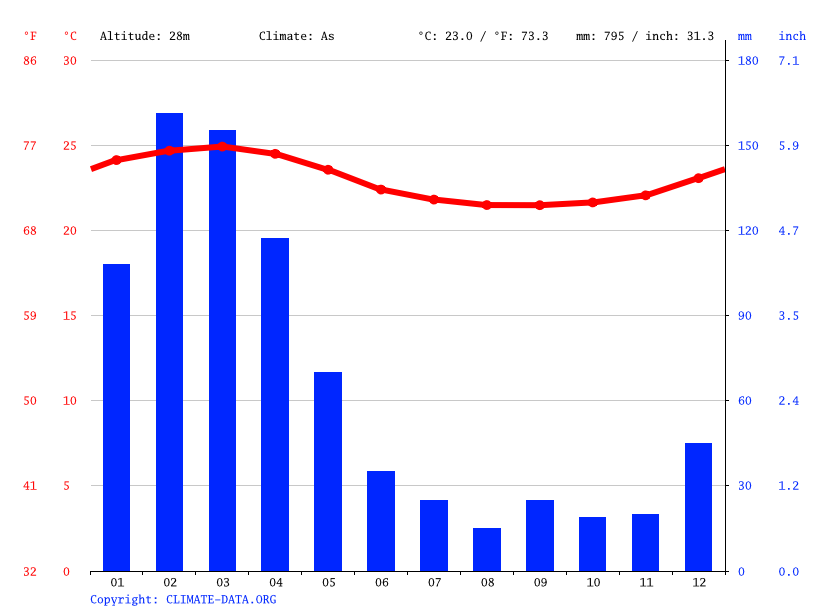
The consistent warmth is a defining feature of Puerto Rico. Average daily temperatures hover around 80°F (27°C) throughout the year. This delightful climate is influenced by several factors, including its proximity to the equator and the prevailing trade winds that sweep across the island, offering a refreshing breeze that helps to temper the humidity.
Seasonal Variations: More Than Just Temperature
While the temperature in Puerto Rico remains relatively stable, there are subtle shifts throughout the year that can influence your travel plans. These variations are more pronounced in terms of rainfall than drastic temperature changes.
The Dry Season (Mid-December to Mid-April)
This period is often considered the most popular time to visit Puerto Rico, and for good reason. The dry season boasts lower humidity and minimal rainfall, making it ideal for outdoor activities. Expect average daily temperatures to range from the mid-70s to the mid-80s Fahrenheit (around 24-29°C). Evenings can be slightly cooler, offering a comfortable respite from the daytime sun. This is the perfect time to explore the historic streets of Old San Juan, relax on the pristine beaches of Flamenco Beach on Culebra, or hike through the El Yunque National Forest. The clear skies and gentle breezes create an inviting atmosphere for sightseeing and beachgoing.
The Wet Season (May to November)
The wet season, while characterized by increased rainfall, does not necessarily mean continuous downpours. Instead, Puerto Rico experiences short, intense showers, often in the afternoon, followed by sunshine. These showers are crucial for sustaining the island’s lush vegetation and vibrant ecosystems. Temperatures during this period remain warm, typically in the mid-80s Fahrenheit (around 29-30°C), with humidity levels slightly higher.
Despite the possibility of rain, the wet season offers its own set of advantages. You’ll often find fewer crowds and potentially lower accommodation prices at renowned establishments like the Condado Vanderbilt Hotel or the Dorado Beach, a Ritz-Carlton Reserve. The showers can also bring a dramatic beauty to the landscape, particularly in the rainforests. For those who don’t mind the occasional brief rain shower, the wet season can be a rewarding time to experience Puerto Rico.
Regional Temperature Differences Within Puerto Rico
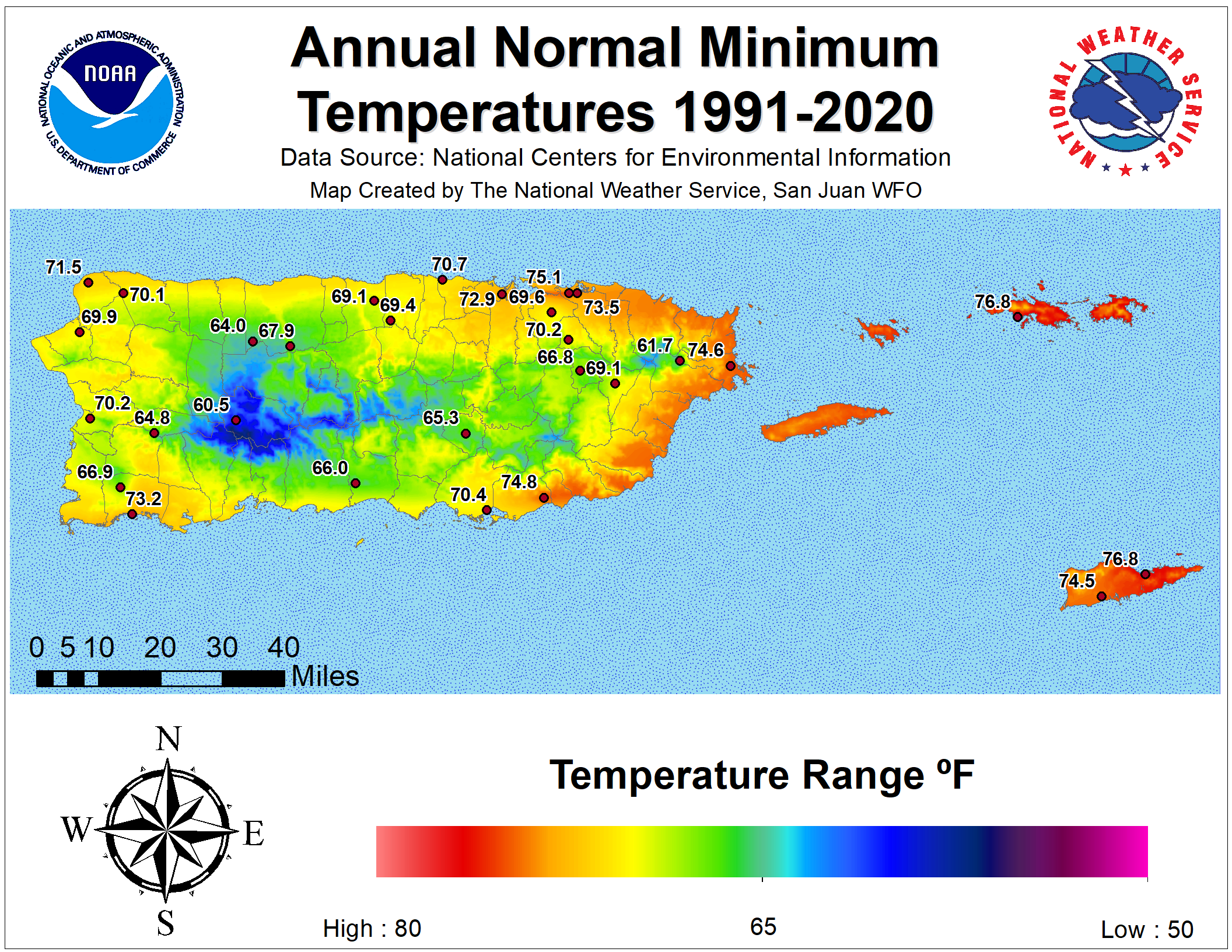
While the overall climate is tropical, there can be slight variations in temperature across the island, largely influenced by elevation and proximity to the coast.
Coastal Regions
The coastal areas, including popular destinations like San Juan, Ponce, and Rincón, experience the most consistent and warmest temperatures. The sea breeze plays a significant role here, moderating the heat and making it feel pleasant for most of the year. Average temperatures along the coast rarely dip below the low 70s Fahrenheit (around 21-22°C) and often reach the mid-80s Fahrenheit (around 29-30°C) during the day. The water temperature also remains inviting, typically ranging from the high 70s to the low 80s Fahrenheit (around 26-28°C), perfect for swimming, snorkeling, and other water sports.
Inland and Mountainous Areas
As you venture inland, particularly into the Cordillera Central, the elevation can lead to slightly cooler temperatures. While still warm, these higher altitudes can offer a welcome relief from the coastal heat, especially during the evenings. For instance, areas around Jayuya or Utuado might experience temperatures a few degrees lower than the coastal plains. This makes these regions ideal for exploring hiking trails and discovering hidden waterfalls without the intensity of the midday sun. The El Yunque National Forest, with its varied elevations, showcases this phenomenon, with some higher sections feeling noticeably cooler.
Planning Your Trip Based on Temperature and Climate
When deciding on the best time to visit Puerto Rico, consider your personal preferences for weather and activities.
For Beach Lovers and Sun Seekers
If your primary goal is to soak up the sun on world-class beaches and enjoy consistent, warm weather with minimal rain, the dry season (mid-December to mid-April) is your best bet. This period aligns perfectly with the desire for that quintessential tropical getaway, allowing for uninterrupted days of relaxation and outdoor adventure on islands like Vieques.
For Hikers and Nature Enthusiasts
While the dry season is excellent for all outdoor pursuits, the wet season can also be rewarding for hikers and nature enthusiasts. The increased rainfall nourishes the lush landscapes of the El Yunque National Forest, making the vegetation even more vibrant and the waterfalls more impressive. The afternoon showers are typically brief, and you can plan your hikes for the morning to avoid them. The cooler temperatures in the mountainous regions during this time can also be a plus for strenuous activities.

For Budget Travelers and Those Seeking Fewer Crowds
The shoulder seasons, which fall at the beginning and end of the dry season, or the heart of the wet season, can offer a sweet spot for budget-conscious travelers. You might find better deals on flights and accommodations at luxury resorts like the St. Regis Bahia Beach Resort or charming boutique hotels. Fewer crowds also mean a more intimate experience at popular attractions.
Ultimately, Puerto Rico offers a delightful climate year-round. Whether you prefer the consistent sunshine of the dry season or don’t mind the occasional tropical shower of the wet season, the island’s warm embrace and inviting temperatures ensure a memorable vacation. From the bustling streets of San Juan to the serene beaches of Culebra and the verdant peaks of the Cordillera Central, Puerto Rico awaits with its perfect, tropical allure. When packing, light, breathable clothing, swimwear, sunscreen, and a light rain jacket for the wetter months are essentials to ensure you are comfortable no matter when you choose to explore this enchanting destination.