
When planning a trip to Reno, Nevada, one of the most crucial pieces of information for any traveler is understanding the local climate. The question “What Is The Temperature In Reno Nevada?” is more than just a meteorological inquiry; it’s a gateway to effectively planning your itinerary, packing your bags, and ultimately, maximizing your enjoyment of this vibrant Nevada city. Situated in the Sierra Nevada foothills, Reno experiences a distinct four-season climate, each with its unique charm and challenges. Knowing the prevailing temperatures throughout the year will significantly influence your decisions, from choosing the best time to visit to selecting the perfect accommodation and activities.

The temperature in Reno, Nevada is a defining characteristic that shapes its identity and the experiences it offers. From the crisp, cold winters that blanket the region in snow to the warm, dry summers perfect for outdoor adventures, understanding these fluctuations is key. This knowledge empowers you to embrace the season you choose to visit, whether you’re drawn to the winter sports opportunities near Lake Tahoe or the summer festivals and outdoor exploration that Reno is renowned for.
Understanding Reno’s Climate: A Seasonal Breakdown
Reno, Nevada boasts a semi-arid climate, characterized by significant temperature variations between seasons and even between day and night. This means you can expect sunny skies for much of the year, but with a wide range of temperatures depending on the time of year and the specific month. For those asking “What Is The Temperature In Reno Nevada?”, a detailed look at each season provides the most comprehensive answer.
Spring in Reno: A Gradual Awakening
Spring in Reno, Nevada is a season of transition. While it can still be cool, especially in early spring, the temperatures gradually begin to climb as the season progresses. You can expect average highs to range from the 50s Fahrenheit in March to the 70s Fahrenheit by May. Nighttime temperatures, however, can still dip significantly, often remaining in the 30s and 40s Fahrenheit. This means that while the days might feel pleasant, packing layers is essential.
The visual landscape of Reno also transforms in spring. The snowmelt from the surrounding mountains feeds the Truckee River, bringing renewed life to the region. Wildflowers begin to bloom in the higher elevations, offering a beautiful spectacle for hikers and nature enthusiasts.
What to Expect:
- Daytime temperatures: Generally mild to warm, averaging from 50°F (10°C) in March to 70°F (21°C) in May.
- Nighttime temperatures: Can be cool, often dropping to the 30s°F (0-4°C) and 40s°F (4-9°C).
- Precipitation: Spring can bring occasional rain showers and even late-season snow in the mountains.
- Activities: Ideal for exploring the Riverwalk District, visiting museums like the National Automobile Museum, and taking scenic drives as the landscape awakens. Outdoor activities are becoming increasingly viable as the weather warms.
Summer in Reno: Sunshine and Warmth
Summers in Reno, Nevada are typically hot and dry, with plenty of sunshine. This is often considered the prime season for many outdoor activities and festivals. July and August are the warmest months, with average high temperatures frequently reaching into the 80s and 90s Fahrenheit, and occasionally soaring above 100°F (38°C). The humidity is usually very low, making the heat more bearable than in more humid climates.
Evenings in the summer offer a welcome respite from the daytime heat, with temperatures typically cooling down into the 50s and 60s Fahrenheit, making it perfect for enjoying outdoor dining or exploring the city after dark.
What to Expect:
- Daytime temperatures: Consistently warm to hot, with average highs in the 80s°F (27-32°C) and 90s°F (32-37°C). Peak summer can see temperatures exceed 100°F (38°C).
- Nighttime temperatures: Pleasant and mild, typically in the 50s°F (10-15°C) and 60s°F (15-20°C).
- Precipitation: Very low, with clear skies being the norm.
- Activities: Perfect for exploring Lake Tahoe (a short drive away), hiking in the Toiyabe National Forest, enjoying outdoor concerts, and experiencing the vibrant Reno Rodeo. This is the season for water sports, cycling, and extensive exploration of Reno’s surrounding natural beauty.
Autumn in Reno: Crisp Air and Stunning Scenery
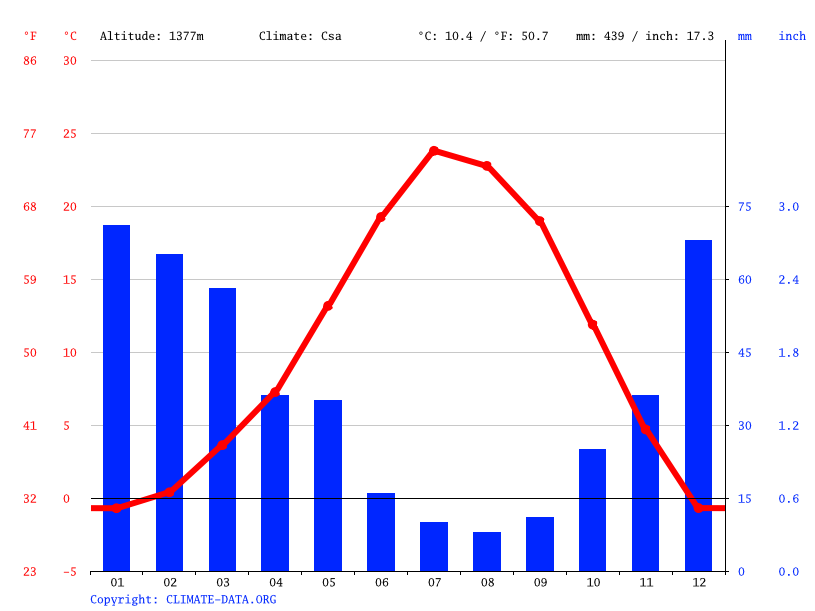
Autumn brings a welcome coolness and a breathtaking display of fall foliage to Reno, Nevada. September and October are particularly beautiful, with average high temperatures ranging from the 70s Fahrenheit in early September down to the 50s Fahrenheit by late October. The air becomes crisp and invigorating, making it ideal for outdoor pursuits.
The colors of the changing leaves add a magical touch to the landscapes surrounding Reno, from the Sierra Nevada mountains to the local parks. This season offers a perfect balance of comfortable temperatures for exploring and the beauty of nature’s transformation.
What to Expect:
- Daytime temperatures: Mild and pleasant, ranging from the 70s°F (21-26°C) in early fall to the 50s°F (10-15°C) by late fall.
- Nighttime temperatures: Cool to cold, often dropping into the 20s°F (-6 to -1°C) and 30s°F (0-4°C) as the season progresses.
- Precipitation: Can increase slightly compared to summer, with a chance of rain and early snow in the mountains.
- Activities: Excellent for hiking and leaf-peeping, visiting local wineries, enjoying farmers’ markets, and exploring the historic Old Southwest Reno district. The crisp air is perfect for walking and sightseeing.
Winter in Reno: Snow and Winter Sports
Winter in Reno, Nevada is characterized by cold temperatures and snowfall, especially in the surrounding mountain areas. December, January, and February are the coldest months, with average high temperatures hovering in the 40s Fahrenheit and lows frequently dropping below freezing, into the 20s Fahrenheit. Snowfall is common in Reno itself, though typically not as heavy as in the nearby ski resorts.
This season is a paradise for winter sports enthusiasts. The proximity to world-class ski resorts like Palisades Tahoe and Heavenly Mountain Resort makes Reno a popular base for those looking to hit the slopes. Even within the city, you might find opportunities for ice skating or simply enjoying the festive winter atmosphere.
What to Expect:
- Daytime temperatures: Cold, with average highs in the 30s°F (0-4°C) and 40s°F (4-9°C).
- Nighttime temperatures: Freezing or below, often in the 20s°F (-6 to -1°C) and teens°F (-12 to -7°C).
- Precipitation: Snow is common, both in the city and in the surrounding mountains. Ski resorts can receive significant snowfall.
- Activities: Primarily focused on winter sports like skiing and snowboarding at nearby resorts. Reno also offers a cozy atmosphere for enjoying indoor attractions and holiday events.
Planning Your Visit: What the Temperature Means for Your Travel
The answer to “What Is The Temperature In Reno Nevada?” directly impacts how you approach your travel plans. Understanding the seasonal temperature ranges allows for strategic planning of your accommodation, activities, and even your dining choices.
Choosing the Right Time to Visit
The best time to visit Reno ultimately depends on your personal preferences and the activities you wish to pursue.
- For Outdoor Adventures and Warm Weather: Summer (June to August) offers the warmest and driest conditions, ideal for exploring Lake Tahoe, hiking, biking, and enjoying all the outdoor recreational opportunities the region provides. This is also when many of Reno’s major festivals and events take place, adding to the vibrant atmosphere.
- For Fall Foliage and Pleasant Hiking: Autumn (September to October) is a visually stunning period with comfortable temperatures perfect for hiking and sightseeing. The crisp air is invigorating, and the changing colors of the leaves create a picturesque backdrop.
- For Winter Sports: Winter (November to March) is the undeniable choice for skiers and snowboarders. Reno serves as an excellent gateway to world-class ski resorts in the Sierra Nevada. Even if you’re not hitting the slopes, the winter atmosphere can be charming.
- For Spring Blooms and Mild Temperatures: Spring (April to May) offers a gentler transition with increasing daylight hours and blooming flora. It’s a good time for those who prefer milder weather and fewer crowds, though some high-elevation trails may still be snow-covered.
Packing Essentials Based on Temperature
Knowing the temperature in Reno, Nevada is paramount for efficient packing. Regardless of the season, Reno’s climate often involves significant temperature swings between day and night. Therefore, layering is always a wise strategy.
- Spring and Fall: Pack a combination of light to medium-weight layers. Think t-shirts, long-sleeved shirts, sweaters or fleeces, and a waterproof and windproof outer jacket. Comfortable walking shoes are a must, and if visiting later in fall or early spring, consider waterproof boots. Don’t forget a hat and gloves for cooler evenings.
- Summer: Light, breathable clothing is key. Shorts, t-shirts, sundresses, and lightweight pants are suitable. A light jacket or sweater is still advisable for cooler evenings. Sunscreen, sunglasses, and a hat are essential due to the strong sun.
- Winter: Warm layers are crucial. Thermal base layers, warm sweaters or fleeces, insulated pants, and a heavy, waterproof, and windproof winter coat are recommended. Waterproof boots with good traction are essential, as are gloves, a warm hat that covers your ears, and a scarf. If you plan on participating in winter sports, ensure you have appropriate ski gear.

Accommodation and Activity Planning
The temperature in Reno, Nevada also influences where you might choose to stay and what activities are best suited.
- Summer: If you’re planning on spending a lot of time outdoors, especially near Lake Tahoe, consider a resort or hotel with easy access to water activities or hiking trails. For a more relaxed stay, an apartment rental might offer more space and amenities.
- Winter: Staying in Reno offers access to ski resorts, so look for hotels or lodging that provide shuttle services or easy access to major highways leading to the mountains. If you prefer to stay in the city, consider a hotel near the casinos and restaurants for evening entertainment.
- Year-Round: Regardless of the season, Reno offers a wide range of accommodation options, from budget-friendly motels to luxurious suites and villas. When booking, consider the amenities that will be most important to you based on the expected temperatures, such as air conditioning for summer or a fireplace for winter.
When planning your activities, always check the weather forecast closer to your travel date. Reno’s weather can be unpredictable, and a sudden shift in temperature or a storm can impact outdoor plans. Websites and apps dedicated to travel and weather can provide real-time updates, ensuring you can adapt your itinerary accordingly. Whether you’re interested in exploring the natural wonders of Nevada, experiencing the local culture, or indulging in the vibrant lifestyle of Reno, understanding and respecting its climate will pave the way for an unforgettable journey.