
Miami, Florida, often conjures images of sun-drenched beaches, swaying palm trees, and vibrant nightlife. For travelers planning a visit, understanding the local temperature and climate is paramount to curating the perfect experience, whether it’s for relaxation, adventure, or cultural immersion. This guide delves into Miami’s distinct tropical monsoon climate, exploring seasonal variations and how they influence everything from packing choices and activities to accommodation decisions and overall travel styles. From the sweltering heat of summer to the idyllic warmth of winter, Miami’s weather patterns are a key component of its unique appeal as a world-class destination.
Situated at the southeastern tip of Florida, bordered by the Atlantic Ocean and influenced by the warm Gulf Stream, Miami offers a climate that is largely warm to hot year-round. This tropical disposition means no true “winter” in the traditional sense, but rather a distinction between a warm, wet season and a drier, slightly cooler season. Knowing what to expect temperature-wise ensures that your travel plans align seamlessly with the best of what Miami has to offer, making your trip a comfortable and unforgettable adventure.
Understanding Miami’s Climate: A Year-Round Tropical Paradise
Miami’s climate is officially classified as a tropical monsoon climate, characterized by consistently high temperatures and a pronounced wet season from late May through early October. The city benefits from its proximity to the Atlantic Ocean and the Caribbean, which moderate temperatures and contribute to its humid environment. This unique climate dictates the rhythm of life in South Florida and significantly impacts the tourism landscape throughout the year.
The Warm Embrace of Summer (June-August)
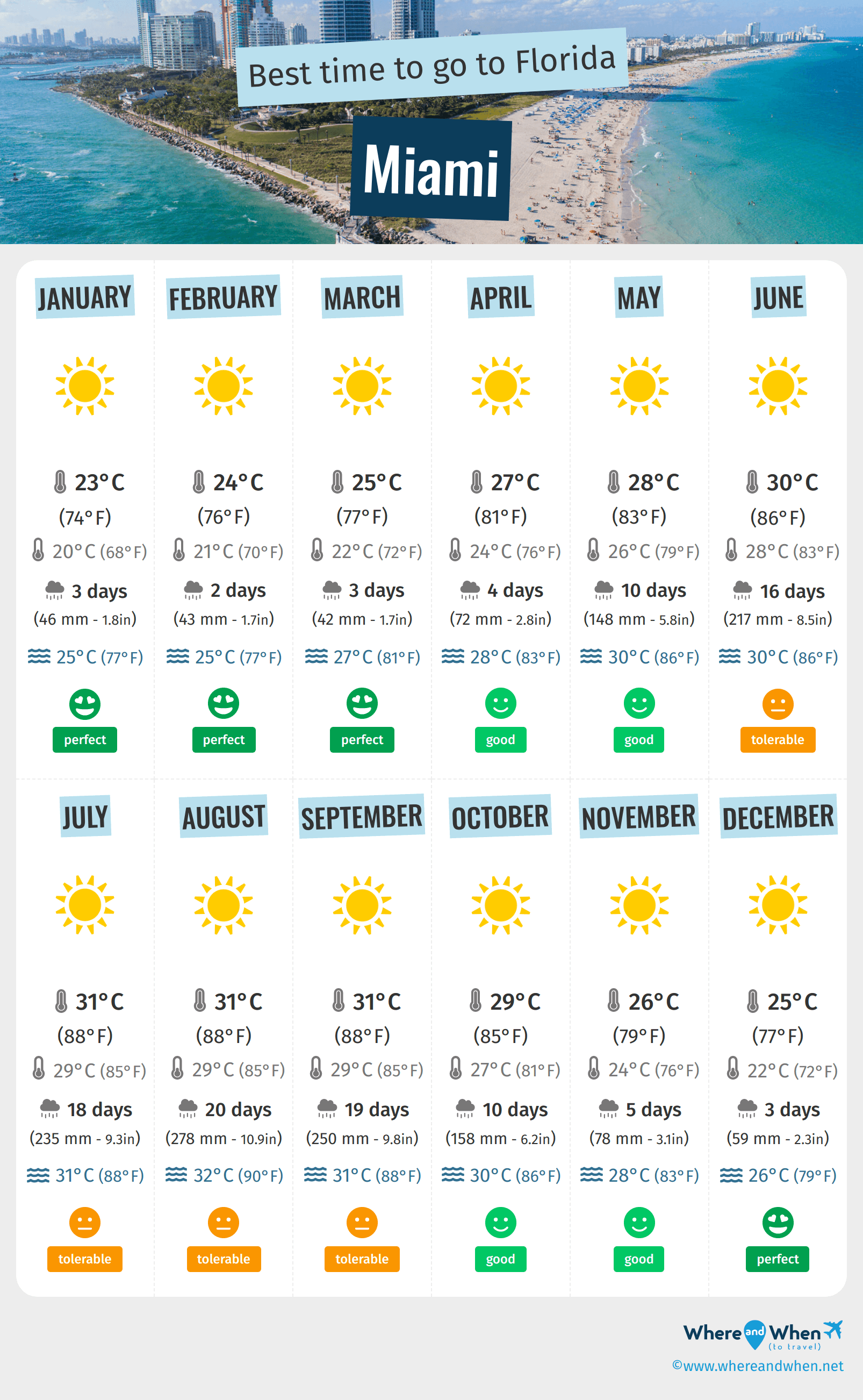
Summer in Miami is a period of intense heat and humidity, embodying the quintessential tropical experience. Average daily temperatures typically range from 80°F to 90°F (27°C to 32°C), often feeling much warmer due to high humidity levels that can push the “real feel” into the triple digits. Nights offer little respite, with lows rarely dropping below 75°F (24°C). This season is also the heart of the wet season, characterized by frequent, albeit brief, afternoon thunderstorms. These storms can be intense but usually pass quickly, leaving behind refreshed air and glistening streets.
Travel during these months often revolves around water-based activities and air-conditioned indoor attractions. Days are perfect for lounging by the pool at a luxury resort, enjoying the pristine sands of South Beach, or engaging in various water sports like paddleboarding and jet-skiing in Biscayne Bay. For those seeking cultural experiences, Miami’s numerous museums, art galleries in the Art Deco Historic District, and vibrant shopping districts offer a cool escape. Family trips during summer might involve visits to water parks or indoor entertainment venues. Accommodation during summer can often be found at slightly lower rates than peak season, offering an advantage for budget travel enthusiasts who don’t mind the heat.
The Balmy Bliss of Fall (September-November)
As summer transitions into fall, Miami’s temperatures remain warm but gradually begin to mellow, particularly towards the end of the season. Early fall, especially September, can still feel very much like summer, with temperatures averaging around 80°F to 88°F (27°C to 31°C). Humidity levels, while still high, start to decrease, and the frequency of afternoon thunderstorms lessens. This period falls within the latter part of hurricane season, which runs from June 1st to November 30th, so travelers should remain aware of weather advisories, although direct impacts are not a common occurrence.
By late October and November, the weather becomes truly delightful. Average temperatures settle into the mid-70s to low 80s°F (24°C to 28°C), with significantly lower humidity. Nights become pleasantly mild, often dipping into the comfortable mid-60s°F (18°C). This makes fall an excellent time for exploring Miami’s outdoor attractions without the intense summer heat. It’s a fantastic time for walking tours of Little Havana, admiring the street art of Wynwood, or enjoying al fresco dining experiences. Accommodation prices typically start to rise towards the end of November as the peak season approaches, making early fall a sweet spot for those looking for good value.
Winter’s Gentle Caress (December-February)
Winter is widely regarded as the most desirable time to visit Miami, offering a stark contrast to the frigid temperatures experienced across much of North America. The climate is characterized by warm, dry, and sunny days with very low humidity. Average daily temperatures hover comfortably between 70°F and 78°F (21°C to 26°C). Nights are wonderfully cool and refreshing, typically ranging from 58°F to 65°F (14°C to 18°C). Cold fronts occasionally sweep through, bringing temperatures down further for a day or two, but truly cold weather is rare and brief.
This is Miami’s peak tourist season for a reason. The superb weather is perfect for every kind of outdoor activity imaginable. Days are ideal for sunbathing on Miami Beach, golfing, exploring Everglades National Park, or taking boat tours along Biscayne Bay. It’s also prime time for luxury travel, with many high-end resorts and hotels bustling with guests seeking a winter escape. The vibrant cultural scene, including art festivals and outdoor concerts, thrives in these cooler months. Due to high demand, hotels and accommodation options are at their most expensive, and booking well in advance is highly recommended. Business stays often coincide with conferences and events held during these pleasant months.
Spring’s Vibrant Awakening (March-May)
Spring in Miami offers a delightful transition from the mild winter to the warming summer. Early spring, particularly March and April, continues to enjoy comfortable temperatures, often ranging from 75°F to 82°F (24°C to 28°C). Humidity remains relatively low, and sunny days are the norm. As May approaches, temperatures gradually rise, and humidity levels begin to increase, signaling the impending summer and wet season. Occasional scattered showers may start to appear, but they are generally short-lived.
This season is popular for many reasons. March is synonymous with Spring Break, drawing students and families alike, particularly to the beaches of Miami Beach. The weather is perfect for exploring attractions like the Vizcaya Museum & Gardens or taking a day trip to the Florida Keys. Outdoor dining and leisurely strolls through neighborhoods like the Design District are highly enjoyable. While hotels are still in high demand, particularly during specific spring holidays and events, there might be more flexibility and slightly lower prices compared to the peak winter months, making it a good time for a blend of luxury travel experiences and more budget travel options.
Beyond the Thermometer: How Miami’s Weather Shapes Your Travel Experience

Miami’s temperature isn’t just a number; it’s a dynamic factor that influences every aspect of your trip. From what you pack to where you stay and what activities you pursue, understanding the seasonal nuances of Miami’s climate is essential for a seamless travel experience.
Packing Smart for Miami’s Ever-Changing Skies
Regardless of the season, lightweight, breathable fabrics are a must for Miami. Cotton, linen, and moisture-wicking materials will be your best friends. During the hot and humid summer months, opt for loose-fitting clothing, swimwear, and plenty of changes. A lightweight rain jacket or umbrella is also advisable for those sudden afternoon downpours. For winter and spring, while days are warm, evenings can be cool, so a light sweater, cardigan, or denim jacket will be appreciated, especially when dining outdoors or enjoying a evening stroll along the beach.
No matter when you visit, don’t forget essential sun protection: a wide-brimmed hat, sunglasses, and high-SPF sunscreen are non-negotiable. Comfortable walking shoes are also key, particularly if you plan on exploring neighborhoods like Little Havana or the expansive grounds of Vizcaya Museum & Gardens. For evenings, a touch of stylish casual wear is generally appropriate for Miami’s vibrant dining and nightlife scene.
Seasonal Activities and Attractions
The weather significantly dictates the most enjoyable activities. In summer, focus on the refreshing waters of South Beach, air-conditioned museums like the Pérez Art Museum Miami, or engaging in water sports such as snorkeling or diving. It’s also an excellent time for indoor shopping in the Design District or experiencing Miami’s acclaimed culinary scene.
Winter and spring, with their perfect temperatures, open up a broader range of outdoor pursuits. This is the ideal time to take an airboat tour through the Everglades National Park, embark on a fishing charter in the Atlantic Ocean, or simply bike along Ocean Drive. Exploring the sprawling gardens of Vizcaya Museum & Gardens or taking a walking tour of the Art Deco Historic District becomes much more comfortable. Evenings are perfect for rooftop bars and outdoor concerts. Fall bridges these two extremes, offering pleasant weather for both indoor and outdoor activities, often with fewer crowds.
Navigating Accommodation and Booking
Miami’s diverse accommodation options—from sprawling resorts and boutique hotels to serviced apartments and villas—are also influenced by the seasonal temperatures. During the peak winter season, demand for beachfront hotels, luxury resorts with heated pools, and properties offering stunning views of Biscayne Bay skyrockets. Booking well in advance, sometimes 6-12 months out, is crucial to secure your preferred stay, especially for luxury travel or specific holiday periods.
Conversely, summer offers more flexibility and potentially better deals for budget travel. Many hotels offer attractive packages to entice visitors during the warmer, rainier months. While outdoor pools remain popular year-round, amenities like robust air conditioning become paramount in summer. Travelers planning family trips might find better value in larger suites or apartments during the off-peak season, while business stays often benefit from corporate rates, which might be more available during the quieter periods. Always consider your travel style and budget against the prevailing temperatures and tourist crowds when making your accommodation choices.
Making the Most of Miami’s Climate: Tips for an Unforgettable Stay
Regardless of the time of year, Miami’s tropical climate demands a few key considerations to ensure a comfortable and enjoyable trip. These tips are designed to help you navigate the city’s temperatures and embrace its unique atmosphere.
Hydration and Sun Protection are Key
With sunshine abundant year-round, staying hydrated and protecting your skin from UV rays are fundamental. Carry a reusable water bottle and drink frequently, especially during the hotter months or when engaging in outdoor activities. Seek shade during the peak sun hours (typically 10 AM to 4 PM), wear a hat, sunglasses, and apply a broad-spectrum sunscreen with an SPF of 30 or higher, reapplying often, especially after swimming or sweating. This advice holds true even on cloudy days, as UV radiation can still be strong. Prioritizing these simple measures will allow you to fully enjoy Miami’s outdoor charms without discomfort.
Embrace the Waterfront Lifestyle
Miami’s identity is inextricably linked to its stunning waterfront. Whether it’s the iconic beaches of Miami Beach, the serene expanse of Biscayne Bay, or the proximity to the Atlantic Ocean, water plays a crucial role in moderating temperatures and offering endless recreational opportunities. Take advantage of cooling breezes by staying in beachfront properties or hotels with bay views. Engage in water sports like swimming, snorkeling, paddleboarding, or simply relaxing by the ocean. Boat tours, sunset cruises, or a visit to nearby islands are excellent ways to experience the city from a refreshing aquatic perspective.

Exploring Miami’s Diverse Neighborhoods
Miami is a tapestry of vibrant neighborhoods, each with its own distinct character and attractions. The pleasant temperatures of winter and spring are ideal for extensive walking tours through the colorful streets of Little Havana, the artistic alleys of Wynwood, or the upscale boutiques and galleries of the Design District. During the warmer months, consider exploring these areas earlier in the morning or later in the afternoon/evening to avoid the midday heat. Utilize air-conditioned public transportation or ride-sharing services between stops. Many neighborhoods also offer indoor attractions, such as art galleries, unique shops, and renowned restaurants, allowing for comfortable exploration even when temperatures soar. Don’t forget that nearby cities like Fort Lauderdale and even day trips to Orlando or Key West also offer distinct experiences, and their climates generally mirror Miami’s, requiring similar preparation.
In conclusion, the temperature in Miami, Florida, is a defining characteristic of this dynamic city, offering a year-round tropical allure. While the exact numbers fluctuate with the seasons, visitors can expect a consistently warm climate, ranging from hot and humid summers to delightfully mild and dry winters. By understanding these seasonal variations and preparing accordingly, travelers can maximize their enjoyment of Miami’s stunning beaches, vibrant culture, and endless array of activities. Whether you seek the peak season’s buzz or the tranquil charm of the shoulder months, Miami promises an unforgettable experience, tempered by its glorious Florida sun.
LifeOutOfTheBox is a participant in the Amazon Services LLC Associates Program, an affiliate advertising program designed to provide a means for sites to earn advertising fees by advertising and linking to Amazon.com. Amazon, the Amazon logo, AmazonSupply, and the AmazonSupply logo are trademarks of Amazon.com, Inc. or its affiliates. As an Amazon Associate we earn affiliate commissions from qualifying purchases.