
Alaska, the Last Frontier, a land of unparalleled grandeur and wild beauty, beckons travelers with its vast wilderness, towering mountains, and abundant wildlife. While images of snow-capped peaks and icy landscapes often dominate our perception, the reality of Alaska’s temperature is far more nuanced and fascinating. The sheer size of this immense state means that temperatures can vary dramatically from one region to another, and even within the same region, the seasons paint a vivid and distinct picture. Understanding Alaska’s climate is crucial for anyone planning a trip, from adventurous explorers seeking the thrill of the northern lights to families embarking on a memorable summer vacation. This guide delves into the climatic heart of Alaska, exploring its diverse temperature ranges across different seasons and regions, and how this influences the experiences available to visitors.
Understanding Alaska’s Diverse Climate Zones
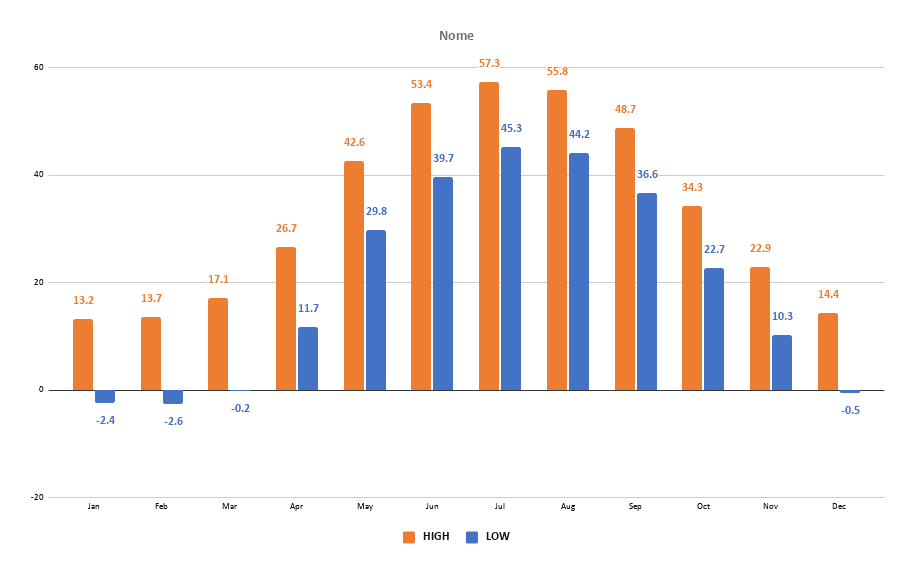
Alaska is not a monolith when it comes to its weather. Its immense geographical span, stretching across multiple latitudes and encompassing a variety of terrains, from coastal rainforests to interior tundras and Arctic plains, creates distinct climate zones. Each zone possesses its own unique temperature profile, influencing everything from the types of flora and fauna that thrive there to the best times for certain activities and the kind of clothing you should pack. For travelers, grasping these differences is key to crafting an itinerary that aligns with their expectations and comfort levels.
Coastal Alaska: The Mild Embrace of the Pacific
The southeastern panhandle of Alaska, often referred to as the Inside Passage, enjoys a relatively milder, maritime climate, heavily influenced by the Pacific Ocean. This region, a popular cruise ship destination, experiences less extreme temperatures compared to the interior.
Summer (June to August): During the summer months, temperatures in towns like Juneau, Ketchikan, and Skagway typically range from the 50s to the 60s Fahrenheit (10-20 degrees Celsius). While it can occasionally reach the 70s, cool ocean breezes are common, making for pleasant days ideal for exploring rainforests and spotting whales. Rainfall is frequent throughout the year, but summer often sees a mix of sun and showers.
Winter (December to February): Winters in coastal Alaska are characterized by moderate cold and significant precipitation, often in the form of rain, sleet, or snow, especially at lower elevations. Average daytime temperatures hover around the freezing mark (32°F or 0°C), with nights dipping slightly below. Snowfall is common, blanketing the landscape in white and transforming the region into a winter wonderland. However, the moderating influence of the ocean prevents the severe, prolonged cold experienced in the interior.
Interior Alaska: The Extremes of Continental Weather
Vast, landlocked, and far from the oceanic moderating effect, Interior Alaska is defined by its continental climate, which means it experiences some of the most dramatic temperature fluctuations in the state. Cities like Fairbanks are the prime examples of this climatic phenomenon.
Summer (June to August): Summers in the Interior can be surprisingly warm, with daytime temperatures frequently reaching the 70s Fahrenheit (20-25 degrees Celsius), and sometimes even the 80s or 90s (27-32+ degrees Celsius) during heatwaves. The days are incredibly long, with the sun barely setting around the summer solstice, offering extended opportunities for outdoor adventures. Despite the warmth, evenings can cool down considerably.
Winter (December to February): This is where Interior Alaska truly showcases its extreme nature. Winters are brutally cold, with average daytime temperatures consistently hovering between -10°F and -20°F (-23°C to -29°C). However, it’s not uncommon for temperatures to plummet to -40°F (-40°C) and even lower. The air is incredibly dry, and while the cold is intense, it can feel more bearable due to the lack of humidity. This is prime time for experiencing the magical aurora borealis, with clear, frigid nights offering the best viewing conditions.
Southcentral Alaska: A Blend of Coastal Influence and Interior Extremes
Southcentral Alaska, home to the majority of Alaska’s population including Anchorage, the state’s largest city, and the Kenai Peninsula, offers a climate that is a transition between the milder coastal regions and the more extreme interior.
Summer (June to August): Summer in Southcentral is generally pleasant, with average daytime temperatures in the 60s Fahrenheit (15-20 degrees Celsius). The long daylight hours are a significant draw, allowing for ample exploration of national parks like Denali National Park and Preserve and scenic drives along the Seward Highway. While rain is possible, it’s typically less frequent than in the southeastern panhandle.
Winter (December to February): Southcentral winters are cold but generally less severe than the Interior. Daytime temperatures typically range from the low teens to the high 20s Fahrenheit (-15°C to -3°C). Snowfall is common and often provides excellent conditions for winter sports such as skiing and snowboarding. Anchorage experiences a snowy winter, ideal for enjoying various holiday festivities and winter-themed activities. The proximity to mountains can lead to localized variations in snowfall and temperature.
Arctic Alaska: The Realm of Permafrost and Polar Nights
The northernmost reaches of Alaska, including towns like Utqiagvik (formerly Barrow), lie within the Arctic Circle and are characterized by a polar climate. This region is defined by its permafrost, extremely long periods of darkness in winter, and relatively short, cool summers.
Summer (June to August): Even in the peak of summer, temperatures in the Arctic are cool, rarely exceeding the 40s Fahrenheit (4-9 degrees Celsius). The landscape is dominated by tundra, with the ground thawing only a few inches deep due to the underlying permafrost. Despite the cool temperatures, the 24-hour daylight during the summer solstice offers a unique experience, allowing for exploration of this starkly beautiful environment.
Winter (December to February): Winters in Arctic Alaska are exceptionally cold and dark. Temperatures consistently remain well below freezing, often in the -20s and -30s Fahrenheit (-29°C to -34°C), and can plunge even lower. The polar night, a period where the sun does not rise above the horizon for extended periods, is a defining characteristic. While harsh, these conditions are ideal for those seeking the ultimate aurora borealis viewing experience in a truly remote and wild setting.
Seasonal Variations: Alaska Through the Year
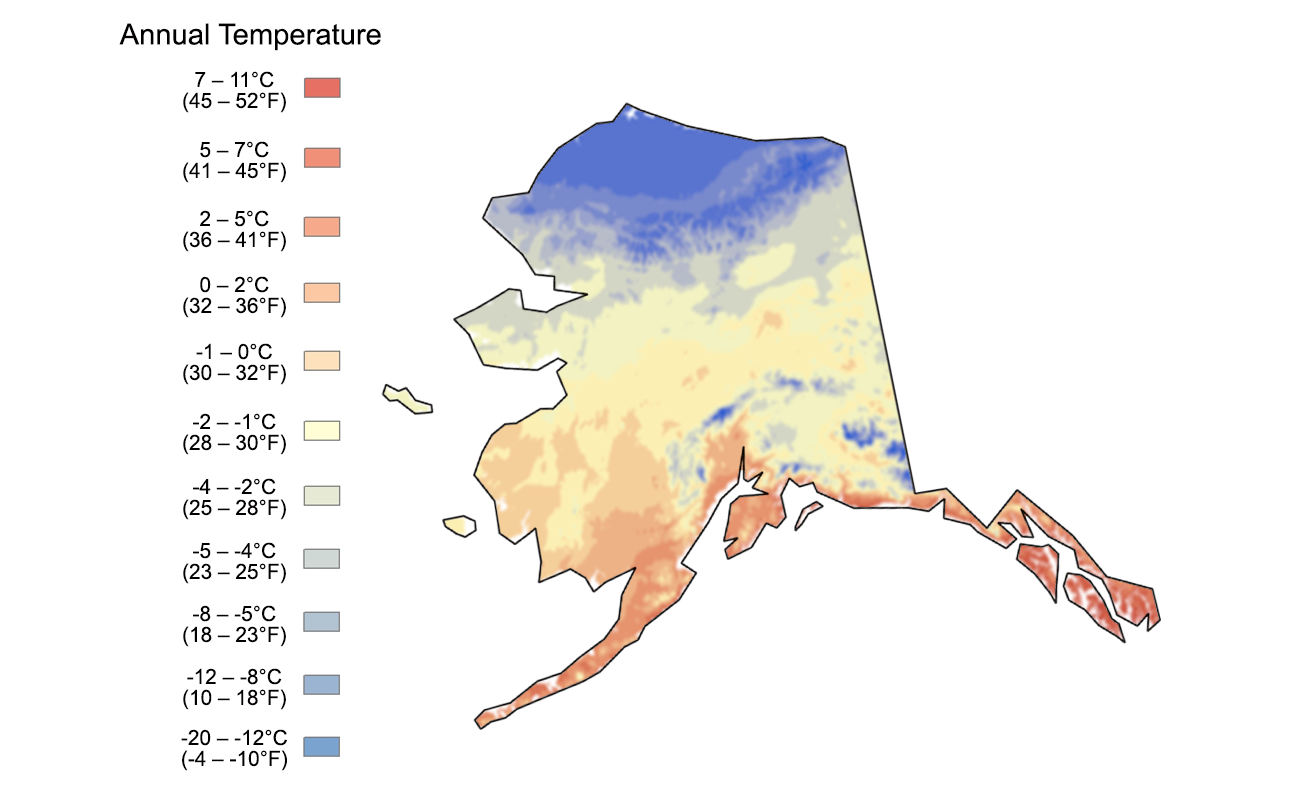
Alaska’s temperature is not just about geography; it’s also about the relentless cycle of the seasons, each bringing its own unique charm and challenges.
Spring (March to May): The Thaw and Renewal
Spring in Alaska is a time of transition. As the snow begins to melt, the landscape slowly awakens from its winter slumber. Temperatures gradually rise, but the weather can be highly variable, with lingering cold spells and snow possible, especially in the early spring.
In the Interior, March can still be intensely cold, but by May, daytime temperatures can reach the 40s and 50s Fahrenheit (4-15 degrees Celsius). Coastal areas experience a similar warming trend, with rain becoming more prevalent as snow recedes. This is a time when wildlife begins to re-emerge, making it an interesting period for nature enthusiasts, though many popular tourist activities may not yet be fully operational.
Summer (June to August): The Season of Light and Activity
Summer is undoubtedly the most popular season for visiting Alaska, and for good reason. The weather is generally the warmest and most stable of the year, with long daylight hours allowing for maximum exploration.
As detailed in the regional breakdowns, temperatures can range from mild on the coast to warm in the interior. This is the peak season for outdoor activities such as hiking, fishing, kayaking, and wildlife viewing. National parks like Denali National Park and Preserve, and attractions such as the Kenai Fjords National Park, are at their most accessible. Many festivals and cultural events also take place during these months, offering a vibrant glimpse into Alaskan life.
Autumn (September to November): A Tapestry of Colors and Chilly Breezes
Autumn in Alaska is a spectacle of color and a prelude to winter. The leaves on deciduous trees turn vibrant shades of gold, red, and orange, creating breathtaking vistas, particularly in the Interior and Southcentral regions.
Temperatures begin to drop significantly. September can still offer pleasant, crisp days, with average highs in the 40s and 50s Fahrenheit (4-15 degrees Celsius). However, by November, winter’s grip tightens, with freezing temperatures becoming commonplace. Snowfall increases, especially in the northern and interior parts of the state. This is an excellent time for photography and for those seeking fewer crowds, with opportunities to witness the first displays of the aurora borealis as the nights grow longer and darker.
Winter (December to February): The Reign of Ice and Aurora
Winter is when Alaska truly earns its reputation as a land of ice and snow. While it presents challenges, it also offers some of the most unique and awe-inspiring experiences the state has to offer.
The extreme cold, particularly in the Interior and Arctic, transforms the landscape into a pristine, frozen wonderland. This is the prime season for activities like dog sledding, ice fishing, and snowshoeing. For many, the ultimate draw of an Alaskan winter is the chance to witness the mesmerizing dance of the aurora borealis. Towns like Fairbanks are renowned for their accessibility to prime aurora viewing locations. While some travel may require extra preparation for the cold, the stark beauty and thrilling activities make winter a magical time to visit.
Planning Your Alaskan Adventure: Temperature-Savvy Travel
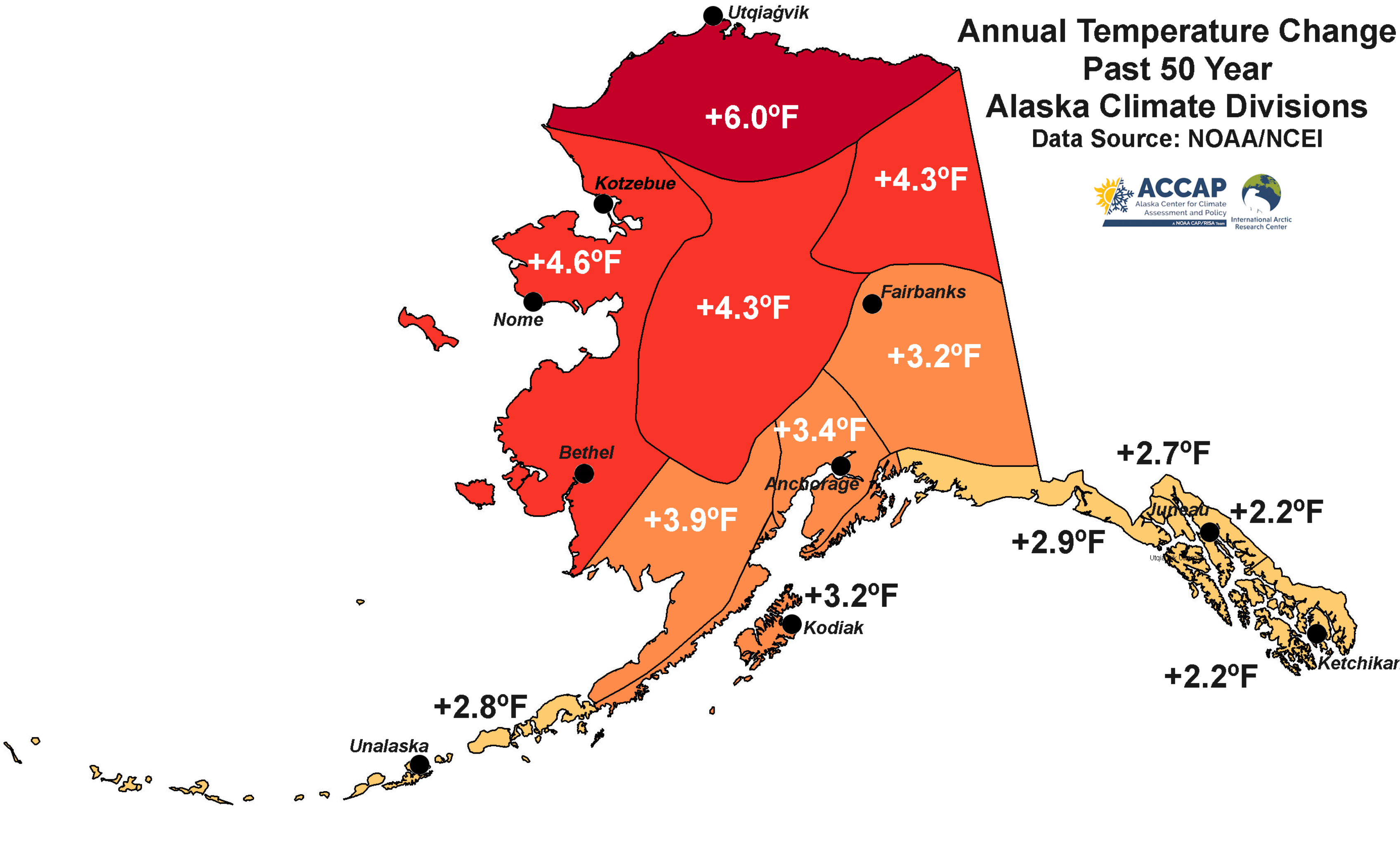
Knowing Alaska’s temperature ranges is fundamental to planning a successful and enjoyable trip. It dictates everything from your packing list to the activities you can pursue.
Packing for Alaska’s Varied Conditions
The mantra for packing for Alaska is “layering.” Regardless of the season, it’s wise to be prepared for fluctuating temperatures.
- Base Layers: Moisture-wicking thermal underwear is essential, even in summer, to manage sweat and maintain warmth.
- Mid-Layers: Fleece jackets or sweaters provide insulation.
- Outer Layers: A waterproof and windproof jacket and pants are crucial for protection against rain, snow, and wind, especially in coastal areas and during shoulder seasons.
- Footwear: Waterproof, insulated hiking boots are recommended for most activities. Comfortable shoes for city exploration are also advisable.
- Accessories: A warm hat, gloves or mittens, and a scarf are vital, even in summer, as temperatures can drop significantly, especially in the evenings or at higher elevations. Sunglasses are important year-round due to the intense sun reflection off snow and ice.
Choosing the Best Time to Visit Based on Temperature and Activities
- For long daylight hours and maximum outdoor activity: Summer (June-August) is ideal. This is when most attractions are fully open, and temperatures are most conducive to hiking, fishing, and exploring. Be prepared for crowds and higher prices during this peak season.
- For aurora borealis viewing and winter sports: Winter (October-March) is the time to go. The cold, dark nights provide the perfect canvas for the northern lights, and the snow-covered landscape is ideal for dog sledding and skiing. Note that some roads and attractions may be closed, and travel requires careful planning for extreme cold.
- For stunning fall colors and fewer crowds: Autumn (September-early October) offers a beautiful compromise. You can still enjoy many outdoor activities, witness spectacular foliage, and catch early glimpses of the aurora borealis before the deepest cold sets in.
- For a sense of renewal and emerging wildlife: Spring (late April-May) can be rewarding, but be prepared for unpredictable weather. It’s a good time for budget-conscious travelers seeking a less crowded experience as nature reawakens.
By understanding the nuances of Alaska’s temperatures and how they change with the seasons and regions, travelers can equip themselves for an unforgettable journey through this magnificent and wild land. Whether you dream of hiking through lush rainforests under the midnight sun or chasing the ethereal glow of the aurora across a star-studded, frozen sky, Alaska offers an adventure suited to every climate enthusiast. Remember to always check the specific weather forecast for the areas you plan to visit closer to your travel dates, as microclimates and sudden weather shifts are part of the Alaskan experience.