
Venturing to a new destination always comes with a myriad of questions for the discerning traveler. Beyond the iconic landmarks, the best dining spots, and the most comfortable accommodation options, a fundamental query often takes precedence: what will the weather be like? For those planning a trip to the Mile High City, understanding “What is the temperature of Denver, Colorado?” is crucial, as it profoundly impacts everything from packing decisions to planned activities and overall travel enjoyment.
Denver, the vibrant capital of Colorado, offers a climate as diverse and dynamic as its cultural landscape. Nestled at the base of the majestic Rocky Mountains, the city experiences distinct four seasons, each bringing its own unique charm and weather patterns. While many associate Colorado with snow and skiing, Denver itself boasts an impressive number of sunny days annually – an average of 300, making it one of the sunniest major cities in the United States. This abundant sunshine, combined with its high altitude, creates a climate that is often drier and feels warmer than comparable temperatures at sea level. Whether you’re a ski enthusiast, a summer hiker, or a fall foliage admirer, Denver’s temperature variations cater to a wide range of travel preferences, offering something for everyone year-round.

Denver’s Climate Unveiled: A Four-Season Wonderland
Denver’s geographical position is key to understanding its unique weather. Situated on the high plains, just east of the continental divide, the city is influenced by both arid plains weather and the complex patterns generated by the nearby mountains. This confluence results in a climate that can surprise visitors, often featuring sudden shifts and microclimates that add to its character.
The High-Altitude Advantage
One of the most defining characteristics of Denver’s weather is its altitude. At 5,280 feet above sea level, the air is thinner and drier. This has several implications for temperature. First, direct sunlight feels more intense, even on cooler days. Second, the dry air allows for significant temperature swings between day and night, even within the same season. While daytime temperatures can be pleasantly warm, evenings often cool down considerably, a welcome respite especially during the summer months. For travelers, this means packing layers is always a wise strategy, regardless of the season. The high altitude also contributes to the famous blue skies, as there’s less atmospheric moisture to scatter sunlight, leading to clearer, brighter days.
Sunshine City Stats
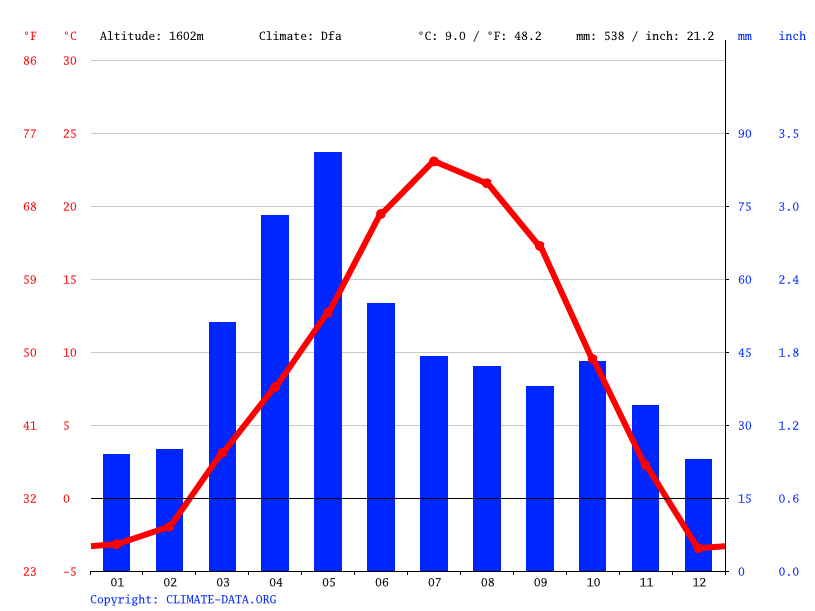
As mentioned, Denver proudly claims around 300 days of sunshine each year. This isn’t just a marketing slogan; it’s a verifiable meteorological fact that significantly impacts the local lifestyle and tourism experience. Even in the depths of winter, sunny days are common, quickly melting snowfall and making outdoor activities more pleasant than one might expect. This abundance of sunshine helps to mitigate the cold in winter and makes summer days feel exhilarating. The average annual temperature hovers around 50°F (10°C), but this broad average belies the dramatic shifts experienced throughout the year, which we’ll explore in detail. This consistent sunshine is a major draw for visitors, influencing choices regarding travel destinations and outdoor activities suitable for nearly every day of the year.
Navigating Denver Through the Seasons: What to Expect and When to Visit
Each of Denver’s four seasons presents a distinct character, offering unique temperatures and experiences for travelers. Understanding these seasonal nuances is essential for planning the perfect trip, whether you’re seeking a winter wonderland escape or a sun-drenched urban adventure.
Spring’s Unpredictable Charm: March to May
Spring in Denver is a season of delightful unpredictability. March and April can still see significant snowfall, sometimes even blizzards, followed quickly by sunny days that melt the snow away. Average high temperatures range from the low 50s°F (10-12°C) in March to the mid-60s°F (18-20°C) by May, with lows in the 20s°F (-6 to -4°C) warming to the low 40s°F (4-6°C). May generally marks a shift towards more consistent warmth.
Traveler’s Insight: This is a fantastic time for those who enjoy variety. You might experience a sunny hike one day and a fresh snowfall the next. Packing layers is absolutely critical. For tourism and lifestyle experiences, spring offers the chance to enjoy late-season skiing in the nearby mountains like Winter Park Resort, combined with early-season outdoor dining in LoDo or exploring the vibrant Denver Art Museum. The Denver Botanic Gardens begin to bloom, offering a spectacular display as the weather warms.
Summer’s Radiant Embrace: June to August
Denver summers are glorious, characterized by warm to hot days, abundant sunshine, and refreshingly cool evenings. Average high temperatures typically range from the low 80s°F (27-29°C) in June to the high 80s°F (30-31°C) in July and August. However, it’s not uncommon for temperatures to reach into the 90s°F (32-37°C). Lows, however, remain comfortable, often dropping into the high 50s°F (14-15°C) due to the dry air and altitude. Humidity is generally low, making even higher temperatures feel more bearable. Afternoon thunderstorms are common, especially in July and August, bringing brief but intense rain showers that clear quickly.
Traveler’s Insight: This is peak season for outdoor enthusiasts. Hiking, biking, and exploring Red Rocks Park and Amphitheatre become primary attractions. Baseball games at Coors Field are a popular draw. For accommodation, ensure your hotel, whether it’s a suite at the Four Seasons Hotel Denver or a more budget-friendly option, has air conditioning. Given the popularity, booking hotels and resorts well in advance is highly recommended. Many choose to extend their Denver stay to include trips to mountain towns like Estes Park or Vail.
Autumn’s Golden Glow: September to November
Autumn is arguably one of the most beautiful times to visit Denver. The scorching summer heat gives way to crisp, comfortable days, and the surrounding mountains erupt in a breathtaking display of fall foliage. September is often an extension of summer, with highs in the mid-70s°F (23-25°C). By October, highs typically drop to the low 60s°F (16-18°C), and November sees them in the high 40s°F (8-9°C). Nights become significantly cooler, with lows descending from the 40s°F (4-9°C) to the 20s°F (-6 to -1°C) as winter approaches. Early snowfalls can occur in October or November, but usually melt quickly.

Traveler’s Insight: This is an ideal time for scenic drives into the Rocky Mountains to witness the aspens turn golden. Hiking remains popular, with fewer crowds than in summer. Tourism during this period often focuses on cultural events, harvest festivals, and enjoying the city’s parks. Hotels like The Brown Palace Hotel and Spa offer a luxurious base to explore the seasonal charm. It’s a fantastic time for those seeking mild weather and stunning natural beauty.
Winter’s Snowy Serenade: December to February
Denver winters are cold and snowy, but often interspersed with abundant sunshine and periods of milder temperatures due to a phenomenon known as “Chinook winds.” Average high temperatures range from the low 40s°F (4-7°C), with lows typically in the teens and 20s°F (-9 to -6°C). While the city does receive snowfall, averaging around 57 inches annually, the dry climate and strong sun often lead to quick melting on roads and sidewalks. Significant snowfalls can certainly occur, transforming the city into a picturesque winter wonderland.
Traveler’s Insight: This is prime time for winter sports enthusiasts, with world-class ski resorts like Vail, Breckenridge, and Aspen just a few hours away. Within Denver, visitors can enjoy ice skating, cozy cafes along Larimer Square, and exploring indoor attractions such as the Denver Zoo. Hotels like the Hilton Denver City Center offer comfortable retreats from the cold, often with amenities like indoor pools. Despite the cold, the frequent sunny days make exploring the city’s landmarks quite enjoyable, particularly on the pedestrian-friendly 16th Street Mall.
Planning Your Denver Adventure: Beyond the Thermometer
Understanding Denver’s temperatures is just the first step. To truly make the most of your trip, it’s essential to consider how these weather patterns influence your travel preparations, activities, and even where you choose to stay.
Packing Smart for Denver’s Variable Weather
Given Denver’s propensity for rapid temperature changes, especially in spring and fall, the golden rule for packing is layers. Even in summer, a light jacket or sweater for the cool evenings is advisable.
- Spring/Fall: A waterproof jacket, sweaters, long-sleeved shirts, and convertible pants are excellent choices. Don’t forget sunscreen and sunglasses, as the sun is strong year-round.
- Summer: Light clothing during the day (t-shirts, shorts), but always have a jacket or long-sleeved shirt for evenings. A wide-brimmed hat is also a good idea.
- Winter: Warm, waterproof outerwear (coat, gloves, hat, scarf), thermal layers, and sturdy, waterproof boots are essential, particularly if you plan on visiting the mountains.
No matter the season, comfortable walking shoes are a must for exploring the city.
Seasonal Activities and Attractions
Denver’s diverse climate means a wealth of activities are available throughout the year, catering to all lifestyle preferences, from luxury travel to budget travel.
- Outdoor Adventures: Hiking trails around Mount Evans, biking along the Cherry Creek Trail, or exploring the Red Rocks Park and Amphitheatre are perfect for warm and mild seasons. Winter opens up skiing, snowboarding, and snowshoeing opportunities in the nearby Rocky Mountains.
- Urban Exploration: Year-round, delve into the city’s rich local culture by visiting museums, art galleries, craft breweries, and diverse food scenes. Union Station offers a lively hub for dining and shopping in any weather.
- Family-Friendly Fun: The Denver Zoo and Denver Museum of Nature & Science are excellent choices for family trips, rain or shine, or during colder months.
Accommodation Choices for Every Climate
Your choice of hotels or apartments should also be influenced by the season.
- Summer: Prioritize hotels with good air conditioning and perhaps a pool for a refreshing dip after a day of exploring. Many resorts will have outdoor spaces that are delightful in the summer evenings.
- Winter: Look for accommodation with cozy common areas, perhaps a fireplace, and definitely efficient heating. Proximity to public transportation might be a consideration if you anticipate heavy snowfall. A stay at the Hyatt Regency Denver at Colorado Convention Center puts you close to many indoor attractions and transit links.
- All Seasons: Regardless of the temperature, consider the amenities that enhance your stay, such as a fitness center, on-site dining, or proximity to key landmarks. Many hotels cater to business stays with facilities like meeting rooms and high-speed internet.
Embracing the Denver Lifestyle: Year-Round Appeal
Denver’s residents have mastered the art of enjoying their city regardless of the thermometer. This resilience and embrace of the outdoors contribute to a vibrant atmosphere that visitors can tap into year-round. The city’s dynamic climate is not a hindrance but an integral part of its identity and appeal.
Dining and Entertainment, Rain or Shine
Denver’s culinary scene thrives in all temperatures. In summer, rooftop bars and patios are bustling, offering incredible views of the city and mountains. During cooler months, cozy restaurants with roaring fireplaces, craft breweries, and distilleries provide warm havens. From casual eateries to fine dining experiences, the city’s diverse food and beverage options ensure that you can always find a comfortable and delicious experience, perfectly suited to the day’s temperature. The 16th Street Mall offers various dining options, easily accessible by a free shuttle, making it convenient regardless of the weather.
Denver for Every Traveler: Budget to Luxury
Whether you’re planning a lavish escape or a thrifty adventure, Denver’s temperature plays a role in finding the right balance. Off-peak seasons, like late fall or early spring, can offer more favorable hotel rates and fewer crowds, making them ideal for budget travel without sacrificing the experience. Luxury travel in Denver often involves premium resorts that offer temperature-controlled indoor-outdoor pools, spa amenities, and concierge services that can arrange bespoke experiences, adapting to any weather conditions. For those interested in a long-term stay, exploring apartment rentals in neighborhoods like Cherry Creek can provide a local living experience, allowing you to truly immerse yourself in the city’s seasonal rhythms.
In conclusion, “What is the temperature of Denver, Colorado?” is a question with a wonderfully complex answer. It’s a city of sunny skies and distinct seasons, where each month offers a unique palette of weather and experiences. By understanding its predictable patterns and occasional surprises, you can confidently pack your bags, choose the perfect accommodation, and plan an unforgettable travel adventure in the Mile High City, fully prepared to embrace all its climatic wonders. From the winter chill ideal for a cozy evening by the fire to the summer warmth perfect for mountain excursions, Denver promises a rewarding journey, whatever the mercury reads.
LifeOutOfTheBox is a participant in the Amazon Services LLC Associates Program, an affiliate advertising program designed to provide a means for sites to earn advertising fees by advertising and linking to Amazon.com. Amazon, the Amazon logo, AmazonSupply, and the AmazonSupply logo are trademarks of Amazon.com, Inc. or its affiliates. As an Amazon Associate we earn affiliate commissions from qualifying purchases.