
The Lone Star State, a vast and diverse expanse of America, is renowned for its rich history, vibrant culture, and breathtaking natural beauty. From the bustling metropolises of Dallas and Houston to the windswept plains of the Texas Panhandle and the serene beaches of the Gulf Coast, Texas offers an unparalleled travel experience. When exploring this magnificent state, one often encounters iconic symbols that encapsulate its spirit and heritage. Among these, the Texas State Flower stands as a particularly poignant emblem, weaving a story of resilience, beauty, and deep-rooted connection to the land.
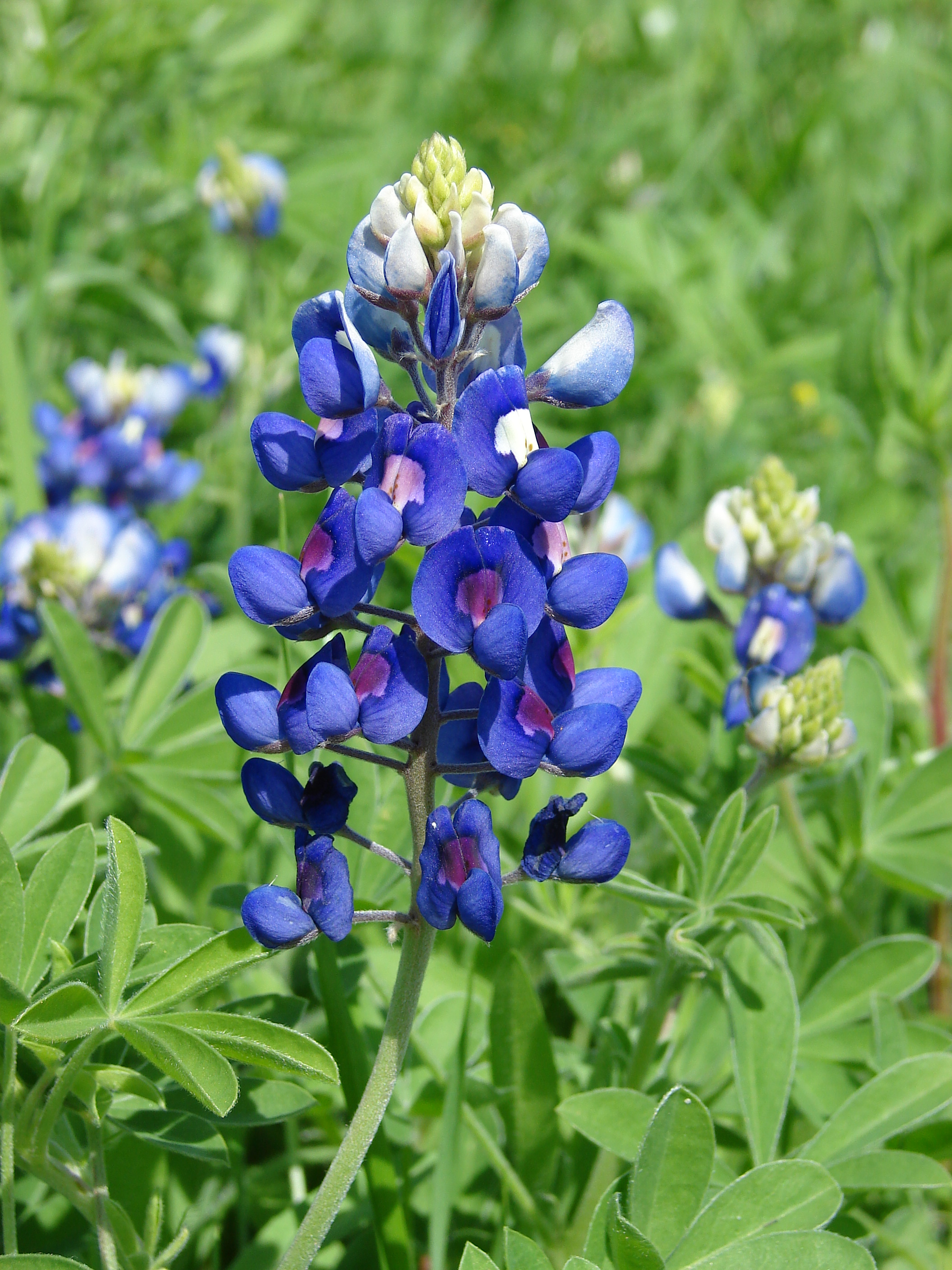
The Unassuming Elegance of the Bluebonnet
The official state flower of Texas is the Bluebonnet. While several species of bluebonnets are native to Texas, the most recognized and celebrated is Lupinus texensis. This charming wildflower, with its distinctive deep blue-purple petals, has captured the hearts of Texans for generations. Its blooming season, typically in the spring, transforms the landscape into a mesmerizing tapestry of color, drawing photographers, nature enthusiasts, and casual visitors alike to witness its ephemeral splendor.
A Symbol of Texas Identity
The adoption of the Bluebonnet as the state flower was not merely a whimsical choice; it was a deliberate act that imbued the bloom with profound symbolic meaning. Designated in 1901, the Bluebonnet was chosen to represent the unique spirit and enduring beauty of Texas. Its ability to thrive in the often harsh and arid conditions of the state speaks to the resilience and tenacity of its people. The vibrant blue color is often associated with the vast Texas sky, while its delicate form suggests a quiet strength.
The history of the Bluebonnet‘s recognition is a fascinating tale in itself. While the Bluebonnet species Lupinus texensis was officially designated, there was considerable debate regarding which of the five native bluebonnet species should hold this honor. Ultimately, Lupinus texensis prevailed, solidifying its place in the state’s iconography. This democratic process, in a way, mirrors the spirit of Texas, where diverse voices contribute to a collective identity.
Beyond the Bloom: The Cultural Significance
The Bluebonnet is far more than just a pretty flower; it’s deeply woven into the cultural fabric of Texas. From children’s books and art to state songs and official seals, the Bluebonnet appears in myriad forms, a constant reminder of home and heritage for Texans, no matter where their travels may take them. The annual pilgrimage to witness the Bluebonnets in bloom has become a cherished tradition, a rite of spring that unites communities and celebrates the natural wonders of the state.
During the spring months, particularly from March to April, vast fields and rolling hills across Texas become carpeted with these iconic flowers. Prime viewing locations include areas around Austin, San Antonio, Ennis (which hosts an annual Bluebonnet Festival), and the famous Texas Hill Country. These regions transform into natural works of art, inviting visitors to immerse themselves in the breathtaking scenery.
For travelers planning a trip to Texas during this enchanting period, experiencing the Bluebonnets is an absolute must. The sheer scale of the blooms, the vibrant hues against the green landscape, and the fresh spring air create an unforgettable sensory experience. Many towns organize Bluebonnet trails, guiding visitors through the most picturesque routes. These trails often pass by charming local eateries, quaint shops, and historical landmarks, offering a holistic immersion into the Texas experience.
Planning Your Bluebonnet Pilgrimage: Travel and Accommodation Tips
Embarking on a Bluebonnet pilgrimage requires a bit of planning to ensure the best possible experience. Understanding the timing of the bloom is crucial, as it can vary slightly year to year depending on rainfall and temperature. Generally, the peak blooming season occurs from mid-March through April. Many locals and tourism boards offer real-time updates on bloom status, which can be invaluable for tailoring your travel plans.
Destinations and Attractions for Bluebonnet Viewing
When considering destinations, the Texas Hill Country is arguably the most famous region for Bluebonnet viewing. Towns like Fredericksburg, Llano, and Marble Falls are central hubs, with scenic drives connecting them. These routes often wind through picturesque countryside, showcasing not only Bluebonnets but also other native wildflowers like Indian Paintbrushes and Indian Blankets, creating a stunning multi-colored spectacle.

Beyond the Hill Country, other areas are renowned for their Bluebonnet displays. The plains around Ennis, south of Dallas, are particularly famous for their well-maintained Bluebonnet trails. These trails are managed by local volunteers, ensuring that the flowers are preserved and accessible. Burnet, also in the Hill Country, is another excellent base, hosting its annual Bluebonnet Festival.
For those interested in combining Bluebonnet viewing with other attractions, consider these options:
- State Parks: Many Texas state parks offer exceptional Bluebonnet viewing opportunities. Enchanted Rock State Natural Area near Fredericksburg provides not only beautiful wildflowers but also the chance to hike a massive pink granite dome. Bastrop State Park and Buescher State Park near Austin are also known for their spring blooms.
- Historical Sites: Combine your wildflower hunt with a visit to historical landmarks. The area around Goliad State Park offers historical significance alongside natural beauty.
- Cities with Parks: Even major cities like Houston and Dallas have parks and green spaces where Bluebonnets can be found, though the vast, rolling fields are more typical of rural areas.
Accommodation and Lifestyle Considerations
When planning your stay, Texas offers a wide range of accommodation options to suit every budget and travel style. For those seeking a luxurious escape, the Hill Country boasts several high-end resorts and boutique hotels. Consider staying at the La Cantera Resort & Spa near San Antonio, or explore the charming inns in towns like Dripping Springs.
Budget travelers will find plenty of affordable options, including comfortable motels, vacation rentals, and campgrounds. Many small towns offer charming bed and breakfasts that provide a more intimate and local experience. Booking in advance is highly recommended, especially if you plan to visit during the peak Bluebonnet season, as accommodations can fill up quickly.
Consider the type of experience you are looking for:
- Luxury Travel: Indulge in world-class amenities at resorts like the Four Seasons Hotel Austin or enjoy the sophisticated ambiance of a vineyard stay in the Hill Country.
- Family Trips: Many accommodations offer family-friendly amenities. Look for hotels with pools or consider renting a villa or apartment for more space. Parks and open fields are ideal for picnics and outdoor activities.
- Budget Travel: Explore budget-friendly motels, campgrounds, and guesthouses. Packing your own snacks and picnic supplies can also help save money on food.
- Long-term Stay: For those wanting to immerse themselves longer, consider renting an apartment or house in one of the smaller towns, allowing you to explore at a leisurely pace.
When exploring the Bluebonnet fields, remember to be respectful of private property and the environment. Stick to designated trails and avoid picking the flowers, as this helps ensure they can be enjoyed by others in the future and can reseed for the next season. Many towns have Bluebonnet etiquette guides available online to help visitors appreciate the flowers responsibly.
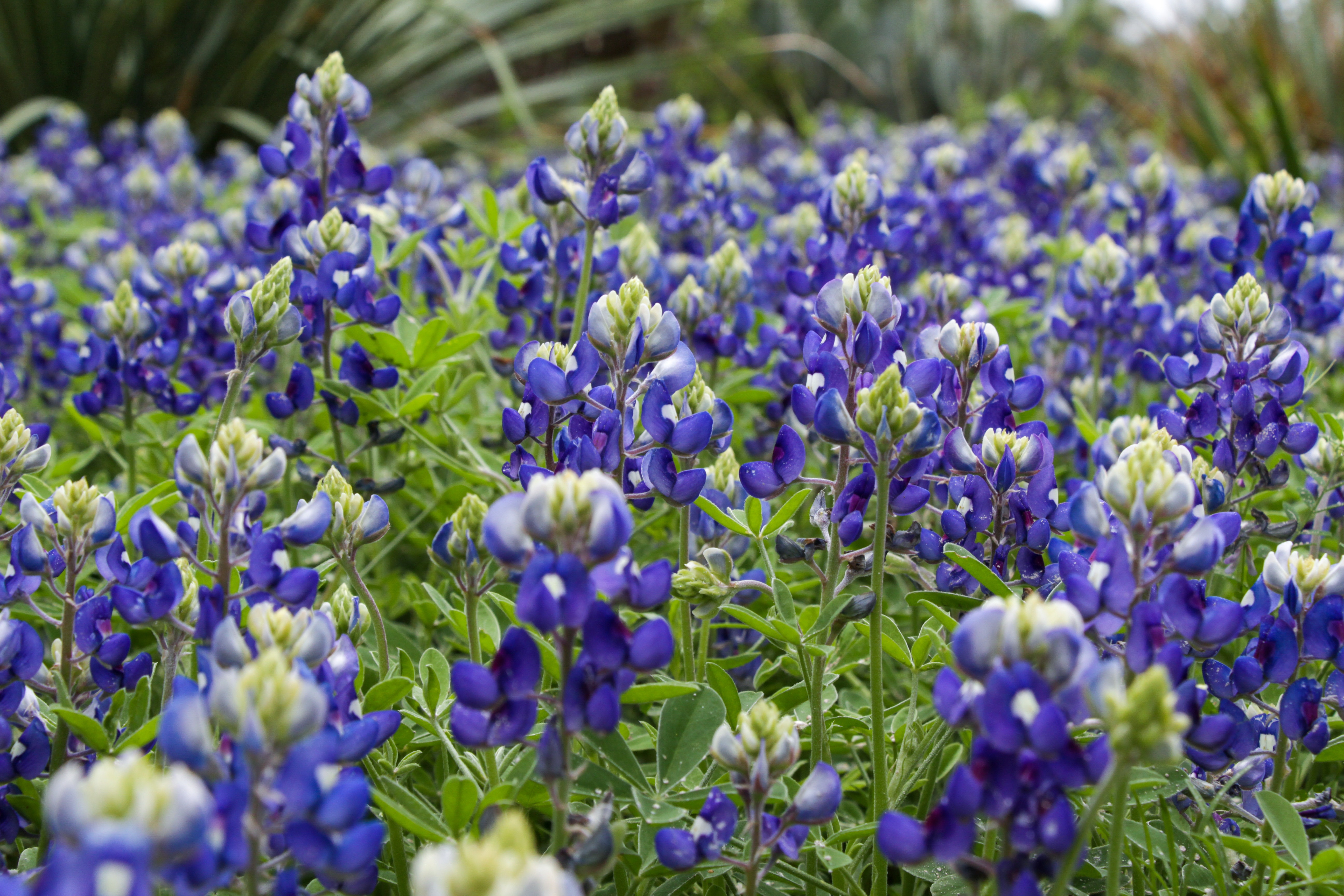
The Enduring Legacy of the Bluebonnet
The Bluebonnet, in its unassuming yet radiant beauty, serves as a constant reminder of the unique character and natural treasures of Texas. Its annual resurgence is an event that inspires awe and a deep sense of pride among Texans. For visitors, it offers a captivating glimpse into the soul of the state, a chance to connect with nature and experience a tradition that has been cherished for over a century.
Whether you are drawn to Texas for its sprawling ranches, its dynamic cities, its rich history, or its delectable cuisine, the Bluebonnet season provides a truly magical window into its essence. The vibrant hues of the state flower painting the landscape are a testament to the enduring spirit of Texas – resilient, beautiful, and eternally captivating. Planning a trip around this natural spectacle is an experience that promises to be both visually stunning and deeply rewarding, offering a unique perspective on the Lone Star State’s identity.
Beyond the visual spectacle, the Bluebonnet also inspires a sense of nostalgia and belonging. Many Texans have childhood memories of driving through the countryside with their families, searching for the best patches of Bluebonnets. These shared experiences strengthen the emotional connection to the state flower and to Texas itself.
The story of the Bluebonnet is intertwined with the broader narrative of Texas exploration and tourism. From the vast expanses of the Big Bend National Park to the historic missions of San Antonio, the state offers a diverse array of attractions. However, the simple, widespread beauty of the Bluebonnets provides an accessible and universally appealing experience that can be enjoyed by everyone. It is a natural wonder that requires no admission fee, no special equipment, and no prior knowledge, simply an appreciation for the beauty of the natural world.
As you plan your travels to Texas, consider incorporating a visit during the spring months to witness this iconic wildflower in its full glory. The experience of driving through fields ablaze with blue, punctuated by the fiery reds of Indian Paintbrushes, is one that will undoubtedly leave a lasting impression. It is a vivid reminder that sometimes, the most profound symbols of a place are found not in grand monuments or bustling cities, but in the simple, enduring elegance of nature.