
Navigating the complexities of taxation is a crucial aspect of both travel and lifestyle, especially when exploring a vast and diverse state like Texas. From the moment you book your stay in a luxurious Dallas resort to enjoying a delicious meal in a San Antonio eatery, taxes are an invisible but ever-present component of your expenditure. This article delves into the intricacies of Texas tax rates, breaking down how they apply to various aspects of your visit and long-term experience in the Lone Star State. Understanding these rates can significantly impact your travel budget, whether you’re planning a weekend getaway or considering a more extended stay, influencing decisions about accommodation, dining, and even souvenir purchases.
Understanding the Texas Sales and Use Tax Landscape
At its core, Texas operates on a sales and use tax system. This means that a percentage of the price of goods and services is collected by businesses and remitted to the state. Unlike some states that have a single statewide sales tax rate, Texas employs a more nuanced approach. The state rate provides a baseline, but this is supplemented by local taxes levied by cities, counties, and special districts. This layered system is why you’ll often encounter varying tax rates depending on your specific location within Texas.
The State Sales Tax Component
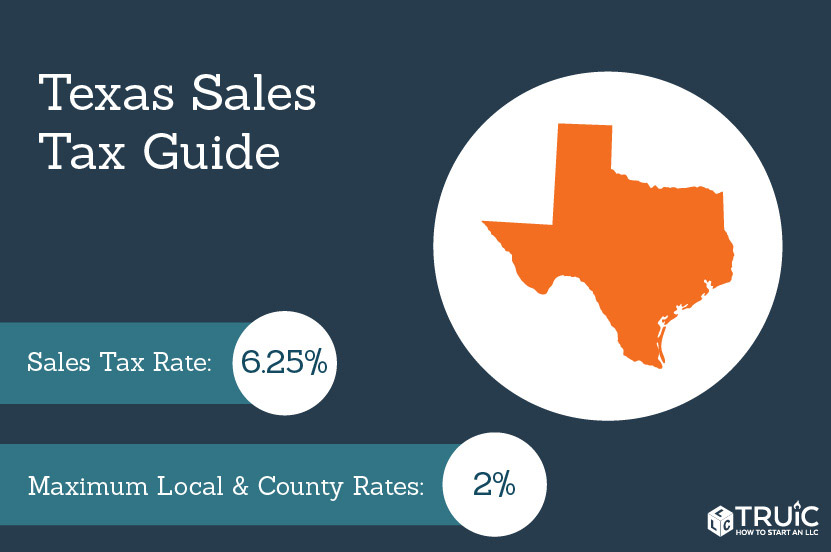
The foundation of the Texas sales tax is the statewide rate. Currently, this rate stands at 6.25%. This is the mandatory portion that applies across the entire state on taxable goods and services. When you make a purchase, this 6.25% is the initial figure that’s calculated. However, it’s crucial to remember that this is rarely the final tax burden you’ll experience.
Local Additions: Cities, Counties, and Special Districts
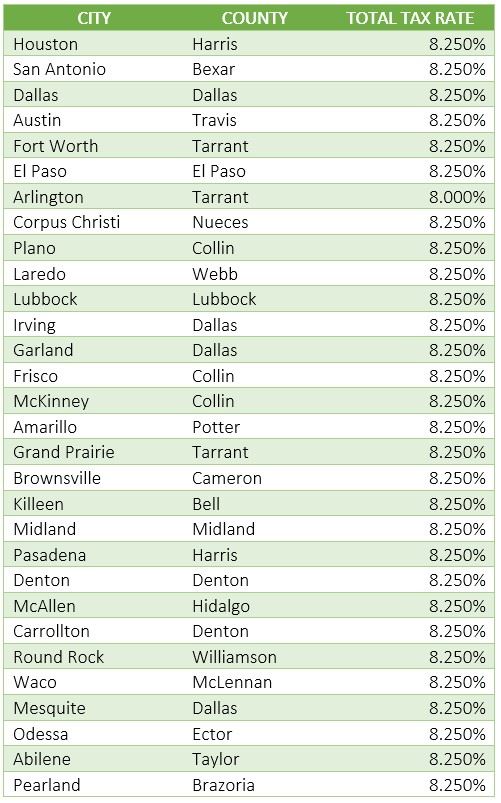
This is where the Texas tax landscape becomes more dynamic. Cities, counties, and special districts are authorized to impose their own local sales taxes. These local taxes are added to the state rate, creating a combined tax rate that can vary significantly from one municipality to another. For instance, the sales tax rate in Houston might differ from that in Austin or a smaller town like Fredericksburg. These local taxes are often implemented to fund local services such as schools, public safety, and infrastructure improvements.
The maximum combined state and local sales tax rate in Texas is capped at 8.25%. This cap means that even with the combined efforts of state, city, county, and special district taxes, your total sales tax will not exceed this threshold. However, many areas in Texas fall below this maximum. For example, a city might have a local rate that, when added to the state rate, results in a combined rate of, say, 7.25% or 7.75%.
What is Taxable in Texas?
The scope of what is subject to sales tax in Texas is quite broad, encompassing a vast array of goods and services. Generally, tangible personal property is taxable, along with certain services. This includes everyday items like clothing, electronics, and furniture, as well as more specialized purchases.
When it comes to travel and tourism, many aspects of your experience will be subject to sales tax. This includes:
- Hotel Occupancy Taxes: This is a significant area for travelers. When you book a room at a Dallas hotel, a Galveston resort, or a Austin apartment, you’ll encounter a specific occupancy tax. This tax is typically a combination of state and local components, designed to fund tourism promotion and related services. The state hotel occupancy tax is 6%, but cities and counties can add their own rates, with the total often reaching 9% or more. For instance, staying at the Drury Plaza Hotel in San Antonio will involve this occupancy tax.
- Restaurant and Food Purchases: Dining out is a quintessential part of tourism and lifestyle. In Texas, most prepared food sold by restaurants, cafes, and caterers is taxable. This includes meals, snacks, and even some beverages. If you’re enjoying barbecue in Austin or Tex-Mex in El Paso, the sales tax will be applied.
- Retail Purchases: Souvenirs, clothing, gifts, and any other tangible goods you purchase while exploring Texas landmarks like the Alamo or the Space Center Houston will be subject to the prevailing state and local sales tax rates.
- Entertainment and Attractions: Tickets to theme parks, museums, sporting events, and other attractions often include sales tax. So, a visit to Six Flags Fiesta Texas or the Perot Museum of Nature and Science will have this factored into the ticket price.
- Car Rentals and Transportation Services: Renting a vehicle for your exploration of Texas, or utilizing certain transportation services, may also incur sales tax.
It’s important to note that some items and services are specifically exempted from sales tax in Texas. These can include certain groceries, prescription medications, and a variety of business-to-business transactions. For travelers, however, the general rule is that most goods and services purchased for personal consumption or enjoyment will be taxed.
Navigating Accommodation Taxes: A Deeper Dive
For anyone considering accommodation in Texas, from a short hotel stay to a more extended long-term stay in a villa, understanding the nuances of occupancy taxes is vital. These taxes are designed to support the tourism industry, but they add a significant layer to your overall lodging costs.
The State Hotel Occupancy Tax (HOT)
The Texas Comptroller of Public Accounts levies a state hotel occupancy tax of 6%. This is a baseline tax that applies to every hotel, motel, or other lodging establishment in the state. The revenue generated from this tax is primarily used to fund the Texas Tourism Division, which in turn promotes Texas as a travel destination.
Local Hotel Occupancy Taxes: Adding to the Burden
In addition to the state HOT, cities and counties are empowered to impose their own local hotel occupancy taxes. These local rates vary widely and can significantly increase the total tax burden on your lodging.
- City HOT: Many cities in Texas levy their own HOT. These can range from 2% to 7% or even higher in some tourist-heavy areas. For example, a popular destination like Galveston might have a higher city HOT to support its coastal tourism infrastructure and attractions.
- County HOT: Counties can also impose a HOT, often in areas that are not incorporated into a city or where additional tourism funding is deemed necessary. These rates are typically lower than city rates but still contribute to the overall cost.
- Special Districts: In certain areas, special districts, such as river authorities or convention center districts, may also have the authority to levy a HOT to fund specific projects or amenities that benefit tourism.
The maximum combined state and local hotel occupancy tax rate in Texas is 15%. However, this is a high-end figure, and most locations will have a combined rate lower than this. For instance, a standard hotel in a mid-sized city might have a combined HOT of around 9% to 11%. When booking accommodation through platforms that allow comparison and reviews, you can often see the total price including taxes, but it’s always wise to be aware of how these different components contribute.
Impact on Different Types of Accommodation
The hotel occupancy tax applies to most forms of short-term lodging. This includes:
- Hotels and Motels: The most common form of lodging, directly subject to HOT.
- Resorts: Luxurious resorts in destinations like the Texas Hill Country will also charge these taxes.
- Bed and Breakfasts: Smaller establishments are not exempt.
- Vacation Rentals and Apartments: If rented for less than 30 days, these are typically subject to HOT, often collected by the booking platform or the property owner. This is particularly relevant for those seeking apartments for shorter stays.
- Villas: Similar to vacation rentals, villas for short-term stays will incur these taxes.
For long-term stays (typically defined as 30 consecutive days or more), the rules can differ. In many cases, these longer rentals are treated more like residential leases and may be exempt from hotel occupancy taxes, instead being subject to regular property taxes or no sales tax at all, depending on the specific arrangement and local ordinances. This distinction can be a significant factor for those considering extended visits or temporary relocations to Texas.
Lifestyle and Luxury Travel: How Taxes Play a Role
The lifestyle you adopt while in Texas, whether it’s indulging in luxury travel or sticking to a budget travel plan, is invariably influenced by tax rates. Even the seemingly small percentage points add up, especially over extended periods or for high-value purchases.
Luxury Travel Considerations
For those who prefer luxury travel, the impact of taxes on high-end goods and services can be substantial.
- Fine Dining: A lavish meal at a Michelin-starred restaurant in Dallas or a bespoke culinary experience in Austin will have sales tax added to the bill, which on a substantial tab can be a considerable sum.
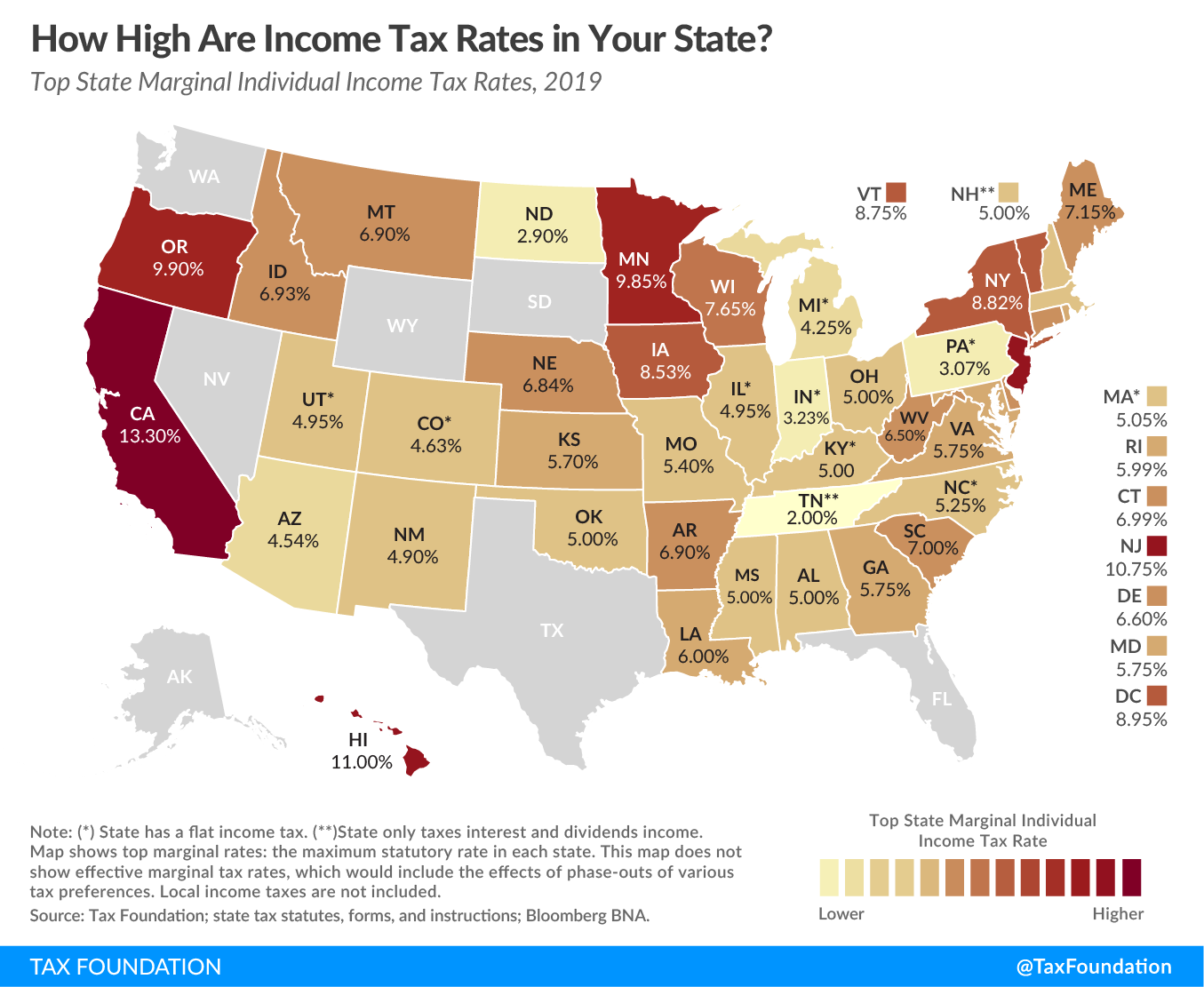
- High-End Retail: Shopping for designer clothing, luxury watches, or unique art pieces in boutiques across Texas will also be subject to sales tax. While Texas does not have a state income tax, its sales tax can be a notable expense for affluent shoppers.
- Exclusive Accommodation: While hotel occupancy taxes are standard, the sheer volume of spending at luxury resorts – from spa treatments to gourmet room service – means that taxes on these ancillary services can add up.
Budget Travel Strategies
For budget travel enthusiasts, understanding tax rates can inform strategic spending.
- Strategic Shopping: Knowing which areas might have slightly lower local sales taxes can influence where you choose to shop for souvenirs or necessities. While the difference might be marginal for small purchases, it can become noticeable for larger items.
- Dining Choices: Opting for grocery stores or casual eateries that might have different tax structures for food preparation can offer savings. For example, pre-packaged grocery items are often taxed at a lower rate than prepared meals from a restaurant.
- Accommodation Comparisons: When comparing hotels or apartments, factoring in the total tax amount, including occupancy taxes, is crucial for an accurate budget. A slightly cheaper room before taxes might end up being more expensive than a comparable option with lower total tax.
Business Stays and Tax Implications
For those on business stays, the tax implications can be even more complex, especially regarding reimbursements and company policies.
- Reimbursement Policies: Many companies have strict guidelines on what expenses are reimbursable, and this often includes sales tax. Understanding the applicable rates ensures accurate expense reporting.
- Lodging for Extended Business Trips: For employees on longer assignments, the distinction between short-term lodging (subject to HOT) and potentially longer-term leases (which might be exempt or taxed differently) can be significant for managing expenses.
- Business Purchases: When businesses purchase goods or services in Texas, they may be eligible for resale certificates or other exemptions, which can reduce their tax liability. This is a crucial consideration for any company operating within or sourcing from Texas.
In conclusion, while Texas may not have a state income tax, its sales and occupancy tax structure is a vital consideration for anyone visiting or living in the state. From the foundational state rate to the layered local additions, understanding these percentages empowers travelers and residents to make informed financial decisions, ensuring their Texas experience, whether for tourism, lifestyle, or business, aligns with their budgetary expectations.