
When planning a trip, understanding the nuances of time zones can be surprisingly crucial. Whether you’re coordinating with colleagues across the country, booking flights, or simply trying to adjust to a new rhythm, knowing the time difference between your departure and arrival points is essential. For many travelers, a common query arises when journeying between the sun-drenched shores of California and the vast, diverse landscapes of Texas. These two influential states, while both residing within the continental United States, operate on different time schedules, impacting everything from your morning coffee to your evening entertainment.

This article delves into the specific time difference between California and Texas, exploring the underlying reasons and offering practical insights for travelers. We’ll break down the time zones involved, discuss how Daylight Saving Time affects the difference, and provide actionable tips for managing your schedule when moving between these two vibrant regions.
Understanding the Time Zones
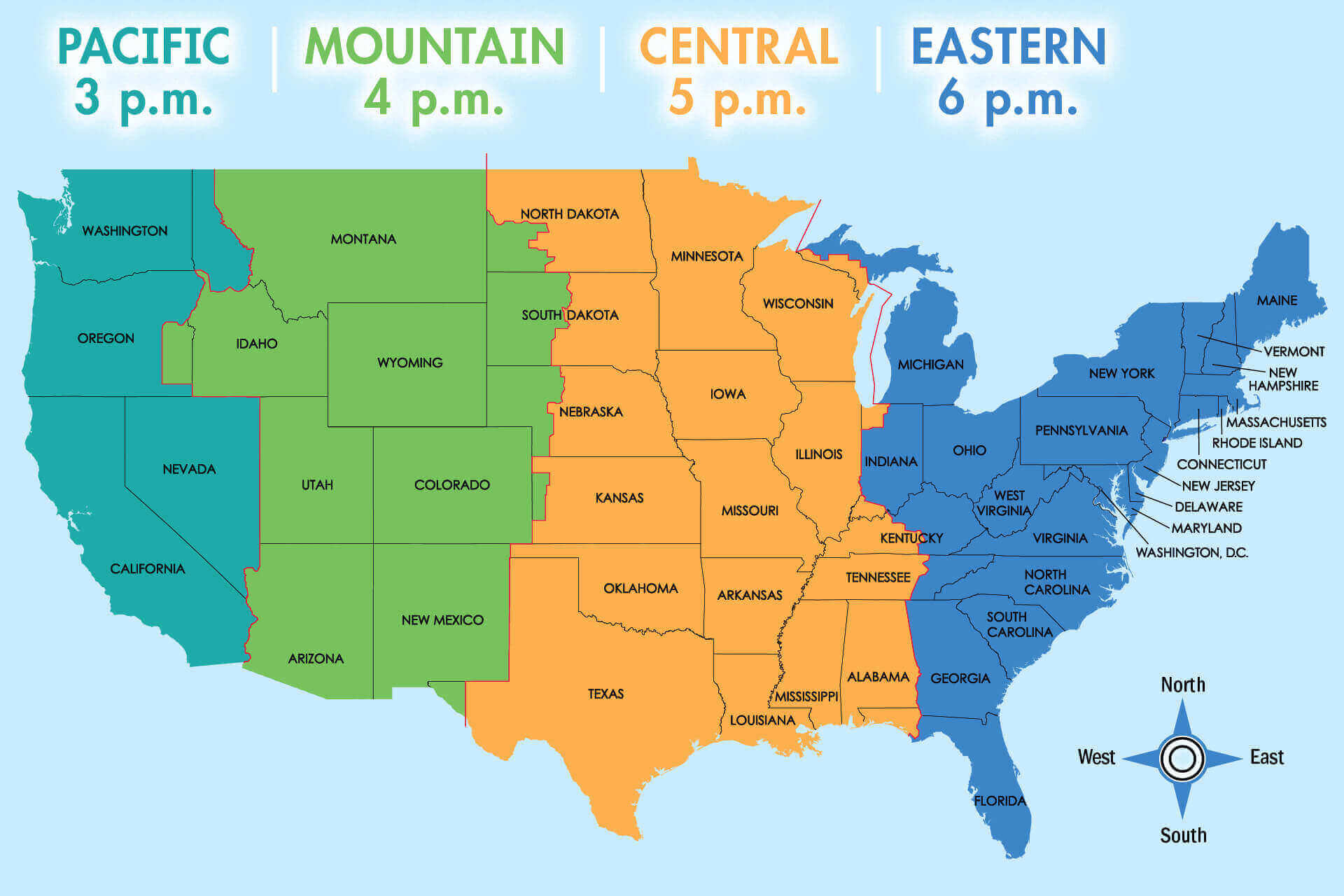
The United States is a vast country, spanning several geographical time zones. This division is necessary to synchronize local times with the sun’s position, ensuring that noon generally corresponds to when the sun is at its highest point in the sky. This system helps regulate daily activities and prevents widespread confusion.
Pacific Time Zone (PT) in California
California, with its iconic cities like Los Angeles, San Francisco, and San Diego, primarily observes the Pacific Time Zone (PT). This zone is 8 hours behind Coordinated Universal Time (UTC-8) during standard time. When Daylight Saving Time is in effect, it shifts to Pacific Daylight Time (PDT), which is 7 hours behind UTC (UTC-7). For the purpose of calculating the difference with Texas, understanding the base UTC offset is key.
Central Time Zone (CT) in Texas
Texas, a state renowned for its sprawling ranches, rich history, and bustling metropolises such as Houston, Dallas, and Austin, largely falls within the Central Time Zone (CT). The Central Time Zone is 6 hours behind UTC during standard time (UTC-6). During Daylight Saving Time, it transitions to Central Daylight Time (CDT), which is 5 hours behind UTC (UTC-5).
It’s important to note that while the vast majority of Texas operates on Central Time, there’s a small sliver of Texas in the westernmost part, including cities like El Paso, that observes Mountain Time Zone (MT). However, for the purpose of this general comparison and for most travelers, the dominant Central Time Zone is the relevant consideration for Texas.
The Core Time Difference
The fundamental time difference between California and Texas stems from their respective time zones. California operates on Pacific Time, and Texas operates on Central Time.
During standard time periods, when both zones are observing their standard offsets:
- California (Pacific Standard Time – PST): UTC-8
- Texas (Central Standard Time – CST): UTC-6
The difference here is UTC-6 minus UTC-8, which equals 2 hours. Therefore, Texas is 2 hours ahead of California during standard time.
For example, if it is 9:00 AM in Los Angeles, California, it is 11:00 AM in Dallas, Texas.
The Impact of Daylight Saving Time
The introduction of Daylight Saving Time (DST) is a critical factor that influences the perceived time difference between California and Texas. Both states, along with the majority of the United States, observe DST.
- California shifts from Pacific Standard Time (PST) to Pacific Daylight Time (PDT).
- Texas shifts from Central Standard Time (CST) to Central Daylight Time (CDT).
During Daylight Saving Time:
- California (Pacific Daylight Time – PDT): UTC-7
- Texas (Central Daylight Time – CDT): UTC-5
Let’s calculate the difference again: UTC-5 minus UTC-7 equals 2 hours.
This means that, remarkably, the time difference between California and Texas remains 2 hours year-round, regardless of whether Daylight Saving Time is in effect or not. This consistency is a relief for travelers as it simplifies planning without needing to constantly adjust for DST changes.
Here’s a simple way to remember it:
- California time + 2 hours = Texas time
This consistent 2-hour gap is a key piece of information for anyone flying between these states, scheduling calls, or simply trying to gauge the local time in their destination.
Practical Implications for Travelers
Understanding the 2-hour time difference between California and Texas has several practical implications for travelers, influencing everything from flight bookings to daily itineraries.
Flight Bookings and Travel Itineraries
When booking flights, always pay close attention to the arrival and departure times listed in local time for both cities. For instance, if you book a flight departing Los Angeles at 10:00 AM PST and it’s a 3-hour flight, you might arrive in Dallas at 4:00 PM CST. This is because 10:00 AM PST is 12:00 PM CST at the time of departure, and adding the 3-hour flight duration brings you to 3:00 PM CST, but then you must account for the time zone difference itself, meaning the clock will show 4:00 PM CST upon arrival.
- Departure from California: If you depart San Francisco at 2:00 PM PST, it’s already 4:00 PM in Houston, Texas.
- Arrival in Texas: If you land in Austin at 6:00 PM CST, it’s only 4:00 PM back in San Diego, California.
This means that while your flight might be relatively short, the clock will jump forward an extra hour due to the time zone change. This can make a late afternoon departure from California feel like an early evening arrival in Texas. Be mindful of this when planning onward travel or evening activities upon arrival.
Business and Communication
For business professionals, accurately tracking meeting times is paramount. If you have a virtual meeting scheduled with a team member in Texas while you are in California, remember to add two hours to your local time to determine their meeting time. Misunderstandings can lead to missed calls, crucial delays, and missed opportunities. Always confirm meeting times by stating both the time and the relevant time zone (e.g., “Let’s meet at 10:00 AM PST, which is 12:00 PM CST”). This clarity prevents confusion.
Many businesses operating across state lines have adopted sophisticated scheduling tools that automatically account for time zone differences, but for ad-hoc communication, a mental note or a quick check is always wise.
Leisure and Lifestyle Adjustments
For leisure travelers, the time difference impacts how you structure your days.
- Morning Activities: If you’re an early riser in California, enjoying a quiet sunrise jog at 7:00 AM PST, your counterparts in Texas will already be well into their day, with it being 9:00 AM. This can mean that popular attractions might be less crowded if you visit them shortly after they open in Texas, as many Californians might still be enjoying their morning coffee.
- Evening Entertainment: Conversely, if you plan to catch a late-night concert in Los Angeles that ends at 11:00 PM PST, it will be 1:00 AM in Texas. This might influence your decision on how late you want to stay out if you have early morning plans the next day in Texas.
- Dining: Dinner reservations might feel earlier or later depending on your perspective. A 7:00 PM reservation in Texas is equivalent to a 5:00 PM reservation in California, which might seem quite early for a full dinner.
When exploring the vibrant culinary scenes, from the fresh seafood of California to the hearty barbecue of Texas, or when planning visits to iconic landmarks like the Golden Gate Bridge or The Alamo, factoring in the time difference will help you maximize your experience and avoid feeling rushed or out of sync.

Adapting to Local Time
The best way to adjust to a new time zone is to immediately adopt the local time. This means setting your watch, phone, and any other timekeeping devices to the Central Time Zone upon arrival in Texas. Try to eat, sleep, and engage in activities according to the local schedule. While the 2-hour difference is not as drastic as crossing the country from coast to coast, a conscious effort to adapt will help prevent jet lag and allow you to fully immerse yourself in the local culture and pace of life, whether you’re enjoying the resort amenities at a Texas hotel or exploring the natural beauty of a California national park.
In conclusion, the time difference between California and Texas is a consistent 2 hours, with Texas being ahead. This understanding is a small but significant piece of knowledge that can greatly enhance your travel experience, ensuring smoother transitions, effective communication, and a more enjoyable exploration of these two incredible states.