
The allure of transatlantic travel, the promise of experiencing vastly different cultures, and the exciting prospect of exploring iconic landmarks often lead to a fundamental question for any traveler: what is the time difference between New York and London? Understanding this temporal gap is crucial for seamless travel planning, from booking flights and accommodations to managing jet lag and making important calls. Whether you’re embarking on a luxury escape to a five-star resort in Mayfair, a budget-friendly backpacking adventure through the United States, or a business trip requiring precise scheduling, grasping the nuances of the time difference between these two global powerhouses is the first step towards a successful and enjoyable journey.

This article will delve into the specifics of the time difference between New York and London, exploring the underlying reasons for it, how it fluctuates throughout the year, and practical tips for navigating this temporal divide. We will touch upon how this impacts travel experiences, accommodation choices, and an appreciation for the local culture of both destinations, all while keeping in mind the diverse lifestyles that these cities cater to, from the discerning traveler seeking the finest suites to the family embarking on a memorable vacation.
Understanding Time Zones and Daylight Saving Time
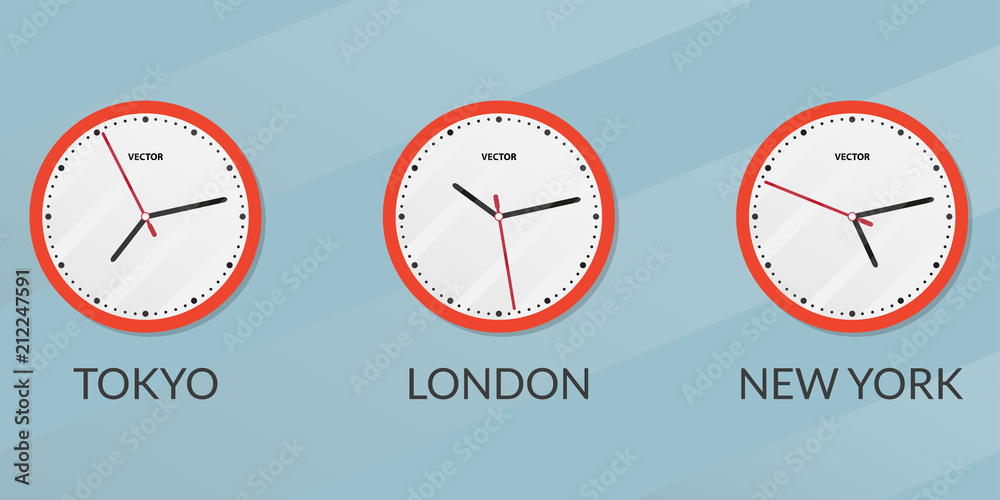
The primary reason for the time difference between New York and London lies in their geographical locations and the Earth’s rotation. The world is divided into 24 standard time zones, each roughly 15 degrees of longitude apart, to approximate one hour of difference. New York, located on the east coast of the United States, observes Eastern Standard Time (EST) during standard periods, which is Greenwich Mean Time (GMT) minus five hours (GMT-5). London, on the other hand, is situated in the United Kingdom and uses Greenwich Mean Time (GMT) as its standard time. Therefore, the baseline time difference is five hours, with London being five hours ahead of New York.
The Impact of Daylight Saving Time
However, this five-hour difference is not constant throughout the year. Both the United States and the United Kingdom observe Daylight Saving Time (DST), also known as British Summer Time (BST) in the UK. This practice of advancing clocks forward by one hour during warmer months aims to make better use of daylight. The complication arises because the dates on which DST begins and ends are not synchronized between the two regions.
In the United States, DST typically starts on the second Sunday in March and ends on the first Sunday in November. In the United Kingdom, BST begins on the last Sunday in March and ends on the last Sunday in October. This divergence in schedules creates periods where the time difference can momentarily shift.
For instance, in early March, before the United States has moved its clocks forward for DST, the difference remains five hours. However, once New York springs forward, it moves to Eastern Daylight Time (EDT), which is GMT-4. This narrows the gap to four hours. Conversely, in late October, the United Kingdom will have reverted to GMT (or more precisely, Greenwich Mean Time) from BST, while New York may still be observing EDT. This momentary mismatch means that for a couple of weeks, the time difference can be four hours, before New York also reverts to EST, re-establishing the five-hour differential.
This fluctuating time difference can be a minor, yet significant, factor for travelers. Someone booking a hotel in Times Square might need to factor this in when coordinating with a travel agent in London, or vice-versa. It’s essential to check the specific dates of travel and consult a reliable time zone converter to ensure accurate scheduling.
Navigating Jet Lag and Travel Planning
The significant time difference between New York and London is a primary contributor to jet lag, a common ailment for transoceanic travelers. Jet lag occurs when your body’s internal clock, or circadian rhythm, is out of sync with the new time zone. This can lead to fatigue, insomnia, digestive issues, and a general feeling of disorientation.
Strategies for Minimizing Jet Lag

For travelers planning a trip to explore the historic landmarks of London or the vibrant energy of New York, mitigating jet lag is paramount to enjoying the experience. Several strategies can help ease the transition:
- Adjust Your Sleep Schedule Gradually: A few days before your departure, try to shift your sleep and wake times closer to your destination’s schedule. If traveling east to London, go to bed and wake up earlier. If traveling west to New York, try staying up later.
- Embrace Local Time Upon Arrival: Once you land, immediately set your watch to the local time and try to live by it. Force yourself to stay awake until a reasonable bedtime, even if you feel exhausted. Conversely, try to wake up at a normal local hour.
- Seek Natural Light: Exposure to natural daylight is a powerful cue for resetting your internal clock. Spend time outdoors during daylight hours at your destination.
- Stay Hydrated and Limit Alcohol/Caffeine: Dehydration can exacerbate jet lag symptoms. Drink plenty of water throughout your flight and upon arrival. While tempting, limit your intake of alcohol and caffeine, especially close to bedtime, as they can disrupt sleep patterns.
- Consider Meal Times: Eating meals at appropriate local times can also help signal to your body when it’s time to be awake and active or to rest.
- Choose Flight Times Wisely: Flights that arrive in the late afternoon or early evening can be beneficial, allowing you to have a meal and go to bed at a relatively normal hour, facilitating a smoother overnight rest.
When booking accommodation, whether a chic hotel in SoHo or a charming boutique hotel in Notting Hill, consider its location and amenities that might aid in rest, such as blackout curtains or quiet rooms. For those seeking longer-term stays, understanding the time difference is also vital for maintaining connections with family and colleagues back home.
Practical Implications for Travelers and Tourists
The time difference between New York and London has practical implications for a wide range of travel-related activities, influencing how tourists experience local culture, plan their days, and utilize various services.
Communication and Coordination
For travelers, clear communication is key. When planning a trip, especially one involving booking through websites that compare accommodation or involve long-term stays, understanding the time difference is crucial for making calls and receiving timely responses. A quick query about the amenities at a luxury resort in the Hamptons might need to be timed carefully to reach a representative in London during their working hours. Similarly, coordinating meeting times for guided tours of iconic landmarks like the Statue of Liberty or the Tower of London requires careful attention to the temporal gap.
Daily Itineraries and Experiences
The time difference also impacts how travelers plan their daily itineraries. If you’re keen to catch an early morning Broadway show in New York or enjoy a traditional afternoon tea in London, you’ll need to account for the hours that separate you.
For those interested in the local culture and culinary scenes, the time difference can influence when certain establishments are open. A restaurant reservation in Greenwich Village might need to be booked considering when the kitchen staff in Shoreditch are preparing for their evening rush. This also applies to activities. For example, witnessing a sunrise over the Hudson River from a New York hotel suite might be happening when Londoners are settling down for dinner.
Business and Leisure Integration
For individuals undertaking business stays that also allow for leisure, the time difference is a constant consideration. A business meeting in the City of London might conclude late in the evening for someone based in New York, leaving little time for evening exploration. Conversely, an early morning conference call from New York would mean a very early start for colleagues in London.
This temporal disparity also influences how people engage with global events. Whether it’s following a live sporting event, watching a premiere on a streaming service, or participating in online forums discussing destinations, knowing the exact time difference ensures you don’t miss out. Ultimately, whether you’re seeking the thrill of adventure, the comfort of a well-appointed villa, or the insights of local tourism, a firm grasp of the time difference between New York and London is an indispensable tool for a truly seamless and enriching travel experience.
LifeOutOfTheBox is a participant in the Amazon Services LLC Associates Program, an affiliate advertising program designed to provide a means for sites to earn advertising fees by advertising and linking to Amazon.com. Amazon, the Amazon logo, AmazonSupply, and the AmazonSupply logo are trademarks of Amazon.com, Inc. or its affiliates. As an Amazon Associate we earn affiliate commissions from qualifying purchases.