
Understanding the intricacies of time zones is fundamental for anyone planning a visit to the Golden State, considering a move, or conducting business across its borders. California, a jewel of the United States, operates on Pacific Time, a critical piece of information that dictates everything from flight schedules and hotel check-ins to coordinating virtual meetings and managing jet lag. This comprehensive guide delves into California’s time difference, offering insights for seamless travel, efficient planning, and a deeper appreciation of how time shapes the California experience.
Navigating California’s Pacific Time Zone
At its core, California adheres to the Pacific Time Zone (PT). However, the specific designation shifts throughout the year due to Daylight Saving Time. For roughly eight months, from early March to early November, the state observes Pacific Daylight Time (PDT). During the remaining four months, it switches to Pacific Standard Time (PST).
Pacific Standard Time (PST) and Pacific Daylight Time (PDT) Explained
Pacific Standard Time (PST) is observed during the winter months, typically from the first Sunday in November to the second Sunday in March. It is seven hours behind Coordinated Universal Time (UTC-7). This means that when it’s noon UTC, it’s 5:00 AM in California.
Pacific Daylight Time (PDT) kicks in for the spring, summer, and early autumn, from the second Sunday in March to the first Sunday in November. During this period, clocks are advanced by one hour, making California six hours behind Coordinated Universal Time (UTC-6). The “spring forward” and “fall back” adjustments are key considerations for anyone planning events, bookings, or communications across time zones. This shift maximizes daylight hours during the longer days, a practice designed to conserve energy and provide more evening daylight for activities.
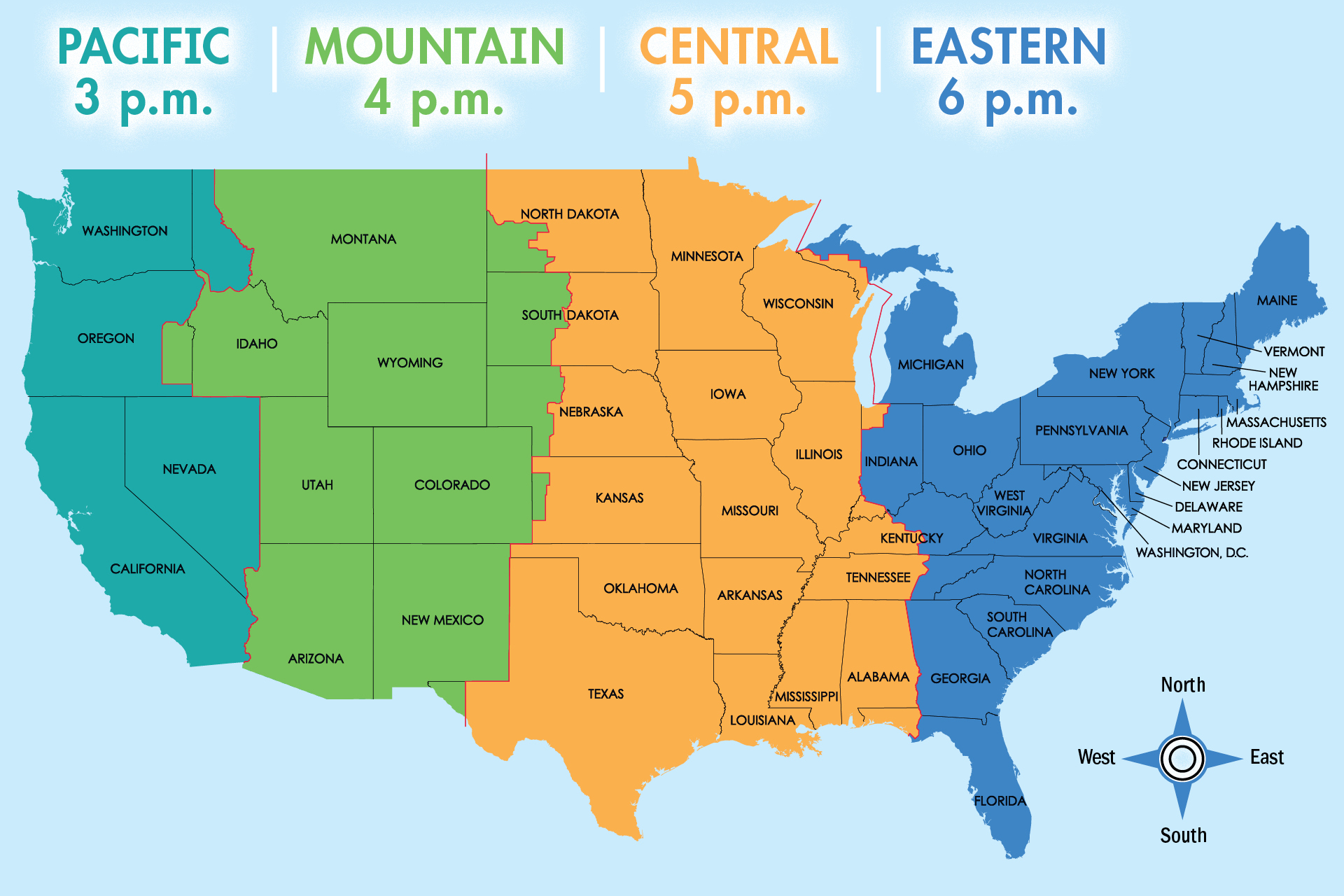
The geographical reach of the Pacific Time Zone extends beyond California, encompassing the entirety of Nevada and Washington, most of Oregon (with a small portion in the Mountain Time Zone), and the northern panhandle of Idaho. This consistency within the westernmost contiguous United States simplifies regional travel and business, but the differences with other parts of the country and the world remain significant.
Time Differences Across the United States
Understanding the time differential between California and other major regions within the United States is crucial for domestic travelers and businesses alike. The vast expanse of the country leads to several distinct time zones, each presenting its own set of challenges and considerations.
Comparing with the East Coast (EST/EDT)
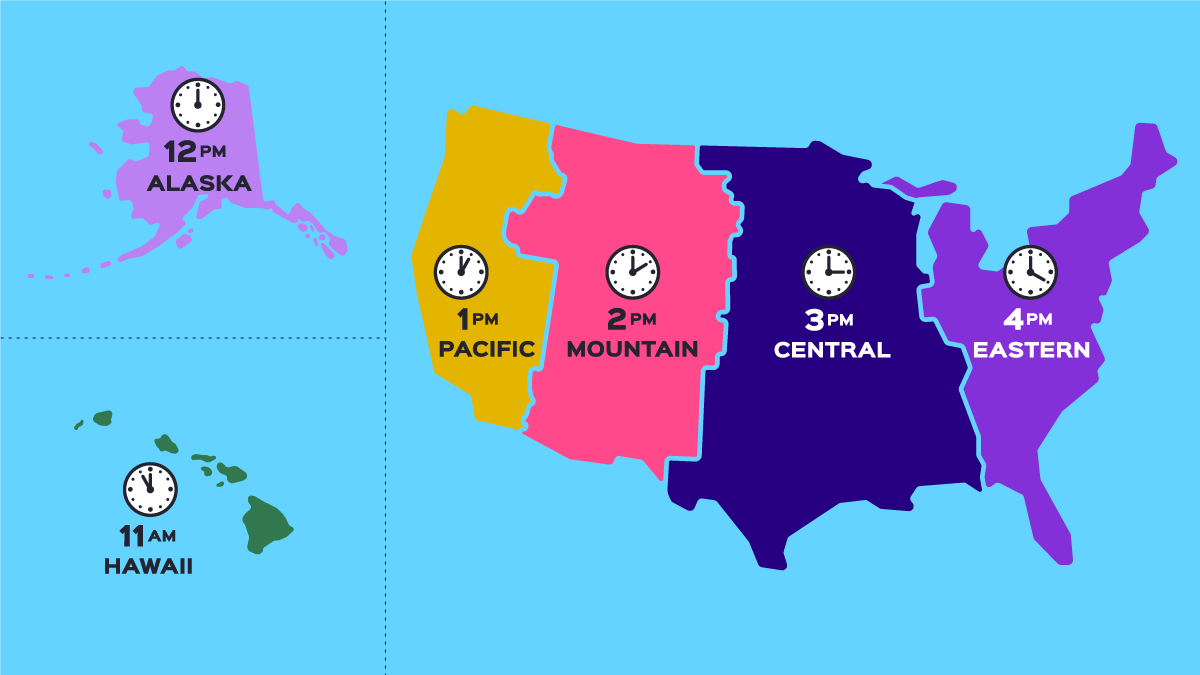
The most significant domestic time difference is with the East Coast, which observes Eastern Time (ET). This encompasses major cities like New York City, Miami, and Boston. There is a consistent three-hour difference between California and the East Coast.
- When it’s 9:00 AM PDT in Los Angeles, it’s 12:00 PM EDT in New York City.
- When it’s 9:00 AM PST in San Francisco, it’s 12:00 PM EST in Miami.
This three-hour gap has substantial implications for business travelers, families coordinating calls, or even sports fans following live events. A morning meeting on the East Coast might necessitate a very early start for someone in California, while an evening social call for California residents could be quite late for their East Coast counterparts. Hotels and accommodation providers often advise guests from the East Coast to plan for jet lag upon arrival, suggesting strategies like adjusting sleep schedules days before travel or booking early flights to allow for daytime acclimation.
Midwest and Mountain Regions (CST/CDT, MST/MDT)
Moving westward from the East Coast, we encounter the Central Time Zone (CT), covering states like Texas, Illinois, and Missouri, and then the Mountain Time Zone (MT), which includes Colorado, Arizona (mostly without Daylight Saving Time), and Utah.
- Central Time (CT) is two hours ahead of Pacific Time. If it’s 9:00 AM in California, it’s 11:00 AM in Chicago or Houston.
- Mountain Time (MT) is one hour ahead of Pacific Time. So, if it’s 9:00 AM in California, it’s 10:00 AM in Denver or Phoenix.
These smaller differences are often easier to manage for travelers, but still require attention. A morning flight from Denver might land in Los Angeles International Airport (LAX) at an earlier local time than expected, giving travelers more time to explore Los Angeles’ famous attractions like Universal Studios Hollywood or the Santa Monica Pier on their arrival day. For those embarking on a road trip from states like Nevada or Arizona, the shift is minimal, often just a simple hour difference or none at all if coming from within the Pacific Time Zone.
Global Perspectives: California and International Time Zones
For international visitors, California’s time difference presents a more significant hurdle, especially regarding jet lag and communication. The Golden State is a prime destination for global tourism, attracting millions from Europe, Asia, and beyond, all of whom must contend with considerable time shifts.
Bridging the Gap: Europe, Asia, and Beyond
The time difference between California and major international hubs can range from eight hours to nearly a full day.
-
Europe: Most of Western Europe, including cities like London, Paris, and Rome, is eight or nine hours ahead of California during PDT. During PST, this difference increases to nine or ten hours. For example, when it’s 9:00 AM PDT in San Francisco, it’s 6:00 PM BST (British Summer Time) in London, or 7:00 PM CEST (Central European Summer Time) in Paris. This means a morning conference call for European partners often falls in the middle of the night for California residents, highlighting the challenges for international business and personal connections.
-
Asia: The time difference with Asia is even more pronounced, often resulting in a full day’s difference. Cities like Tokyo and Seoul are 16 hours ahead of PDT, while Beijing and Shanghai are 15 hours ahead. This effectively flips the day; when it’s Monday morning in California, it’s already Tuesday evening in Tokyo. This can be particularly disorienting for travelers and requires meticulous planning for global lifestyle management, whether it’s for work or keeping in touch with family.
-
Australia: Similarly, Sydney and Melbourne are 17 hours ahead of PDT. This vast difference makes real-time interaction difficult and often requires finding narrow windows of overlap for communication.
For international travelers, the severe time shift mandates strategic travel planning to mitigate the effects of jet lag. Many opt for flights that arrive in California during the daytime, allowing them to immediately immerse themselves in the local time zone’s rhythm. Booking hotels with early check-in options or ensuring a comfortable suite for immediate rest can be crucial. Destinations like Napa Valley’s wine country or the tranquil beaches of Big Sur might be better enjoyed after a day or two of adjustment.
Navigating Time Differences: Tips for Travelers and Visitors
The impact of time differences extends far beyond simply knowing what time it is; it influences everything from your physical well-being to your enjoyment of California’s diverse attractions. Strategic planning can transform a potentially disorienting experience into a smooth and memorable trip.
Beating Jet Lag and Optimizing Your Trip
Jet lag is the physiological disruption that occurs when your internal body clock (circadian rhythm) is out of sync with the new time zone. For travelers crossing multiple time zones to reach California, especially from the East Coast or international destinations, managing jet lag is paramount.
- Adjust Gradually Before You Go: A few days before your trip, start shifting your sleep schedule by an hour or two in the direction of California’s time. If flying west, stay up later.
- Hydrate and Avoid Alcohol/Caffeine: Dehydration exacerbates jet lag. Drink plenty of water before, during, and after your flight. Limit alcohol and excessive caffeine, as they can disrupt sleep patterns.
- Embrace Sunlight: Upon arrival at Los Angeles International Airport (LAX) or San Francisco International Airport (SFO), seek natural light. Sunlight helps reset your circadian rhythm. Plan outdoor activities, perhaps a leisurely stroll along the Santa Monica Pier or a visit to Golden Gate Park in San Francisco.
- Adopt Local Time Immediately: As soon as you board your flight, adjust your watch to California time. Eat and sleep according to the local schedule, even if you’re not hungry or tired.
- Prioritize Sleep: Book accommodation that offers comfort and quiet. Many resorts and hotels in areas like Beverly Hills or San Diego offer premium amenities designed to enhance rest. Avoid oversleeping too much during the day, but a short power nap can be beneficial.
- Plan Less on Arrival Day: Don’t schedule demanding activities like visiting Disneyland Park or a rigorous hike in Yosemite National Park for your first day. Opt for lighter exploration or simply relax at your hotel.
Planning Your Itinerary and Bookings
Time differences directly impact your travel itinerary, from flight arrivals to restaurant reservations and guided tours.
- Flight Schedules: Always confirm flight arrival and departure times in the local time zone. A flight arriving at 9:00 AM PST might feel like noon EST to an East Coast traveler, influencing immediate plans.
- Hotel Check-in/Check-out: Most hotels have standard check-in times around 3:00 PM and check-out around 11:00 AM local time. If arriving early or departing late due to time differences, inquire about early check-in, late check-out, or luggage storage options. Many resorts and boutique hotels offer flexible solutions.
- Attraction Opening Hours: Landmarks and attractions like Alcatraz Island, Griffith Observatory, or theme parks have specific operating hours in California time. Double-check these when pre-booking tickets or planning your day, especially if you’re experiencing jet lag and might feel more active during unusual hours.
- Dining Reservations: California’s vibrant food scene means popular restaurants can book up quickly. Be mindful of the local dining schedule when making reservations. Early dinners are common for those adjusting from eastern time zones, while later dinners are typical for locals.
- Guided Tours and Experiences: When booking tourism activities, such as a wine tasting tour in Napa Valley or a Hollywood studio tour, ensure you’re noting the start times in California’s local time.
Communication Across Time Zones
Whether for family, friends, or business associates, communicating across time zones requires careful consideration.
- Business Stays: For professionals on business stays in cities like San Jose or Sacramento, scheduling meetings with colleagues in different time zones is a constant challenge. Tools like world clock apps and online meeting planners become indispensable. Aim for windows where overlap is maximized without being excessively early or late for either party. For example, 9:00 AM PST is 12:00 PM EST, making it a viable window.
- Family and Friends: Keeping in touch with loved ones requires a similar approach. A quick call in the evening in California might mean a late-night call for family in Europe or an early morning call for friends in Asia. Pre-agreeing on communication times can prevent accidental disturbances.
- Emergency Contacts: Ensure your emergency contacts are aware of the time difference, especially if you’re traveling internationally. Provide them with your expected schedule and contact details.
In conclusion, California’s position in the Pacific Time Zone, with its seasonal shifts between PST and PDT, is more than just a numerical offset. It’s a fundamental aspect of planning, experiencing, and engaging with the state. From managing personal well-being to orchestrating complex itineraries, a thorough understanding of the time difference empowers travelers to make the most of their California adventure, ensuring a smoother, more enjoyable, and ultimately more memorable journey through its diverse destinations and vibrant lifestyle.
LifeOutOfTheBox is a participant in the Amazon Services LLC Associates Program, an affiliate advertising program designed to provide a means for sites to earn advertising fees by advertising and linking to Amazon.com. Amazon, the Amazon logo, AmazonSupply, and the AmazonSupply logo are trademarks of Amazon.com, Inc. or its affiliates. As an Amazon Associate we earn affiliate commissions from qualifying purchases.