
Embarking on a journey to a new destination is always an exciting prospect, filled with anticipation for new sights, sounds, and experiences. For travelers planning a visit to the vibrant city of Houston, Texas, understanding the local time difference is a crucial first step in preparing for a seamless trip. Whether you’re traveling for business, pleasure, or a blend of both, knowing how to adjust to Houston’s clock ensures you make the most of every moment in this sprawling metropolis. From coordinating flight schedules to booking hotel check-ins and planning your daily itinerary around popular attractions, the time difference can significantly impact your travel experience.
This guide delves into the specifics of Houston’s time zone, offering practical advice for managing jet lag, optimizing your travel arrangements, and immersing yourself in the local lifestyle. We’ll explore how time impacts everything from your arrival to your dining experiences and cultural explorations, ensuring your visit to Houston is as enjoyable and stress-free as possible.
Understanding Houston’s Time Zone
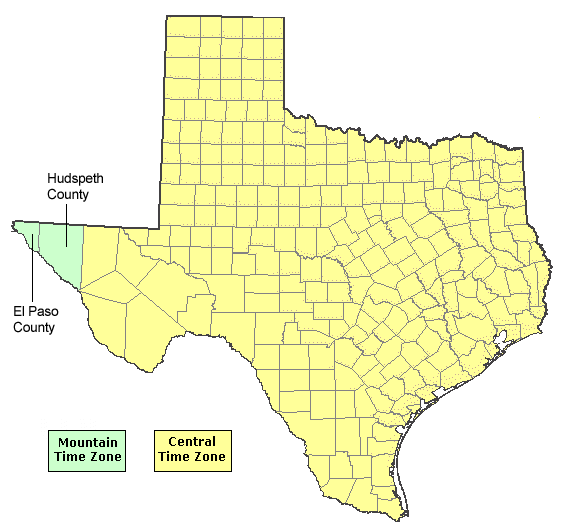
To effectively plan your trip, the first piece of information you need is Houston’s official time zone. Positioned strategically within the United States, Houston operates under the Central Time Zone (CT). This designation places it at a specific offset from Coordinated Universal Time (UTC), which serves as the world’s primary time standard.
Central Time Zone Explained
The Central Time Zone encompasses a broad geographical area across the central United States, parts of Canada, and Mexico. When observing Central Standard Time (CST), Houston is 6 hours behind Coordinated Universal Time (UTC-6). This means that if it’s noon UTC, it’s 6:00 AM in Houston during CST.
Comparatively, this places Houston one hour behind the Eastern Time Zone (ET), which includes major cities like New York City and Miami. Conversely, Houston is two hours ahead of the Pacific Time Zone (PT), home to bustling hubs like Los Angeles and San Francisco. For travelers within Texas, it’s important to note that the entire state, including Dallas, Austin, and San Antonio, adheres to the Central Time Zone, simplifying domestic travel within the state.
Daylight Saving Time in Houston
Like most of the United States, Houston observes Daylight Saving Time (DST). This annual practice involves advancing clocks by one hour during warmer months to make better use of natural daylight. Daylight Saving Time typically begins on the second Sunday in March and ends on the first Sunday in November.
During Daylight Saving Time, Houston switches from Central Standard Time (CST) to Central Daylight Time (CDT). This means the offset from Coordinated Universal Time changes from UTC-6 to UTC-5. Essentially, Houston “springs forward” an hour in March and “falls back” an hour in November. This shift can impact flight schedules, tour timings, and even hotel check-in/check-out times, so it’s crucial for travelers to be aware of whether their visit falls within DST or standard time. Always double-check the current local time upon arrival or when making reservations.

Navigating Time Differences for Your Houston Trip
The actual numerical difference in hours is just the beginning. The real challenge, and opportunity, lies in how you navigate these differences to ensure a smooth and enjoyable trip. From planning your initial journey to settling into the local rhythm, understanding and preparing for time shifts can make a world of difference.
Impact on Travel Planning and Flights
When booking flights to Houston, always pay close attention to the departure and arrival times, which are typically listed in local time. If you’re flying in from, say, the East Coast, a 9:00 AM departure will see you arrive in Houston at an earlier local time than your elapsed flight time might suggest due to the one-hour time difference. Conversely, flying west from Houston means you “gain” time, potentially arriving at your destination earlier by the clock.
Consider flight durations carefully. A three-hour flight from New York City to Houston will effectively feel like a four-hour journey from your body’s internal clock perspective upon arrival, due to the time zone change. This is especially important for connecting flights or if you have immediate plans upon landing, such as a business meeting or a pre-booked tour. Factor in this perceived time loss or gain to avoid rushing or missing appointments. Additionally, if you’re coordinating with family or colleagues who are not traveling with you, remember to clarify whether you’re referring to your local time or theirs.
Battling Jet Lag: Tips for a Smooth Transition
Jet lag is the physiological and psychological distress experienced as a result of rapid long-distance travel across multiple time zones. Symptoms can include fatigue, insomnia, headaches, irritability, and digestive issues. While Houston’s Central Time Zone might only be a few hours different for most domestic travelers within the United States, international travelers or those from distant domestic zones (like the Pacific Northwest) will feel a more pronounced effect.
To minimize jet lag and enjoy your Houston trip:
- Adjust Gradually: A few days before your trip, try to shift your sleep schedule by an hour or two closer to Houston’s time.
- Stay Hydrated: Drink plenty of water before, during, and after your flight. Avoid excessive alcohol and caffeine, which can exacerbate dehydration and disrupt sleep.
- Embrace Sunlight: Upon arrival, expose yourself to natural light, especially in the morning. This helps reset your body’s internal clock. Take a stroll in Discovery Green or along Buffalo Bayou Park.
- Match Local Schedule: Try to eat meals and go to bed at Houston’s local times from day one, even if you’re not hungry or sleepy.
- Short Naps: If necessary, take short power naps (20-30 minutes) during the day, but avoid long naps that might interfere with nighttime sleep.
- Comfortable Travel: Wear comfortable clothing, use a neck pillow, and try to get some rest on the plane if it aligns with your destination’s night-time.
Business Travel and Time Zone Adjustments
For business travelers, managing time differences in Houston is paramount. Meetings, conferences, and deadlines are often rigidly scheduled. If you’re flying in for a morning meeting, aim to arrive the day before to allow your body to adjust. This gives you time to rest and mentally prepare, ensuring you’re sharp and focused when it counts.
Remote communication also requires careful planning. If your team is based on the East Coast, their 9:00 AM meeting starts at 8:00 AM Houston time. If you’re coordinating with colleagues on the West Coast, their 9:00 AM call would be 11:00 AM in Houston. Tools like world clock apps and calendar invites with time zone conversion features are invaluable for keeping everyone on schedule. Many hotels in Downtown Houston and Uptown Houston cater to business travelers, offering amenities like 24-hour business centers and in-room coffee makers, which can be lifesavers when your internal clock is still adjusting.
Maximizing Your Stay: Timing Your Houston Experiences
Once you’ve landed and begun to adjust to Houston’s time, it’s time to dive into the city’s rich array of attractions and activities. Strategic planning around opening hours, peak times, and meal schedules will enhance your visit significantly.
Must-See Attractions and Their Operating Hours
Houston boasts an impressive collection of landmarks and tourist attractions. From the cosmic wonders of Space Center Houston to the cultural richness of the Museum District, each venue has specific operating hours that need to be factored into your itinerary.
- Space Center Houston: As the official visitor center for NASA Johnson Space Center, it’s a must-visit. Typically open from 10:00 AM to 5:00 PM or 6:00 PM, check their website for daily schedules, especially for tram tours which can have limited availability.
- Museum District: Home to 19 museums, including the Houston Museum of Natural Science, Museum of Fine Arts, Houston, and the Houston Zoo. Most museums open between 9:00 AM and 11:00 AM and close between 5:00 PM and 7:00 PM. Many offer free admission on specific days or hours, which are usually in the late afternoon or early evening.
- Minute Maid Park: If you’re catching a Houston Astros game, evening games typically start between 6:00 PM and 7:00 PM, while day games are often around 1:00 PM. Arrive early to soak in the atmosphere.
- Outdoor Spaces: Hermann Park, Discovery Green, and Buffalo Bayou Park are generally open from dawn till dusk, offering flexibility for morning jogs or evening strolls.
- Shopping at The Galleria: Retail hours are usually from 10:00 AM to 9:00 PM on weekdays and Saturdays, with shorter hours on Sundays.
Always check the official website of each attraction for the most up-to-date operating hours, as these can vary seasonally or due to special events. Planning your visits for off-peak times, such as weekday mornings, can also help you avoid crowds and make the most of your time.
Culinary Adventures: Dining by Houston Time
Houston’s food scene is as diverse as its population, offering everything from authentic Tex-Mex and savory BBQ to upscale international cuisine. Dining times in Houston generally follow standard United States patterns:
- Breakfast: Typically from 7:00 AM to 10:00 AM. Many hotels offer breakfast options, or you can explore local cafes.
- Lunch: Usually between 11:30 AM and 1:30 PM. This is a great time to explore Houston’s diverse lunch specials.
- Dinner: The main dinner rush starts around 6:00 PM and continues until 9:00 PM. For popular restaurants, especially in areas like Montrose or the Heights, making reservations is highly recommended, particularly for weekend evenings.
- Happy Hour: A popular time in Houston to unwind, typically from 4:00 PM to 7:00 PM on weekdays, offering discounted drinks and appetizers.
Adjusting your meal times to the local schedule helps your body adapt to the time zone and allows you to enjoy the full dining experience. Don’t miss out on Houston’s late-night food trucks or after-hours spots if your body clock is still on an earlier schedule!
Accommodations and Check-In/Check-Out Logistics
Hotels, resorts, and apartments in Houston adhere strictly to local time for check-in and check-out procedures. Standard check-in time is usually 3:00 PM or 4:00 PM Central Time, and check-out is typically 11:00 AM or 12:00 PM Central Time.
If your flight arrives significantly earlier than check-in, you might need to arrange for luggage storage at your accommodation and explore nearby areas or grab a meal. Conversely, if your departure is much later than check-out, inquire about a late check-out option (often for an additional fee) or luggage storage. Some hotels, especially those catering to business travelers like the Four Seasons Hotel Houston or The Post Oak Hotel at Uptown Houston, might offer more flexible options depending on availability. When booking through platforms for long-term stays or apartments, confirm these timings explicitly to avoid any surprises.
Planning Beyond the Clock: A Comprehensive Houston Guide
While understanding the time difference is foundational, a truly memorable Houston experience integrates this knowledge with a broader appreciation for the city’s diverse offerings. From choosing the perfect place to stay to diving into the local lifestyle, every aspect of your trip can be enhanced with careful planning.
Choosing Your Ideal Stay: Hotels and Neighborhoods
Houston’s vastness means that selecting the right neighborhood for your accommodation is almost as important as the hotel itself. Your choice can significantly impact your travel time to attractions and the overall vibe of your stay.
- Downtown Houston: Ideal for business travelers, those attending events at the George R. Brown Convention Center, or sports enthusiasts visiting Minute Maid Park or the Toyota Center. You’ll find a mix of luxury hotels like the Four Seasons Hotel Houston and boutique options.
- Uptown Houston / Galleria Area: A haven for luxury travelers and shoppers, home to The Galleria and high-end hotels such as The Post Oak Hotel at Uptown Houston. This area is vibrant and offers excellent dining.
- Museum District / Hermann Park: Perfect for families and culture vultures, offering proximity to museums, the Houston Zoo, and green spaces. Accommodation here ranges from charming guesthouses to well-appointed hotels.
- Montrose: Known for its bohemian vibe, art galleries, diverse culinary scene, and lively nightlife. It’s a great choice for those seeking a more local, independent feel.
- The Heights: A historic neighborhood with beautiful Victorian homes, independent boutiques, and acclaimed restaurants. Ideal for travelers looking for a charming, walkable area.
Consider whether you prefer the convenience of chain hotels with extensive amenities, the unique character of boutique hotels, or the flexibility of apartment rentals for longer stays. Booking in advance, especially during peak seasons or major events, is always advisable to secure the best rates and availability.
Experiencing Houston’s Diverse Lifestyle
Houston’s lifestyle is a captivating blend of urban sophistication, Southern hospitality, and global influences. Beyond the major attractions, take time to simply exist in the city’s rhythm.
- Arts and Culture: Explore smaller galleries in Montrose, catch a performance in the Theater District (one of the few cities with resident companies in all major performing arts), or visit the serene Rothko Chapel.
- Outdoor Activities: Take advantage of Houston’s extensive park system for cycling, kayaking on Buffalo Bayou, or simply enjoying a picnic. The Houston Parks and Recreation Department manages hundreds of parks.
- Shopping: Beyond The Galleria, discover unique boutiques in Rice Village or River Oaks District.
- Professional Sports: Catch a game with the Houston Texans (NFL), Houston Rockets (NBA), or Houston Dynamo FC (MLS) to experience the city’s passionate sports culture.
- Food Tours: Consider a food tour to delve deeper into the city’s culinary landscape, from its famed Tex-Mex and BBQ to the vibrant ethnic cuisines found in neighborhoods like Chinatown or Mahatma Gandhi District.
Whether you’re on a luxury trip enjoying fine dining and spa treatments, or a budget traveler exploring free attractions and street food, Houston offers a diverse range of experiences tailored to various lifestyles.
Practical Tips for a Memorable Visit
Beyond time zones and attractions, a few practical considerations can smooth out your Houston visit:
- Transportation: Houston is a sprawling city, and while public transportation exists, renting a car or utilizing ride-sharing services (Uber/Lyft) is often the most convenient way to get around, especially if you plan to explore areas beyond Downtown or the Museum District. Traffic can be heavy during peak hours, so factor in travel time.
- Weather: Houston’s climate is subtropical, with hot, humid summers and mild winters. Spring and fall offer the most pleasant weather for outdoor activities. Be prepared for sudden rain showers, especially in the spring.
- Packing: Pack layers, comfortable walking shoes, and consider bringing an umbrella or light rain jacket. Sunscreen and insect repellent are also good ideas, especially if you plan to spend time outdoors.
- Connectivity: Ensure your phone is set to automatically update its time zone. Many carriers offer international roaming, but consider a local SIM card or eSIM if you plan a longer stay or are an international traveler.
- Emergency Services: Dial 911 for emergencies (police, fire, ambulance). The Texas Medical Center in Houston is one of the largest and most advanced medical complexes in the world.

By understanding Houston’s time difference and integrating it into your comprehensive travel plan, you’re not just accounting for the clock; you’re setting yourself up for an enriched, hassle-free, and truly memorable experience in this dynamic Gulf Coast city. Enjoy your adventure in Houston!
LifeOutOfTheBox is a participant in the Amazon Services LLC Associates Program, an affiliate advertising program designed to provide a means for sites to earn advertising fees by advertising and linking to Amazon.com. Amazon, the Amazon logo, AmazonSupply, and the AmazonSupply logo are trademarks of Amazon.com, Inc. or its affiliates. As an Amazon Associate we earn affiliate commissions from qualifying purchases.