
Navigating the nuances of time zones is an essential, often overlooked, aspect of travel planning, particularly when journeying across vast countries like the United States. For visitors to the Lone Star State, understanding “what is the time in America, Texas?” is more than just a simple query; it’s a critical piece of information that can significantly impact everything from flight schedules and hotel check-ins to restaurant reservations and attraction visiting hours. Texas, a state renowned for its sprawling landscapes, vibrant cities, and rich history, presents a fascinating case study in time zone management for both domestic and international travelers. From the bustling metropolises of Houston, Dallas, Austin, and San Antonio to the rugged beauty of West Texas, the temporal rhythm of the state plays a pivotal role in shaping a visitor’s experience.
This guide delves into the intricacies of time in Texas, providing clarity on its primary time zone, highlighting any regional variations, and offering practical advice for travelers to ensure a smooth and enjoyable trip. Whether you’re planning a luxurious resort stay, a budget-friendly adventure, a family vacation, or a crucial business trip, being aware of the local time is the first step towards seamless travel.
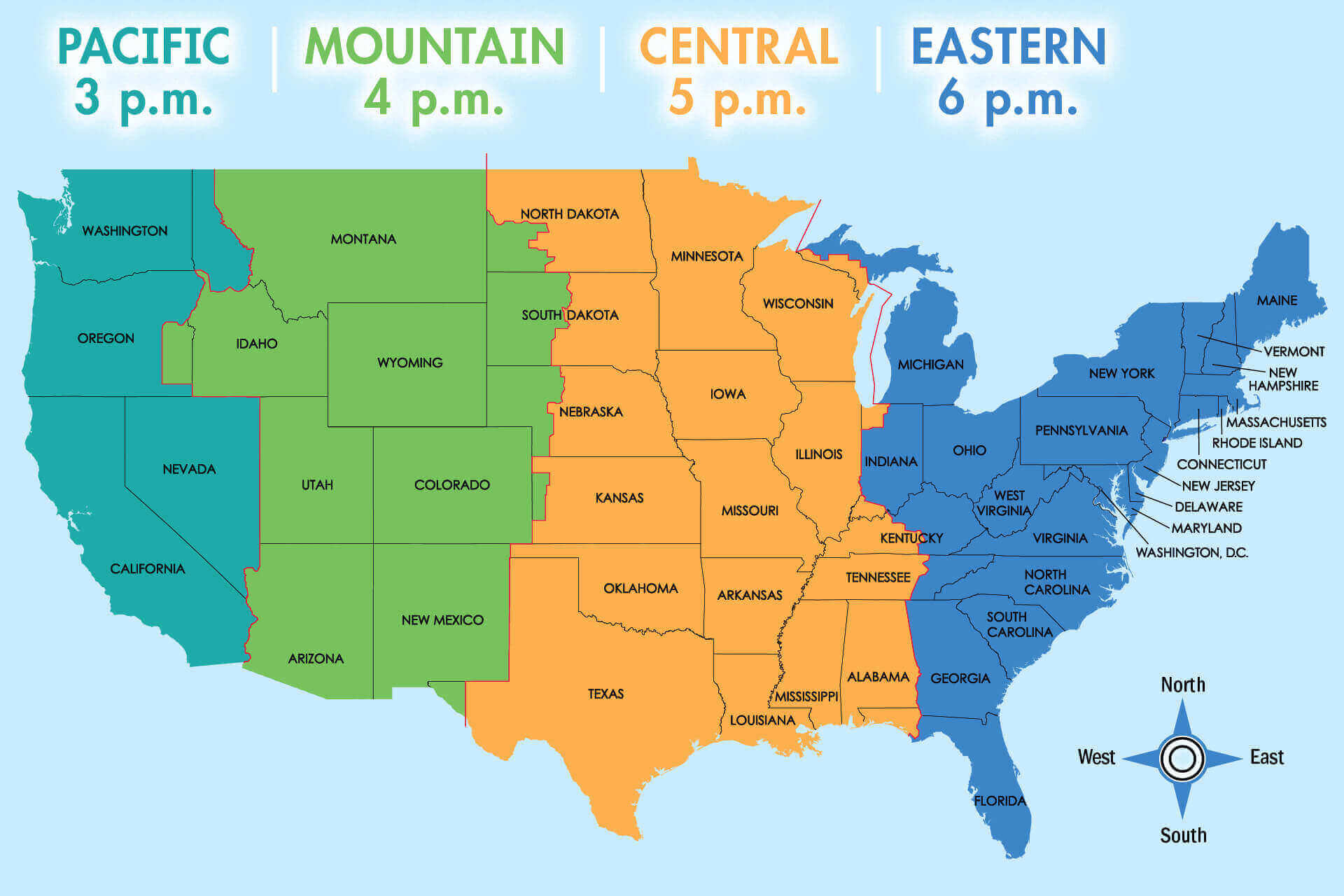
Understanding Time Zones in the United States
The United States is a vast nation spanning multiple degrees of longitude, necessitating a system of distinct time zones to ensure that midday broadly aligns with the sun’s highest point across the country. This system, established in the late 19th century largely due to the demands of railroad scheduling, now plays a crucial role in modern life, including travel and tourism.
The Continental US Time Zones
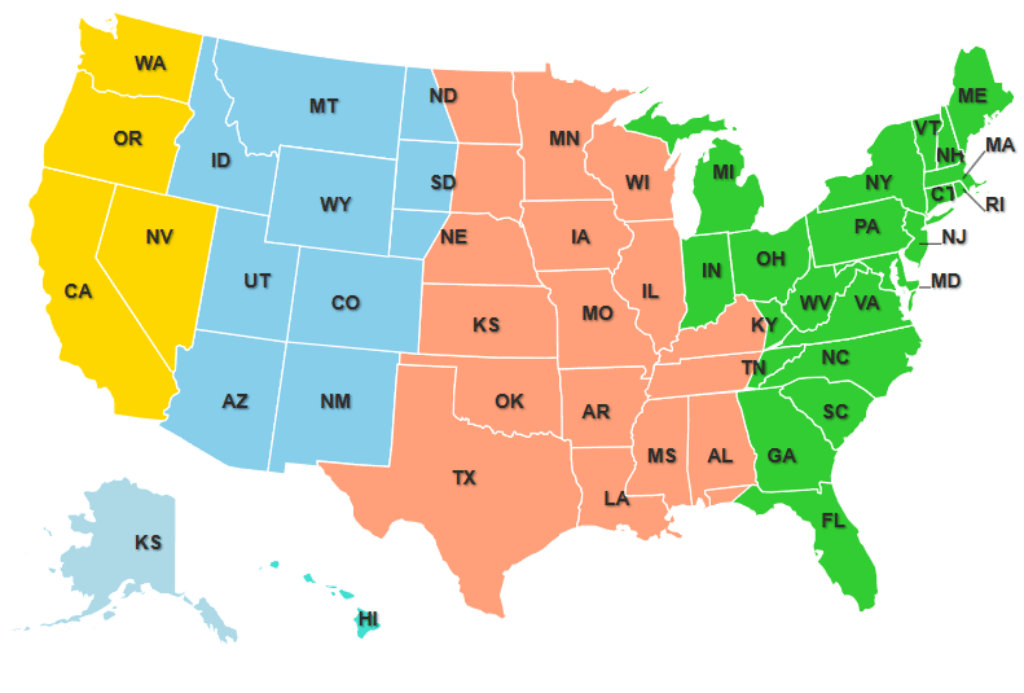
The continental US is divided into four primary time zones:
- Eastern Time Zone (ET): Covering the easternmost states, including major cities like New York City and Miami.
- Central Time Zone (CT): Encompassing the central states, from Illinois to a significant portion of Texas.
- Mountain Time Zone (MT): Extending through the Rocky Mountain states, such as Colorado and Arizona (though Arizona largely does not observe Daylight Saving Time).
- Pacific Time Zone (PT): Covering the western coastal states like California and Washington.
Beyond the contiguous US, there are also the Alaska Time Zone and the Hawaii-Aleutian Time Zone, accommodating the unique geographical positions of these states. Each zone differs by one hour from its adjacent zone, creating a staggered temporal landscape across the nation.
Daylight Saving Time: A Biannual Ritual
Most areas within these time zones observe Daylight Saving Time (DST), a practice where clocks are adjusted forward by one hour in the spring (“spring forward”) and backward by one hour in the fall (“fall back”). This typically occurs on the second Sunday in March and the first Sunday in November, respectively. The rationale behind DST is to make better use of daylight, shifting an hour of daylight from the morning to the evening during warmer months.
For travelers, DST introduces an additional layer of complexity. An overnight flight from a non-DST region to a DST region, or vice-versa, can result in a perceived loss or gain of an hour, impacting immediate plans upon arrival. Staying informed about DST transitions is crucial for booking flights, confirming hotel check-in times, and scheduling activities, especially for long-term stays or those straddling the DST changeover dates. Websites and apps for accommodation bookings, flight tracking, and itinerary planning often account for DST, but it’s always wise to double-check, particularly if you’re dealing with specific event timings or international connections.
Texas’s Place in the Time Zone Map
Texas, the second-largest state by both area and population in the United States, primarily falls within a single time zone, simplifying things for most visitors. However, like any expansive geographical entity, it has a notable exception that travelers should be aware of.
Central Standard Time (CST) and Central Daylight Time (CDT)
The vast majority of Texas operates on Central Time.
- During standard time, this is Central Standard Time (CST), which is 6 hours behind Coordinated Universal Time (UTC-6) or Greenwich Mean Time (GMT-6).
- When Daylight Saving Time is in effect (from early March to early November), Texas switches to Central Daylight Time (CDT), which is 5 hours behind UTC (UTC-5) or GMT-5.
This means that if you’re in Austin, Dallas, Houston, San Antonio, or any of the popular tourist destinations across the central and eastern parts of the state, you will be observing Central Time. This consistency makes planning trips within these areas relatively straightforward, allowing travelers to focus on the diverse attractions, local culture, and culinary delights that define the Texan experience. From exploring the vibrant music scene in Austin to delving into the history of The Alamo in San Antonio, or experiencing the bustling city life of Dallas and Houston, the Central Time Zone forms the temporal backdrop for most Texas adventures.
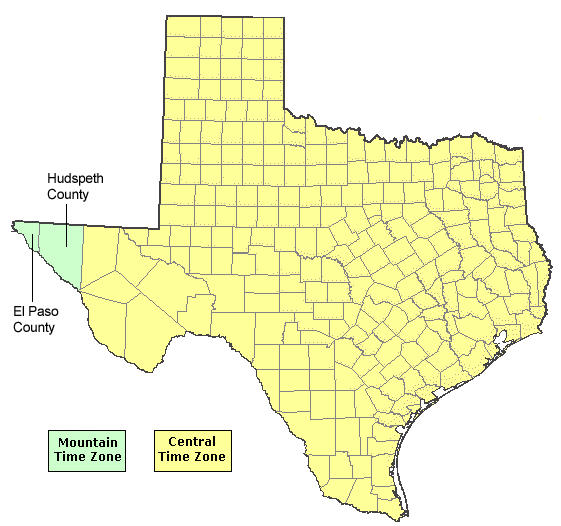
The El Paso Anomaly: A Mountain Time Zone Pocket
While the vast majority of Texas adheres to Central Time, there is a notable exception in the far western corner of the state: the city of El Paso and its surrounding Hudspeth County. These areas observe the Mountain Time Zone (MT).
- During standard time, this is Mountain Standard Time (MST), which is UTC-7 (GMT-7).
- During Daylight Saving Time, it switches to Mountain Daylight Time (MDT), which is UTC-6 (GMT-6).
This means that El Paso is consistently one hour behind the rest of Texas. This temporal shift is particularly relevant for travelers driving across the state, especially those heading to attractions in West Texas like Big Bend National Park or Guadalupe Mountains National Park, or those crossing the border into New Mexico or Mexico where time zones may also differ. Failing to account for this change could lead to missed appointments, delayed check-ins at local hotels, or arriving late for scheduled tours and activities. Always confirm the local time when making plans or crossing into the El Paso area to avoid any inconvenience.
Practical Implications for Travelers and Tourists in Texas
Understanding the time zones in Texas goes beyond mere academic curiosity; it’s a fundamental aspect of effective travel planning and maximizing your travel experience. From booking accommodation to exploring landmarks, time dictates much of a traveler’s itinerary.
Planning Your Texas Itinerary: From Austin to Big Bend
For anyone planning a trip to Texas, the time zone considerations intertwine with every aspect of the journey, reflecting the website’s focus on Travel (Destinations, Attractions, Guides, Experiences) and Tourism (Local Culture, Food, Activities, Tips).
- Flight Schedules and Connections: When flying into Dallas/Fort Worth International Airport (DFW) or George Bush Intercontinental Airport (IAH) in Houston, make sure your arrival and departure times are adjusted to Central Time. If you’re connecting from a different time zone, especially one with a significant difference like Pacific Time or Eastern Time, factor in the time change for gate transfers and connection durations.
- Attraction Opening Hours: Whether you’re visiting the Sixth Floor Museum in Dallas, the NASA Johnson Space Center in Houston, or The Alamo in San Antonio, all operating hours will be based on local time. This is especially crucial for popular landmarks or guided tours that operate on strict schedules. Always check the current local time when confirming these details.
- Events and Festivals: Texas hosts numerous events, from South by Southwest (SXSW) in Austin to the State Fair of Texas in Dallas. Timings for concerts, parades, and exhibitions are invariably local. Missing an event due to a time zone miscalculation can be a significant disappointment.
- Cross-State Travel: If your itinerary includes traveling from Central Time Texas to El Paso, remember to adjust your clock backward by one hour. This is vital for road trips, ensuring you arrive at your El Paso hotel or national park destination at the correct local time, maximizing your opportunities for exploration.
Booking Accommodation and Activities Across Time Zones
When it comes to Accommodation (Booking, Reviews, Comparison, Long-term Stay) and Hotels (Suites, Resorts, Apartments, Villas, Amenities), time zone awareness is paramount.
- Hotel Check-in/Check-out: Most hotels, whether luxury resorts like The Post Oak Hotel in Houston or charming boutique stays like The Driskill Hotel in Austin, enforce strict check-in and check-out times. If you are booking from a different time zone, ensure you’re noting the local Texas time for these critical junctures. An early arrival or late departure, if not pre-arranged, can lead to additional fees or logistical headaches.
- Restaurant Reservations: Texas boasts a fantastic culinary scene, from BBQ joints to upscale dining establishments. Making a dinner reservation for 7:00 PM Central Time when you are still mentally on Pacific Time could mean showing up two hours late. For popular eateries, like those along San Antonio’s Riverwalk, a timely arrival is essential.
- Tour Bookings and Activity Slots: Many popular activities, such as boat tours on the Colorado River in Austin, visits to a Schlitterbahn Waterpark, or wine tastings in the Texas Hill Country, operate on fixed schedules. Confirming the correct local time when booking helps avoid missing out on these experiences. Many online booking platforms will display times in the local time zone of the activity, but a quick verification is always a good practice.
Navigating Jet Lag and Maximizing Your Experience
The impact of time zones extends beyond mere scheduling; it significantly affects a traveler’s well-being and overall Lifestyle (Luxury Travel, Budget Travel, Family Trips, Business Stays).
- Jet Lag Management: Traveling across multiple time zones, especially from international destinations or from the west coast of the US, can induce jet lag. Arriving in Texas from Europe or Asia means a substantial time difference, requiring conscious efforts to adjust your internal clock. Strategies include adjusting sleep schedules before departure, staying hydrated, getting natural light exposure upon arrival, and avoiding heavy meals. For business travelers, managing jet lag is particularly vital to ensure peak performance for meetings and conferences.
- Maximizing Daylight Hours: Understanding when the sun rises and sets according to the local time can help travelers plan outdoor activities. For instance, knowing the sunrise in Big Bend National Park (which might be in Mountain Time depending on your exact location within the park, or close to the Mountain Time border) is key for early morning hikes, while being aware of sunset times in Austin allows for perfect planning of a bat-watching excursion under the Congress Avenue Bridge.
- Communication Across Time Zones: For those on family trips or business stays, coordinating with loved ones or colleagues back home or in different time zones requires careful consideration. A quick mental calculation of the time difference will save you from making inconvenient calls at odd hours. Most smartphones automatically update to the local time, but it’s always good to be aware of the difference to your home time zone.
In conclusion, the question “What is the time in America, Texas?” reveals a deeper layer of travel planning that goes beyond merely knowing the current hour. With most of the state observing Central Time (CST/CDT) and a small but significant portion in West Texas following Mountain Time (MST/MDT), awareness is key. By familiarizing yourself with these temporal specifics, travelers can ensure their journey through the vast and diverse landscapes of Texas is as smooth, enjoyable, and punctual as possible, allowing them to fully immerse themselves in the rich experiences this iconic state has to offer, from the historic charm of Fredericksburg to the bustling modernity of Dallas and Fort Worth.
LifeOutOfTheBox is a participant in the Amazon Services LLC Associates Program, an affiliate advertising program designed to provide a means for sites to earn advertising fees by advertising and linking to Amazon.com. Amazon, the Amazon logo, AmazonSupply, and the AmazonSupply logo are trademarks of Amazon.com, Inc. or its affiliates. As an Amazon Associate we earn affiliate commissions from qualifying purchases.