
Understanding the precise time in Anchorage, Alaska, is more than just a matter of setting your watch; it’s the first step in appreciating the unique rhythms of life in the Last Frontier. For travelers, adventurers, and business professionals alike, knowing the local time is fundamental to planning everything from flight arrivals to exhilarating outdoor excursions and vital business meetings. Anchorage, the largest city in Alaska and a crucial hub for travel and commerce, operates on a time zone that sets it apart from much of the rest of the United States, offering a distinct perspective on daylight hours and seasonal changes that profoundly influence the Alaskan lifestyle.

This article delves into the intricacies of Anchorage’s time zone, how it compares to other global standards, and what this means for visitors. Beyond the practicalities of the clock, we’ll explore how Anchorage’s geographical position and unique temporal characteristics shape its identity as a premier travel destination, a haven for diverse accommodations, and a gateway to unforgettable experiences. From bustling city life to serene natural landscapes, the timing of your visit and your understanding of local time nuances will significantly enhance your Anchorage adventure.
Understanding Anchorage’s Unique Time Zone
At the heart of any visit to Anchorage is an understanding of its position on the global clock. Unlike the contiguous United States, which primarily uses Eastern, Central, Mountain, and Pacific Time zones, Alaska generally observes a time zone further west. This distinct temporal identity is a fascinating aspect of planning any trip or conducting business in this northernmost state.
Alaska Standard Time vs. Alaska Daylight Time
Anchorage adheres to the Alaska Time Zone. During the majority of the year, from early November to mid-March, this is known as Alaska Standard Time (AKST). AKST is 9 hours behind Coordinated Universal Time (UTC-9). This means that if it’s noon UTC, it’s 3 AM in Anchorage during standard time.
However, like most of the United States and Canada, Alaska observes Daylight Saving Time. From mid-March to early November, the clocks in Anchorage spring forward by one hour, shifting to Alaska Daylight Time (AKDT). During this period, Anchorage is UTC-8. The transition occurs on the second Sunday in March at 2:00 AM local time, when clocks advance to 3:00 AM, and on the first Sunday in November at 2:00 AM local time, when they fall back to 1:00 AM. This change is crucial for visitors to remember, especially when coordinating travel plans, booking tours, or arranging meetings, as an hour’s difference can have significant implications.

The geographical vastness of Alaska means that while most of the state falls within the Alaska Time Zone, certain areas, particularly the Aleutian Islands west of 169°30′ W longitude, technically observe Hawaii-Aleutian Time (UTC-10/UTC-9 with DST). However, for practical purposes and the vast majority of visitors, including those heading to major cities like Juneau and Fairbanks, Anchorage’s Alaska Time Zone is the standard reference.
Navigating Time Differences for Travelers
For those traveling to Anchorage from other parts of the world, or even the contiguous United States, the time difference can be substantial and lead to jet lag.
- From Pacific Time (e.g., Los Angeles, Seattle): Anchorage is 1 hour behind.
- From Mountain Time (e.g., Denver, Salt Lake City): Anchorage is 2 hours behind.
- From Central Time (e.g., Chicago, Dallas): Anchorage is 3 hours behind.
- From Eastern Time (e.g., New York City, Miami): Anchorage is 4 hours behind.
This significant time shift often means travelers gain time on their outward journey and lose it upon returning, impacting sleep cycles and initial energy levels. Planning for this, perhaps by scheduling a lighter first day of activities or arriving a day earlier than intensely planned excursions, can be beneficial.
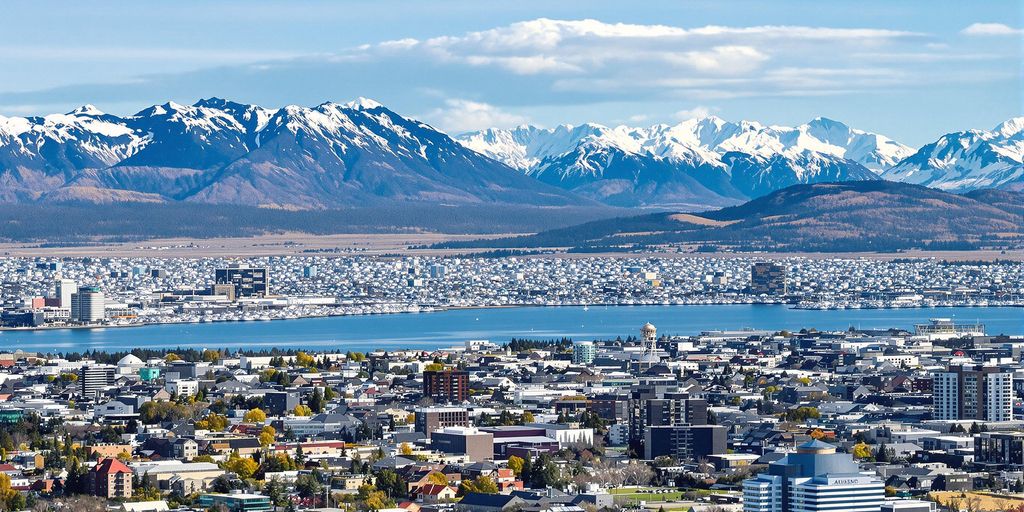
Beyond mere clock differences, Anchorage’s high latitude brings about dramatic seasonal variations in daylight hours. In summer, particularly around the summer solstice in June, Anchorage experiences nearly 19 hours of daylight, with twilight lasting for several more, creating an impression of perpetual daylight. Conversely, during the winter solstice in December, daylight can shrink to just 5.5 hours. This extreme fluctuation in light profoundly influences daily life, tourism activities, and even the local culture. Summer visitors revel in the endless daylight for late-night hikes or fishing, while winter travelers embrace the long nights for Aurora Borealis viewing and unique winter sports under moonlit skies. Understanding these natural light cycles is just as important as knowing the exact time when planning an Alaskan adventure.
Beyond the Clock: Why Anchorage Beckons Travelers
While time zones provide the necessary framework for logistical planning, Anchorage’s allure extends far beyond its place on the clock. As the urban heart of Alaska, it serves as a dynamic nexus where rugged wilderness meets modern conveniences, making it an irresistible destination for a wide array of travelers. Its strategic location, nestled between the breathtaking Chugach Mountains and the tranquil waters of Cook Inlet, offers an unparalleled blend of accessibility to wild Alaskan landscapes and a vibrant metropolitan experience.
Gateway to Alaskan Adventures
Anchorage proudly bears the title of “Gateway to Alaska” for good reason. Its Ted Stevens Anchorage International Airport (ANC) is a major international cargo hub and a primary entry point for visitors eager to explore the state’s vast natural wonders. From Anchorage, adventurers can easily embark on journeys to iconic destinations like Denali National Park and Preserve, home to North America’s tallest peak. Road trips along the scenic Seward Highway open up access to coastal towns like Seward and Whittier, which serve as departure points for glacier cruises and marine wildlife viewing in Prince William Sound and the Kenai Peninsula.
The city itself is a launching pad for immediate outdoor escapades. The Chugach Mountains provide a dramatic backdrop and countless opportunities for hiking, biking, and skiing right at the city’s edge. Trails like the Tony Knowles Coastal Trail offer stunning views of the Cook Inlet, Mount Denali, and frequently sighted wildlife, including moose and bald eagles, often within city limits. In winter, Anchorage transforms into a snowy playground, offering world-class cross-country skiing at Kincaid Park, ice skating, and the thrill of dog sledding. Whether it’s fishing for salmon in Ship Creek, kayaking in local lakes, or flightseeing over glaciers, Anchorage provides direct access to the wild heart of Alaska.
Cultural Immersion and Culinary Delights
Beyond its natural beauty, Anchorage offers a rich tapestry of cultural experiences. The city is home to a diverse population, including a significant Alaska Native community whose heritage is celebrated and preserved. The Alaska Native Heritage Center is a must-visit, offering insights into the vibrant cultures, traditions, and art of Alaska’s eleven major cultural groups through interactive exhibits, traditional dances, and village sites. The Anchorage Museum further enriches this understanding with extensive collections on Alaskan art, history, and science, including a planetarium and a dedicated children’s exhibit.
The culinary scene in Anchorage is a delight for foodies, especially those with a penchant for fresh, local ingredients. Given its coastal location and vast wilderness, seafood takes center stage, with world-renowned Alaska salmon, halibut, cod, and king crab featuring prominently on menus across the city. Restaurants range from fine dining establishments offering gourmet Alaskan fare to casual eateries serving hearty comfort food perfect after a day of exploration. Beyond seafood, visitors can savor locally sourced game meats, wild berries, and a burgeoning craft brewery scene. Seasonal farmers’ markets also provide an opportunity to taste fresh produce and artisanal goods, reflecting the short but bountiful Alaskan growing season. The blend of rich cultural heritage and a thriving food scene makes Anchorage a destination that engages all senses.
Planning Your Stay: Accommodation and Landmarks
Embarking on an Anchorage adventure requires thoughtful planning, particularly regarding where you’ll stay and what iconic sights you’ll explore. The city offers a broad spectrum of accommodation options to suit every preference and budget, from luxurious resorts to cozy boutique hotels and practical extended-stay apartments. Coupled with a wealth of natural and man-made landmarks, your visit to Anchorage promises both comfort and discovery.
Where to Rest Your Head: Hotels and Resorts
Anchorage’s accommodation landscape caters to various travel styles, whether you’re seeking opulent comfort, family-friendly convenience, or a budget-conscious base for exploration. For those desiring a touch of luxury and history, the iconic Hotel Captain Cook stands out. Located downtown, it offers panoramic views of the Cook Inlet and the Chugach Mountains, fine dining, and full-service amenities. Other prominent downtown options include the Marriott Anchorage Downtown and the Hilton Anchorage, both providing comfortable stays with easy access to city attractions, business centers, and the Tony Knowles Coastal Trail.
If proximity to unique Alaskan experiences is a priority, consider The Lakefront Anchorage, situated right on the shores of Lake Hood Seaplane Base, the world’s busiest seaplane base. Here, guests can watch seaplanes take off and land throughout the day, offering a quintessential Alaskan spectacle. For travelers looking for extended stays or more home-like amenities, various apartment-style accommodations and guesthouses are available, offering kitchens and living spaces, ideal for families or longer visits. Budget-conscious travelers can find comfortable hotels further from the downtown core or explore guesthouses and hostels that provide a welcoming and affordable alternative. No matter your choice, booking in advance, especially during the peak summer season, is highly recommended to secure the best rates and availability.
Must-See Anchorage Landmarks
Anchorage is dotted with landmarks that showcase its natural splendor, cultural depth, and historical significance. A visit isn’t complete without experiencing some of these iconic sites:
- Tony Knowles Coastal Trail: This 11-mile paved trail offers breathtaking views of the Cook Inlet, Mount Denali (on clear days), and the Chugach Mountains. Perfect for walking, biking, or running, it’s also a prime spot for wildlife viewing.
- Flattop Mountain: As the most hiked mountain in Alaska, Flattop Mountain offers a relatively accessible yet rewarding hike with stunning panoramic views of Anchorage and the surrounding wilderness.
- Alaska Native Heritage Center: This vibrant cultural center provides an immersive experience into the diverse indigenous cultures of Alaska, featuring traditional village sites, storytelling, and artisan demonstrations.
- Anchorage Museum: A world-class museum dedicated to Alaskan art, history, and science, offering engaging exhibits for all ages.
- Lake Hood Seaplane Base: Witness the unique spectacle of countless seaplanes taking off and landing, connecting Anchorage to remote corners of the state. It’s a bustling hub of Alaskan aviation.
- Earthquake Park: A memorial to the 1964 Good Friday earthquake, this park showcases the dramatic geological forces that shaped Alaska, with interpretive signs explaining the devastation and recovery.
- Girdwood and Alyeska Resort: A short scenic drive south of Anchorage leads to the charming ski town of Girdwood and the luxury Alyeska Resort. Known for world-class skiing in winter and breathtaking tram rides and hiking in summer, it’s an excellent day trip destination.
These landmarks, along with many others like the Alaska Wildlife Conservation Center on the way to Seward, offer a multifaceted view of Anchorage’s appeal, inviting visitors to delve deep into its natural beauty, rich history, and vibrant culture.
Embracing the Alaskan Lifestyle
The essence of visiting Anchorage lies not just in seeing the sights but in truly embracing the distinct Alaskan lifestyle. This means adapting to its unique rhythms, from the extreme variations in daylight to the strong connection locals share with the surrounding wilderness. Whether you’re a luxury seeker, a budget traveler, or planning a family getaway, Anchorage offers experiences that resonate with the spirit of the Last Frontier.
Seasonal Experiences and Outdoor Pursuits
Anchorage’s appeal is intrinsically linked to its dramatic seasons, each offering a distinct set of activities and a unique atmosphere.
- Summer (June-August): This is peak tourist season, characterized by long hours of daylight that allow for endless outdoor exploration. Hiking, fishing (especially for salmon in local rivers), kayaking, wildlife cruises on Turnagain Arm or into Prince William Sound, and flightseeing tours are immensely popular. The city also buzzes with festivals, farmers’ markets, and cultural events. Due to the nearly 24-hour daylight, visitors can enjoy activities late into the “night,” often without needing artificial light.
- Fall (September-October): The landscape transforms with vibrant autumn colors, creating stunning photo opportunities. Wildlife viewing is excellent as animals prepare for winter, and this period offers a quieter, often more affordable travel experience. Temperatures are crisp, and the diminishing daylight hours mark the approach of winter.
- Winter (November-March): While daylight is short, winter in Anchorage is magical. It’s the prime season for viewing the spectacular Aurora Borealis (Northern Lights) against the dark night sky. Activities include skiing (downhill at Alyeska Resort or cross-country at Kincaid Park), snowshoeing, ice skating, and dog sledding. Major events like the Iditarod Trail Sled Dog Race ceremonial start and the Fur Rendezvous (Winter Carnival) bring a festive energy to the city.
- Spring (April-May): As the snow melts, Anchorage awakens with blooming wildflowers and returning migratory birds. It’s an excellent time for nature walks and watching the city come alive, with fewer crowds than summer.
For those pursuing a luxury lifestyle, Alaska offers exclusive lodges reachable by private plane, curated wildlife photography tours, and gourmet culinary experiences featuring hyper-local ingredients. Budget travelers can take advantage of camping opportunities, hostels, and free outdoor activities like hiking and biking. Family trips thrive on interactive museum exhibits, wildlife viewing, and kid-friendly trails. No matter the season or budget, Anchorage’s outdoor-centric lifestyle provides a profound connection to nature.
Travel Tips for a Memorable Anchorage Visit
To ensure your Anchorage experience is as smooth and enjoyable as possible, consider these practical tips:
- Adjust to the Time: Be mindful of the Alaska Time Zone difference, especially if arriving from the lower 48 states. Plan for potential jet lag, particularly if traveling from the East Coast. Adjusting your sleep schedule a few days before departure can help.
- Pack in Layers: Alaskan weather can be unpredictable, even in summer. Layers are essential for adapting to temperature changes throughout the day, especially when moving between indoor and outdoor activities.
- Embrace the Daylight (or Lack Thereof): In summer, consider blackout curtains or a sleep mask if you’re sensitive to light. In winter, maximize your limited daylight hours for outdoor activities and embrace the long nights for stargazing and aurora hunting.
- Book in Advance: Accommodations, popular tours (especially those to Denali or glacier cruises), and rental cars, particularly during the summer high season, can book up quickly and become more expensive.
- Rent a Car: While downtown Anchorage is walkable, having a car provides the flexibility to explore beyond the city limits, including scenic drives down the Seward Highway or day trips to places like Talkeetna or Girdwood.
- Stay Informed About Wildlife: Anchorage is truly “wild,” with moose, bears, and other wildlife frequently encountered even within city parks. Learn about wildlife safety and respectful viewing practices.
- Connect with Locals: Alaskans are known for their resilience and welcoming spirit. Don’t hesitate to ask for recommendations or insights; local knowledge can enhance your trip significantly.
By understanding Anchorage’s unique time zone, preparing for its seasonal extremes, and immersing yourself in its rich cultural and natural offerings, you’re set for an unforgettable journey into the heart of Alaska. The city truly offers a window into a lifestyle shaped by its magnificent wilderness and its place on the northern edge of the world.
LifeOutOfTheBox is a participant in the Amazon Services LLC Associates Program, an affiliate advertising program designed to provide a means for sites to earn advertising fees by advertising and linking to Amazon.com. Amazon, the Amazon logo, AmazonSupply, and the AmazonSupply logo are trademarks of Amazon.com, Inc. or its affiliates. As an Amazon Associate we earn affiliate commissions from qualifying purchases.