
Florida, the Sunshine State, beckons millions of travelers each year with its dazzling beaches, world-class theme parks, vibrant cities, and lush natural landscapes. Whether you’re planning a thrilling family adventure to Orlando, a luxurious escape to Miami, a historical journey through St. Augustine, or a serene retreat to the Florida Keys, understanding its time zones is more than just a matter of curiosity – it’s a fundamental aspect of seamless travel planning and maximizing your experience. From coordinating flight arrivals and hotel check-ins to scheduling attraction visits and dinner reservations, knowing the precise time in Florida is essential for any visitor. This comprehensive guide delves into Florida’s time zones, how they impact various facets of travel, tourism, accommodation, and lifestyle, ensuring your trip is as smooth and enjoyable as the state’s iconic sunsets.
Understanding Florida’s Time Zones: A Traveler’s Essential Guide
While many states operate under a single time zone, Florida presents a unique scenario, straddling two distinct time zones. This geographical nuance is crucial for travelers to grasp, especially those venturing into the western reaches of the state. Adding another layer of complexity is the observance of Daylight Saving Time, which shifts the clock forward and back each year. Being aware of these details ensures you’re always on schedule, whether you’re catching a sunrise on the Atlantic coast or enjoying a sunset over the Gulf of Mexico.
Eastern Standard Time (EST) / Eastern Daylight Time (EDT) – The Majority View
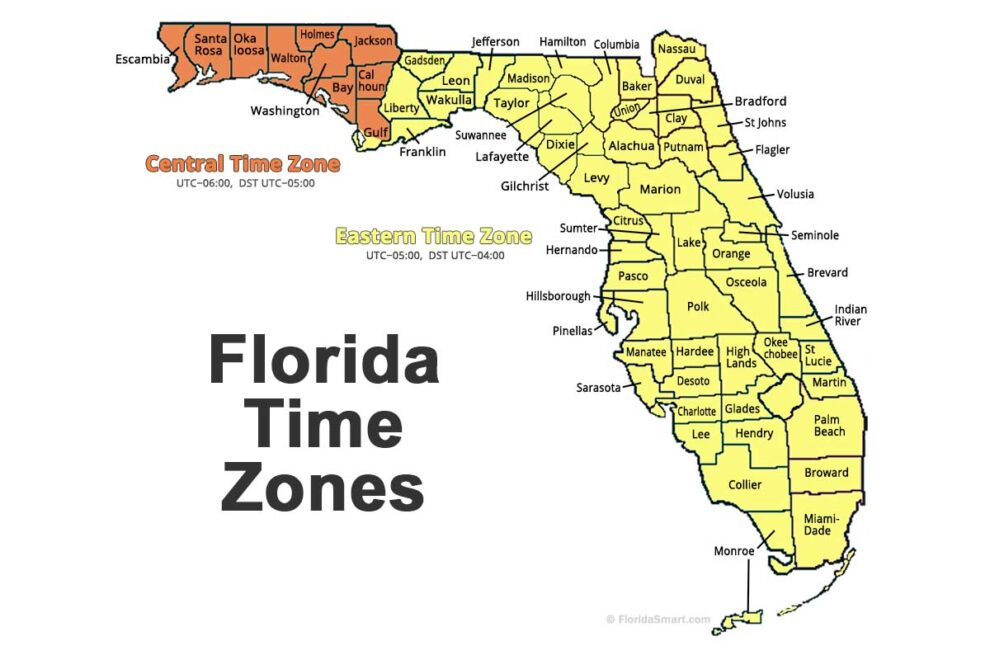
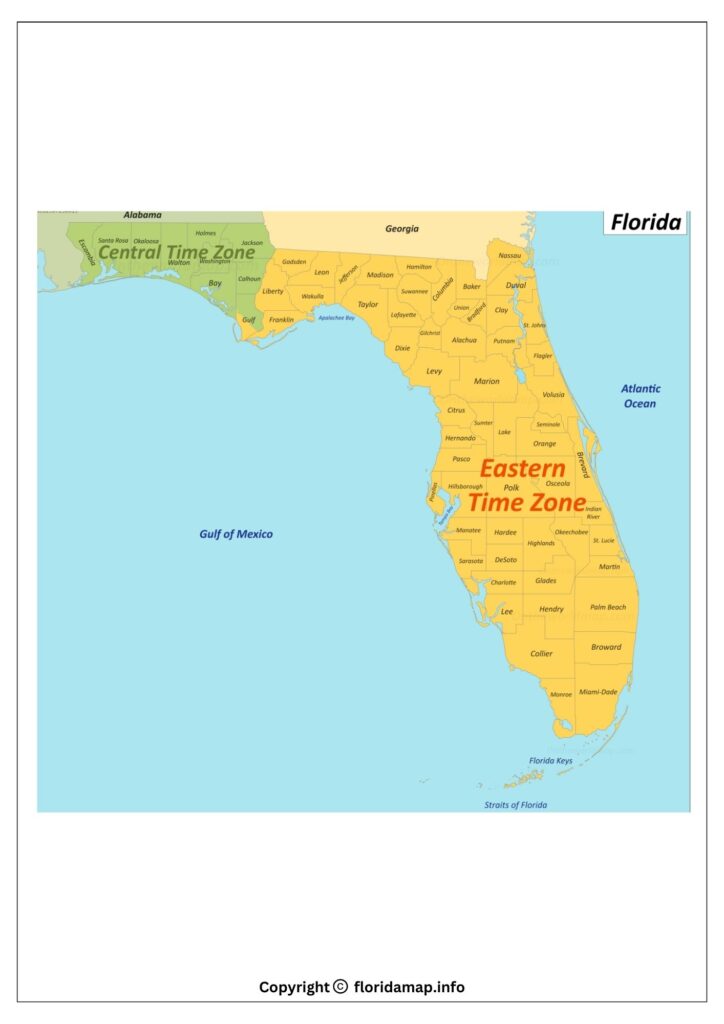
The vast majority of Florida operates on Eastern Time, which is five hours behind Coordinated Universal Time (UTC-5) during Standard Time and four hours behind (UTC-4) during Daylight Saving Time. This encompasses all the major tourist hubs and metropolitan areas that most visitors associate with the Sunshine State.
Cities such as Orlando, home to Walt Disney World Resort and Universal Studios Florida; Miami, with its vibrant South Beach nightlife and cultural districts; Tampa, known for Busch Gardens Tampa Bay and its burgeoning culinary scene; and Jacksonville, a hub for business and beautiful beaches, all fall within the Eastern Time Zone. The historic charm of St. Augustine, the space exploration marvels at the Kennedy Space Center Visitor Complex near Cocoa Beach, and the tropical paradise of Key West and the wider Florida Keys also adhere to Eastern Time. For most travelers, therefore, planning around EST/EDT will be the primary concern.
Central Standard Time (CST) / Central Daylight Time (CDT) – The Panhandle Exception
A crucial distinction for those exploring the northwestern reaches of Florida is the Central Time Zone. The western portion of the Florida Panhandle, specifically west of the Apalachicola River, observes Central Time. This means it is one hour behind Eastern Time. So, if it’s 3 PM in Orlando, it would be 2 PM in Pensacola.
Key cities and popular destinations in this region include Pensacola, with its stunning white-sand beaches and naval aviation history; Destin, renowned for its fishing and vibrant coastal atmosphere; and Panama City Beach, a popular spot for spring break and family vacations. Travelers driving across the Florida Panhandle will experience a time change, which can sometimes lead to confusion regarding appointments or transportation schedules. Always double-check the time zone when making plans that bridge these two regions to avoid missing a reservation or being an hour late for an activity.
The Impact of Daylight Saving Time on Your Florida Trip
Like most of the United States, Florida observes Daylight Saving Time (DST). This annual adjustment occurs on the second Sunday in March when clocks “spring forward” one hour, and on the first Sunday in November when they “fall back” one hour.
The shift to EDT (Eastern Daylight Time) or CDT (Central Daylight Time) means more daylight hours in the evening during the warmer months, which is fantastic for enjoying the beaches, outdoor attractions, and vibrant nightlife. However, it’s vital to remember this change, especially if your travel dates coincide with the beginning or end of DST. Flights might be scheduled according to the local time, and sudden shifts can throw off internal clocks, impacting sleep patterns or scheduled events. Always confirm local times for all bookings and activities during these transition periods. For international travelers, understanding DST is even more critical, as it adds another layer to calculating time differences with their home country.
Navigating Time for Seamless Travel and Tourism Experiences
Beyond merely knowing the current time, integrating this knowledge into your travel planning transforms a good trip into an exceptional one. Every aspect of a Florida vacation, from the moment you book your flight to the last souvenir purchase, is interwoven with time considerations.
From Flights to Theme Parks: Synchronizing Your Itinerary
A successful trip starts with meticulous planning, and time is at the heart of it. When booking flights to Florida, pay close attention to arrival and departure times in relation to your originating time zone and Florida’s local time. An early morning flight from the West Coast might feel like a midday departure, while an evening flight from Europe could mean landing late at night in Miami or Orlando. These differences impact your initial energy levels and the first day’s activities.
Once on the ground, your itinerary will be dictated by the clock. Florida’s renowned theme parks, such as Walt Disney World Resort, Universal Studios Florida, and Busch Gardens Tampa Bay, operate on strict schedules with opening and closing times, parade times, and showtimes. Arriving late can mean missing out on popular rides or prime viewing spots. Similarly, guided tours through Everglades National Park or historic walking tours in St. Augustine have set departure times. Even a leisurely day at the beach can be enhanced by knowing the optimal times for sunrise or sunset views, or when the tide is best for shelling or swimming. For instance, catching the famous sunset celebration at Mallory Square in Key West requires precise timing to secure a good spot among the performers and crowds.

Hotels and Accommodation: Timing Your Stays and Bookings
Your choice of accommodation and your interaction with it are heavily influenced by local time. Standard hotel check-in times are typically in the afternoon (e.g., 3 PM or 4 PM EST/EDT), and check-out times are usually around midday (e.g., 11 AM or 12 PM EST/EDT). If your flight arrives much earlier than check-in or departs significantly later than check-out, you’ll need to plan for luggage storage or inquire about early check-in/late check-out options, which some properties like the Hyatt Regency Orlando or The Breakers Palm Beach may offer for an additional fee or based on availability.
When booking accommodations from a different time zone, remember to convert times to Florida’s local time to avoid confusion. Confirming reservation details, shuttle services, or spa appointments should always be done with local time in mind. Furthermore, amenities at hotels and resorts, such as pool hours, fitness center access, and restaurant operating hours, are all governed by the clock. A resort like Carillon Miami Wellness Resort, focused on health and wellness, will have specific schedules for classes and treatments that you’ll want to align with your personal well-being goals. Even long-term stays or apartment rentals have strict handover times that must be adhered to.
Local Culture and Dining: Eating on Florida Time
Florida’s vibrant culinary scene offers everything from casual beachside shacks to upscale fine dining. Understanding local dining habits, which are largely shaped by the clock, can enhance your gastronomic journey. In popular tourist areas and cities like Miami, dinner often starts later than in other parts of the US or Europe, with prime reservation slots being around 7 PM to 9 PM. In contrast, family-friendly destinations like Orlando might see earlier dinner rushes, especially at restaurants near theme parks.
Making reservations well in advance, especially for popular establishments or during peak season, is always recommended. Be mindful of the time difference if you’re calling from another time zone to book. Many restaurants have specific hours for lunch and dinner service, with a break in between, so showing up at an off-hour could mean a closed kitchen. Moreover, Florida’s nightlife, particularly in areas like South Beach or downtown Orlando, truly comes alive later in the evening, with bars and clubs often not reaching their peak until after 10 PM. Adapting to these local rhythms can provide a more authentic and enjoyable experience, allowing you to immerse yourself in the local lifestyle.
Maximizing Your Florida Lifestyle: Time Management for Every Traveler
The appeal of Florida is its versatility, catering to every kind of traveler and lifestyle. Whether you’re an early riser chasing the sunrise, a night owl embracing the city’s buzz, a business professional balancing work and leisure, or someone simply seeking relaxation, how you manage your time will define your vacation.
Early Birds and Night Owls: Tailoring Your Schedule to Florida’s Rhythms
Florida offers incredible experiences for both early risers and those who prefer the nocturnal hours. For the early birds, catching the sunrise over the Atlantic Ocean in places like Cocoa Beach or Fort Lauderdale is a breathtaking start to the day. Theme parks often have “rope drop” openings that reward early arrivals with shorter lines. Morning walks on tranquil beaches, birdwatching in natural preserves, or even an early tee time at one of Florida’s premier golf courses are perfect for those who like to seize the day before the crowds arrive.
Night owls, on the other hand, will thrive in Florida’s vibrant evening scene. From the glittering nightlife of Miami and Orlando to the quaint charm of evening strolls in St. Augustine, there’s plenty to do after dark. Many attractions, like certain segments of Walt Disney World Resort or Universal Studios Florida, offer extended hours or special evening events, including spectacular fireworks displays. Dining experiences, cultural shows, and live music venues often extend late into the night. Understanding the local time allows you to align your personal rhythm with the state’s offerings, ensuring you never miss a moment that matters to you.
Business Travel and Remote Work: Staying Connected Across Time Zones
For business travelers or those who blend work with leisure (“bleisure” trips), managing time zones in Florida is particularly crucial. Scheduling virtual meetings with colleagues in California or Europe requires careful calculation to avoid early morning calls or late-night disruptions. Many Florida hotels, especially in business-centric cities like Tampa or Jacksonville, are well-equipped with reliable Wi-Fi and business centers to support remote work.
When booking a business stay, consider hotels that offer amenities like 24-hour fitness centers or dining options to accommodate unusual work schedules. For example, a property like the Hyatt Regency Orlando caters to a convention crowd and offers a variety of services tailored for business needs. Efficient time management allows you to fulfill your professional obligations while still carving out opportunities to enjoy Florida’s attractions, whether it’s a quick dip in the ocean or a pleasant dinner with clients. Integrating a “digital detox” period into your day can also help you switch from work mode to vacation mode, enhancing your overall well-being.
Health and Well-being: Beating Jet Lag and Embracing Relaxation
Travel, especially across multiple time zones, can take a toll on your body, leading to jet lag. Symptoms like fatigue, difficulty sleeping, and digestive issues can significantly impact your vacation enjoyment. When traveling to Florida, particularly from the West Coast or international destinations, it’s advisable to adjust your sleep schedule gradually a few days before departure. Once you arrive, try to adapt to the local time as quickly as possible by exposing yourself to daylight during the day and creating a dark, quiet environment for sleep at night. Staying hydrated and avoiding excessive caffeine or alcohol can also help.
Embracing the slower pace of vacation life is another aspect of time management. Florida is synonymous with relaxation, and scheduling downtime is just as important as planning activities. Whether it’s lounging by the pool at a luxury resort, enjoying a spa treatment at a wellness retreat like Carillon Miami Wellness Resort, or simply reading a book on a quiet beach in Naples, allocate specific times for rest and rejuvenation. This mindful approach to time not only helps mitigate the effects of travel but also ensures you return home refreshed and revitalized, truly having experienced the best of the Sunshine State.
In conclusion, understanding “What Is The Time In Florida?” goes far beyond a simple clock check. It’s a cornerstone of effective travel planning, crucial for seamless logistics, enriching cultural immersion, and maximizing the enjoyment of your chosen lifestyle while in the Sunshine State. By being mindful of the Eastern and Central Time Zones, the nuances of Daylight Saving Time, and how these impact every facet of your trip, you’re well-equipped to create unforgettable memories in Florida. So, set your watch, plan wisely, and prepare to immerse yourself in everything this incredible destination has to offer.