
Planning a trip to the Sunshine State requires attention to numerous details, from booking the perfect accommodation to mapping out your travel itineraries and exploring iconic landmarks. Among these crucial considerations, understanding the local time zone often goes overlooked, yet it plays a pivotal role in ensuring a seamless and stress-free experience. Florida, a popular destination known for its diverse attractions, pristine beaches, and vibrant culture, presents a unique situation regarding its timekeeping. Unlike many states that adhere to a single time zone, Florida is divided into two distinct zones, further complicated by the observance of Daylight Saving Time. For travelers, this means a little foresight can prevent missed flights, late check-ins, or confusion over show times and dining reservations.
This comprehensive guide will delve into the intricacies of Florida’s time zones, explaining where each applies, how Daylight Saving Time impacts your schedule, and why this knowledge is indispensable for any visitor. Whether you’re planning a luxury travel escape to Miami, a family trip to the theme parks of Orlando, or a tranquil beach vacation in the Florida Panhandle, mastering the clock will enhance every aspect of your journey.
Understanding Florida’s Time Zones
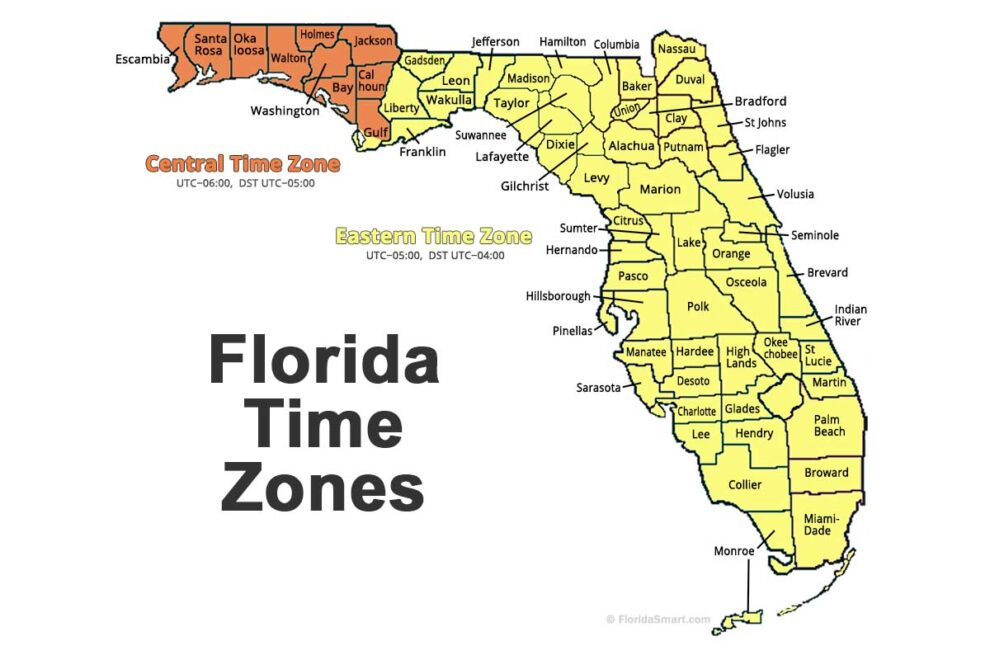
Florida’s geographical sprawl, stretching from the southeastern tip of the USA down into the Caribbean, necessitates a split in its timekeeping. The vast majority of the state, encompassing its most populous cities and renowned tourist hubs, operates on Eastern Time. However, a significant portion of the western Florida Panhandle observes Central Time. This division means that depending on your exact destination within the state, you could be operating on a different clock.
Both time zones in Florida participate in Daylight Saving Time, which typically begins on the second Sunday in March and ends on the first Sunday in November. During Daylight Saving Time, clocks are moved forward by one hour. This shift changes Eastern Standard Time (EST), which is UTC-5, to Eastern Daylight Time (EDT), becoming UTC-4. Similarly, Central Standard Time (CST), which is UTC-6, becomes Central Daylight Time (CDT), or UTC-5. The difference between the two zones—one hour—remains constant throughout the year, but their offset from Coordinated Universal Time (UTC) changes.
Eastern Standard Time (EST) / Eastern Daylight Time (EDT) Dominance
The dominant time zone across Florida is Eastern Time. This zone covers approximately 80% of the state’s landmass and nearly all of its population centers. If you are traveling to or staying in South Florida, Central Florida, or most of North Florida, you will be on Eastern Time.
Major cities and regions that fall within the Eastern Time Zone include:
- Miami and Fort Lauderdale, hubs for luxury travel, vibrant nightlife, and stunning beach resorts.
- Orlando, home to world-renowned theme parks like Walt Disney World and Universal Studios Florida, making it a prime destination for family trips and tourism.
- Tampa and St. Petersburg on the Gulf Coast, known for their cultural attractions, beaches, and various accommodation options, from boutique hotels to sprawling resorts.
- Jacksonville, Florida’s most populous city, offering a mix of urban attractions and coastal beauty.
- The Florida Keys, including Key West, famous for their relaxed lifestyle, water sports, and unique local culture.
- St. Augustine, the nation’s oldest continuously inhabited European-established settlement, a treasure trove of history and landmarks.
- Sarasota and Naples, offering upscale tourism, arts, and beautiful beaches.
- Amelia Island, a serene getaway known for its resorts and natural beauty.
For those planning to visit these areas, all flight arrivals, hotel check-ins, dining reservations, and attraction operating hours will strictly follow Eastern Time. It is important to remember that during Daylight Saving Time, this will be Eastern Daylight Time (EDT), one hour ahead of Eastern Standard Time (EST).
The Panhandle Exception: Central Time Zone (CST) / Central Daylight Time (CDT)
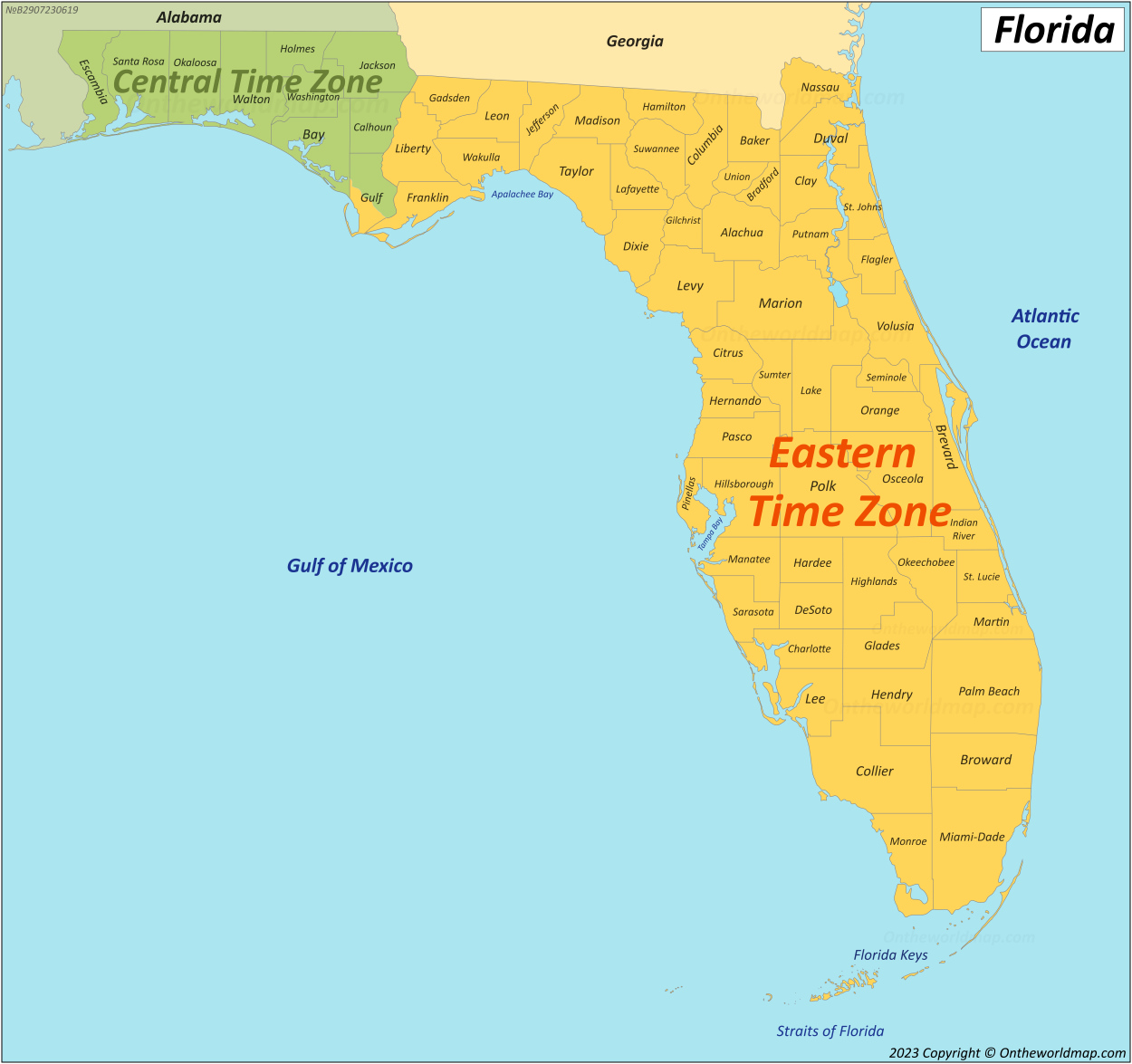
The primary exception to Florida’s Eastern Time dominance lies in the western part of the Florida Panhandle. This region observes Central Time, which is one hour behind Eastern Time.
The counties that fall into the Central Time Zone are:
- Escambia County
- Santa Rosa County
- Okaloosa County
- Walton County
- Bay County
- And the western portion of Gulf County (specifically, the area west of the Apachicola River). The eastern part of Gulf County and all areas to its east observe Eastern Time. This creates a unique time zone boundary that can be easily crossed when driving along Highway 98.
Key cities and popular tourist destinations in the Florida Panhandle that are on Central Time include:
- Pensacola, known for its historic downtown, naval air station, and beautiful beaches.
- Destin, often called the “world’s luckiest fishing village,” famous for its emerald waters and beach resorts.
- Panama City Beach, a hub for vibrant tourism with stunning beaches, family attractions, and diverse accommodation ranging from apartments to resorts.
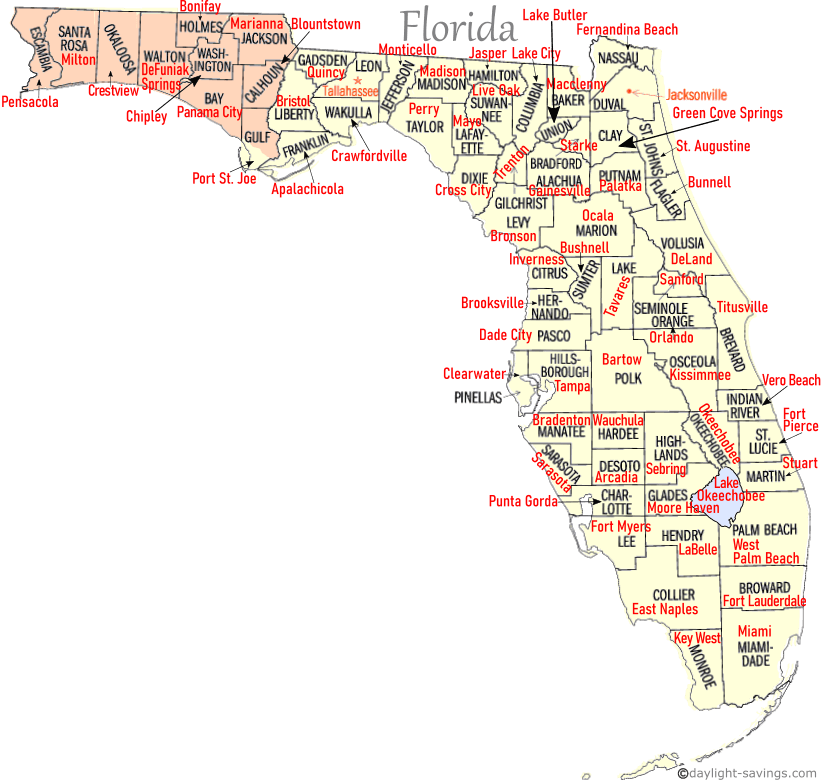
If your travel plans include visiting this part of Florida, it is absolutely critical to adjust your clock by one hour backward when arriving from the eastern parts of the state or by one hour forward when heading east. This seemingly small detail can have a significant impact on your schedule, especially if you have connecting flights, pre-booked tours, or meetings.
Why Knowing the Time Matters for Your Florida Trip
Understanding Florida’s time zones isn’t just a matter of trivia; it’s a practical necessity that affects nearly every aspect of your trip. From the moment you begin planning your itinerary to the final departure, time plays a crucial role.
Seamless Travel Planning and Logistics
Accurate timekeeping is fundamental to smooth travel logistics.
- Flights and Transportation: Missing a flight because you’re an hour off can derail your entire vacation. Always confirm departure and arrival times with the local time zone of each airport. This is especially important if you have connecting flights within Florida that might involve crossing the time zone boundary in the Panhandle. The same applies to bus, train, or ferry schedules.
- Hotel Check-ins and Check-outs: Most hotels, suites, resorts, apartments, or villas have strict check-in and check-out times. Arriving an hour late or missing a check-out deadline due to time zone confusion can lead to complications, additional fees, or disruption to your travel experience.
- Rental Car Pick-up and Drop-off: Ensure you align your rental car reservations with the correct local time to avoid unnecessary delays or penalties.
- Booking Tours and Excursions: Many popular attractions and excursions in Florida, such as Everglades National Park airboat tours, Key West snorkeling trips, or St. Augustine ghost tours, operate on tight schedules. Booking tours with the wrong time zone in mind could mean missing your slot, losing your deposit, and valuable time.
Maximizing Your Tourist Experience
For many, Florida is synonymous with world-class tourism and entertainment. Time awareness is critical for fully enjoying these offerings.
- Attraction Opening Hours: Theme parks like Walt Disney World and Universal Studios Florida in Orlando, or the Kennedy Space Center Visitor Complex near Titusville, have precise attraction opening hours and show schedules. Being late can mean missing a parade, a fireworks display, or an important presentation. Understanding the local time ensures you’re at the gate when it opens, maximizing your time and avoiding long queues.
- Dining and Entertainment: Dining reservations at popular restaurants in Miami, Tampa, or Destin are often essential, especially for luxury travel experiences. Arriving at the wrong time could mean forfeiting your table. Similarly, catching a live music show, a theater performance, or a sporting event requires punctuality according to the local clock.
- Meeting Friends and Family: If you’re traveling with a group or meeting others who are arriving from different parts of Florida or the USA, clear communication about the local time is vital for coordinating meet-ups and shared activities.
Business and Communication
For those combining business stays with leisure, or managing remote work while enjoying Florida’s allure, time zone awareness is paramount.
- Remote Work Schedules: If you’re working remotely from a Florida resort or villa, you need to be acutely aware of your colleagues’ and clients’ time zones, especially if they are in different parts of the country or world.
- Conference Calls and Meetings: Scheduling online meetings or conference calls requires careful consideration of the time differences to ensure all participants are available. A quick double-check can prevent missed crucial calls.
- Coordinating with Local Contacts: If you have business partners or local contacts in Florida, respecting their local time for communication is a sign of professionalism and facilitates smoother interactions.
Practical Tips for Managing Time Zones in Florida
Navigating Florida’s two time zones, especially with the added layer of Daylight Saving Time, can seem daunting, but with a few simple strategies, it becomes effortlessly manageable.
- Always Confirm Your Exact Destination’s Time Zone: Before you even book your accommodation or flight, verify which time zone your specific destination in Florida observes. A quick search for the city or county name along with “time zone” will provide immediate clarity. This is especially critical for those areas along the time zone boundary in the Panhandle, like Gulf County.
- Set Your Devices to Automatic Time Updates: Modern smartphones, tablets, and laptops automatically detect your location and adjust to the local time zone, including changes for Daylight Saving Time. Ensure this feature is enabled on all your essential devices. While generally reliable, it’s always good to cross-reference with a known source upon arrival.
- Double-Check All Booking Confirmations: Pay close attention to the times listed on your flight tickets, hotel reservations, tour bookings, and other activity confirmations. Most reputable providers will specify if times are in EST/EDT or CST/CDT, or local time. If unclear, don’t hesitate to contact the provider for clarification.
- Wear a Physical Watch (or two!): For traditionalists or those who prefer a quick glance without pulling out a phone, a physical watch can be handy. If traveling across the time zone boundary within Florida, consider wearing two watches: one set to Eastern Time and another to Central Time.
- Be Mindful When Crossing Time Zone Boundaries: If you’re driving from Tallahassee (EST) to Pensacola (CST) or vice-versa, be prepared for a one-hour shift. Road signs in boundary areas sometimes indicate the time zone change, but it’s not always guaranteed. Adjust your schedule and expectations accordingly.
- Plan for the Daylight Saving Time Shift: If your trip coincides with the start or end of Daylight Saving Time, remember that clocks will either jump forward or fall back one hour. This can affect sleep schedules, particularly when losing an hour, and requires a mental adjustment for your entire itinerary. Always confirm the exact dates for Daylight Saving Time for the current year.
- Embrace Flexibility: While meticulous planning is encouraged, sometimes things can still go slightly awry. Cultivating a flexible mindset and allowing for a small buffer in your schedule can alleviate stress if a minor time zone mix-up occurs. This is part of the lifestyle of a seasoned traveler.
In conclusion, knowing the time in Florida is more nuanced than a simple glance at a clock. The state’s division into Eastern and Central Time Zones, along with the observance of Daylight Saving Time, necessitates a proactive approach for travelers. By understanding where these zones apply and implementing practical tips, you can ensure your Florida travel experience is as smooth, enjoyable, and punctual as possible. Whether you’re chasing thrills at theme parks, relaxing on sun-drenched beaches, exploring historic landmarks, or indulging in local culture and food activities, mastering the clock will undoubtedly enhance your journey through the diverse and captivating Sunshine State.
LifeOutOfTheBox is a participant in the Amazon Services LLC Associates Program, an affiliate advertising program designed to provide a means for sites to earn advertising fees by advertising and linking to Amazon.com. Amazon, the Amazon logo, AmazonSupply, and the AmazonSupply logo are trademarks of Amazon.com, Inc. or its affiliates. As an Amazon Associate we earn affiliate commissions from qualifying purchases.